
Rear-wheel lift towing is one of the most widely used methods in the towing industry—fast, cost-effective, and practical for many situations. But it’s not without its risks. When applied to the wrong vehicle or performed incorrectly, this method can cause significant mechanical damage, safety hazards, and costly repairs that far exceed the price of the tow itself.
Whether your car has broken down on I-465 or you’re trying to make an informed decision before calling a tow truck, this guide walks through the key risks of rear-wheel lift towing and when this method is—and isn’t—appropriate for your vehicle.
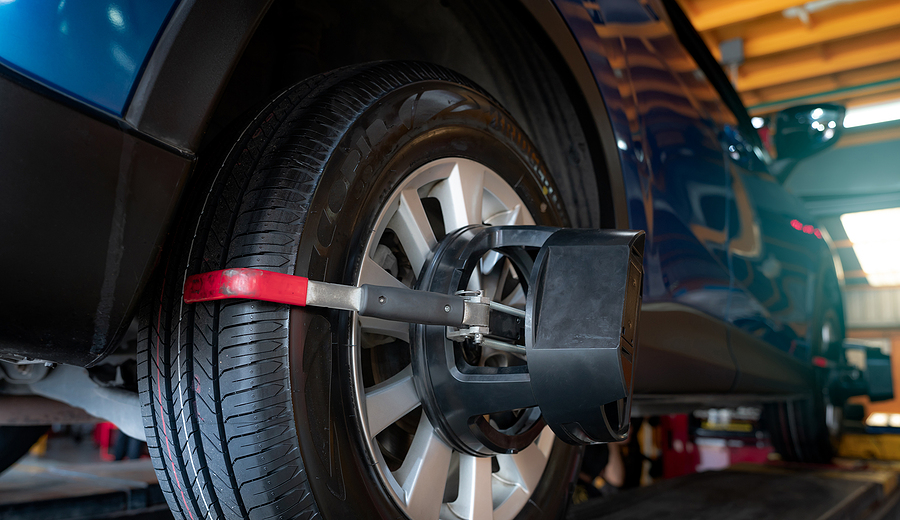
What Is Rear-Wheel Lift Towing?
How It Works
Rear-wheel lift towing uses a hydraulic metal yoke that slots beneath a vehicle’s rear wheels. Once secured, the hydraulic system raises the rear axle off the ground, leaving the front wheels in contact with the road. The vehicle is then pulled forward with only the rear wheels suspended.
This method is faster to set up than flatbed towing and generally less expensive, which is why towing companies use it frequently for quick roadside recoveries.
When It’s Used
Rear-wheel lift towing is typically used for rear-wheel drive (RWD) vehicles in short-distance recoveries, repossessions, and situations where flatbed trucks aren’t available or practical. It’s also a common choice for parking enforcement and municipal towing operations.
The challenge is that it’s sometimes applied to vehicles that aren’t compatible with this method—leading to the risks described below.
Potential Damage to the Drivetrain
The drivetrain is one of the most vulnerable systems during a rear-wheel lift tow. The consequences of getting this wrong can be expensive—drivetrain repairs often run between $3,000 and $8,000 or more.
Transmission Issues
When a rear-wheel drive vehicle is towed from the rear without being placed in neutral, the wheels—now suspended—can spin freely while still connected to the transmission. This forces transmission components to move without proper lubrication, causing internal wear and potentially severe damage.
Even with the vehicle in neutral, some automatic transmissions don’t circulate fluid unless the engine is running, meaning long distance towing increases the risk.
Differential Problems
The differential transfers engine power to the wheels and allows them to rotate at different speeds. During rear-wheel lift towing, if the driveshaft continues to rotate while the rear wheels are lifted, the differential can experience stress it wasn’t designed to handle. On AWD and 4WD vehicles, this problem is compounded because power is shared across all four wheels—lifting only the rear creates wheel speed imbalances that put serious strain on the center differential and transfer case.
Driveshaft Concerns
On RWD vehicles, the driveshaft runs from the transmission to the rear axle. If towing is performed without placing the vehicle in neutral—or if the vehicle isn’t compatible with rear-wheel lift towing—the driveshaft can rotate unnecessarily. Over time, this causes wear on universal joints and can lead to driveshaft vibration or failure.
Steering and Suspension System Risks
Drivetrain damage gets most of the attention, but the steering and suspension system faces its own set of risks during rear-wheel lift towing.
Misalignment
With the rear wheels lifted off the ground and the front wheels bearing the vehicle’s weight, the suspension geometry shifts from its intended position. If the tow involves rough roads, sharp turns, or long distances, this unnatural load distribution can cause rear wheel misalignment—a condition that leads to uneven tire wear and compromised handling once the vehicle is back on the road.
Component Wear
Suspension components like control arms, tie rods, and bushings are designed to absorb forces at specific angles. Rear-wheel lift towing changes how forces travel through these parts, accelerating wear on components that might otherwise last for years. Vehicles with pre-existing suspension issues are especially vulnerable.
Tire Damage
The front tires take on abnormal stress during a rear-wheel lift tow. Dragging a vehicle at an angle, making sharp turns, or towing over rough terrain can cause flat spots, sidewall stress, and uneven tread wear on the contact tires. In some cases, tire damage isn’t immediately apparent but shows up weeks later as vibration or handling problems.
Electronic System Complications
Modern vehicles are packed with electronic systems that are more sensitive to towing than many drivers realize.
ABS and Traction Control
Wheel speed sensors feed data to the ABS and traction control systems constantly. During rear-wheel lift towing, the suspended wheels may spin unevenly or at speeds inconsistent with vehicle movement, sending erroneous data to these modules. After a tow, it’s not uncommon for ABS or traction control warning lights to illuminate—a sign that sensors have been disrupted or damaged.
Onboard Computer Systems
Many vehicles have electronic stability programs and onboard diagnostics systems that monitor wheel behavior in real time. When a tow disrupts normal wheel input data, these systems can register fault codes and trigger warning lights. In some cases, a full diagnostic scan is needed after towing to reset the system and verify no underlying damage occurred.
Battery Drain
Rear-wheel lift towing—particularly over long distances—can place unexpected demands on a vehicle’s electrical system. If the ignition isn’t fully off or auxiliary systems remain active during transport, the battery can drain. On vehicles with keyless entry and passive electrical loads, this can happen faster than expected, leaving you with a dead battery on top of whatever issue prompted the tow.
Safety Hazards During Towing
Beyond vehicle damage, rear-wheel lift towing introduces physical safety risks that affect both the tow operator and other drivers on the road.
Loss of Control
With only the front wheels on the ground, the towed vehicle has limited stability. On wet or uneven roads, the rear—now elevated—can sway if not properly secured. At higher speeds, this creates a pendulum effect that’s difficult for the tow truck driver to control and dangerous for surrounding traffic.
Uneven Weight Distribution
Every vehicle has a different weight balance point. Rear-wheel lift towing shifts a disproportionate amount of weight to the front axle, potentially affecting the tow truck’s own handling and braking performance. If the vehicle being towed is heavy or has a high center of gravity—like an SUV or pickup truck—this imbalance becomes a more significant safety concern.
Braking Efficiency
The added weight from a towed vehicle changes the tow truck’s stopping distance. When the weight isn’t distributed properly—as can happen with rear-wheel lift towing on heavier vehicles—braking becomes less predictable. This is particularly important in Indianapolis’s stop-and-go traffic, where sudden stops are common.
When Is Rear-Wheel Lift Towing Acceptable?
Despite its risks, rear-wheel lift towing is a safe and effective method when used in the right circumstances.
Front-Wheel Drive Vehicles
Rear-wheel lift towing is generally considered safe for front-wheel drive (FWD) vehicles. Since the rear wheels on a FWD car aren’t connected to the engine or transmission, lifting them poses no drivetrain risk. The drive wheels stay on the ground and don’t rotate, which means the transmission and differential remain undisturbed throughout the tow.
Short Distances and Low Speeds
Even for compatible vehicles, rear-wheel lift towing is best suited to short-distance recoveries at low speeds. The longer and faster the tow, the greater the risk of heat buildup in connected drivetrain components, tire stress, and electronic system interference. For longer hauls, flatbed towing is almost always the safer option—regardless of vehicle type.
Frequently Asked Questions
Can rear-wheel lift towing damage an AWD vehicle?
Yes. AWD vehicles should not be towed with a rear-wheel lift unless all four wheels can be placed on dollies. Lifting only the rear while the front wheels roll creates wheel speed differences that stress the transfer case and differentials, potentially causing thousands of dollars in damage.
What should I do if my ABS light came on after a tow?
Take your vehicle to a qualified mechanic for a diagnostic scan. Warning lights triggered by towing can sometimes be reset without additional repairs, but they can also indicate sensor damage or deeper electronic issues that need attention.
Is rear-wheel lift towing covered by my car insurance?
Towing damage coverage depends on your specific policy. Some comprehensive policies cover damage caused by towing, but coverage varies widely. Contact your insurer to confirm what’s included before a tow takes place.
How can I tell if my vehicle was damaged during towing?
Pay attention to unusual noises, vibrations, warning lights, or changes in steering and braking after a tow. If anything feels off, have the vehicle inspected promptly. Early detection can prevent minor issues from becoming costly repairs.
Is flatbed towing always safer than rear-wheel lift towing?
For most vehicle types—especially AWD, 4WD, and RWD vehicles—flatbed towing is the safest option because all four wheels are off the ground. However, rear-wheel lift towing is safe for compatible vehicles when performed correctly by a trained professional.
Minimize Risks with Professional Towing in Indianapolis
Rear-wheel lift towing isn’t inherently dangerous—but it demands the right equipment, the right technique, and the right vehicle. Using this method incorrectly can turn a minor breakdown into a major mechanical repair bill.
If you’re in Indianapolis or anywhere in Central Indiana, don’t leave your vehicle’s safety to chance. Our professional towing team is available 24 hours a day, using the right method for your specific vehicle to get you back on the road without added damage or stress.
Related Posts:
How Improper Towing Can Destroy Your Vehicle’s Transmission
3 Simple Steps to Using a Trailer Hitch Adapter
Trailer Sway Control Tips for a Safer Towing Experience