
Towing a pickup truck requires a different approach than moving a compact sedan or a small SUV. These vehicles are heavier, longer, and often equipped with four-wheel-drive systems that complicate the towing process. Whether you are dragging a truck behind an RV for a cross-country adventure or moving a disabled vehicle across town, choosing the wrong method can result in catastrophic transmission damage or dangerous road conditions.
Understanding the mechanics of your specific truck is the first step toward a safe journey. The method you choose—flat towing, using a dolly, or loading it onto a trailer—depends entirely on your vehicle’s drivetrain, your budget, and the equipment you have on hand. This guide breaks down the three primary options, helping you make an informed decision that protects your vehicle and keeps you safe on the road.
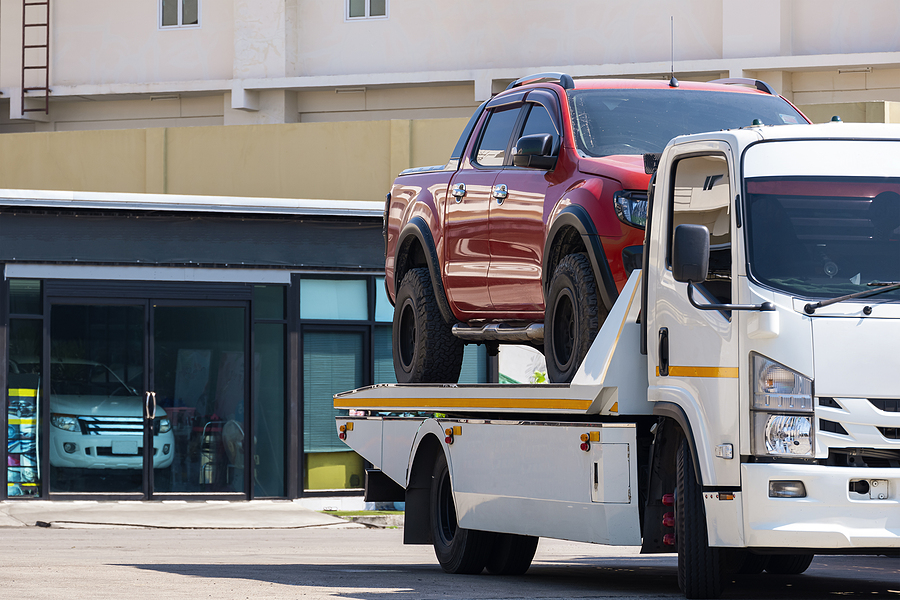
Best Options for Towing a Pickup Truck
Flat Towing (Four-Down Towing)
Flat towing, often called “dinghy towing,” involves pulling the pickup truck with all four wheels rolling on the pavement. This is a favorite method among RV owners because it is quick to hook up and disconnect once the initial equipment is installed.
How it Works
In this scenario, a tow bar connects the front of the pickup truck to the hitch of the towing vehicle. The truck rolls freely behind the lead vehicle, much like a caboose on a train.
Required Equipment
To flat tow safely and legally, you cannot simply strap the vehicles together. You will need:
- Tow Bar: The physical link between the two vehicles.
- Base Plate: A custom-installed bracket on the pickup’s frame that the tow bar attaches to.
- Supplemental Braking System: Most states require a system that activates the brakes in the towed truck when the lead vehicle brakes, reducing stopping distance.
- Safety Cables: A fail-safe connection in case the tow bar fails.
- Wiring Kit: This syncs the truck’s brake lights and turn signals with the RV or tow vehicle.
Pros and Cons
The primary advantage of flat towing is convenience. It tracks well behind the lead vehicle and takes up very little space at a campsite or destination since there is no trailer to store.
However, not every pickup truck can be flat towed. Many automatic transmissions rely on the engine running to pump fluid for lubrication. If the wheels turn the transmission internals without the engine running, you risk burning out the transmission. Generally, this method works best for 4WD trucks with a manual transfer case that can be shifted into neutral. Always consult your owner’s manual before attempting this.
Dolly Towing (Two-Wheel Towing)
A tow dolly is a small, two-wheeled trailer that lifts the front wheels of the vehicle off the ground while the rear wheels roll on the pavement. You have likely seen these used behind moving trucks for smaller cars.
When to Use a tow Dolly
Tow dollies are generally designed for front-wheel-drive (FWD) vehicles. Since the front wheels are stationary on the dolly, the transmission isn’t spinning, making it safe for FWD cars.
For pickup trucks, which are predominantly rear-wheel-drive (RWD) or four-wheel-drive (4WD), dolly towing presents a significant challenge. If you lift the front wheels of a RWD truck and drag it by the rear wheels, the driveshaft will still spin the transmission. Without the engine running to provide lubrication, severe damage can occur.
To safely dolly tow a RWD pickup, you generally must disconnect the driveshaft. This is a mechanical task that requires crawling under the truck, unbolting components, and securing them—a process that is often too cumbersome for casual towing.
Pros and Cons
The benefit of a dolly is that it is cheaper to rent or buy than a full trailer. However, for pickup owners, the mechanical risks often outweigh the savings. Additionally, you cannot reverse with a tow dolly attached; the pivot point makes it nearly impossible to back up without jackknifing.
Request Professional Tow Truck Service Now ✅
Trailer Towing
Trailer towing involves loading the entire pickup truck onto a trailer (often called a car hauler or flatbed), so no wheels touch the ground.
Types of Trailers
- Open Flatbed Trailers: The most common choice. These are versatile and easier to load but expose the truck to road debris and weather.
- Enclosed Trailers: These offer maximum protection and security but are significantly heavier and create more wind resistance, requiring a very powerful tow vehicle.
Pros and Cons
This is widely considered the safest method for the towed vehicle. Because the truck is stationary, there is no wear and tear on tires, suspension, or the transmission. You do not need to worry about disconnecting driveshafts or installing supplemental brakes in the truck itself.
The downside is the weight and bulk. You need a tow vehicle capable of pulling the weight of the pickup plus the weight of the heavy trailer. Maneuvering a long trailer through gas stations or tight streets requires skill and experience.
Choosing the Right Method
Selecting the right towing method usually comes down to three factors: vehicle compatibility, distance, and experience.
Vehicle Drivetrain
Start with your owner’s manual. It will explicitly state if your truck can be flat towed. If you have a standard RWD automatic truck, a full trailer is likely your only safe DIY option without major mechanical modifications. If you have an older 4WD truck with a manual transfer case, flat towing might be a viable option.
Distance and Terrain
For short trips across town, a flatbed trailer is often the least complicated solution. For long-distance travel, such as following an RV across the country, the investment in a flat-tow setup pays off in convenience.
Budget
Flat towing requires a high upfront cost for the base plate and braking system installation (often $3,000+), but it costs nothing per mile after that. Trailers can be rented fairly cheaply for one-time moves but purchasing one is a significant investment that also requires storage space.
Safety Tips for a Successful Tow
Regardless of the method you choose, safety must be the priority. Towing changes the physics of driving, affecting acceleration, braking, and turning.
Pre-Trip Inspection
Before you pull onto the road, perform a “circle check.” Ensure all safety chains are crossed and secure. Check the tire pressure on both the tow vehicle and the trailer or towed truck. Verify that all brake lights and turn signals are synchronized. If you are using straps on a trailer, tighten them, drive for five miles, and then pull over to retighten them as the load settles.
Driving Considerations
You must adjust your driving habits to accommodate the extra weight and length.
- Increase following distance: It will take you much longer to stop.
- Take turns wide: Prevents the trailer or towed truck from hopping the curb or hitting a pole.
- Check your mirrors: Monitor the towed vehicle constantly to ensure it isn’t swaying or drifting.
DIY vs. Professional Towing
There is a distinct difference between recreational towing (like behind an RV) and recovery towing (moving a broken-down vehicle).
If your truck has broken down, or if you do not have a vehicle powerful enough to tow your pickup, attempting a DIY solution can be dangerous. Pickup trucks are heavy; an F-150 or Silverado can easily weigh over 5,000 pounds. Towing this weight with an undersized vehicle can burn out your transmission or cause you to lose control on the highway.
Furthermore, roadside repairs or loading a disabled truck onto a trailer on a busy shoulder carries a high risk of injury. In these scenarios, professional equipment is not just a luxury—it is a necessity.
When to Call a Professional
If you are in the Indianapolis or Central Indiana area and find yourself in need of reliable transport for your truck, you don’t have to manage the logistics alone. A professional towing service will have heavy-duty wreckers and flatbeds specifically designed to handle the weight and length of full-size pickups without causing damage.
Summary
Towing a pickup truck requires careful consideration of the vehicle’s mechanics and the right equipment. Flat towing offers convenience for RVers but requires specific drivetrain capabilities. Dollies are rarely the best choice for RWD trucks due to transmission risks. Flatbed trailers offer the best protection but require a heavy-duty tow vehicle to pull them.
If you are unsure about your truck’s weight or your tow vehicle’s capacity, err on the side of caution. The cost of a professional tow is far lower than the cost of replacing a transmission or recovering from a roadway accident. Prioritize safety, check your equipment, and choose the method that ensures you and your truck arrive in one piece.
Need professional help now? Contact our team for licensed towing and roadside assistance for trucks in Indianapolis and Central Indiana. We have the equipment and expertise to get your vehicle where it needs to go, safely and efficiently.
Related Post: Truck Towing Tips: How to Transport a Broken Down Truck Safely