
Seeing a dashboard warning light suddenly illuminate can instantly ruin a pleasant drive. Your heart might skip a beat as you wonder whether it is safe to keep driving, or if you are about to face a massive repair bill. It is a stressful experience, but knowing how to interpret these symbols can give you peace of mind and keep you safe.
Dashboard warning lights are your car’s primary way of communicating with you. They act as an early alert system for everything from minor maintenance needs to critical, immediate dangers. Ignoring them is never a good idea, as a small issue can rapidly escalate into a catastrophic engine failure if left unchecked.
Learning to identify the most common vehicle dashboard warning lights will help you make smart, safe decisions behind the wheel. In this guide, we will walk you through exactly what these symbols look like, what causes them to appear, and the exact steps you need to take when they light up your dash.
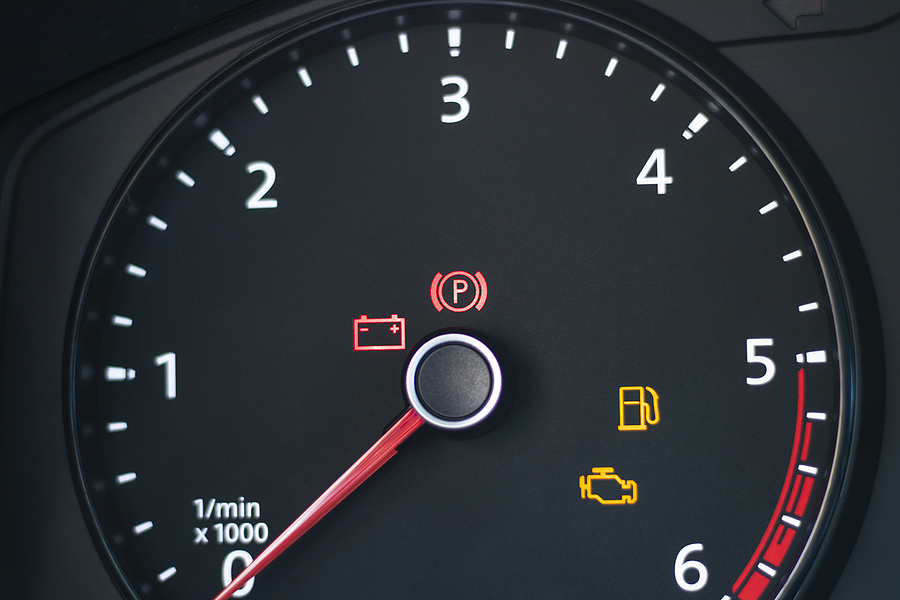
Common dashboard warning lights and their meanings
Your car’s dashboard is equipped with dozens of sensors. When something goes wrong, a specific symbol will light up. Here are the most common lights you might encounter and what they are trying to tell you.
Engine warning light (check engine light)
The check engine light usually looks like the silhouette of a car engine. In some vehicles, it might simply be an all-caps message that reads “CHECK ENGINE.”
This light can trigger for a variety of reasons. It might be something as minor as a loose gas cap, or it could signal a severe misfire inside the engine. If the light is solid, you should get your car to a mechanic for a diagnostic test soon. However, if the check engine light is actively blinking, pull over immediately. A blinking light indicates a serious problem that could permanently damage your engine if you continue driving.
Oil pressure warning light
This symbol looks like an old-fashioned oil can with a single drop of oil coming out of the spout. It illuminates when there is a critical problem with your engine’s oil pressure.
Proper oil pressure is vital because oil lubricates the engine’s moving parts. Without it, the engine will destroy itself through sheer friction. Common causes include low oil levels, a damaged oil pump, or an active leak. If you see this light, pull over safely, turn off the engine, and check your oil dipstick. If adding oil does not fix the issue, call for a tow.
Battery warning light
The battery warning light looks exactly like a standard car battery, complete with plus and minus symbols.
When this light comes on, it means your vehicle’s charging system is malfunctioning. You might have a dying battery, a faulty alternator, or corroded wiring. Do not be fooled if your car continues to drive normally when this light appears. Your vehicle is running on borrowed time using whatever juice is left in the battery, and it will eventually stall.
Tire pressure monitoring system (TPMS) light
The TPMS light looks like two-thirds of a circle with an exclamation point in the center and small ridges at the bottom to simulate tire tread.
This light alerts you that the air pressure in one or more of your tires has dropped below the recommended safety level. Severely underinflated tires can lead to poor handling, decreased fuel efficiency, and dangerous blowouts. Stop at a nearby gas station to check your tire pressure and fill them to the proper levels.
Brake system warning light
Usually appearing as a circle with an exclamation mark inside—or simply the word “BRAKE”—this light requires immediate attention.
Sometimes, this light comes on simply because your parking brake is still engaged. If you release the parking brake and the light remains on, you likely have a serious issue. Common causes include dangerously low brake fluid or severely worn brake pads. Because your brakes are your most critical safety feature, you should have the system inspected immediately.
ABS warning light
The Anti-lock Braking System (ABS) light typically features the letters “ABS” inside a circle.
Your ABS prevents your wheels from locking up and skidding during sudden, heavy braking. If this light comes on, it means the system has detected a fault, such as a broken wheel speed sensor or damaged wiring. Your standard brakes will still work, but you will not have the anti-lock safety feature in an emergency stop.
Airbag warning light
This symbol usually depicts a person sitting in a car seat with a deployed airbag in front of them.
It is completely normal for this light to flash briefly when you first turn on your car. However, if it stays illuminated while you are driving, there is a malfunction in the Supplemental Restraint System (SRS). This means your airbags might not deploy in the event of an accident, leaving you without crucial protection.
Temperature warning light
The temperature warning light looks like a small thermometer taking a dip in liquid.
This is one of the most serious lights on your dash. It indicates that your engine is overheating. This is usually caused by low radiator fluid, a broken water pump, or a burst coolant hose. Driving an overheated car will quickly melt and warp internal engine components, resulting in total engine failure. Pull over, turn off the car, and wait for it to cool down before calling for help.
What to do when a dashboard light comes on
When a new symbol suddenly glows on your dashboard, your first step should always be to stay calm. Do not panic, but do not ignore it either. Perform a quick initial assessment. How is the car handling? Do you hear any strange noises? Do you smell smoke?
If you are unsure what the symbol means, pull over to a safe location and consult your vehicle’s owner’s manual. The manual will provide specific guidance for your exact make and model.
Pay close attention to the color of the light. Generally, green or blue lights just indicate that a system is active (like your high beams). Yellow or orange lights are advisory warnings, telling you that a system needs checking soon.
Red lights, however, are critical alerts. If you see a red warning light, or any flashing light, take immediate action. Pull over safely and turn off the engine to prevent further damage. You may want to consider contacting a local roadside assistance company or towing service if your vehicle is unable to drive any further.
Preventative maintenance keeps dashboard lights away
The best way to deal with dashboard warning lights is to prevent them from coming on in the first place. Regular vehicle inspections are your first line of defense against unexpected breakdowns.
Stick to your vehicle’s scheduled service intervals. Having a professional mechanic change your oil, check your fluids, and inspect your brakes on a routine basis will catch small problems before they trigger a warning light on your dash. A well-maintained car is a safe, reliable car.
Frequently asked questions about dashboard warning lights
Can I ignore a dashboard warning light?
No, you should never ignore a dashboard warning light. While some lights indicate minor issues like a loose gas cap, others warn of critical failures. Ignoring them can compromise your safety and lead to highly expensive repairs.
Are all yellow lights equally urgent?
Yellow or orange lights generally indicate that a component needs attention soon, but they are usually not immediate emergencies. However, you should still have the vehicle inspected at your earliest convenience to prevent the problem from worsening.
How can I reset a dashboard light?
While you can clear some codes using an OBD-II scanner, the light will simply come back on if the underlying issue has not been fixed. The only safe way to reset a warning light is to properly diagnose and repair the mechanical problem triggering it.
What if my owner’s manual isn’t available?
If you cannot find your physical owner’s manual, you can almost always find a digital copy online. Search for your car’s make, model, and year on the manufacturer’s official website to download a free PDF version.
Stay safe on the road
Your car works hard to keep you safe, and your dashboard warning lights are its way of asking for a little help in return. By learning what these common symbols mean and responding to them promptly, you can protect your vehicle from severe damage and ensure you make it to your destination safely. Treat your car with care, pay attention to its warnings, and never hesitate to seek professional help when a red light appears.
Need immediate roadside assistance in Indianapolis? If a critical dashboard light has left you stranded, we are here to help. We provide 24 hour roadside assistance and towing service in Indianapolis and throughout Central Indiana.
Related Post: What to Do When Your Car Breaks Down: A Guide for Drivers