Dashboard Warning Lights Explained: What They Mean

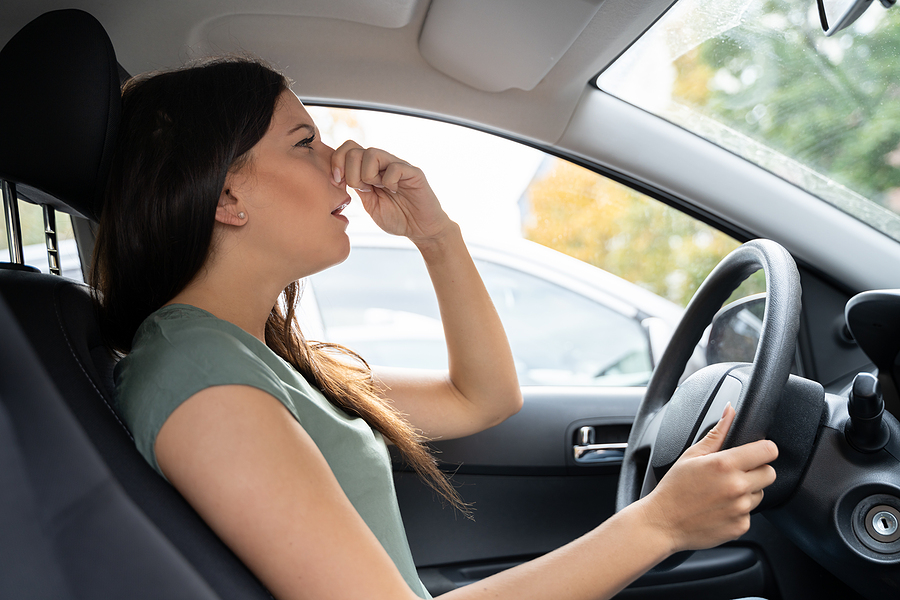
Seeing a dashboard warning light suddenly illuminate can instantly ruin a pleasant drive. Your heart might skip a beat as you wonder whether it is safe to keep driving, or if you are about to face a massive repair bill. It is a stressful experience, but knowing how to interpret these symbols can give you peace of mind and keep you safe.

Dashboard warning lights are your car’s primary way of communicating with you. They act as an early alert system for everything from minor maintenance needs to critical, immediate dangers. Ignoring them is never a good idea, as a small issue can rapidly escalate into a catastrophic engine failure if left unchecked.

Learning to identify the most common vehicle dashboard warning lights will help you make smart, safe decisions behind the wheel. In this guide, we will walk you through exactly what these symbols look like, what causes them to appear, and the exact steps you need to take when they light up your dash.

Dashboard Warning Lights

Common dashboard warning lights and their meanings

Your car’s dashboard is equipped with dozens of sensors. When something goes wrong, a specific symbol will light up. Here are the most common lights you might encounter and what they are trying to tell you.

Engine warning light (check engine light)

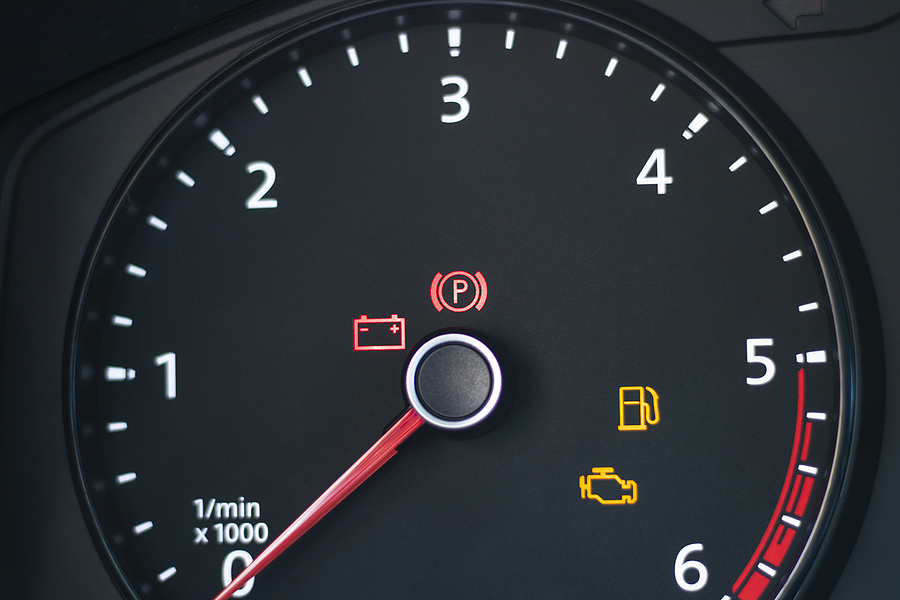
The check engine light usually looks like the silhouette of a car engine. In some vehicles, it might simply be an all-caps message that reads “CHECK ENGINE.”

This light can trigger for a variety of reasons. It might be something as minor as a loose gas cap, or it could signal a severe misfire inside the engine. If the light is solid, you should get your car to a mechanic for a diagnostic test soon. However, if the check engine light is actively blinking, pull over immediately. A blinking light indicates a serious problem that could permanently damage your engine if you continue driving.

Oil pressure warning light

This symbol looks like an old-fashioned oil can with a single drop of oil coming out of the spout. It illuminates when there is a critical problem with your engine’s oil pressure.

Proper oil pressure is vital because oil lubricates the engine’s moving parts. Without it, the engine will destroy itself through sheer friction. Common causes include low oil levels, a damaged oil pump, or an active leak. If you see this light, pull over safely, turn off the engine, and check your oil dipstick. If adding oil does not fix the issue, call for a tow.

Battery warning light

The battery warning light looks exactly like a standard car battery, complete with plus and minus symbols.

When this light comes on, it means your vehicle’s charging system is malfunctioning. You might have a dying battery, a faulty alternator, or corroded wiring. Do not be fooled if your car continues to drive normally when this light appears. Your vehicle is running on borrowed time using whatever juice is left in the battery, and it will eventually stall.

Tire pressure monitoring system (TPMS) light

The TPMS light looks like two-thirds of a circle with an exclamation point in the center and small ridges at the bottom to simulate tire tread.

This light alerts you that the air pressure in one or more of your tires has dropped below the recommended safety level. Severely underinflated tires can lead to poor handling, decreased fuel efficiency, and dangerous blowouts. Stop at a nearby gas station to check your tire pressure and fill them to the proper levels.

Brake system warning light

Usually appearing as a circle with an exclamation mark inside—or simply the word “BRAKE”—this light requires immediate attention.

Sometimes, this light comes on simply because your parking brake is still engaged. If you release the parking brake and the light remains on, you likely have a serious issue. Common causes include dangerously low brake fluid or severely worn brake pads. Because your brakes are your most critical safety feature, you should have the system inspected immediately.

ABS warning light

The Anti-lock Braking System (ABS) light typically features the letters “ABS” inside a circle.

Your ABS prevents your wheels from locking up and skidding during sudden, heavy braking. If this light comes on, it means the system has detected a fault, such as a broken wheel speed sensor or damaged wiring. Your standard brakes will still work, but you will not have the anti-lock safety feature in an emergency stop.

Airbag warning light

This symbol usually depicts a person sitting in a car seat with a deployed airbag in front of them.

It is completely normal for this light to flash briefly when you first turn on your car. However, if it stays illuminated while you are driving, there is a malfunction in the Supplemental Restraint System (SRS). This means your airbags might not deploy in the event of an accident, leaving you without crucial protection.

Temperature warning light

The temperature warning light looks like a small thermometer taking a dip in liquid.

This is one of the most serious lights on your dash. It indicates that your engine is overheating. This is usually caused by low radiator fluid, a broken water pump, or a burst coolant hose. Driving an overheated car will quickly melt and warp internal engine components, resulting in total engine failure. Pull over, turn off the car, and wait for it to cool down before calling for help.

What to do when a dashboard light comes on

When a new symbol suddenly glows on your dashboard, your first step should always be to stay calm. Do not panic, but do not ignore it either. Perform a quick initial assessment. How is the car handling? Do you hear any strange noises? Do you smell smoke?

If you are unsure what the symbol means, pull over to a safe location and consult your vehicle’s owner’s manual. The manual will provide specific guidance for your exact make and model.

Pay close attention to the color of the light. Generally, green or blue lights just indicate that a system is active (like your high beams). Yellow or orange lights are advisory warnings, telling you that a system needs checking soon.

Red lights, however, are critical alerts. If you see a red warning light, or any flashing light, take immediate action. Pull over safely and turn off the engine to prevent further damage. You may want to consider contacting a local roadside assistance company or towing service if your vehicle is unable to drive any further.

Preventative maintenance keeps dashboard lights away

The best way to deal with dashboard warning lights is to prevent them from coming on in the first place. Regular vehicle inspections are your first line of defense against unexpected breakdowns.

Stick to your vehicle’s scheduled service intervals. Having a professional mechanic change your oil, check your fluids, and inspect your brakes on a routine basis will catch small problems before they trigger a warning light on your dash. A well-maintained car is a safe, reliable car.

Frequently asked questions about dashboard warning lights

Can I ignore a dashboard warning light?

No, you should never ignore a dashboard warning light. While some lights indicate minor issues like a loose gas cap, others warn of critical failures. Ignoring them can compromise your safety and lead to highly expensive repairs.

Are all yellow lights equally urgent?

Yellow or orange lights generally indicate that a component needs attention soon, but they are usually not immediate emergencies. However, you should still have the vehicle inspected at your earliest convenience to prevent the problem from worsening.

How can I reset a dashboard light?

While you can clear some codes using an OBD-II scanner, the light will simply come back on if the underlying issue has not been fixed. The only safe way to reset a warning light is to properly diagnose and repair the mechanical problem triggering it.

What if my owner’s manual isn’t available?

If you cannot find your physical owner’s manual, you can almost always find a digital copy online. Search for your car’s make, model, and year on the manufacturer’s official website to download a free PDF version.

Stay safe on the road

Your car works hard to keep you safe, and your dashboard warning lights are its way of asking for a little help in return. By learning what these common symbols mean and responding to them promptly, you can protect your vehicle from severe damage and ensure you make it to your destination safely. Treat your car with care, pay attention to its warnings, and never hesitate to seek professional help when a red light appears.

Need immediate roadside assistance in Indianapolis? If a critical dashboard light has left you stranded, we are here to help. We provide 24 hour roadside assistance and towing service in Indianapolis and throughout Central Indiana.

Call Now

Related Post: What to Do When Your Car Breaks Down: A Guide for Drivers
Your Guide to Roadside Assistance for Large Trucks

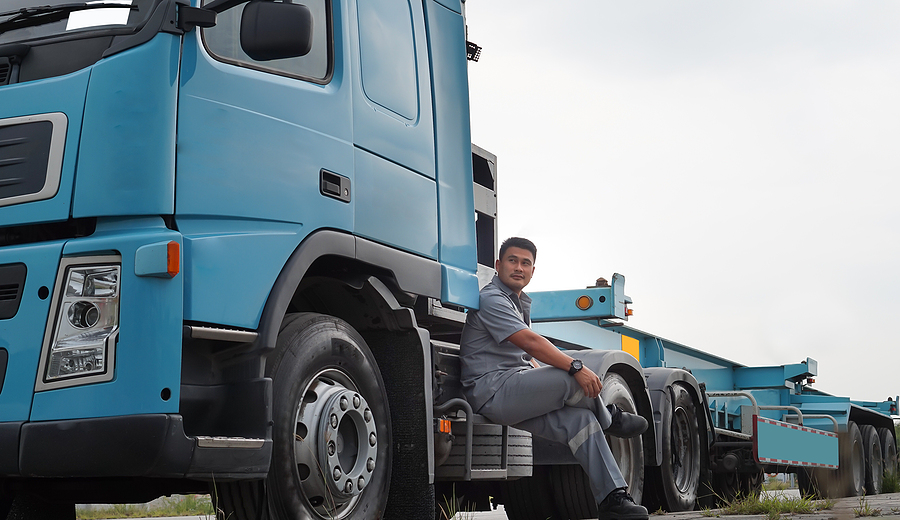
Driving a heavy-duty truck is a demanding job, and experiencing a breakdown on the side of a busy highway brings immediate stress. When you are hauling vital cargo, every minute your truck sits idle affects your delivery schedule and your bottom line. An unexpected mechanical failure can leave you feeling stranded and concerned about safety.

Understanding the root causes of these breakdowns helps you prepare for the unexpected. While some mechanical issues are unavoidable, knowing exactly what to do and who to call makes a stressful situation manageable. A reliable response plan protects your vehicle, your cargo, and your peace of mind.

This comprehensive guide covers the most frequent mechanical problems heavy-duty trucks face on the road. We will explore how specialized roadside assistance minimizes costly downtime, what criteria to look for in a service provider, and proactive steps you can take to keep your fleet running smoothly.

Call 317-247-8484 for Large Truck Roadside Assistance in Indianapolis

Common Roadside Issues for Heavy-Duty Vehicles

Large trucks endure intense daily wear and tear. Recognizing the symptoms of common mechanical failures allows you to act quickly and safely when trouble arises.

Tire Trouble: Blowouts and Punctures

A blown semi-truck tire is an alarming experience that compromises vehicle control. Underinflation remains a primary culprit for commercial tire failures. When a tire lacks proper air pressure, it flexes excessively, generating severe heat that weakens the rubber structure. Road debris and uneven tread wear also lead to dangerous punctures and sudden blowouts.

Engine Malfunctions and Overheating

Pulling heavy loads up steep grades or idling for long periods places immense strain on a diesel engine. Overheating frequently occurs due to coolant leaks, a malfunctioning thermostat, or a broken radiator fan. If you notice the temperature gauge spiking or smell burning fluids, pulling over immediately can prevent catastrophic engine failure.

Electrical System Failures

Modern trucks rely heavily on complex electrical systems. Dead batteries, faulty alternators, and corroded starter connections can leave a truck completely unresponsive. Symptoms often start small, such as dimming headlights or flickering dashboard gauges, before escalating to a total loss of power.

Fuel Delivery Problems and Run-Outs

Running out of fuel is a frustrating disruption, but fuel delivery issues also stem from mechanical faults. Clogged fuel filters restrict flow to the engine, causing sputtering and loss of power. In colder climates, diesel fuel can gel, blocking fuel lines and bringing the truck to a complete halt.

Brake System Complications

Air brake systems require precise pressure to function safely. Leaking air lines, frozen valves in the winter, or worn brake pads drastically increase stopping distances. Brake system complications require immediate professional attention to ensure the safety of the driver and surrounding motorists.

The Importance of Specialized Truck Roadside Services

Standard towing companies simply lack the equipment required to handle an 80,000-pound commercial vehicle. You need a specialized provider equipped for heavy-duty emergencies.

Equipment and Expertise

Commercial trucks require heavy wreckers, specialized mobile diagnostic computers, and heavy-duty pneumatic tools. Certified diesel technicians understand the complexities of air brakes and commercial powertrains. This specific expertise ensures repairs are done correctly and safely the first time.

Minimizing Downtime and Costs

Vehicle downtime is expensive. Industry estimates show that a grounded commercial vehicle can cost a fleet hundreds of dollars per day in lost revenue and missed delivery windows. Mobile truck repair services diagnose and fix many common issues directly on the shoulder of the road. This eliminates the need for truck towing service and gets your driver back on route faster.

Safety on the Road

A disabled semi-truck creates a serious hazard on a high-speed interstate. Specialized roadside assistance teams prioritize scene safety. They deploy high-visibility signage, position their service trucks strategically to shield your vehicle, and work efficiently to resolve the issue while protecting everyone involved.

Choosing the Right Roadside Assistance Provider

Selecting a trusted partner before an emergency happens saves you valuable time. Consider these essential factors when evaluating service providers.

24/7 Availability

Breakdowns do not adhere to a standard work schedule. Your chosen roadside assistance service provider must offer round-the-clock dispatch and support. Nighttime and holiday availability ensures you are never left waiting on the side of the road for business hours to begin.

Service Area and Response Time

A provider’s proximity directly affects how long you wait for help. Look for companies with a wide service radius and a track record of rapid dispatch times. Clear communication regarding estimated arrival times reduces anxiety for the stranded driver.

Technician Qualifications and Experience

The person working on your truck should be highly trained. Ask potential providers about their hiring standards. ASE-certified mechanics with extensive diesel experience can quickly identify complex engine and electrical faults that an inexperienced technician might miss.

Transparent Pricing

Emergency situations sometimes lead to unexpected expenses. Reputable roadside assistance companies offer clear, upfront pricing models. Look for a provider willing to explain their hourly rates, call-out fees, and mileage charges before they dispatch a truck.

Preventing Roadside Breakdowns for Large Trucks

While you cannot predict every hazard on the road, proactive fleet management drastically reduces the likelihood of severe breakdowns.

Regular Maintenance Schedules

Adhering to a strict preventative maintenance schedule keeps vital components in top condition. Regularly changing oil, replacing fuel filters, and checking battery connections prevents minor wear from turning into major failures.

Pre-Trip Inspections

Thorough pre-trip inspections are your first line of defense. Drivers should diligently check tire pressure, inspect air lines for audible leaks, and verify all fluid levels before turning the key. Catching a soft tire in the yard is far safer than dealing with a blowout on the highway.

Driver Training and Awareness

An attentive driver is incredibly valuable. Train your team to listen for unusual engine noises, monitor dashboard warning lights, and recognize changes in handling. Empowering drivers to report small issues early prevents costly roadside emergencies later.

Frequently Asked Questions (FAQ)

What types of trucks do you service?

Here at Zore’s Towing, we service a wide variety of heavy-duty vehicles, including semi-trucks, box trucks, flatbeds, dump trucks, and commercial buses. Our technicians are equipped to handle Class 7 and Class 8 commercial vehicles.

How quickly can you respond to a call?

Response times vary based on traffic, weather, and your exact location. However, we prioritize rapid dispatch and typically arrive at most local highway breakdowns within 45 to 60 minutes.

Do you offer mobile truck repair?

Yes, our service trucks act as mobile repair shops. We can perform many services roadside, including tire replacements, and jump-starts.

What payment methods do you accept?

We accept major credit cards, fleet checks, and established corporate accounts. Our goal is to make the payment process as smooth as possible so you can focus on getting moving again.

Getting Your Fleet Back on Track

A disabled truck interrupts your business operations and causes significant stress. By understanding the common causes of commercial vehicle breakdowns and implementing proactive maintenance habits, you protect your fleet and your drivers. Establishing a relationship with a reliable roadside service provider ensures that when trouble does strike, you have a knowledgeable team ready to help.

If you are dealing with a truck breakdown in Central Indiana, help is nearby. We provide rapid, heavy-duty roadside assistance throughout Indianapolis and surrounding towns, including Carmel, Fishers, Noblesville, and Greenwood. Do not let a mechanical failure ruin your schedule. Request immediate service or contact us for a free quote right now.

Call Now for Assistance

Related Post: The Safest Ways to Tow a Pickup Truck and Mistakes to Avoid

Locked Keys in Car: Your Step-by-Step Recovery Guide

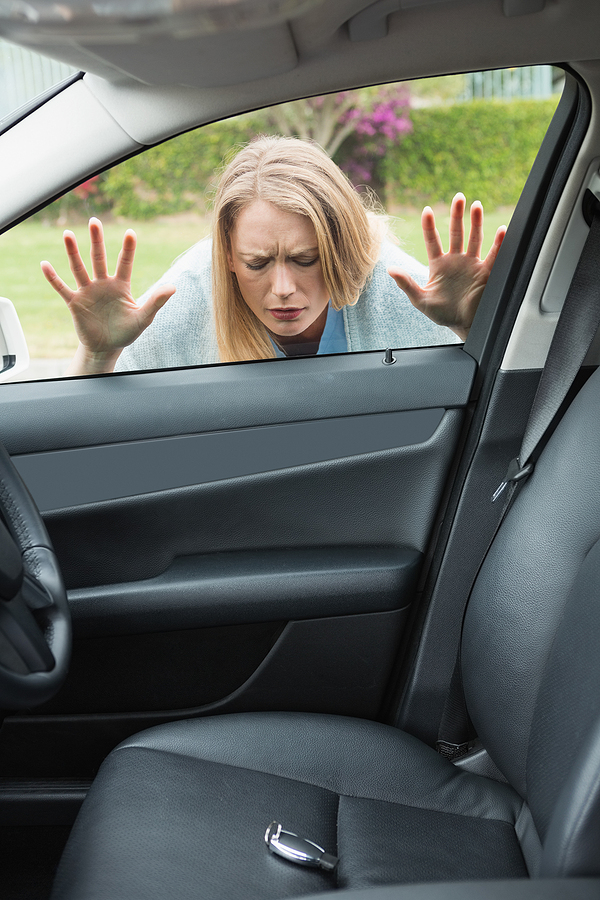
Seeing your keys sitting on the driver’s seat through a locked window causes a sudden sinking feeling. That moment of realization brings an immediate wave of stress, especially if you have somewhere important to be. A vehicle lockout disrupts your entire schedule and leaves you feeling stranded.

You certainly are not alone in this frustrating situation. Studies show that over four million people lock their keys in their cars every year, while another 20 million simply misplace them. This common mistake happens to the best of us, often when we are distracted or rushing to our next destination.

Understanding how to handle a car lockout safely is crucial for getting back on the road. Taking the wrong approach can cause expensive damage to your vehicle. This guide will walk you through the immediate steps to take, safe do-it-yourself unlocking methods, and how to know when it is time to call in the professionals.

Call 317-247-8484 if You Locked the Keys in Your Car in Indianapolis Indiana

Immediate Steps to Take When You’re Locked Out

Panic often sets in the moment you hear the door click shut. Taking a deep breath and following a few simple steps will help you handle the situation effectively.

Check All Doors and the Trunk

Our first instinct is often to tug at the driver’s side door handle repeatedly. Stop and walk around the vehicle instead. Check every single door, including the passenger doors and the trunk. Sometimes a faulty actuator or a simple oversight means one door remains unlocked. If you can access the trunk, you might be able to fold down the rear seats and crawl into the main cabin.

Assess Your Safety and Surroundings

Your physical safety always takes priority over recovering your keys. Take a look around your environment. If you are parked in a dark, unfamiliar area, or if you are standing near high-speed traffic, move to a safe, well-lit location nearby.

If a child or a pet is locked inside the vehicle on a warm day, do not attempt time-consuming DIY methods. Call emergency services immediately, as vehicle interiors can reach fatal temperatures in a matter of minutes.

Safe DIY Methods to Unlock Your Vehicle

If you are safe and have some time, you might be able to unlock the vehicle yourself. These methods work best on older vehicles, but they require patience and a gentle touch.

Using a String or Shoelace (Manual Locks)

If your car features vertical manual lock posts that stick up near the window ledge, a standard shoelace can save the day. Here’s what to do:

  1. Take a long shoelace or a strong piece of string. Tie a slipknot right in the middle. A slipknot is a sliding loop that will cinch tightly when you pull the ends.
  2. Work the string into the corner of the car door, sliding it back and forth to get it past the weather stripping.
  3. Lower the loop over the lock post, pull both ends of the string to tighten the knot around the post, and pull upward to unlock the door.

The Inflatable Wedge and Long Reach Tool Method

For cars with power locks or smooth manual buttons, the wedge method is highly effective. You will need a commercial inflatable air wedge and a long reach tool (a long, sturdy piece of metal with a hooked end). Try this:

  1. Gently insert the deflated air wedge between the top corner of the car door and the door frame.
  2. Pump the wedge slowly to inflate it. This creates a small, harmless gap between the door and the frame.
  3. Slide the long reach tool through the gap, guide it toward the unlock button or the door handle, and apply pressure to open the door.
  4. Release the air from the wedge immediately afterward to prevent bending the door frame.

When to Call Roadside Assistance Professionals

Modern vehicles feature advanced security systems designed specifically to keep people out. Sometimes, attempting to unlock the car yourself simply will not work.

Benefits of Using a Certified Roadside Service

Calling a professional roadside assistance service provides peace of mind. Trained technicians arrive with specialized tools and the expertise to handle any vehicle make or model. They work quickly, often unlocking a vehicle in just a few minutes. This saves you the frustration of standing in a parking lot trying to manipulate a shoelace for an hour.

Avoiding Damage to Modern Power Locks and Windows

Improper use of makeshift tools can result in costly repairs. Shoving coat hangers or metal rods into your door panel can sever wiring for power windows, tear the delicate weather stripping, or scratch your exterior paint. Prying the door open too far can even shatter the glass. Professional technicians know exactly how much pressure to apply to avoid damaging your vehicle.

Frequently Asked Questions About Vehicle Lockouts

Can I unlock my car with a smartphone app?

Yes, many modern vehicle manufacturers offer smartphone integration. Apps like OnStar, UConnect, and aftermarket solutions like DroneMobile or Car Chabi allow you to lock and unlock your doors remotely. If you have one of these services activated, you can simply tap a button on your phone to get back inside.

Will calling a locksmith damage my car door?

A trained, certified professional will not damage your vehicle. They use industry-standard equipment, such as specialized air wedges and protective sleeves, to bypass the locking mechanism safely.

How long does a professional lockout service usually take?

Response times vary based on your location and traffic conditions. However, most professional roadside assistance teams strive to reach you within 30 to 45 minutes. Once they arrive, the actual unlocking process usually takes less than five minutes.

In Summary

Developing a few simple habits can keep you from ever facing a lockout again. Always keep your keys on a designated key ring or lanyard to make them more noticeable. Force yourself to lock the doors using the key fob from the outside, rather than pressing the lock button on the door panel as you exit. You might also consider keeping a spare key in your wallet or giving one to a trusted family member.

If you find yourself staring at your keys through the window, do not panic. We provide fast, 24/7 roadside assistance in Indianapolis, Indiana. Our expert technicians are available seven days a week to get your keys out of your vehicle in no time. Give us a call, and we will get you safely back on the road.

Call Now for Service

Related Post: Roadside Assistance Exposed: Myths and Truths Every Driver Should Know

Car Stuck in a Ditch? Here’s Your Quick Guide to Getting Out

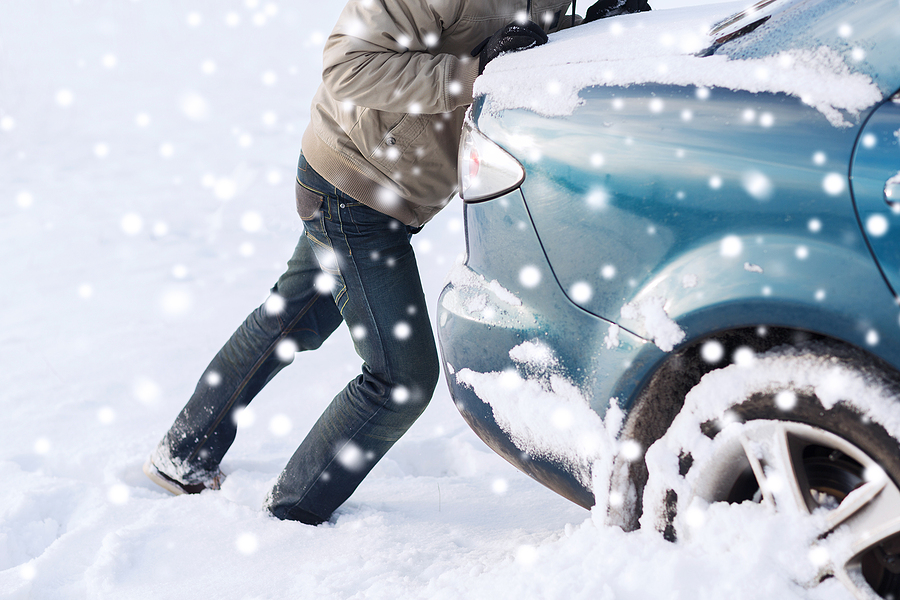
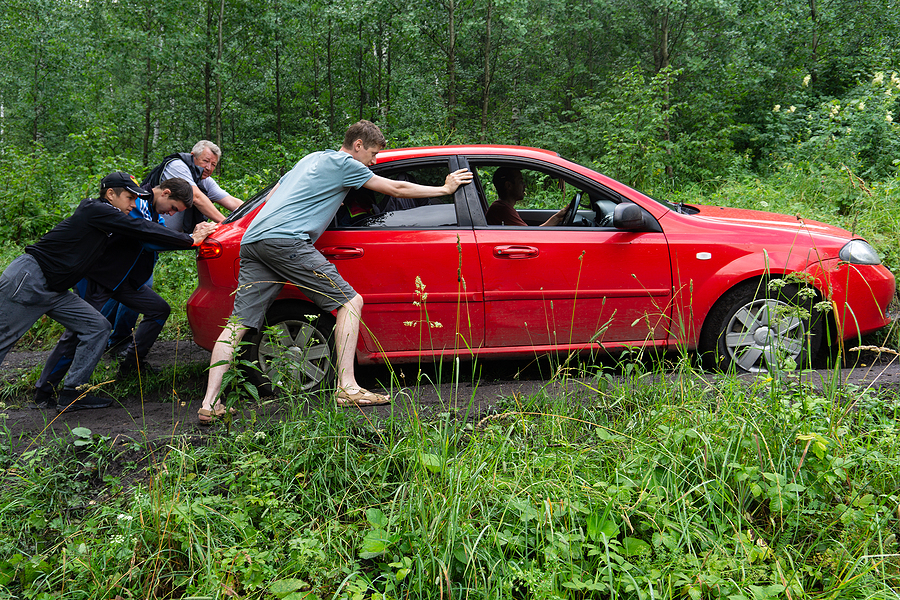
It happens in the blink of an eye. One minute you’re navigating I-465 or a back road in Fishers during a snowstorm, and the next, your wheels lose traction. The slide is silent but terrifying, and before you can correct the steering, your vehicle settles into a snowy ditch. The engine is still running, the heater is blasting, but your wheels are spinning uselessly against slick mud and ice.

Recent heavy snowfalls in Central Indiana have made this scenario all too common. Panic is a natural first reaction, but it’s the enemy of safety. Knowing exactly how to assess your situation, when to attempt a DIY rescue, and when to call for professional tow truck help can make the difference between a minor inconvenience and a dangerous roadside emergency.

This guide provides actionable steps for Indianapolis drivers to safely navigate getting a vehicle unstuck. Whether you’re dealing with a shallow slide-off or a deep embankment, you will learn the precise techniques to regain traction and when to prioritize your safety by calling a tow truck.

TL;DR: Quick steps & tips for getting your car unstuck from a snowy ditch in Indianapolis after recent heavy snowfall. Know when to DIY and when to call for emergency towing service.

Key Takeaways:

  • Assess the situation carefully before attempting to move your car.
  • Use proper techniques to avoid causing further damage.
  • Know when to call a professional towing service for safety and efficiency.

Table of Contents:

  1. Assessing the Situation: Is It Safe to Move Your Car?
  2. DIY Steps: How to Get Your Car Unstuck
  3. When to Call for Help: Emergency Towing Service
  4. Preventing Future Incidents
  5. FAQ
  6. Quick Recap
  7. Conclusion
  8. Request Emergency Towing Now
Call 317-247-8484 if Your Car is Stuck in Ditch in Indianapolis
Call 317-247-8484 for Emergency Towing if Your Car is Stuck in Ditch in Indianapolis

Assessing the Situation: Is It Safe to Move Your Car?

Before you even unbuckle your seatbelt, take a moment to breathe and assess. Your safety—and the safety of your passengers—is the absolute priority. Rushing out of the vehicle on a busy highway can be more dangerous than the ditch itself.

Check for Immediate Hazards

Look around. Are you on a busy thoroughfare like I-65 where other cars might lose control in the same spot? If visibility is low and traffic is moving fast, staying inside the vehicle with your seatbelt on and hazard lights flashing is often the safest choice.

Critical Safety Warning: Ensure your exhaust pipe is not blocked by snow or mud. The CDC warns that a blocked tailpipe can cause deadly carbon monoxide gas to build up inside the vehicle’s cabin in minutes. If you are stuck in deep snow, clear the area around the exhaust pipe immediately if it is safe to exit the vehicle.

Stability Check

How stable is the vehicle? If the ditch is steep, shifting your weight or rocking the car could cause it to tip or slide further down. If the angle feels precarious, do not attempt to move the vehicle yourself.

Physical Capability

Be honest about your physical limits. Digging a car out of heavy, wet snow is strenuous work. In cold weather, heart rates increase, and overexertion can lead to medical emergencies. If you aren’t dressed for sub-freezing temperatures or aren’t physically up for the task, wait for help.

DIY Steps: How to Get Your Car Unstuck

If you’ve determined it’s safe to proceed, you can try these proven techniques to free your vehicle. The goal is to create traction, not just spin your wheels.

1. Clear the Area

Use a shovel (or an ice scraper in a pinch) to clear snow from around all four tires. You need to reduce the resistance against the wheels. Dig out a path in the direction you intend to move—usually straight back the way you came is easiest. Clear any snow touching the underside of the car’s frame, as this can leave your wheels “high-centered” and spinning in the air.

2. Improve Traction

Your tires need something to grip. Ice and loose snow offer zero friction.

  • Sand, Salt, or Kitty Litter: These are excellent for adding grit. Sprinkle a generous amount in front of and behind the drive tires (front tires for FWD, rear for RWD).
  • Floor Mats: In an emergency, take the floor mats out of your car and wedge them under the drive tires. Note: This can ruin the mats, and they may shoot out forcibly if the tires spin too fast, so ensure no one is standing behind the vehicle.

3. The Rocking Technique

This requires patience and a gentle touch.

  1. Straighten your wheels.
  2. Switch your vehicle into the lowest gear (or “Low” for automatics).
  3. Gently accelerate forward just until the wheels slip, then immediately release the gas and let the car roll back.
  4. As it rolls back, shift to reverse and gently accelerate again.
  5. Repeat this rhythm—forward, back, forward, back—to build momentum.

Warning: Do not floor the gas. Excessive wheel spin heats up tires and can damage your transmission. If you haven’t moved after a few minutes of rocking, stop to prevent mechanical failure.

4. Tire Deflation (Last Resort)

Letting a small amount of air out of your tires can increase their surface area and improve grip. However, you must have a way to re-inflate them immediately once you are back on the road, as driving on under-inflated tires is dangerous.

When to Call for Help: Emergency Towing Service

Sometimes, no amount of kitty litter or rocking will work. Recognizing when you are beat is a smart safety move. According to the National Highway Traffic Safety Administration (NHTSA), winter weather causes thousands of injuries annually; don’t become a statistic by taking unnecessary risks.

Signs You Need a Tow Truck

  • Deep Snow or Mud: If the snow is up to the chassis or the ground is soft mud, you likely need a winch to pull you out.
  • Mechanical Issues: If you hear strange noises, smell burning rubber or transmission fluid, or see warning lights on your dashboard, stop immediately.
  • Hazardous Location: If you are stuck on a blind curve or partially blocking a lane, call 911 or emergency towing immediately.
  • Unsuccessful DIY: If you’ve been trying for 15 minutes without success, you risk damaging your vehicle or suffering from hypothermia.

When you call for tow truck service, be ready to provide your exact location (use GPS on your phone), the make and model of your vehicle, and a description of the ditch (depth, angle, distance from the road).

Preventing Future Emergency Roadside Incidents

Winter in Indiana is predictable in its unpredictability. Preparing your vehicle now can save you a headache later.

  • Winter Tires: All-season tires start to lose grip when temperatures drop below 45°F. Winter tires have specialized rubber compounds and tread patterns designed for snow and ice.
  • Drive for Conditions: Slow down. The posted speed limit is for ideal conditions, not a blizzard. Increase your following distance to 5-6 seconds.
  • Pack a Winter Kit: Don’t leave home without essential safety gear.

Frequently Asked Questions

What kind of equipment should I keep in my winter emergency kit?

A well-stocked kit should include a collapsible shovel, ice scraper, flashlight with extra batteries, jumper cables, warm blankets, gloves, hat, non-perishable snacks, water, and a bag of abrasive material like sand or non-clumping kitty litter.

How can I improve my car’s traction in snowy conditions?

Aside from installing winter tires, you can add weight to your vehicle. If you drive a rear-wheel-drive truck or car, placing bags of sand or salt in the trunk or truck bed over the rear axle can help improve stability and grip.

What are the risks of trying to get my car unstuck myself?

The biggest risks are injury from slips and falls, hypothermia, carbon monoxide poisoning (if the tailpipe is blocked), and physical injury from pushing a heavy vehicle. Mechanically, you risk overheating your transmission or damaging your tires through excessive spinning.

Quick Recap:

  • Assess: Ensure you aren’t in immediate danger from traffic and that your exhaust pipe is clear.
  • Prepare: Dig out the tires and use traction aids like sand or floor mats.
  • Execute: Use the “rocking” method gently; do not floor the gas pedal.
  • Call: If you are deep in a ditch, mechanically compromised, or unsafe, call for professional towing.
  • Prevent: Equip your car with winter tires and an emergency kit.

Stay Safe on Indiana Roads

Getting stuck is stressful, but it doesn’t have to be a disaster. By staying calm and following these steps, you can often get back on the road safely. However, never prioritize your vehicle over your physical well-being. If the situation feels unsafe or the car won’t budge, the smartest move is to wait for the professionals.

Need emergency towing service in Central Indiana? Contact us now for immediate assistance!

Call Now

Related Post: When Your Car Slides Off the Road and Gets Stuck: A Complete Recovery Guide

Stalled on I-465? How Emergency Fuel Delivery Roadside Assistance Can Help

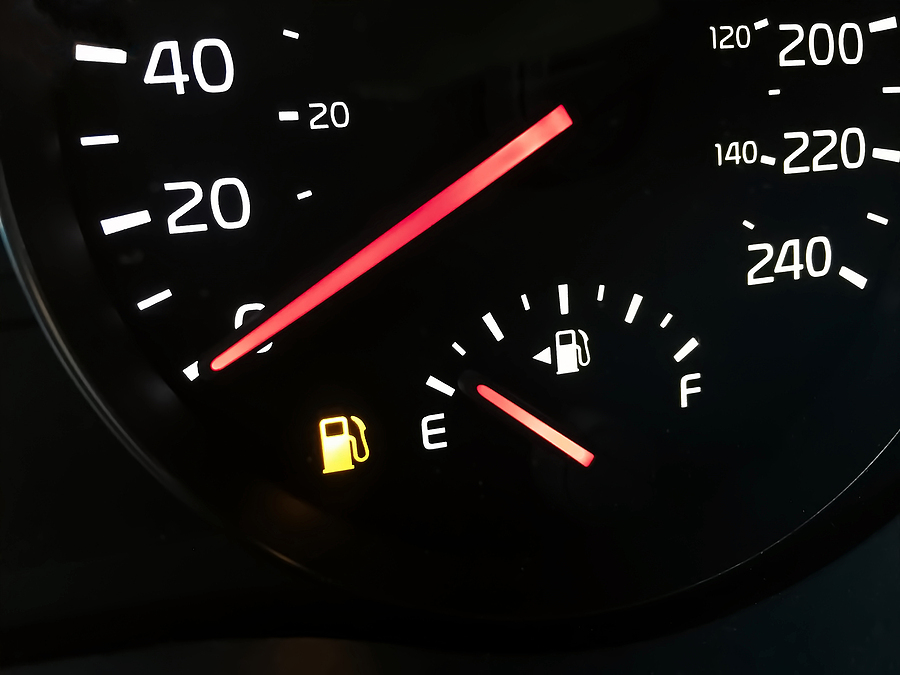
The engine sputters, the power steering stiffens, and your heart sinks. You glance at the dashboard, hoping it’s a mechanical glitch, but the fuel gauge needle is buried firmly below the “E.” You are officially out of gas.

Whether you are navigating the loop on I-465 during rush hour or cruising a quiet backroad in Hamilton County, running out of fuel is a frustrating and vulnerable experience. It turns a routine commute into an immediate logistical nightmare. The anxiety of being stranded is compounded by the danger of passing traffic and the uncertainty of how you will get moving again.

Fortunately, modern roadside assistance has evolved beyond just tow trucks and tire changes. Emergency fuel delivery services offer a lifeline for stranded motorists, bringing the gas station to you so you can get back on the road safely and quickly. Understanding how this service works—and why it is often a smarter choice than walking to the nearest pump—can save you money, time, and significant stress.

Call 317-247-8484 For 24 Hour Fuel Delivery Service in Indianapolis Indiana

Why Do Drivers Run Out of Gas?

It is easy to assume that running out of fuel is the result of poor planning, but it happens to seasoned drivers and careful planners alike. Life gets in the way, and small variables can leave you stranded miles from your destination.

Inaccurate Fuel Gauges

In older vehicles, the fuel sender unit—the device inside the tank that measures fuel levels—can degrade over time. It might show a quarter tank remaining when you are actually running on fumes. Even in newer cars, parking on a steep incline can sometimes give a false reading, leading you to believe you have more range than you actually do.

Distracted Driving and Cognitive Load

Indianapolis traffic demands hyper-focus. Between navigating construction zones on I-69 and dodging potholes downtown, your attention is often diverted from the dashboard. When your mind is preoccupied with the road or the stress of the day, the low-fuel warning light can blend into the background until it is too late.

Miscalculating Trip Distances

We have all played the “I can make it” game. You see the warning light but calculate that you can make it to your favorite gas station near home. Unfortunately, unexpected traffic jams or detours—common occurrences in Central Indiana—can burn through that safety reserve faster than anticipated.

The Critical Benefits of Emergency Fuel Delivery

While your first instinct might be to call a friend or start walking, professional fuel delivery offers distinct advantages that go beyond simple convenience.

Immediate Safety on Hoosier Roadways

Safety is the most compelling reason to stay in your car and call for help. Walking along the shoulder of a highway like I-70 or I-65 is incredibly dangerous. High-speed traffic, low visibility, and narrow shoulders create a recipe for disaster.

According to the Indiana Department of Transportation (INDOT), more than 800 people lose their lives on Hoosier roadways each year. To combat roadside dangers, Indiana updated its “Move Over or Slow Down” law in July 2023. This law now requires motorists to change lanes or slow down when approaching any disabled vehicle displaying flashing hazard lights—not just emergency vehicles.

However, you cannot rely solely on other drivers to follow the law. By remaining inside your vehicle with your seatbelt fastened and hazards on while waiting for fuel delivery, you significantly reduce your risk of injury compared to walking along the roadside.

Convenience and Speed

Walking to a gas station is rarely a quick trip. You have to locate the nearest station, walk there (often miles away), purchase a gas can (if they even sell one), fill it, and walk back. Then, you have the struggle of pouring fuel into a modern car that might have a capless fuel system requiring a specific funnel.

Emergency fuel delivery cuts out these steps. A technician arrives at your location with the fuel you need. They handle the refueling process safely, allowing you to stay clean and dry inside your vehicle.

Cost-Effectiveness vs. Towing

If you do not utilize fuel delivery, your alternative is often a tow truck. Towing is almost always more expensive than a simple fuel drop.

According to data from J.D. Power, the average cost of towing a car is approximately $109. However, this price fluctuates based on mileage, with costs ranging between $2.50 and $7.00 per mile. If you are stranded far from a service center, that bill can escalate quickly.

In contrast, emergency fuel delivery usually incurs a flat service fee plus the cost of the fuel. If you have a roadside assistance membership, the delivery is often free, and you may only pay for the gas itself.

Get Emergency Fuel Delivery Service in Indy Right Now

How Emergency Fuel Delivery Works

The process is designed to be as frictionless as possible for a stressed driver.

  1. Request Service: You contact your roadside assistance provider via phone or app. You will need to share your location (GPS pins are helpful) and your vehicle type.
  2. Specify Fuel Type: It is crucial to tell the dispatcher if your vehicle requires regular unleaded, premium, or diesel.
  3. Dispatch: A service vehicle is sent to your location.
  4. Delivery: The technician puts enough fuel in your tank—typically 2 to 3 gallons—to get you to the nearest service station where you can fill up completely.

Membership vs. Pay-Per-Use

Major auto clubs like AAA offer fuel delivery as a core benefit. For “Classic” members, the delivery service is free, but you pay the market rate for the fuel. For higher-tier members (Plus and Premier), the fuel itself is often provided at no cost.

If you do not have a membership, many local Indianapolis towing and roadside companies offer pay-per-use services. You will pay a dispatch fee, but it remains a cost-effective alternative to a full tow.

Choosing the Right Provider in Central Indiana

Not all roadside assistance is created equal. When selecting a service to keep in your contacts list, consider these factors:

  • Coverage Area: Ensure the provider covers the entire Central Indiana region, from Greenwood to Carmel and Avon to Greenfield.
  • Response Time: In the dead of an Indiana winter, waiting two hours for gas can be dangerous. Look for providers with a reputation for rapid dispatch.
  • 24/7 Availability: Running out of gas doesn’t always happen during business hours. You need a provider who picks up the phone at 2:00 AM on a Sunday.

Conclusion

Running on empty is a mistake anyone can make, but it doesn’t have to ruin your day or endanger your life. By utilizing emergency roadside assistance fuel delivery, you choose a safer, faster, and more economical solution than braving the highway shoulder alone.

Whether you are a daily commuter on I-465 or a parent driving carpool in Fishers, knowing you have a backup plan allows you to drive with confidence. Don’t let a moment of forgetfulness leave you stranded—help is just a phone call away.

Need help now? If you are stranded in Indianapolis or the surrounding Central Indiana area, don’t risk walking for gas. Contact Us Now to request 24-hour roadside assistance service. We will get fuel to you fast so you can get back to your destination safely.

Call Right Now

Related Post: Fuel Delivery Service: What To Do If You Run Out of Gas on the Road

Stuck on the Shoulder? Your Guide to Flat Tire Roadside Assistance

The sound is unmistakable—a rhythmic thumping, a sudden vibration in the steering wheel, or the feeling of your vehicle pulling aggressively to one side. A flat tire is more than just an inconvenience; it is a disruption that can leave you stranded on the side of a busy highway or an isolated back road.

While modern vehicles are safer than ever, tires remain the single point of contact between your car and the road. When that contact is compromised, your safety is at risk. Whether you are a seasoned driver or new to the road, knowing how to handle a blowout or a slow leak is essential knowledge.

This guide explores everything you need to know about managing a flat tire situation. We will cover how to recognize the warning signs, the step-by-step process of changing a tire yourself, and why professional roadside assistance is often the safest and most efficient choice.

Call 317-247-8484 For 24 Hour Flat Tire Roadside Assistance Service in Indianapolis

Understanding Flat Tires and Blowouts

Before you can fix the problem, you need to understand what caused it. Tires are durable, but they aren’t invincible. The most common culprit is a puncture from sharp objects like nails, screws, or glass. However, damage to the valve stem (the small tube used to inflate the tire) or simple wear and tear can also lead to air loss.

Sometimes, the issue isn’t an external object but neglect. According to the National Highway Traffic Safety Administration (NHTSA), 646 people died on the road in 2023 in tire-related crashes. Poor maintenance, such as underinflation or failing to rotate tires, significantly increases the risk of a blowout.

How To Tell If You Have a Flat While Driving

Recognizing a flat tire early can prevent an accident. If a front tire goes flat, you will likely feel the force in the steering wheel; it may become difficult to turn or pull hard to the left or right. If a rear tire fails, you will feel it more in the seat or the body of the vehicle.

Modern vehicles (model year 2008 and newer) are equipped with a Tire Pressure Monitoring System (TPMS). If the TPMS symbol—an exclamation point inside a horseshoe shape—illuminates on your dashboard, it means at least one tire is significantly underinflated.

DIY vs. Professional Help

When you realize you have a flat, your first instinct might be to fix it yourself. While changing a tire is a valuable skill, it isn’t always the safest option.

How to Change a Flat Tire Safely

If you decide to perform the change yourself, safety must be your priority. Never attempt to change a tire on a narrow shoulder or a busy highway.

  1. Find a safe location: Pull over to a flat, level surface away from traffic. Turn on your hazard lights immediately.
  2. Secure the vehicle: Apply the parking brake. If you have wheel chocks, place them behind the wheels to prevent rolling.
  3. Gather equipment: Locate your jack, lug wrench, and spare tire.
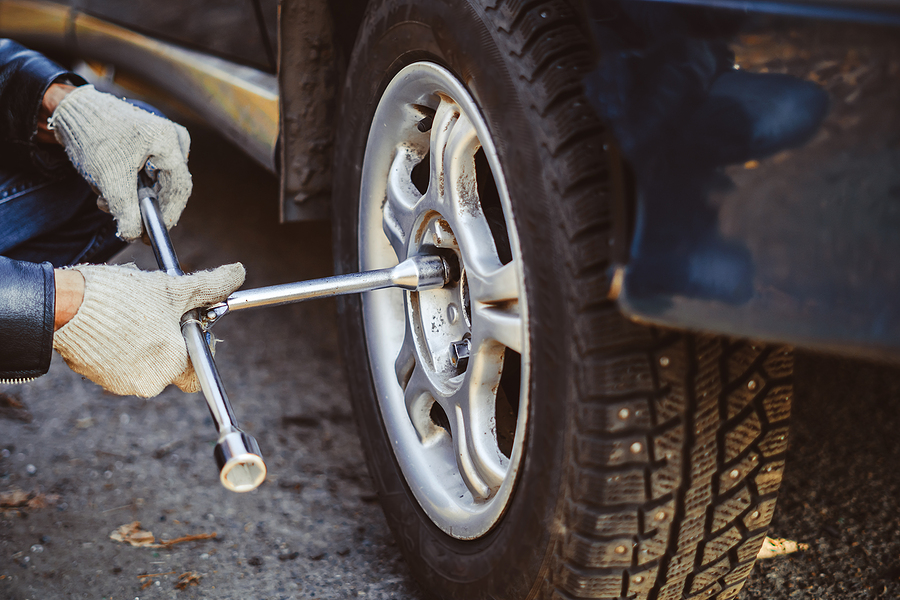
  4. Loosen the lug nuts: Before jacking up the car, use the wrench to loosen the lug nuts on the flat tire. Do not remove them yet.
  5. Lift the vehicle: Consult your owner’s manual for the correct jack points. Raise the car until the flat tire is about six inches off the ground.
  6. Swap the tires: Remove the lug nuts and the flat tire. Mount the spare tire.
  7. Tighten the nuts: Replace the lug nuts by hand. Then, use the wrench to tighten them snugly, but not fully.
  8. Lower and finish: Lower the vehicle until the tire touches the ground. Tighten the lug nuts completely in a crisscross pattern (tightening opposites rather than going in a circle) to ensure even pressure.

Remember that most vehicles today come with a “donut” or temporary spare. Experts at AAA warn that you should never drive more than 50 miles an hour on these tires, and your total driving distance should be limited to 50 miles.

Reasons to Opt for Professional Roadside Assistance

While the DIY approach is possible, there are several scenarios where calling a professional roadside assistance service is the smarter choice:

  • Safety concerns: If you are on a busy interstate or unlit road at night, stepping out of your vehicle is incredibly dangerous.
  • Physical limitations: Tires are heavy, and lug nuts can be seized tight. Changing a tire requires significant physical effort.
  • Missing equipment: Many newer cars do not come with a spare tire, opting instead for inflator kits or run-flat tires.
  • Complications: If your lug nuts require a special key you can’t find, or if the wheel is rusted to the hub, you will need professional tools.

Request Immediate Roadside Assistance Service in Indy

Benefits of Roadside Assistance for Flat Tires

Utilizing a roadside assistance service transforms a stressful, dirty, and dangerous ordeal into a manageable inconvenience.

Safety: Avoiding dangerous roadside situations

The most significant benefit is your personal safety. Professional technicians are trained to set up safety cones and work in high-traffic areas. By staying inside your vehicle while they work, you drastically reduce your risk of injury.

Time-saving: Quick and efficient tire change

A professional changes tires every day. What might take you 45 minutes of struggling with a scissor jack in the rain, a technician with a hydraulic jack and impact wrench can often finish in under 15 minutes.

Expertise: Professional handling of tire issues

Sometimes, what looks like a simple flat is actually rim damage or a suspension issue. A professional can assess the situation and determine if a tire change is sufficient or if the vehicle needs to be towed to a repair shop.

Proper Equipment: Ensuring correct tools and procedures

As mentioned, many modern vehicles have specific jack points or require lock keys for the wheels. Roadside assistance providers carry universal tools and heavy-duty equipment that ensure the job is done without damaging your vehicle.

Choosing the Right Roadside Assistance Provider

Not all towing and assistance companies are created equal. When you are stranded, you need reliability.

Factors to Consider

  • Response Time: How quickly can they reach you?
  • Coverage Area: Do they service the specific highway or rural road where you are stranded?
  • Cost and Transparency: Are there hidden fees, or is the pricing flat-rate?
  • 24/7 Availability: Tire trouble doesn’t stick to business hours. You need a provider who answers the phone at 2:00 AM on a Sunday.

Questions to Ask Potential Providers

When you call for help, ask the following to ensure you are getting the right service:

  • “What is your estimated time of arrival (ETA)?”
  • “Do you have the equipment to handle my specific vehicle type (e.g., heavy-duty truck, low-profile sports car)?”
  • “Does the quote include the service call and the labor?”

What to Expect When You Call for Assistance

Being prepared for the call can speed up the process. When you contact a dispatcher, stay calm and provide clear information.

Information to Provide to the Dispatcher

Location: Be as specific as possible. Use mile markers, exit numbers, or nearby landmarks. If you are unsure, use the GPS on your smartphone to pin your location.

  • Vehicle Details: Make, model, color, and license plate number.
  • Safety Status: Tell the dispatcher if you are in a dangerous spot (e.g., the left shoulder of a highway) so they can prioritize your call.
  • Spare Tire Status: Confirm whether you have a spare tire and if it is inflated. If you don’t have a spare, you will likely need a tow rather than a tire change.

Typical Response Time and Service Procedure

Response times for flat tire emergencies vary based on traffic and weather, but a reputable local company will keep you updated. Once the technician arrives, they will secure the scene with lights or cones. They will inspect your spare tire to ensure it is safe to use before installing it. If your spare is flat or missing, they will arrange to tow your vehicle to the nearest tire shop.

In Summary

A flat tire is a disruption, but it doesn’t have to be a disaster. Whether you choose to change the tire yourself or call for help, understanding the risks and the proper procedures is vital. However, for the sake of speed, convenience, and—most importantly—your safety, professional roadside assistance is often the best route.

If you find yourself stranded with a flat, don’t risk your safety on the side of the road. We provide 24-hour roadside assistance in Indianapolis and throughout Central Indiana. Call Us Now for fast, reliable service to get you back on the road safely.

Related Post: Prevent and Prepare: A Guide to Flat Tire Emergencies

When Your Car Slides Off the Road and Gets Stuck: A Complete Recovery Guide

The moment your vehicle loses traction and slides off the road can be terrifying. Your heart pounds as you grip the steering wheel, watching helplessly as your car veers into a ditch, snowbank, or muddy shoulder. While this situation feels overwhelming, taking the right steps immediately after can make the difference between a minor inconvenience and a dangerous ordeal.

Understanding how to respond when your car becomes stuck protects both your safety and your wallet. Whether you’re dealing with icy winter conditions, unexpected rain, or construction zones, knowing the proper recovery procedures helps you navigate this stressful situation with confidence. This guide walks you through every step, from immediate safety measures to working with professional towing services.

Most importantly, remember that your safety comes first—no vehicle is worth risking injury or putting yourself in harm’s way.

Call 317-247-8484 if You Need Car Towing in Indianapolis Indiana
Is Your Car Stuck Off the Road? Call 317-247-8484 for Fast Towing Assistance!

Immediate Safety Measures After Going Off-Road

Check for Injuries First

The moment your car stops moving, take a deep breath and assess whether anyone in the vehicle is hurt. Even minor accidents can cause injuries that aren’t immediately apparent due to adrenaline. Ask all passengers how they feel and look for any visible signs of injury before focusing on the vehicle situation.

Turn On Your Hazard Lights

Activate your hazard lights immediately to alert other drivers to your situation. This simple step significantly reduces the risk of additional accidents, especially on busy roads or during poor weather conditions. Your hazard lights serve as a beacon, warning approaching vehicles to slow down and change lanes.

Assess Your Surroundings

Before exiting the vehicle, carefully observe your surroundings. Are you in a safe location away from traffic? Is the ground stable beneath your car? Look for potential hazards like steep drops, unstable surfaces, or oncoming traffic. If you’re on a busy highway or in severe weather conditions, staying inside your vehicle may be the safest option.

Call Emergency Services if Needed

If anyone is injured, your vehicle is blocking traffic, or you’re in immediate danger, call 911 right away. Emergency responders can provide medical assistance, direct traffic around your vehicle, and coordinate with towing companies for safe recovery.

Evaluating Your Vehicle’s Condition

Perform a Visual Inspection

Once you’ve ensured everyone’s safety, carefully examine your car’s condition. Look for obvious damage to the body, bumpers, or undercarriage. Check if any fluids are leaking onto the ground, which could indicate serious mechanical problems. Pay special attention to your tires—are they flat, damaged, or simply stuck?

Check Your Vehicle’s Position

Understanding how your car is positioned helps determine the best recovery approach. Is it sitting level, or is one side significantly lower than the other? Are all four wheels touching solid ground, or is your vehicle high-centered on a rock or snow pile? This assessment guides whether you can attempt self-recovery or need professional towing assistance.

Test Basic Functions

If your car appears undamaged, try starting the engine and testing basic functions like lights, wipers, and steering. However, avoid attempting to drive until you’re certain the path is safe and your vehicle is mechanically sound.

Basic Recovery Techniques to Try First

Clear Away Obstacles

Before attempting any recovery, remove debris, snow, ice, or mud from around your tires. Use whatever tools you have available—a shovel from your emergency kit works best, but even a sturdy piece of cardboard can help. Focus on creating a clear path in the direction you want to move.

Improve Traction Naturally

If you have cat litter, sand, or traction mats in your emergency roadside kit, place them under and in front of your drive wheels. These materials provide the grip your tires need to gain traction. Rock salt can also help melt ice, though it takes time to work effectively.

Try Gentle Acceleration

With obstacles cleared and traction aids in place, attempt to move your vehicle using gentle, steady pressure on the accelerator. Avoid spinning your tires, which only digs your car deeper into soft surfaces. If you have a manual transmission, try starting in second gear to reduce wheel spin.

Rock Your Vehicle

Sometimes gently rocking your car back and forth can help it gain enough momentum to break free. Shift between drive and reverse while applying light pressure to the accelerator. This technique works best on level ground with minimal obstacles.

When Professional Towing Becomes Necessary

Recognize the Warning Signs

Certain situations require professional towing and recovery services immediately. If your vehicle is severely damaged, leaking fluids, or positioned dangerously close to traffic, don’t attempt self-recovery. Similarly, if you’re stuck in deep snow, mud, or sand, or if your car is high-centered on an obstacle, professional equipment is likely necessary.

Don’t Risk Further Damage

Excessive tire spinning, aggressive rocking, or using inappropriate recovery methods can cause expensive damage to your transmission, differential, or other critical components. When basic techniques fail after a few attempts, calling a professional tow truck service protects your vehicle and your safety.

Consider Weather and Time Factors

Severe weather conditions, approaching darkness, or being stranded in an isolated area all increase the urgency of calling for professional help. Your safety is worth more than the cost of towing services, especially when environmental factors make self-recovery dangerous.

Preparing for Professional Towing Services

Contact a Reputable Towing Company

When you need professional assistance, choose a licensed and insured towing company with experience in road emergency situations. Zore’s Towing in Central Indiana, for example, specializes in emergency roadside assistance and towing and recovery services for vehicles in challenging situations.

Document the Scene

While waiting for the tow truck, take photos of your vehicle’s position, any visible damage, and the surrounding area. This documentation proves valuable for insurance claims and helps the towing operator understand the situation before arrival.

Gather Important Information

Have your vehicle registration, insurance information, and identification ready. The towing operator will need these documents, and having them organized saves time and reduces stress during an already challenging situation.

Stay Safe While Waiting

If possible, wait inside your vehicle with the doors locked and hazard lights activated. If you must exit the vehicle, stay away from traffic and wear bright or reflective clothing if available. Keep your emergency kit accessible, including items like a flashlight, blanket, and first aid supplies.

Request Immediate Towing Help in Indianapolis

Understanding Insurance and Financial Considerations

Review Your Coverage Options

Many auto insurance policies include roadside assistance coverage that reimburses towing costs up to certain limits. Contact your insurance provider promptly to understand your coverage and begin the claims process. Even if you don’t have specific roadside assistance, comprehensive coverage may apply to certain situations.

Document Everything for Claims

Keep detailed records of the incident, including photos, receipts from towing services, and any repair estimates. This documentation supports your insurance claim and ensures accurate processing. Note the time, weather conditions, and circumstances that led to your vehicle going off the road.

Understand Your Financial Responsibilities

Even with insurance coverage, you may be responsible for deductibles or costs exceeding your policy limits. Discuss payment options with your towing company upfront to avoid surprises and ensure you can access necessary services.

Post-Recovery Vehicle Inspection

Schedule a Professional Assessment

After your vehicle is recovered, have it thoroughly inspected by a qualified mechanic, even if no damage is visible. Off-road incidents can cause alignment issues, suspension damage, or other problems that aren’t immediately apparent but could lead to safety issues or expensive repairs later.

Check for Hidden Damage

Pay attention to how your car drives after recovery. Does it pull to one side? Are there unusual noises or vibrations? These symptoms could indicate frame damage, suspension problems, or other issues requiring professional attention.

Update Your Emergency Preparedness

Use this experience to improve your emergency preparedness. Consider adding items to your roadside kit that could have helped in your specific situation, such as better traction mats, a more powerful flashlight, or additional warm clothing for winter emergencies.

Preventing Future Off-Road Incidents

Maintain Your Vehicle Properly

Regular maintenance significantly reduces your risk of sliding off the road. Keep your tires properly inflated with adequate tread depth, maintain your braking system, and ensure your battery and fluid levels are appropriate for seasonal conditions. Consider seasonal tire changes to improve traction during winter months.

Practice Defensive Driving

Stay aware of changing road conditions and adjust your driving accordingly. Reduce speed in poor weather, maintain greater following distances, and avoid sudden movements that could cause loss of control. Keep your gas tank at least half full during winter months to prevent fuel line freezing.

Know Your Resources

Familiarize yourself with local emergency numbers and roadside assistance contacts before you need them. Program these numbers into your phone and keep a written copy in your glove compartment as backup.

Wrapping Up

Getting stuck off the road tests your preparedness and decision-making skills, but following these guidelines helps ensure your safety and minimizes potential damage. Remember that professional towing services exist to handle situations beyond your ability to resolve safely—there’s no shame in calling for help when you need it.

The investment in proper emergency equipment and professional towing services when necessary far outweighs the potential costs of injury, vehicle damage, or prolonged exposure to dangerous conditions. By staying calm, prioritizing safety, and knowing when to seek professional assistance, you can navigate these challenging situations successfully.

If you find yourself needing immediate towing and recovery assistance in Central Indiana, we are here to help. Contact Zore’s Towing for professional, reliable service that prioritizes your safety and gets you back on the road quickly.

Book Emergency Towing Service Now

Related Post: Stuck on the Shoulder? Here’s What to Do in a Roadside Emergency

Motorcycle Roadside Assistance: A Guide for Everyday Riders

Imagine being miles away from home on your motorcycle, with a flat tire or a dead battery leaving you stranded. For riders, such situations are more than just inconvenient; they can be downright stressful and potentially unsafe. This is why having a reliable motorcycle roadside assistance service is essential for peace of mind and safety on the road.

Whether you’re a daily commuter, an avid long-distance rider, or someone who simply enjoys weekend rides, understanding the value of roadside assistance can make all the difference. Here, we’ll cover common roadside issues, explain the services offered, guide you on choosing the right plan, and highlight the benefits of staying prepared.

Call 317-247-8484 For 24 Hour Motorcycle Roadside Assistance in Indianapolis Indiana

Common Motorcycle Roadside Assistance Needs for Riders

Motorcycles are incredible vehicles, but they’re also susceptible to unique challenges when out on the road. Several common issues can leave you stuck in an unexpected roadside emergency:

Flat Tires

Punctures or tire damage can bring your ride to a halt, especially if you don’t have the tools or expertise to handle a repair on the spot. Unlike cars, motorcycles do not carry spare tires, making roadside assistance essential.

Dead Batteries

Motorcycle batteries are smaller than car batteries and can drain more quickly, especially if you’ve accidentally left the lights on or your battery is nearing the end of its life.

Fuel Shortages

Running out of fuel seems like a simple problem, but it can feel daunting if you’re in an unfamiliar area or far from the nearest gas station.

Mechanical Failures

From engine trouble to issues with chains and belts, mechanical failures can leave you stranded without options. A quick towing service might be necessary to get your bike to the nearest repair shop.

Lockouts or Lost Keys

Yes, motorcycle lockouts happen too! Riders often find themselves unable to start their bike due to misplaced or damaged keys.

These scenarios highlight the crucial need for a dependable motorcycle roadside assistance plan.

Services Covered in Motorcycle Roadside Assistance

Most motorcycle roadside assistance services provide a comprehensive range of solutions tailored to the unique needs of motorcycle riders:

Towing Services

Motorbike towing is a key feature of any roadside assistance plan. Should your bike break down, a professional towing service can transport it safely to a garage or your preferred destination.

Fuel Delivery

Ran out of gas? A roadside assistance provider can deliver fuel directly to your location, so you can get moving again without stress.

Battery Boost or Replacement

Dead battery? No worries. Many plans include jump-start services or even emergency battery replacement to get you back on the road.

Flat Tire Assistance

Roadside services often include fixing a flat tire or transporting your bike to a nearby repair shop if necessary.

Lockout Support

If you’ve lost your keys or locked them in a storage compartment, assistance teams can help you gain access.

Other Emergency Assistance

Additional coverage may include services like extracting your bike from difficult terrains, emergency repairs, or even providing directions to nearby facilities in case of an emergency.

View Our Roadside Assistance Services

How to Choose the Right Provider for Motorcycle Roadside Assistance

With so many options available, it’s important to carefully evaluate providers before selecting a plan. Here are a few key factors to consider:

24/7 Availability

Look for a plan that operates around the clock. Roadside emergencies don’t keep a schedule, so you need assurance that help is always available.

Specialized Expertise

Ensure the provider has technicians trained in motorcycle-specific mechanics. Motorcycles require unique handling for both repairs and towing.

Coverage Area

Confirm that the service covers the areas you typically ride in, whether it’s within your city or across multiple states for long-distance trips.

Pricing and Flexibility

Compare pricing options to find a plan that aligns with your budget. Some services allow pay-per-use options, while others provide annual subscriptions.

Response Time

When you’re stuck on the side of the road, time is of the essence. Providers with fast dispatch and service times are worth prioritizing.

Why Motorcycle Roadside Assistance is Worth It

Investing in a motorcycle roadside assistance plan comes with a host of advantages:

Cost Savings

Unexpected roadside emergencies can lead to costly out-of-pocket expenses for towing, repairs, or replacements. A subscription plan reduces these unexpected expenses significantly.

Safety and Peace of Mind

Breaking down in a remote area can be intimidating. Knowing that professional help is just a phone call away provides unmatched peace of mind.

Convenience

Roadside assistance takes the stress out of trying to resolve an emergency situation yourself. From lockout services to fuel delivery, the convenience saves you both time and frustration.

Extended Trip Confidence

For long-distance riders, having a roadside assistance plan means you can fully enjoy the adventure without constantly worrying about what could go wrong.

Professional Service

Trained technicians ensure that your motorcycle is handled with care, whether it’s a minor adjustment or a full tow.

Frequent Questions About Motorcycle Roadside Assistance

What does motorcycle roadside assistance cover? 

Services typically include towing, fuel delivery, battery jump-starts, flat tire support, and lockout assistance.

How quickly can I expect help to arrive? 

Response times vary by provider, but reputable services strive to dispatch assistance within 30 to 60 minutes in most areas.

Is my motorcycle eligible for roadside assistance? 

Most plans cover standard motorcycles, but it’s best to check with the provider. Some may have restrictions based on the bike’s age or type.

What should I do while waiting for assistance? 

Ensure your safety first. Move your motorcycle to the side of the road (if possible), turn on hazard lights, and stay visible while waiting.

Can roadside assistance fix flat tires? 

Some providers offer tire repair services on-site, while others may tow your motorcycle to the nearest repair shop.

Are there restrictions on the type of motorcycles covered? 

Coverage can vary, so confirm that your make and model are eligible. Some plans may not cover specialized or custom bikes.

How is motorcycle roadside assistance different from car roadside assistance? 

Motorcycle roadside assistance includes services tailored to the specific needs of motorcycles, such as specialized towing or tire repair that wouldn’t apply to cars.

Stay Prepared for the Road Ahead

Motorcycling is all about freedom and adventure, but unexpected breakdowns can take the joy out of any ride. A motorcycle roadside assistance plan ensures you’re protected wherever the road takes you. From towing to tire repairs, it combines convenience, safety, and cost savings.

Don’t wait until you’re stranded to take action. Call Zore’s Towing for immediate motorcycle roadside assistance in Central Indiana. With 24/7 service, you can enjoy the peace of mind that comes with being fully protected for any roadside emergency.

Request Service or Quote Now

Related Post: Navigate Motorcycle Towing: Tips, Services, and Emergencies

Roadside Assistance 101: When to Call a Tow Truck

Car trouble is often the last thing anyone expects during their daily commute or a long road trip. It sneaks up on you, leaving you stranded and stressed, especially if you’re far from home. Knowing when you need roadside assistance and how to handle unexpected car troubles can save you both time and frustration.

This guide covers the most common roadside emergencies, steps to take before calling for help, and what to look for in a roadside assistance service. By the end of this blog, you’ll be empowered to face car troubles like a pro and know exactly when to call a tow truck.

Call 317-247-8484 For Roadside Assistance  in and Around Indianapolis
Call 317-247-8484 For Roadside Assistance in Central Indiana

Common Situations for Calling a Tow Truck 

Not every roadside incident requires professional help, but certain situations make calling a tow truck essential. Here are the most common scenarios:

Flat Tire 

Flat tires are among the leading reasons drivers require roadside assistance. If you don’t have a spare tire on hand or lack the tools or knowledge to change it, a tow truck is your best bet. Many roadside assistance services can even replace the tire for you on-site, minimizing downtime.

Locked Keys in the Car 

Accidentally locking your keys inside your car can happen to anyone. While this might seem like an embarrassing mistake, it’s incredibly common. Roadside assistance technicians are equipped to unlock vehicles quickly without damaging your car.

Dead Battery 

Picture this: you’re ready to leave after a long day only to find your battery has died. Whether from leaving the lights on or an older battery reaching the end of its life, this is a frustrating experience. Emergency roadside assistance often includes jump-start services or battery replacement to get you back on the road.

Running Out of Gas 

We’ve all pushed our gas tank a bit too far, but running out of fuel entirely can leave you stranded. Many towing services offer fuel delivery, saving you the trip to the gas station.

Engine Overheating 

If your car’s engine overheats, it’s not something you should ignore. Driving with an overheated engine can cause severe damage. When your temperature gauge climbs too high, pull over safely and call a towing service for help.

Mechanical Failure 

A sudden clunk, grinding noise, or inability to shift gears could spell mechanical trouble. Common failures include broken serpentine belts, alternator issues, or transmission malfunctions. A tow truck can take you to the nearest repair shop to address the issue.

Stuck in a Ditch 

Slippery roads, snow, or misjudging a turn can leave you stuck in a ditch or other precarious situations. Tow trucks aren’t just for towing; they’re equipped to winch your vehicle safely out of stuck positions.

Accident 

Perhaps the most critical scenario for calling a tow truck is after an accident. Whether your car is heavily damaged or only mildly dented, professional towing services can safely transport your vehicle to a repair shop, leaving you to focus on your safety and well-being.

Contact Us Now for Immediate Assistance!

Assessing Your Roadside Emergency Situation 

Before reaching for the phone to call roadside assistance, take a moment to assess your situation. Here are a few steps to follow to ensure your safety while waiting for help:

1. Move to a Safe Location

If possible, steer your car to the shoulder of the road or an area away from traffic. Turn on your hazard lights to alert other drivers.

2. Use Your Car Safety Kit

A well-prepared car safety kit is your first line of defense. Items to include:

  • Reflective warning triangles
  • Flashlight with extra batteries
  • Jumper cables
  • Basic tools like a screwdriver and pliers
  • First-aid kit
  • Emergency blankets
  • Portable phone charger

3. Gather Information

Note your location (landmarks, mile markers, or GPS coordinates) and the condition of your vehicle. This information helps the towing service respond quickly and adequately.

4. Call for Help

Contact a trusted emergency roadside assistance provider. Provide accurate details so they can send the right resources for your situation. Choose Zore’s Towing in Indianapolis for fast and affordable service.

5. Stay Safe While You Wait

Stay inside your car if you’re on a busy highway or in a high-traffic area. Keep an eye on your surroundings, and only exit the vehicle if it’s completely safe to do so.

Choosing a Roadside Assistance Provider 

Not all roadside assistance services are created equal. When deciding which provider to trust, keep the following factors in mind:

24/7 Availability

Car troubles don’t follow a schedule. Opt for a provider that operates round the clock, ensuring help is just a phone call away no matter the time.

Rapid Response Time

A delayed response can turn a minor inconvenience into a significant setback. Choose a service known for quick dispatch and minimal wait times.

Wide Service Area

Whether you’re driving in the city or on remote highways, your provider should have extensive coverage.

Transparent Pricing

There’s nothing worse than being caught off guard by hidden fees. Look for services with straightforward pricing for peace of mind.

Skilled Technicians

Ensure the provider employs trained professionals capable of addressing a range of car troubles.

Customer Reviews and Reputation

Check online reviews and testimonials to gauge reliability and customer satisfaction.

Additional Perks

Some services include extras like discounts for members, complimentary tire changes, or even hotel accommodations if necessary.

Our roadside assistance service ticks all these boxes, combining reliability, expertise, and customer-centric care to turn stressful car troubles into manageable situations.

In Summary

Car trouble can strike when you least expect it, but knowing when to call a tow truck and having a reliable roadside assistance plan can make all the difference. Whether it’s a flat tire, a dead battery, or a mechanical failure, these tips will help you stay prepared and handle the situation safely and effectively.

Don’t wait until you’re stuck on the side of the road. Contact Zore’s Towing at 317-247-8484 for 24-hour roadside assistance and take the stress out of unexpected car emergencies. Stay safe, stay prepared, and drive with confidence. 

Get a Free Roadside Assistance Quote

Related Post: Roadside Assistance Exposed: Myths and Truths Every Driver Should Know

Hit a Pothole? How Roadside Assistance Service Can Help 

Potholes are the nemesis of every driver. Whether you commute daily, enjoy weekend road trips, or simply run errands downtown, encountering these road hazards is nearly unavoidable. Every year, drivers across the United States deal with the aftermath of pothole-related vehicle damage, ranging from minor inconveniences to costly repairs. If you’ve hit a pothole and aren’t sure what to do next, don’t panic—we’ve got you covered. Below, we’ll talk about common pothole damages, what to do after hitting one, and how a roadside assistance service can make all the difference when it comes to dealing with unexpected vehicle issues. 

Call 317-247-8484 For 24 Hour Roadside Assistance Service in Indianapolis and Central Indiana

Common Damages from Pothole Accidents 

Hitting a pothole might seem like just a jolt, but the repercussions can be far more serious than they appear at first. Beyond the initial shock, pothole impacts can cause hidden damage to your vehicle that may lead to costly repairs down the line. Here are some of the most common issues caused by pothole impacts and why they shouldn’t be ignored:

Tire Punctures or Blown Tires 

Potholes often have hard, sharp edges that can puncture your tires or cause a sudden blowout. A blown tire can leave you stranded on the side of the road and require immediate flat tire repair or replacement. 

Bent Rim 

The impact of hitting a pothole can also bend your vehicle’s rim, causing improper tire alignment and a rough ride. Driving on a bent rim can lead to further damage to your tires and suspension system. 

Suspension and Alignment Issues 

Potholes don’t just affect your wheels. They can also damage your car’s suspension, leading to issues like uneven tire wear or trouble steering. You may also notice your car pulling to one side, a clear sign of alignment problems. 

Undercarriage Damage 

Severe potholes can even damage the undercarriage of your vehicle, scraping or denting essential components like the exhaust system or oil pan. 

Immediate Actions After Hitting a Pothole 

If you’ve hit a pothole, taking the right steps can save you time, money, and further stress. Here’s what you should do immediately after the incident:

1. Pull Over Safely 

Find a safe place to stop and assess your vehicle. Driving further with damage can worsen the situation. Before getting out of your vehicle, be sure there is no oncoming traffic.

2. Inspect for Visible Damage 

Check for obvious issues like a flat tire, bent rims, or fluid leaks. Don’t forget to listen for unusual noises, which could indicate internal damage. 

3. Document the Incident 

Take pictures of the pothole and any damage to your vehicle. These photos can be helpful if you plan to file an insurance claim or report the pothole to your local authorities. 

4.Check Your Emergency Kit 

A well-stocked roadside emergency kit can be a lifesaver in these situations. Make sure you have essentials like a spare tire, jack, flashlight, and first aid supplies. 

5. Call for Help 

If the damage is significant or you’re not confident performing repairs yourself, contact a roadside assistance company in Indianapolis for help. 

The Role of Professional Roadside Assistance 

When a pothole damages your car, it can be both frustrating and inconvenient. A roadside assistance company can be your best ally in these situations, offering support when you need it most. Whether it’s a flat tire caused by the impact or damage to your vehicle’s alignment, these services are designed to help you get back on the road quickly and safely.

From towing your car to the nearest repair shop to providing on-the-spot fixes like tire changes or temporary solutions, roadside assistance ensures you’re not stranded and can continue your journey with peace of mind. Here’s how these services can help:

☑ Towing Services 

If the pothole damage has left your vehicle undriveable, roadside assistance can arrange for emergency towing to a nearby repair shop. 

☑ Flat Tire Repair or Replacement 

Many roadside assistance providers offer tire-changing services, helping you replace a blown tire with your spare on the spot. 

☑ Emergency Repairs 

Some roadside assistance companies offer basic on-site repairs that can temporarily address issues like minor suspension damage or loose components. 

☑ Peace of Mind 

When you call for roadside assistance, you’re not just getting help with your car; you’re gaining peace of mind knowing that professionals will handle the situation. 

Choosing the Right Roadside Assistance Provider 

Not all roadside assistance service providers are created equal. Here are some factors to consider when selecting a service:

  • Service Options: Look for a provider that offers a wide range of services, including towing, tire changes, and emergency repairs. 
  • Availability: Choose a company that provides 24/7 assistance to ensure you’re covered at any time of day. 
  • Response Time: Quick response times are essential when you’re stranded on the side of the road. 
  • Customer Reviews: Check online reviews to learn about the experiences of other customers. 
  • Additional Perks: Some companies offer extras like discounts on repairs or membership benefits for frequent users. 

How to Report a Pothole in Indianapolis 

Fixing potholes not only prevents future damages but also ensures safer roads for everyone. The city of Indianapolis makes it easy for drivers to report these problems. Here’s how:

  1. Request Indy Online Portal: Visit the official Request Indy portal and follow the instructions to submit a pothole report. 
  2. Call Indy 311: Dial 311 to speak directly with a city representative, who will log your report and provide further guidance. 
  3. Mobile App: Download the Request Indy app on your smartphone for a convenient way to report potholes while on the go. 

This proactive step not only benefits your fellow drivers but also reduces the risk of future vehicle damage for yourself. 

In Summary

While potholes might be inevitable, the way you prepare for and respond to them can make a world of difference. Keep your roadside emergency kit stocked, familiarize yourself with reliable roadside assistance companies, and take note of pothole reporting resources in your area. 

By staying proactive and informed, you’re not just protecting your vehicle but also contributing to safer roads for everyone. And if you’re in Indiana, having a trusted roadside assistance company at your service makes all the difference. 

Don’t wait until the unexpected happens. Find a roadside assistance provider that fits your needs and enjoy peace of mind on every drive. Contact Zore’s Towing at 317-247-8484 for 24 hour roadside assistance services in Indianapolis and its surrounding areas. We serve over 30 central Indiana counties, 24 hours a day and 365 days a year.

Related Posts:

Top Alternatives to Having a Spare Tire
Roadside Assistance Exposed: Myths and Truths Every Driver Should Know
A Guide to Roadside Assistance: What You Should Know