
The sound is unmistakable—a rhythmic thumping, a sudden vibration in the steering wheel, or the feeling of your vehicle pulling aggressively to one side. A flat tire is more than just an inconvenience; it is a disruption that can leave you stranded on the side of a busy highway or an isolated back road.
While modern vehicles are safer than ever, tires remain the single point of contact between your car and the road. When that contact is compromised, your safety is at risk. Whether you are a seasoned driver or new to the road, knowing how to handle a blowout or a slow leak is essential knowledge.
This guide explores everything you need to know about managing a flat tire situation. We will cover how to recognize the warning signs, the step-by-step process of changing a tire yourself, and why professional roadside assistance is often the safest and most efficient choice.
Understanding Flat Tires and Blowouts
Before you can fix the problem, you need to understand what caused it. Tires are durable, but they aren’t invincible. The most common culprit is a puncture from sharp objects like nails, screws, or glass. However, damage to the valve stem (the small tube used to inflate the tire) or simple wear and tear can also lead to air loss.
Sometimes, the issue isn’t an external object but neglect. According to the National Highway Traffic Safety Administration (NHTSA), 646 people died on the road in 2023 in tire-related crashes. Poor maintenance, such as underinflation or failing to rotate tires, significantly increases the risk of a blowout.
How To Tell If You Have a Flat While Driving
Recognizing a flat tire early can prevent an accident. If a front tire goes flat, you will likely feel the force in the steering wheel; it may become difficult to turn or pull hard to the left or right. If a rear tire fails, you will feel it more in the seat or the body of the vehicle.
Modern vehicles (model year 2008 and newer) are equipped with a Tire Pressure Monitoring System (TPMS). If the TPMS symbol—an exclamation point inside a horseshoe shape—illuminates on your dashboard, it means at least one tire is significantly underinflated.
DIY vs. Professional Help
When you realize you have a flat, your first instinct might be to fix it yourself. While changing a tire is a valuable skill, it isn’t always the safest option.
How to Change a Flat Tire Safely
If you decide to perform the change yourself, safety must be your priority. Never attempt to change a tire on a narrow shoulder or a busy highway.
- Find a safe location: Pull over to a flat, level surface away from traffic. Turn on your hazard lights immediately.
- Secure the vehicle: Apply the parking brake. If you have wheel chocks, place them behind the wheels to prevent rolling.
- Gather equipment: Locate your jack, lug wrench, and spare tire.
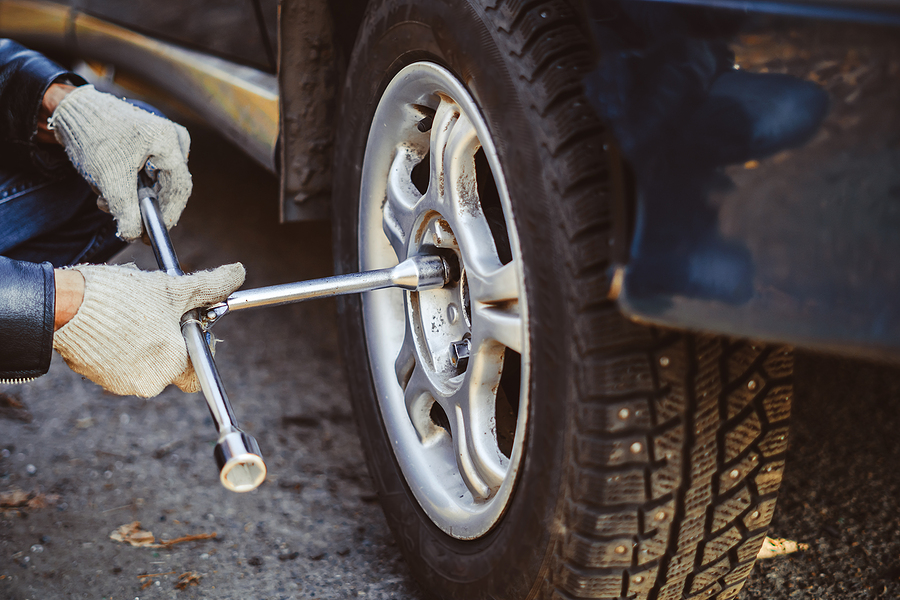
- Loosen the lug nuts: Before jacking up the car, use the wrench to loosen the lug nuts on the flat tire. Do not remove them yet.
- Lift the vehicle: Consult your owner’s manual for the correct jack points. Raise the car until the flat tire is about six inches off the ground.
- Swap the tires: Remove the lug nuts and the flat tire. Mount the spare tire.
- Tighten the nuts: Replace the lug nuts by hand. Then, use the wrench to tighten them snugly, but not fully.
- Lower and finish: Lower the vehicle until the tire touches the ground. Tighten the lug nuts completely in a crisscross pattern (tightening opposites rather than going in a circle) to ensure even pressure.
Remember that most vehicles today come with a “donut” or temporary spare. Experts at AAA warn that you should never drive more than 50 miles an hour on these tires, and your total driving distance should be limited to 50 miles.
Reasons to Opt for Professional Roadside Assistance
While the DIY approach is possible, there are several scenarios where calling a professional roadside assistance service is the smarter choice:
- Safety concerns: If you are on a busy interstate or unlit road at night, stepping out of your vehicle is incredibly dangerous.
- Physical limitations: Tires are heavy, and lug nuts can be seized tight. Changing a tire requires significant physical effort.
- Missing equipment: Many newer cars do not come with a spare tire, opting instead for inflator kits or run-flat tires.
- Complications: If your lug nuts require a special key you can’t find, or if the wheel is rusted to the hub, you will need professional tools.
Request Immediate Roadside Assistance Service in Indy ✅
Benefits of Roadside Assistance for Flat Tires
Utilizing a roadside assistance service transforms a stressful, dirty, and dangerous ordeal into a manageable inconvenience.
Safety: Avoiding dangerous roadside situations
The most significant benefit is your personal safety. Professional technicians are trained to set up safety cones and work in high-traffic areas. By staying inside your vehicle while they work, you drastically reduce your risk of injury.
Time-saving: Quick and efficient tire change
A professional changes tires every day. What might take you 45 minutes of struggling with a scissor jack in the rain, a technician with a hydraulic jack and impact wrench can often finish in under 15 minutes.
Expertise: Professional handling of tire issues
Sometimes, what looks like a simple flat is actually rim damage or a suspension issue. A professional can assess the situation and determine if a tire change is sufficient or if the vehicle needs to be towed to a repair shop.
Proper Equipment: Ensuring correct tools and procedures
As mentioned, many modern vehicles have specific jack points or require lock keys for the wheels. Roadside assistance providers carry universal tools and heavy-duty equipment that ensure the job is done without damaging your vehicle.
Choosing the Right Roadside Assistance Provider
Not all towing and assistance companies are created equal. When you are stranded, you need reliability.
Factors to Consider
- Response Time: How quickly can they reach you?
- Coverage Area: Do they service the specific highway or rural road where you are stranded?
- Cost and Transparency: Are there hidden fees, or is the pricing flat-rate?
- 24/7 Availability: Tire trouble doesn’t stick to business hours. You need a provider who answers the phone at 2:00 AM on a Sunday.
Questions to Ask Potential Providers
When you call for help, ask the following to ensure you are getting the right service:
- “What is your estimated time of arrival (ETA)?”
- “Do you have the equipment to handle my specific vehicle type (e.g., heavy-duty truck, low-profile sports car)?”
- “Does the quote include the service call and the labor?”
What to Expect When You Call for Assistance
Being prepared for the call can speed up the process. When you contact a dispatcher, stay calm and provide clear information.
Information to Provide to the Dispatcher
Location: Be as specific as possible. Use mile markers, exit numbers, or nearby landmarks. If you are unsure, use the GPS on your smartphone to pin your location.
- Vehicle Details: Make, model, color, and license plate number.
- Safety Status: Tell the dispatcher if you are in a dangerous spot (e.g., the left shoulder of a highway) so they can prioritize your call.
- Spare Tire Status: Confirm whether you have a spare tire and if it is inflated. If you don’t have a spare, you will likely need a tow rather than a tire change.
Typical Response Time and Service Procedure
Response times for flat tire emergencies vary based on traffic and weather, but a reputable local company will keep you updated. Once the technician arrives, they will secure the scene with lights or cones. They will inspect your spare tire to ensure it is safe to use before installing it. If your spare is flat or missing, they will arrange to tow your vehicle to the nearest tire shop.
In Summary
A flat tire is a disruption, but it doesn’t have to be a disaster. Whether you choose to change the tire yourself or call for help, understanding the risks and the proper procedures is vital. However, for the sake of speed, convenience, and—most importantly—your safety, professional roadside assistance is often the best route.
If you find yourself stranded with a flat, don’t risk your safety on the side of the road. We provide 24-hour roadside assistance in Indianapolis and throughout Central Indiana. Call Us Now for fast, reliable service to get you back on the road safely.
Related Post: Prevent and Prepare: A Guide to Flat Tire Emergencies