
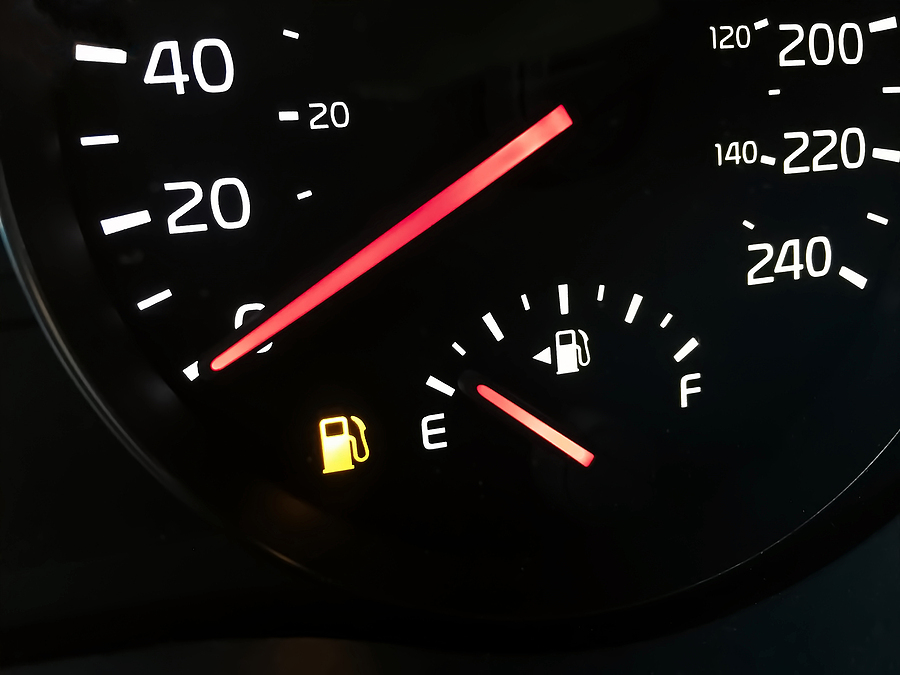
The engine sputters, the power steering stiffens, and your heart sinks. You glance at the dashboard, hoping it’s a mechanical glitch, but the fuel gauge needle is buried firmly below the “E.” You are officially out of gas.
Whether you are navigating the loop on I-465 during rush hour or cruising a quiet backroad in Hamilton County, running out of fuel is a frustrating and vulnerable experience. It turns a routine commute into an immediate logistical nightmare. The anxiety of being stranded is compounded by the danger of passing traffic and the uncertainty of how you will get moving again.
Fortunately, modern roadside assistance has evolved beyond just tow trucks and tire changes. Emergency fuel delivery services offer a lifeline for stranded motorists, bringing the gas station to you so you can get back on the road safely and quickly. Understanding how this service works—and why it is often a smarter choice than walking to the nearest pump—can save you money, time, and significant stress.
Why Do Drivers Run Out of Gas?
It is easy to assume that running out of fuel is the result of poor planning, but it happens to seasoned drivers and careful planners alike. Life gets in the way, and small variables can leave you stranded miles from your destination.
Inaccurate Fuel Gauges
In older vehicles, the fuel sender unit—the device inside the tank that measures fuel levels—can degrade over time. It might show a quarter tank remaining when you are actually running on fumes. Even in newer cars, parking on a steep incline can sometimes give a false reading, leading you to believe you have more range than you actually do.
Distracted Driving and Cognitive Load
Indianapolis traffic demands hyper-focus. Between navigating construction zones on I-69 and dodging potholes downtown, your attention is often diverted from the dashboard. When your mind is preoccupied with the road or the stress of the day, the low-fuel warning light can blend into the background until it is too late.
Miscalculating Trip Distances
We have all played the “I can make it” game. You see the warning light but calculate that you can make it to your favorite gas station near home. Unfortunately, unexpected traffic jams or detours—common occurrences in Central Indiana—can burn through that safety reserve faster than anticipated.
The Critical Benefits of Emergency Fuel Delivery
While your first instinct might be to call a friend or start walking, professional fuel delivery offers distinct advantages that go beyond simple convenience.
Immediate Safety on Hoosier Roadways
Safety is the most compelling reason to stay in your car and call for help. Walking along the shoulder of a highway like I-70 or I-65 is incredibly dangerous. High-speed traffic, low visibility, and narrow shoulders create a recipe for disaster.
According to the Indiana Department of Transportation (INDOT), more than 800 people lose their lives on Hoosier roadways each year. To combat roadside dangers, Indiana updated its “Move Over or Slow Down” law in July 2023. This law now requires motorists to change lanes or slow down when approaching any disabled vehicle displaying flashing hazard lights—not just emergency vehicles.
However, you cannot rely solely on other drivers to follow the law. By remaining inside your vehicle with your seatbelt fastened and hazards on while waiting for fuel delivery, you significantly reduce your risk of injury compared to walking along the roadside.
Convenience and Speed
Walking to a gas station is rarely a quick trip. You have to locate the nearest station, walk there (often miles away), purchase a gas can (if they even sell one), fill it, and walk back. Then, you have the struggle of pouring fuel into a modern car that might have a capless fuel system requiring a specific funnel.
Emergency fuel delivery cuts out these steps. A technician arrives at your location with the fuel you need. They handle the refueling process safely, allowing you to stay clean and dry inside your vehicle.
Cost-Effectiveness vs. Towing
If you do not utilize fuel delivery, your alternative is often a tow truck. Towing is almost always more expensive than a simple fuel drop.
According to data from J.D. Power, the average cost of towing a car is approximately $109. However, this price fluctuates based on mileage, with costs ranging between $2.50 and $7.00 per mile. If you are stranded far from a service center, that bill can escalate quickly.
In contrast, emergency fuel delivery usually incurs a flat service fee plus the cost of the fuel. If you have a roadside assistance membership, the delivery is often free, and you may only pay for the gas itself.
Get Emergency Fuel Delivery Service in Indy Right Now ✅
How Emergency Fuel Delivery Works
The process is designed to be as frictionless as possible for a stressed driver.
- Request Service: You contact your roadside assistance provider via phone or app. You will need to share your location (GPS pins are helpful) and your vehicle type.
- Specify Fuel Type: It is crucial to tell the dispatcher if your vehicle requires regular unleaded, premium, or diesel.
- Dispatch: A service vehicle is sent to your location.
- Delivery: The technician puts enough fuel in your tank—typically 2 to 3 gallons—to get you to the nearest service station where you can fill up completely.
Membership vs. Pay-Per-Use
Major auto clubs like AAA offer fuel delivery as a core benefit. For “Classic” members, the delivery service is free, but you pay the market rate for the fuel. For higher-tier members (Plus and Premier), the fuel itself is often provided at no cost.
If you do not have a membership, many local Indianapolis towing and roadside companies offer pay-per-use services. You will pay a dispatch fee, but it remains a cost-effective alternative to a full tow.
Choosing the Right Provider in Central Indiana
Not all roadside assistance is created equal. When selecting a service to keep in your contacts list, consider these factors:
- Coverage Area: Ensure the provider covers the entire Central Indiana region, from Greenwood to Carmel and Avon to Greenfield.
- Response Time: In the dead of an Indiana winter, waiting two hours for gas can be dangerous. Look for providers with a reputation for rapid dispatch.
- 24/7 Availability: Running out of gas doesn’t always happen during business hours. You need a provider who picks up the phone at 2:00 AM on a Sunday.
Conclusion
Running on empty is a mistake anyone can make, but it doesn’t have to ruin your day or endanger your life. By utilizing emergency roadside assistance fuel delivery, you choose a safer, faster, and more economical solution than braving the highway shoulder alone.
Whether you are a daily commuter on I-465 or a parent driving carpool in Fishers, knowing you have a backup plan allows you to drive with confidence. Don’t let a moment of forgetfulness leave you stranded—help is just a phone call away.
Need help now? If you are stranded in Indianapolis or the surrounding Central Indiana area, don’t risk walking for gas. Contact Us Now to request 24-hour roadside assistance service. We will get fuel to you fast so you can get back to your destination safely.
Related Post: Fuel Delivery Service: What To Do If You Run Out of Gas on the Road