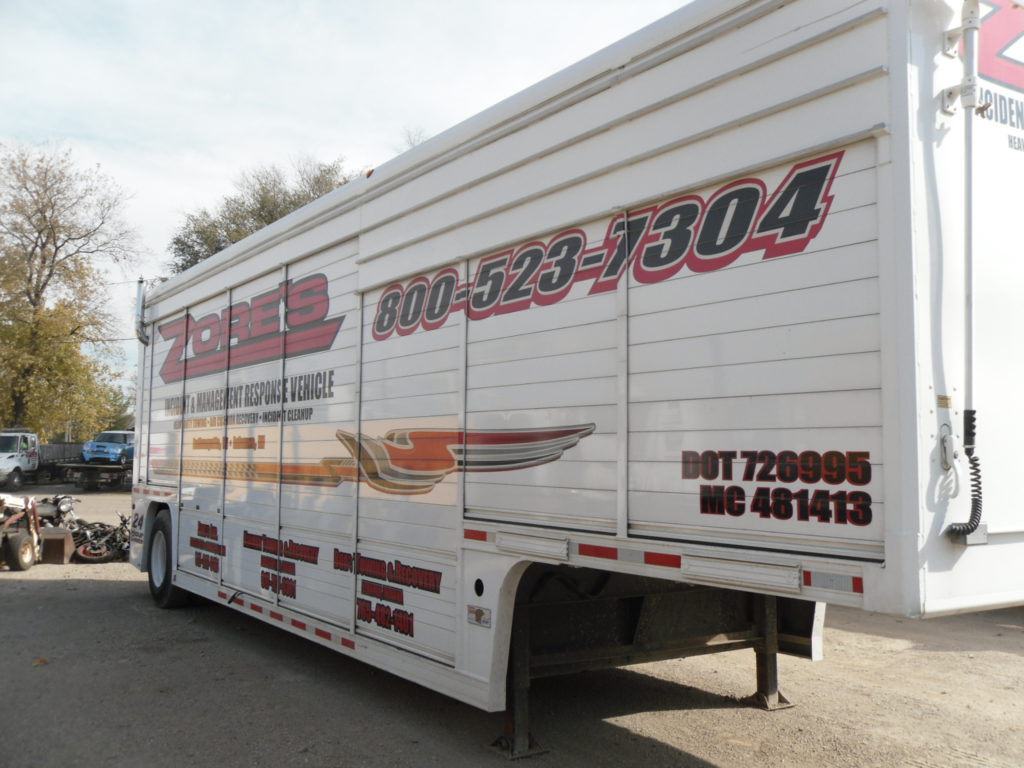
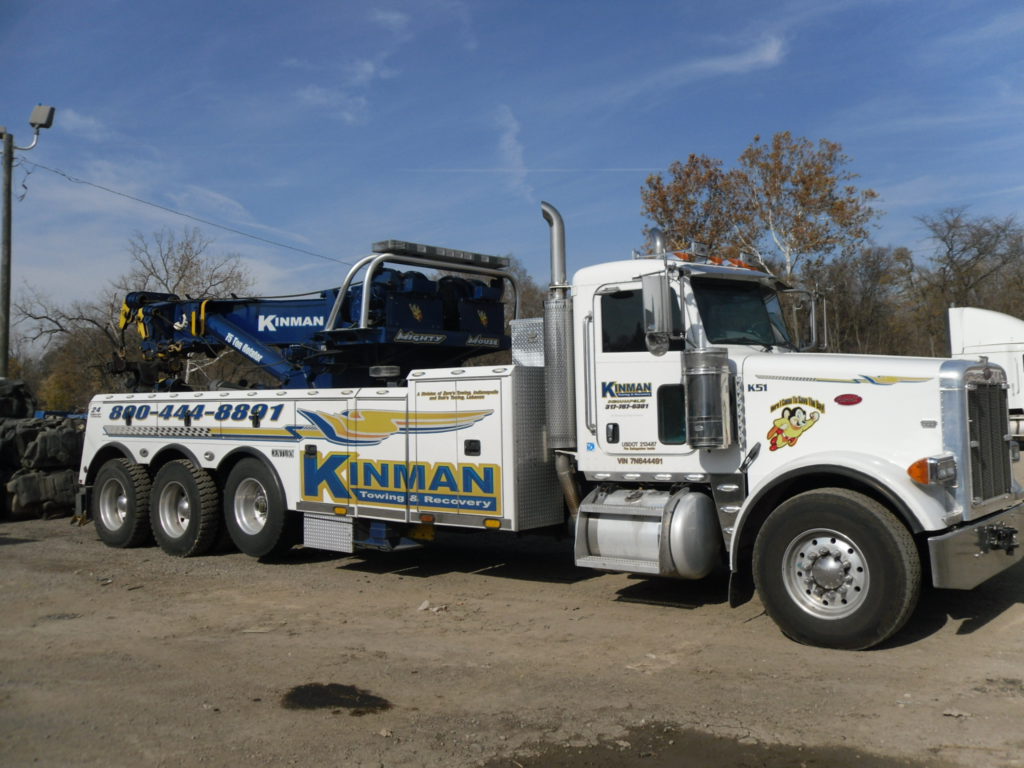
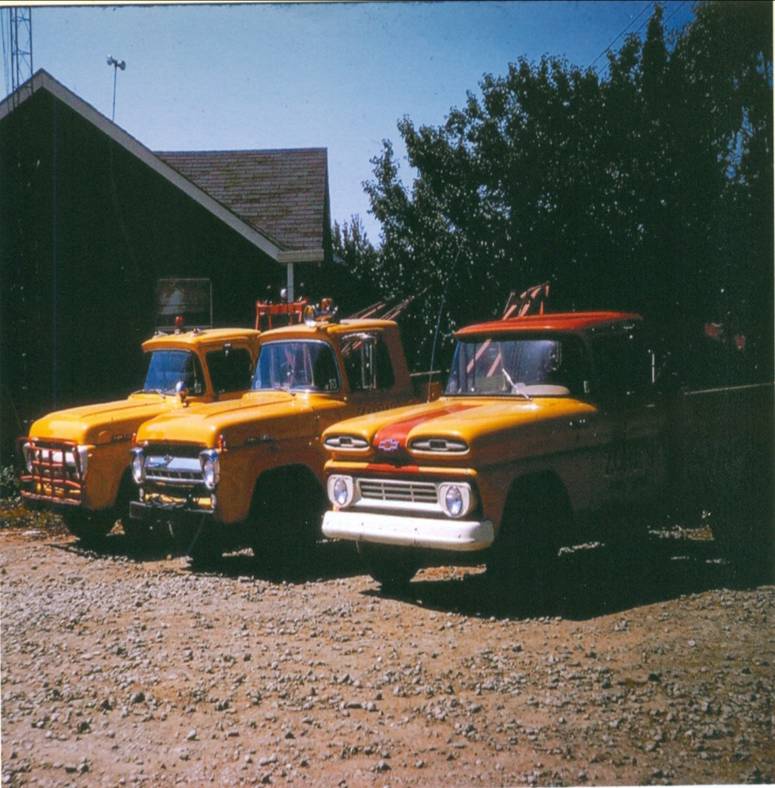
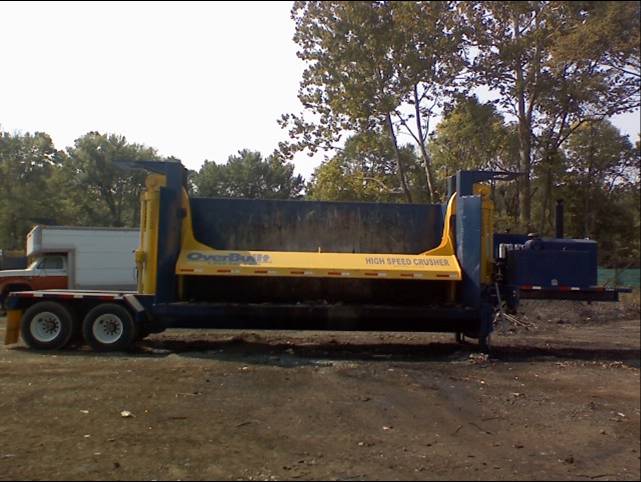
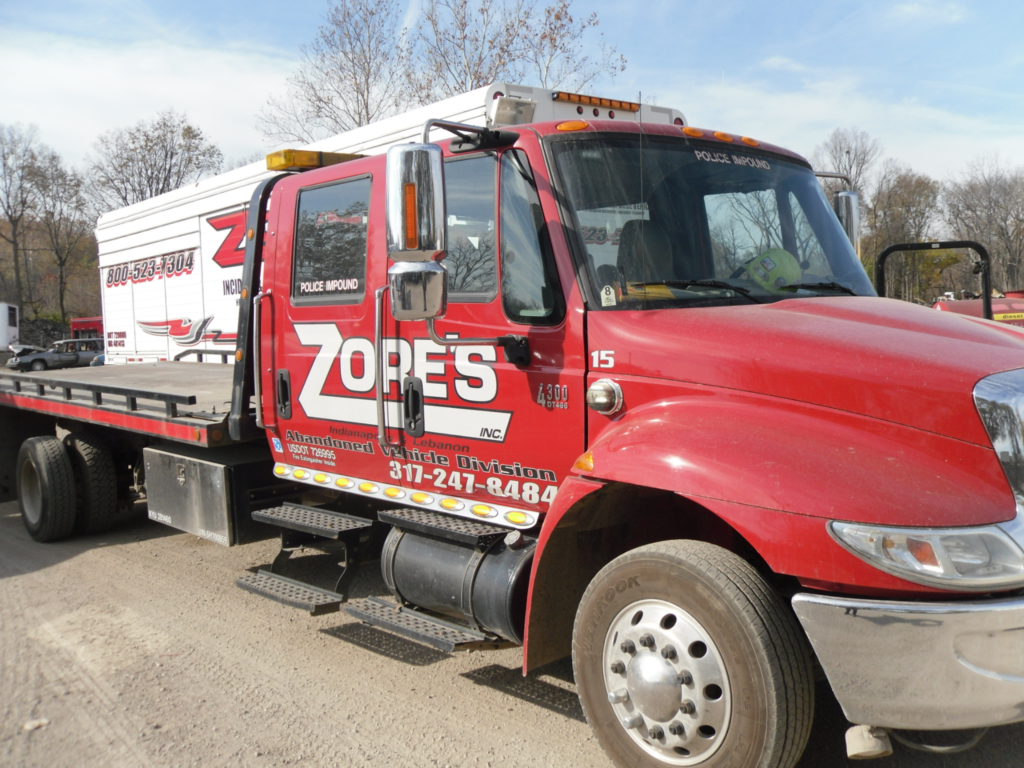
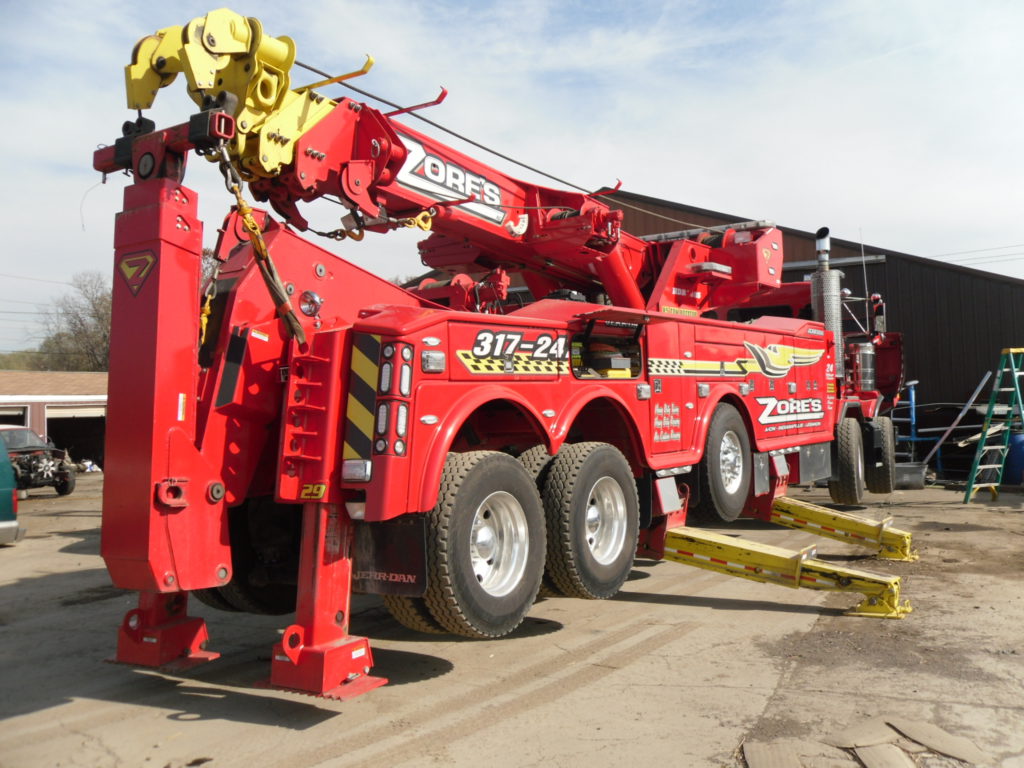
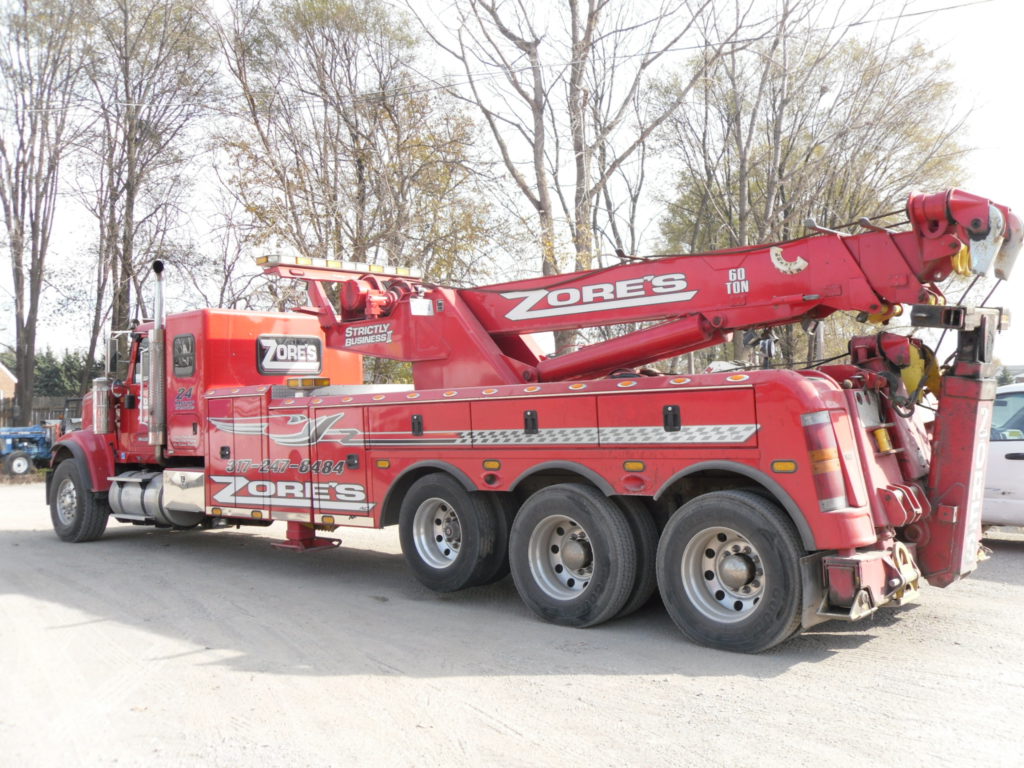
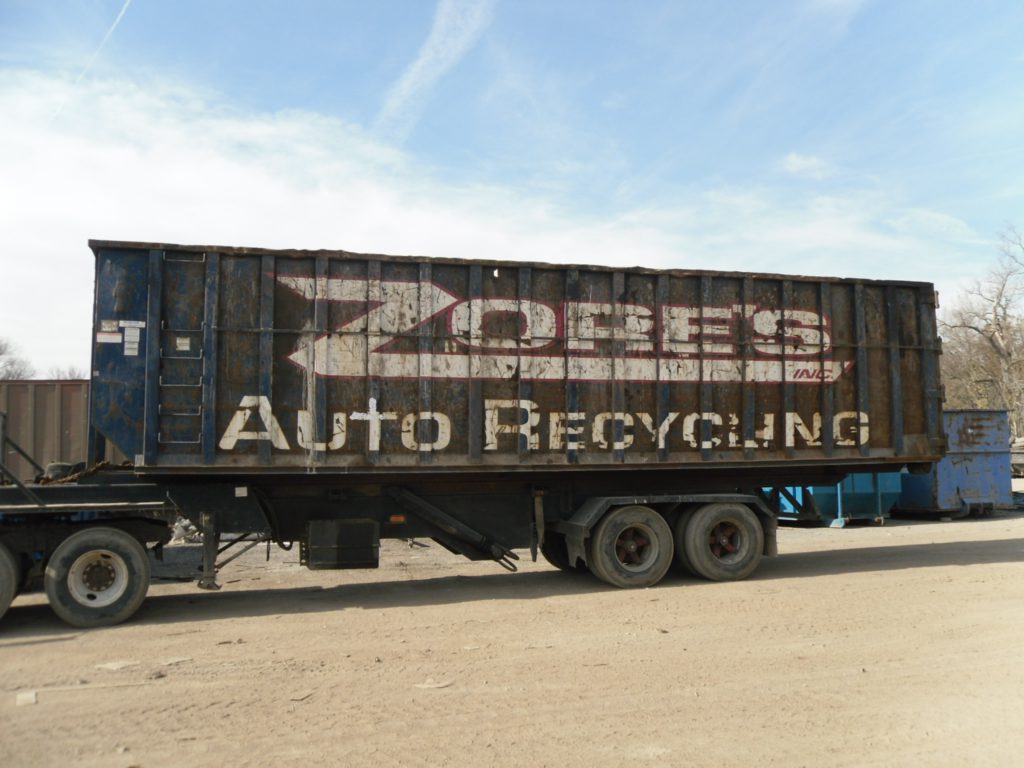
When you call on Zore’s Towing for tow truck service, roadside assistance, recovery, or even municipal and city training programs, you can trust that you have enlisted the right group of professionals for the job. There are hundreds of towing companies throughout Central Indiana you can choose from, but here at Zore’s, we set ourselves apart from our competition by maintaining the latest technologies and resources in the industry, as well as, fine-tuning our skills as wrecker operators.
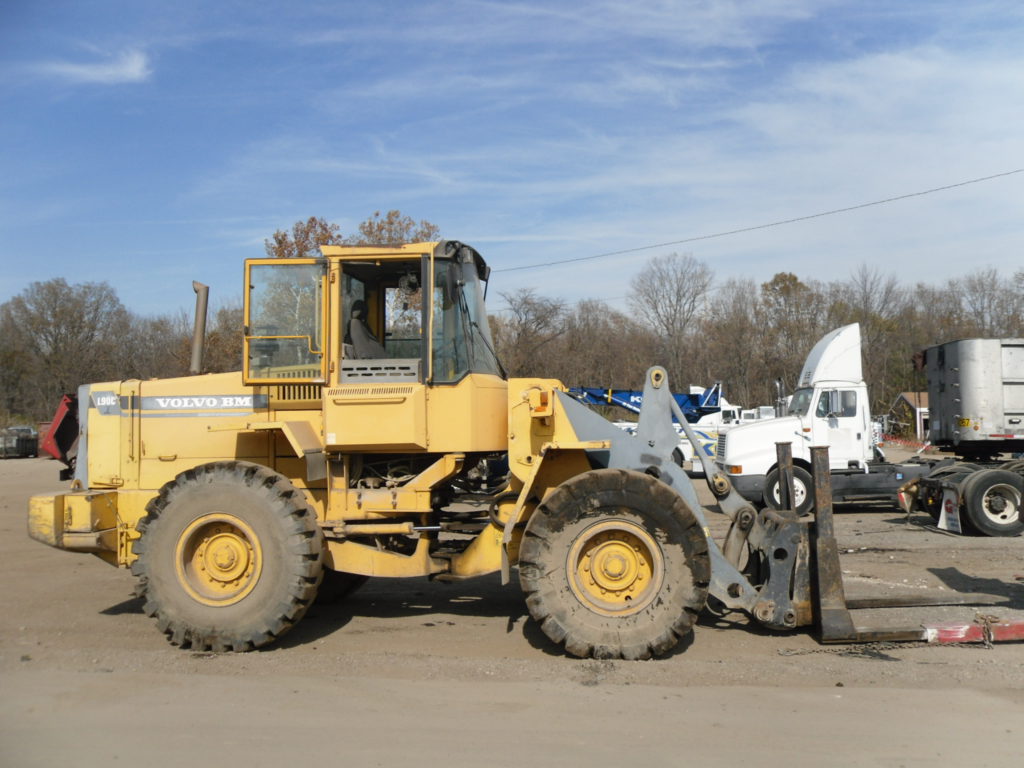
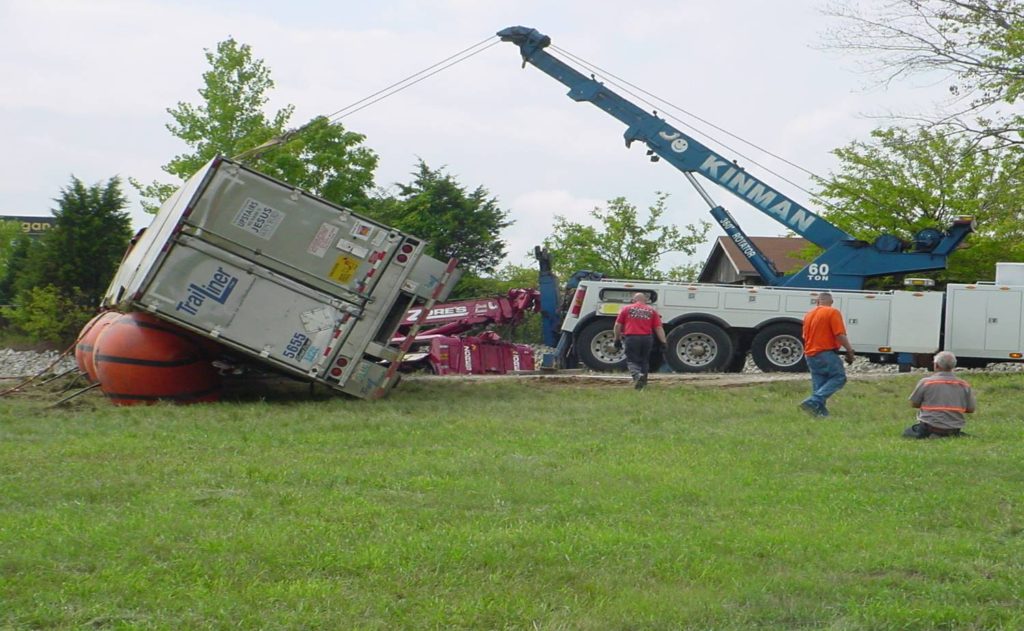
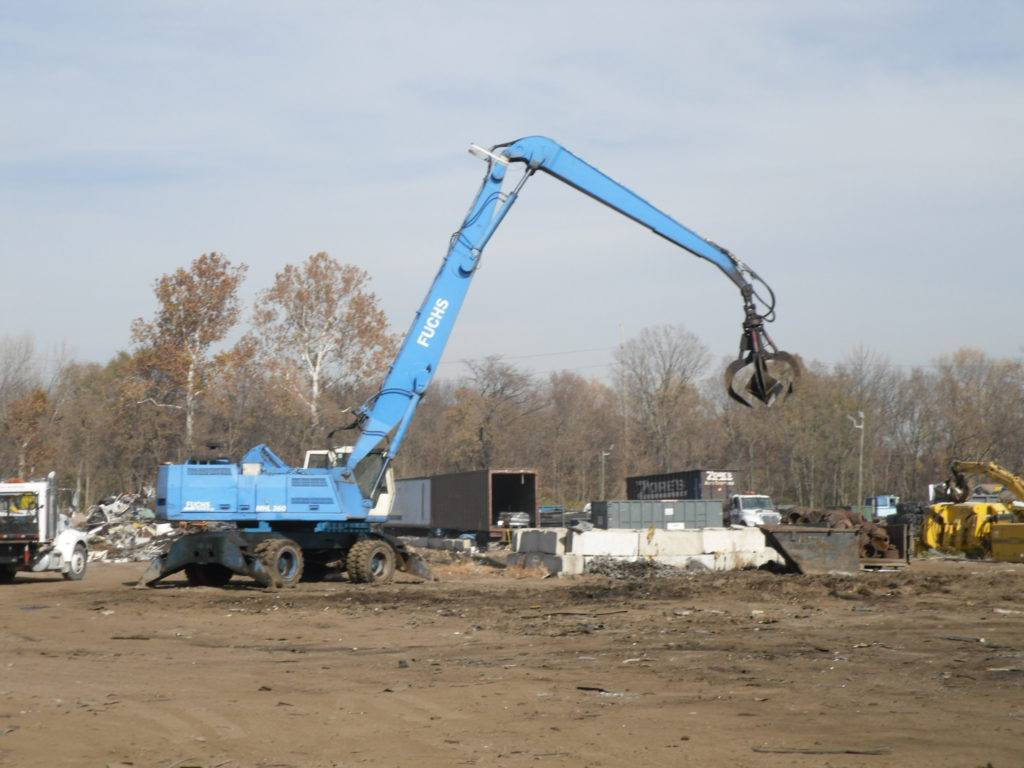
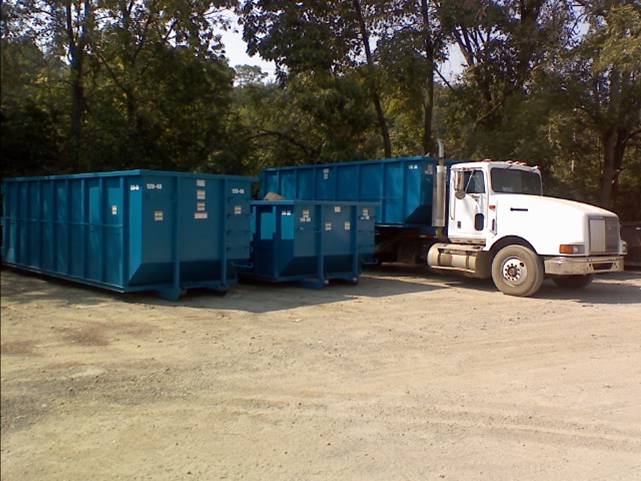
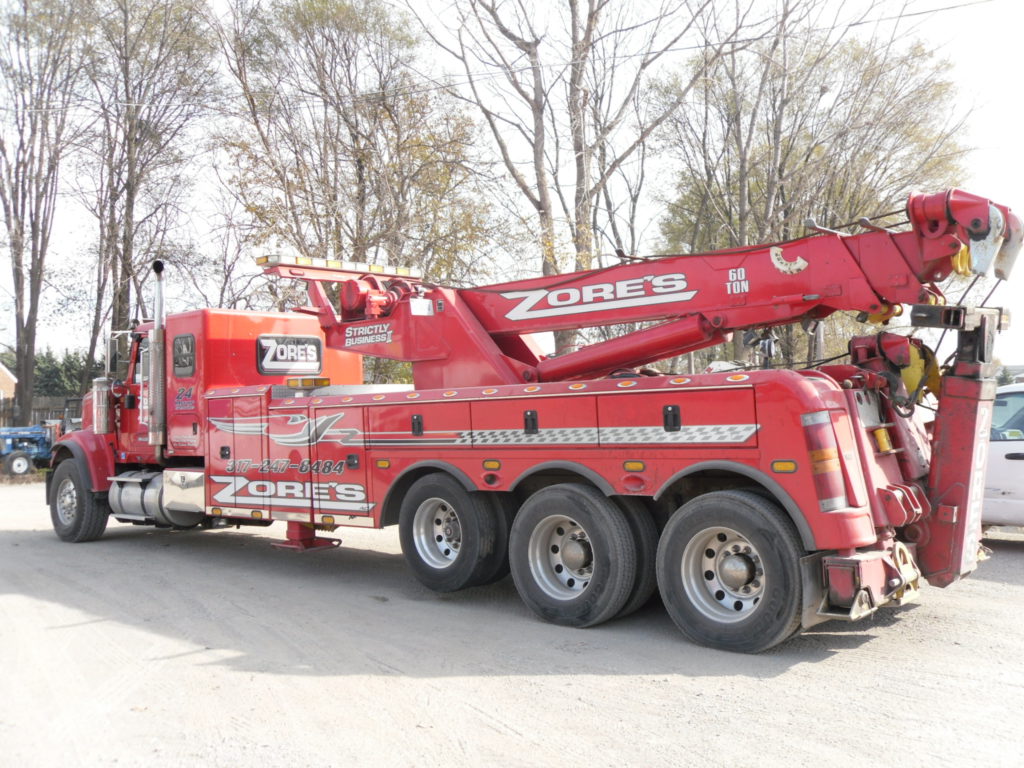
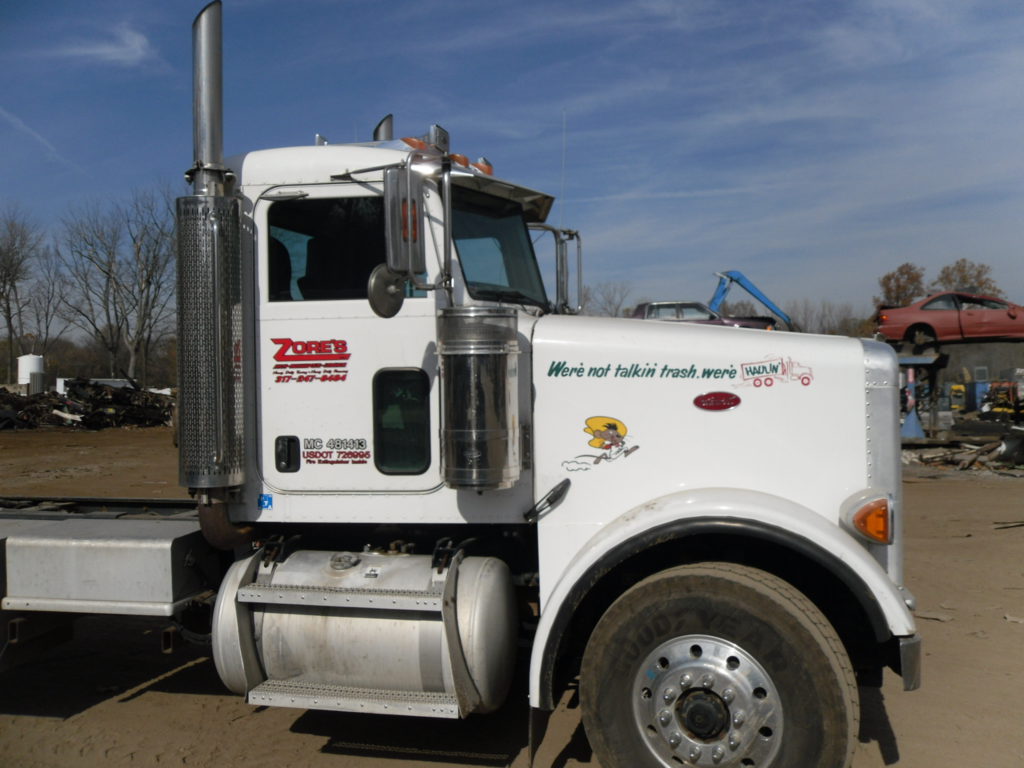
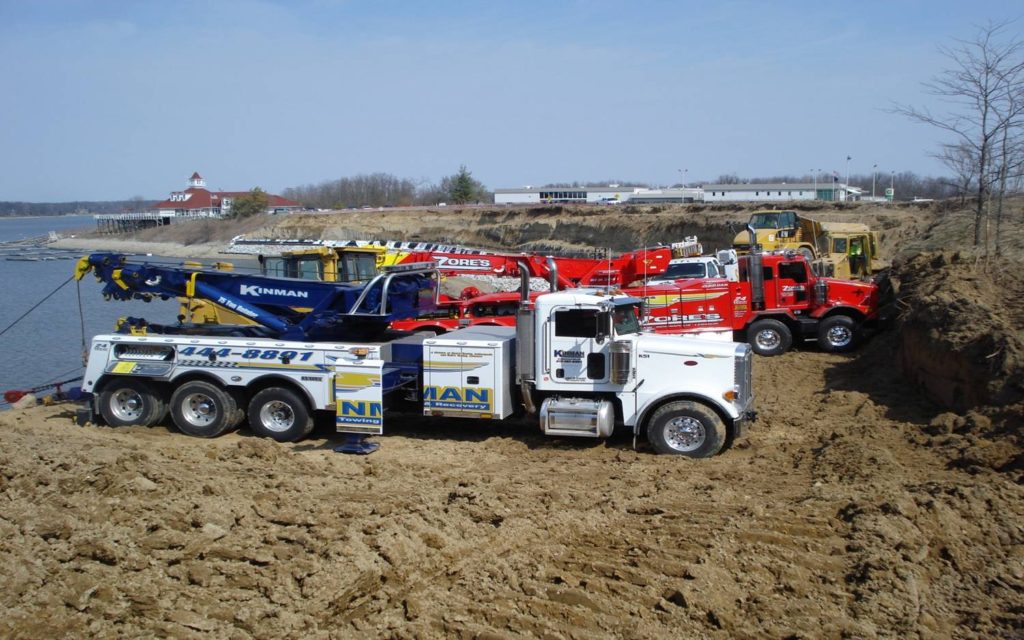
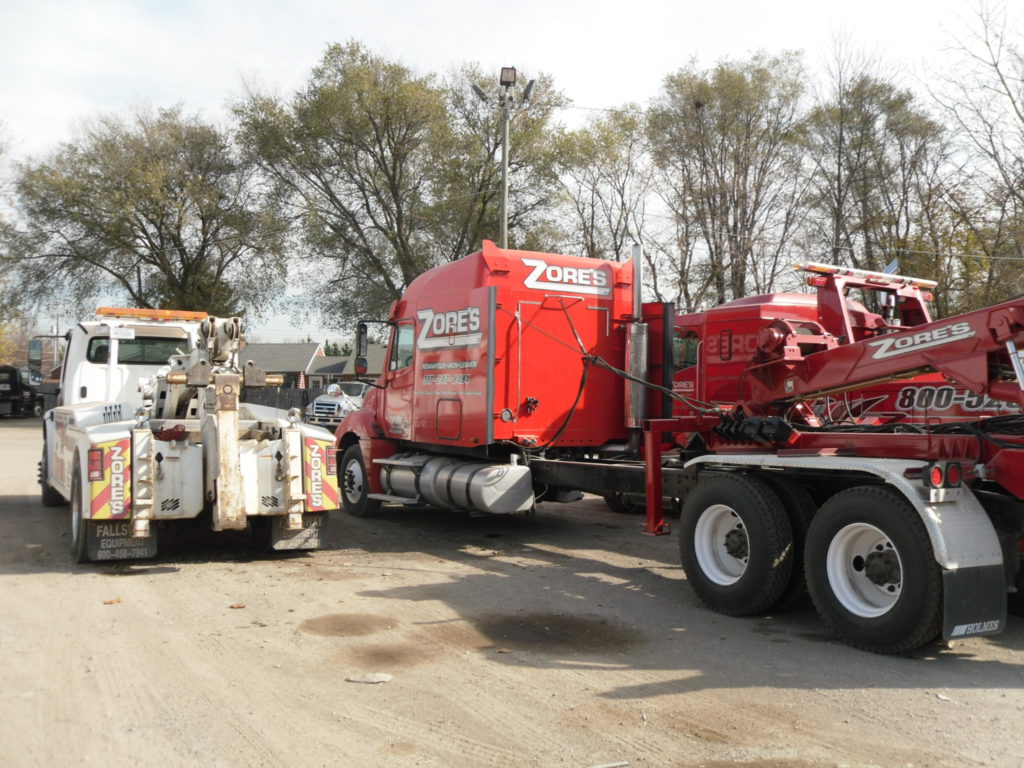
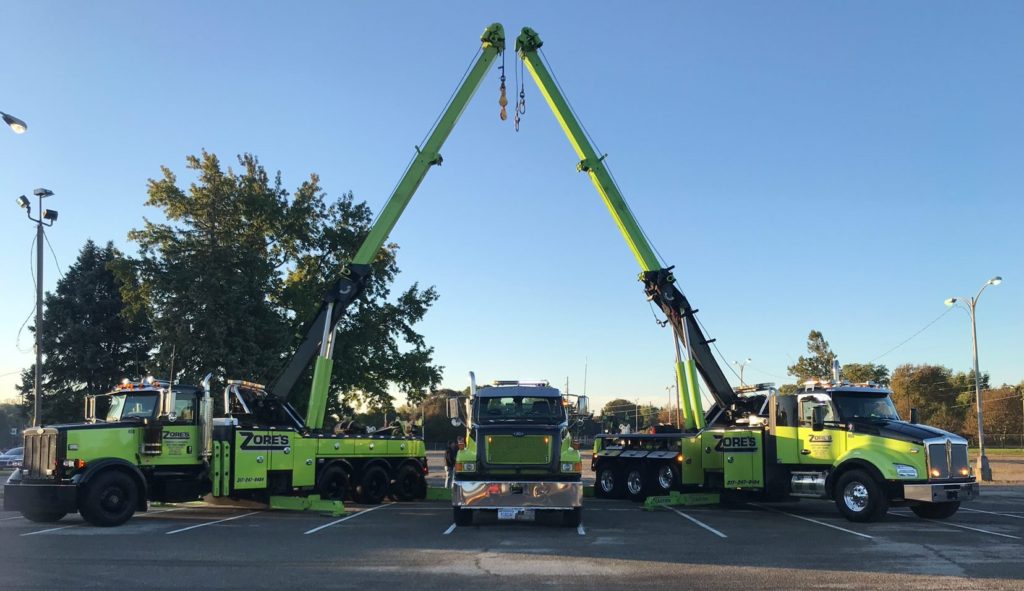
In fact, continue below to check out our amazing, state-of-the-art fleet of trucks, cranes, and equipment for towing and recovery services!
Indianapolis Roadside Assistance & Towing 317-247-8484
We Serve All of Central Indiana
Zore’s Towing is your simple, hassle-free solution to affordable towing and recovery services in Indianapolis, and throughout Central Indiana. With more than 90 years in business, you can trust our pledge to provide safe and efficient service at a fair price. Our certified and experienced drivers carry out a wide range of professional towing services, including light to heavy-duty tow truck service, property management, roadside assistance, towed car searches, emergency towing, long-distance towing, heavy equipment transport, and much more.
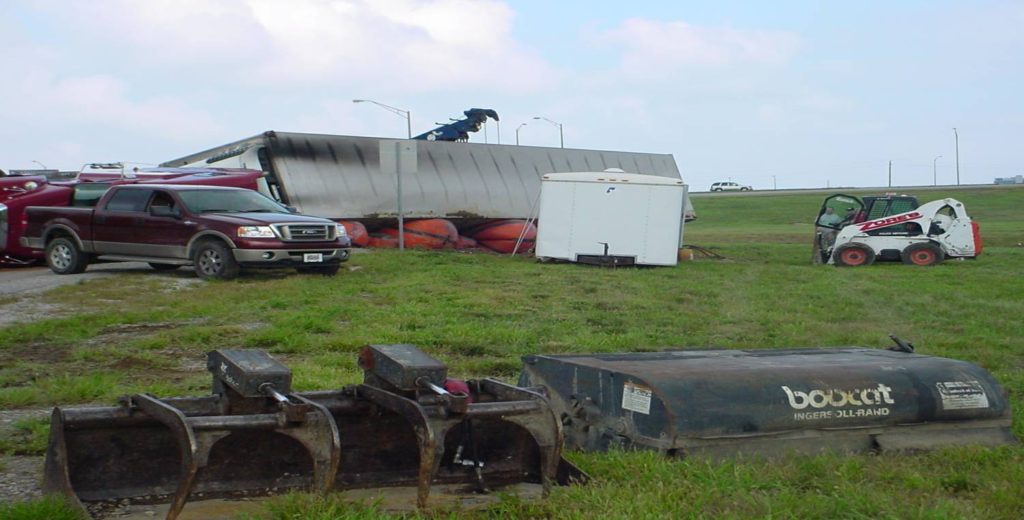
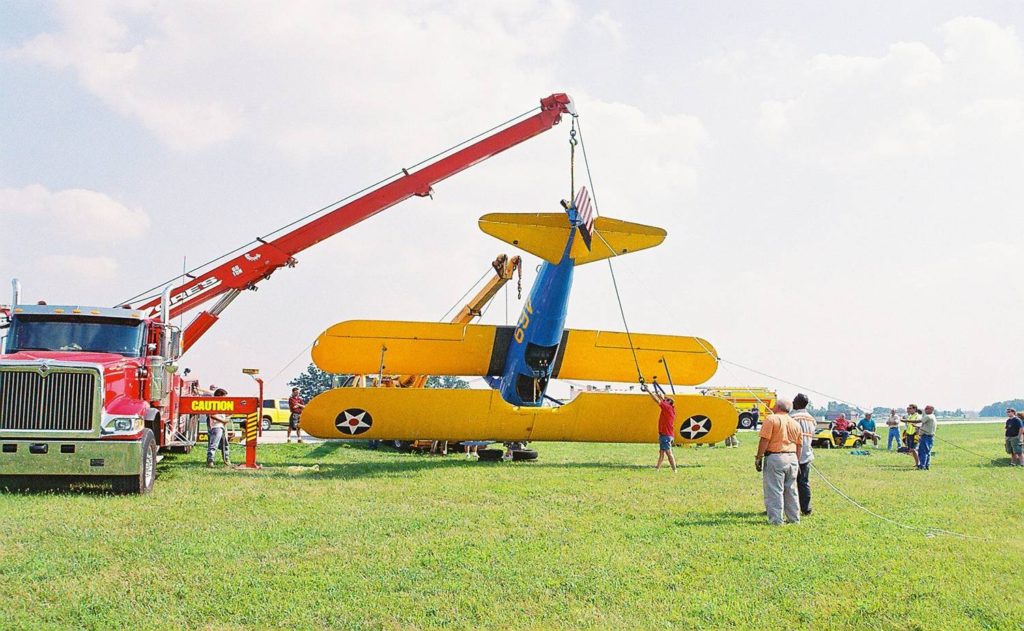
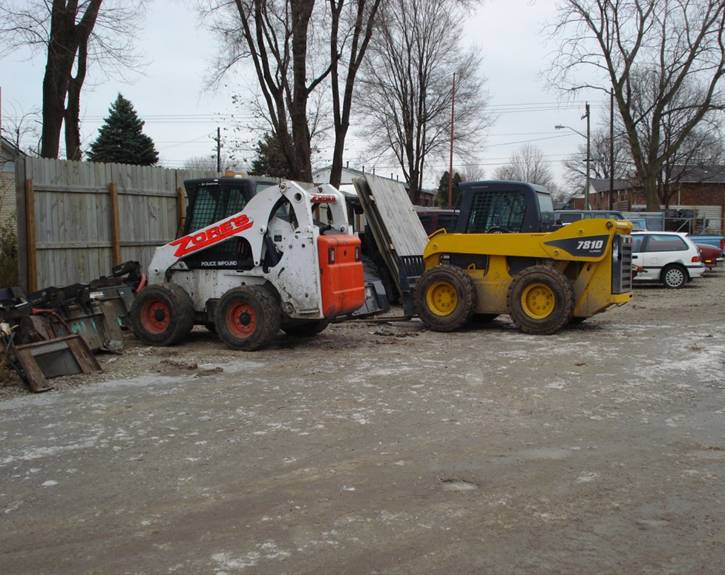
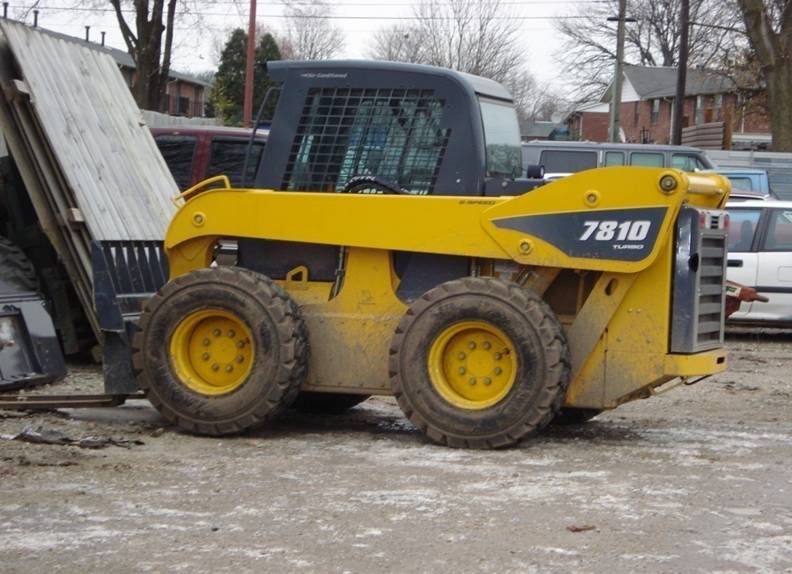
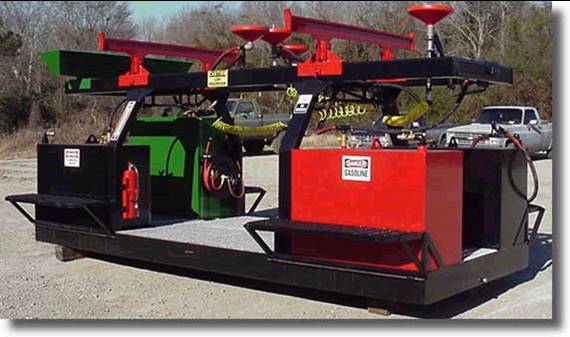
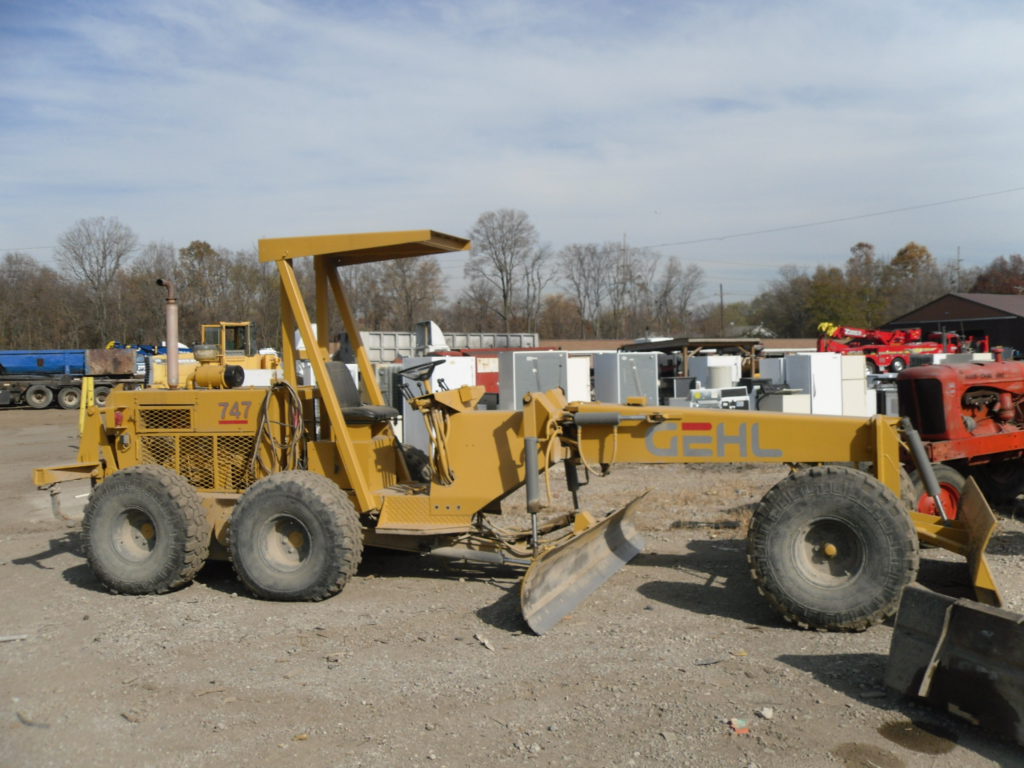
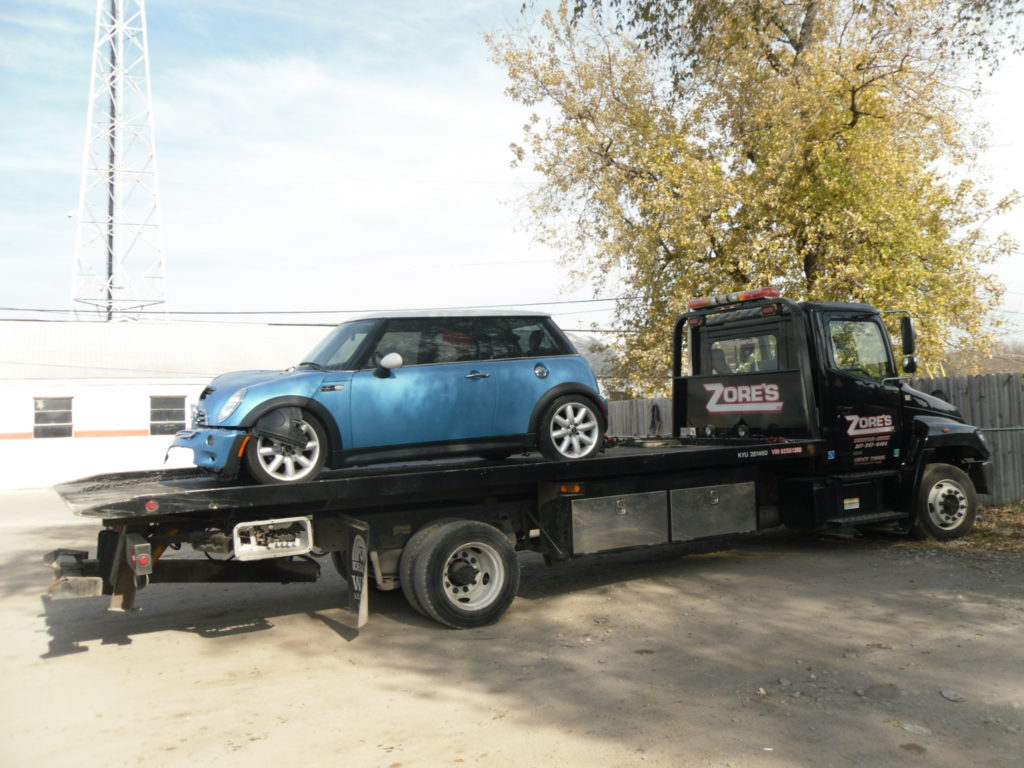
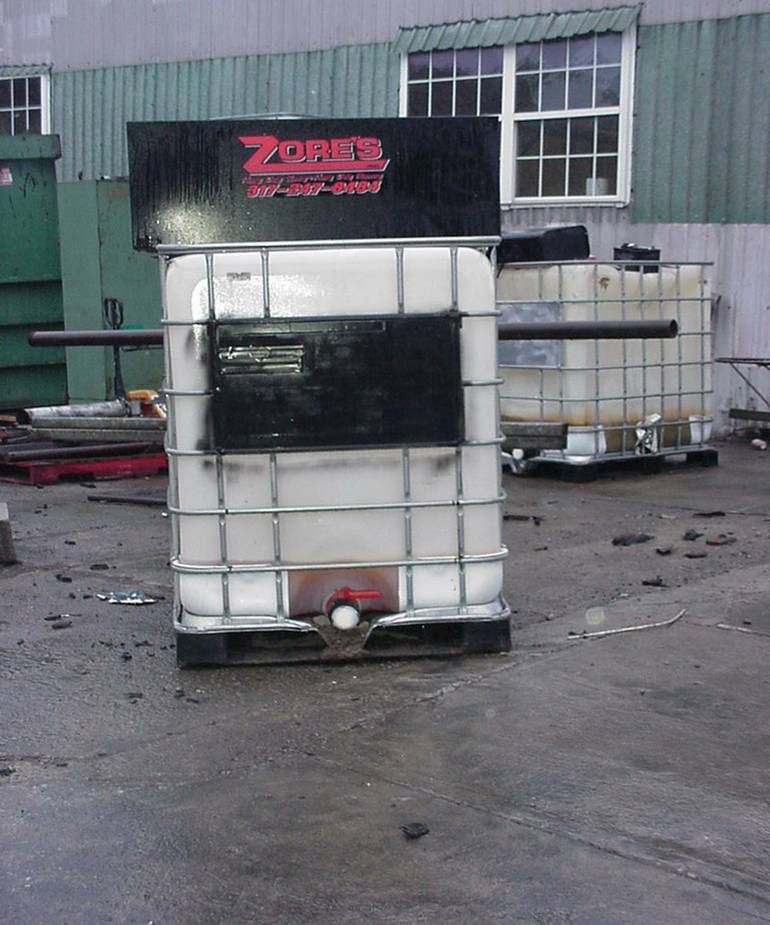
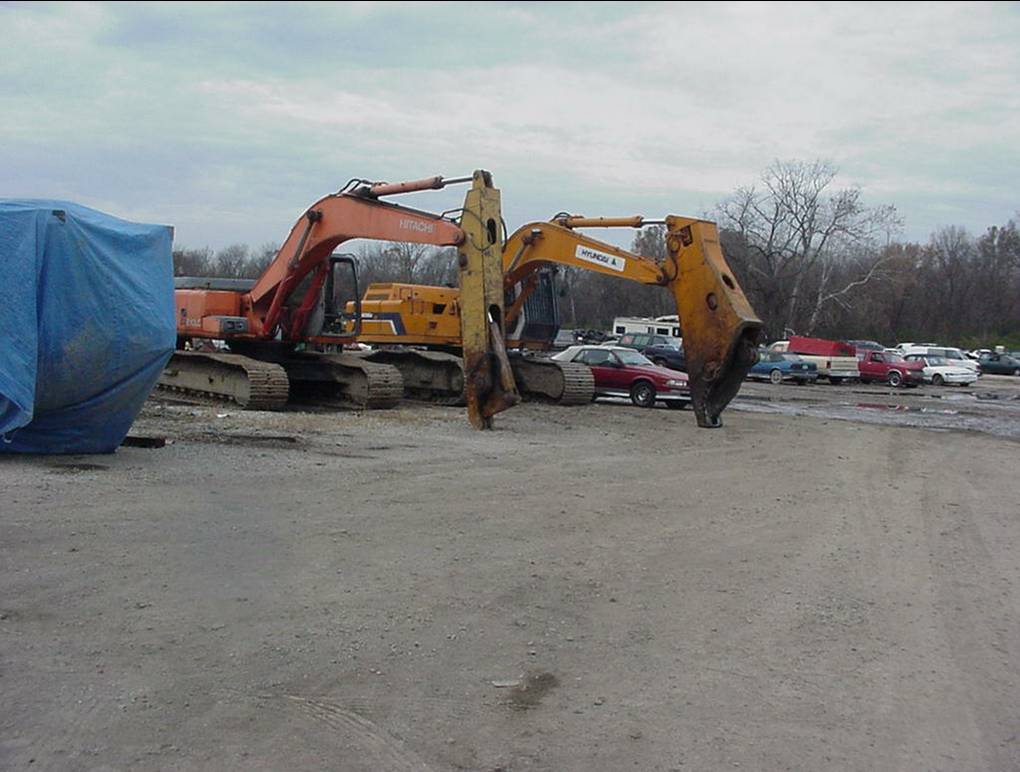
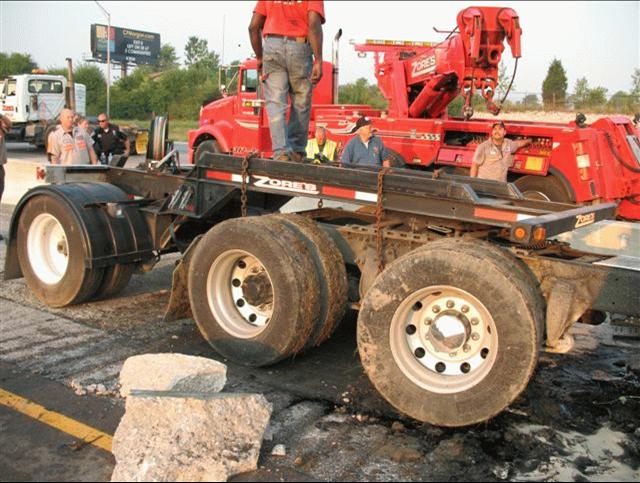
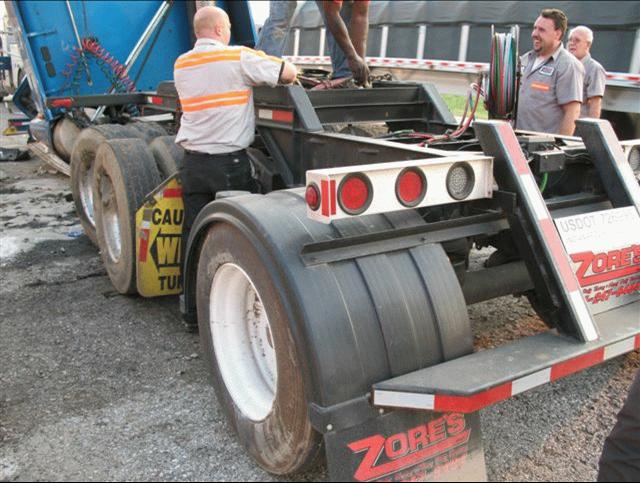
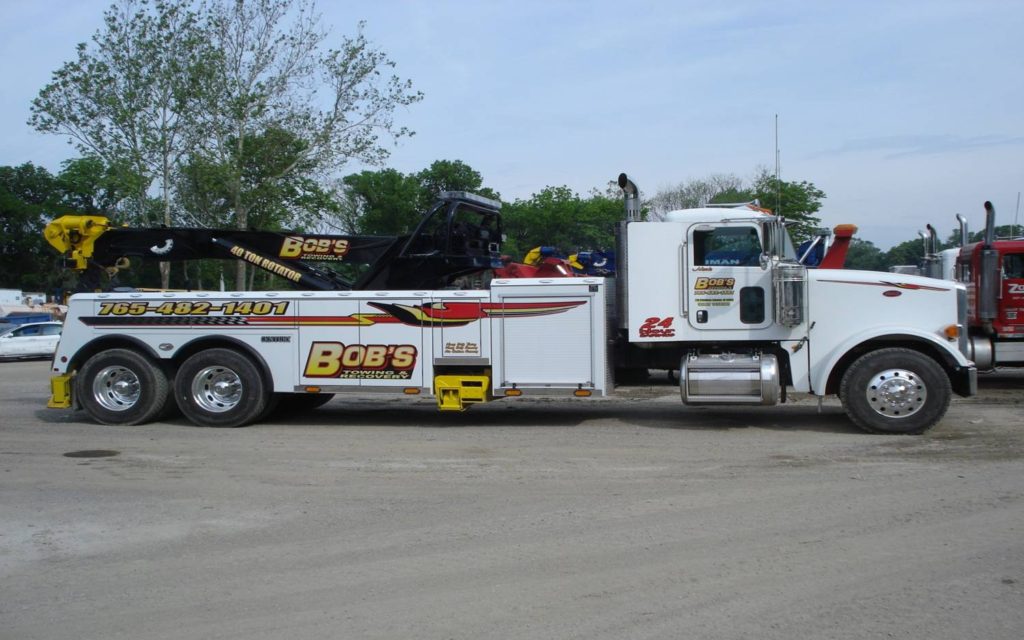
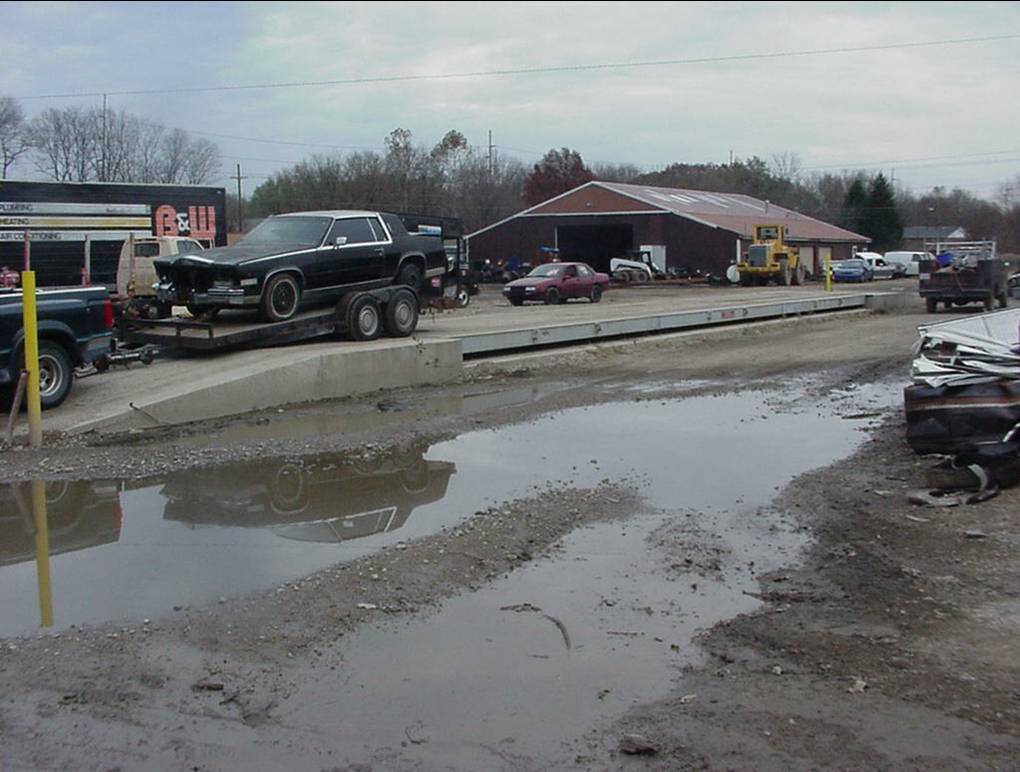
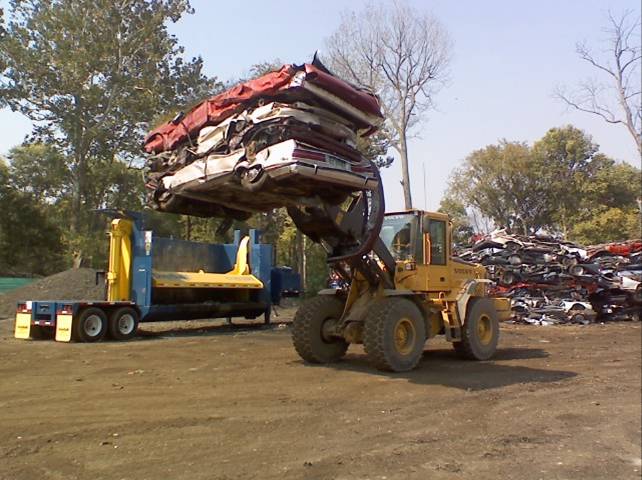
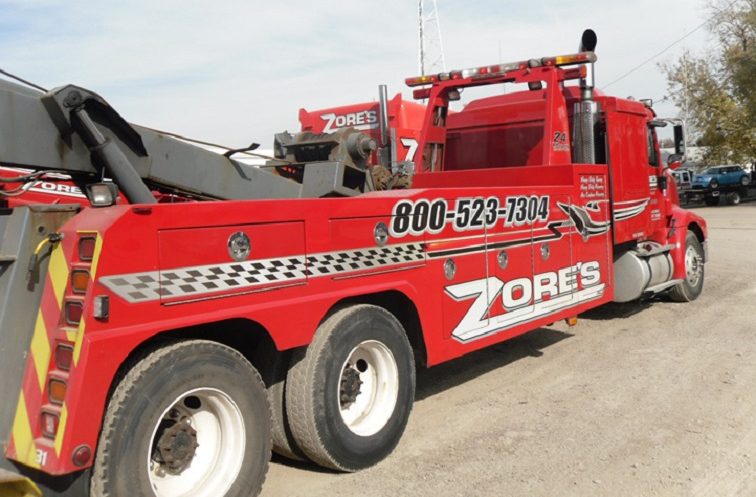
Here at Zore’s Towing, we retain more than 35 tow trucks and wrecker equipment. This includes a crane truck, flatbed tow trucks, heavy-duty wreckers, a few bulldozers, a handful of forklifts, a portable car crusher, and 16 other assorted types of tow trucks! Just take a look for yourself!
Need Towing or Roadside Assistance Right Now?
Call Zore’s Towing at 317-247-8484 for 24 hour roadside assistance and towing services in Indianapolis and throughout Central Indiana. As you are now aware, we are fully-equipped with the right fleets to assist cars, trucks, motorcycles, boats, construction equipment, trailers, vans, semi-trucks, airplanes, and much more. Our friendly staff is waiting by the phones, ready to help you get back on the road, safe and sound. We operate 24 hours a day, 7 days a week, and 365 days a year, so you can always count on us. Request a free estimate, today.
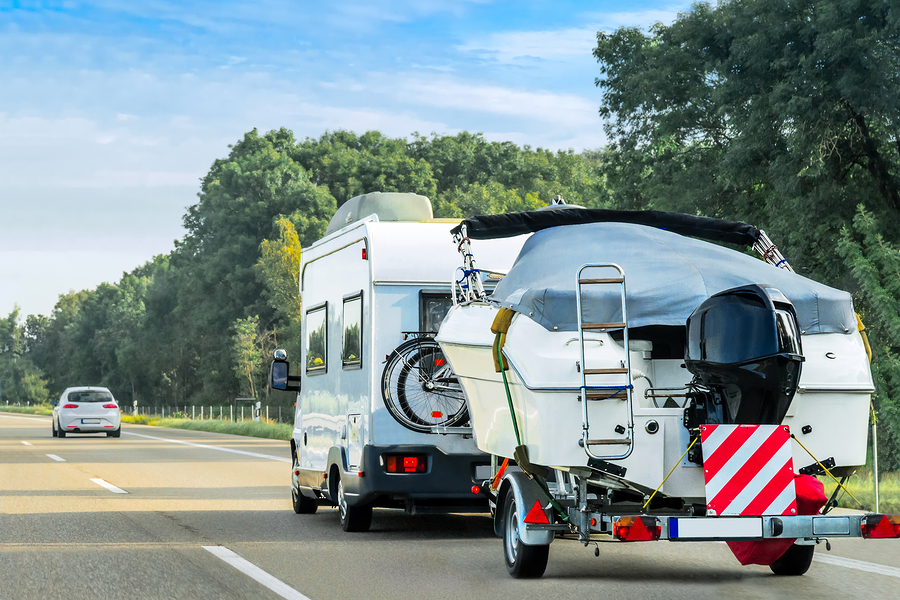
Summer has officially begun, which means everyone is looking for ways to take full advantage of the amiable weather. From fishing and kayaking, to biking, camping, road tripping, and more, there are several summertime options to choose from, most of which likely requires the use of a trailer haul! But when you plan to hitch a trailer and hit the road this summer, whether driving a short distance or a long one, it is important to know how to stay safe. Fortunately, your experience puts you in a great position to haul your trailer from one point to another. So, all you really need is a reminder on how to perform a pre-trip inspection!
Continue reading to learn what to do when preparing your trailer haul for a road trip this summer!
24 Hour Towing and Roadside Assistance 317-247-8484
Pre-Trip Trailer Check Guide
The most important part of your pre-trip inspection is to ensure your trailer is properly connected to the hitch. Equally important is to ensure the vehicle and trailer brake lights and signals are connected and compatible. Here are the steps to take to ensure all of this and more:
Step 1 – Check your hitch.
If you have a standard ball hitch, the trailer tongue should attach to the towing vehicle’s hitch, properly. Test the quality of this connection by physically lifting the trailer. If it is properly attached, you should not be able to lift it at all. Be sure that the lock pins and locking mechanisms are also snapped into place, correctly. Along with checking your hitch in this step, be sure your trailer safety chains are properly crisscrossed and connected. To complete this first step, also check that your trailer connection has enough clearance. Any trailer wheels or stands should be placed back in their UP or DRIVE position.
Step 2 – Check Brake Lights and Signals
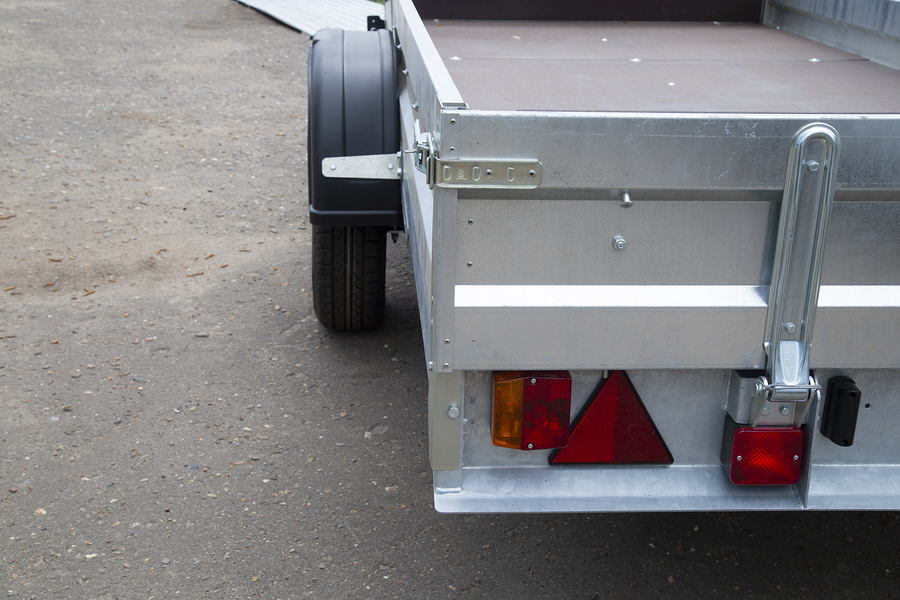
As mentioned, checking that the brake and signal lights are functioning in alignment with your towing vehicle’s lights is a top priority. Not only do you check that they work, you need to also ensure they are aligned with your towing vehicle. When you apply the brake in your car, the brake lights should illuminate on your trailer lights, and so forth. If you are alone, use the reflection from other cars or windows to see the lights. You can also do this the night before in the dark. Also in this step, ensure that the electrical wires that make these brake and signal light connections are cleared from the ground, as well as all other undercarriage parts.
🏞 You are now ready to drive!
It does help to practice a little before the big drive day to give you some more confidence on the road. Practice turning, backing up, parking, and disconnecting the trailer from the hitch. See our blog, “Frequently Asked Questions About Towing a Trailer” to learn some more tips and tricks for safe trailer towing.
Who to Trust for 24 Hour Towing and Roadside Assistance in Indiana
If your vehicle breaks down in Indiana at any point during your trip, call Zore’s Towing at 317-247-8484 for 24 hour roadside assistance and towing recovery services you can trust. Our friendly staff is waiting by the phones, ready to help you get back on the road, safe and sound. We operate 24 hours a day, 7 days a week, and 365 days a year, so you can always count on us. Request a free estimate, today.
Sadly, not all of us are privileged enough to live right on the water where we can conveniently dock our boats, jet skis, and canoes right outside our homes. For the inlander communities, it is necessary to hitch and haul our amphibious engine-powered toys across the state, and sometimes even the country! For people who do this often, or travel seasonally, it is certain they probably have a pretty good idea on how to haul and tow boats. As for the rookies, learning can be quite overwhelming, and understandably so.
If you need to brush up on your boat towing safety, continue below for a brief review of what you need to know.
Indiana Boat Towing and Transportation Services 317-247-8484
Towing a boat with your car, truck, or trailer requires undivided attention and care to ensure driver and passenger safety, as well as, the protection for the vehicle, trailer, and load itself. Once a person learns the ins and outs of boat towing, they are ready to take on the road, but before doing so, it is crucial to review the important basics of boat towing to ensure a safer hauling experience.
Turning
Driving in a straight line is not much of a challenge when hauling a boat on the road, however, when it comes time to make a turn, there are some strategies that help ensure extra care and caution. When making a turn with a boat attached to your car or truck, understand that turns are going to need to be much wider to accommodate the load. Remembering to make wider turns will help keep a driver safe on the road, and not a moving disaster for other drivers around them. Cutting a turn too narrow can result in exterior damage to the load and the vehicle and possibly other cars on the road. Narrow turns can cause the load to hit mailboxes, street signs, cars, curbs, and worse, pedestrians. Also, the load will always turn narrower than the vehicle, so drivers need to give everything plenty of room when turning and always check the mirrors too.
Backing Up
Visibility is the first and most important component to backing up a vehicle with a boat attached, safely. Using the mirrors is crucial, and if they are not big enough, larger mirrors can be purchased and installed for better visibility. In a perfect world, it is better to just avoid having to back-up the vehicle and load altogether. This is not always the case, so there are some more tips to backing up a towed boat safely. The vehicle will weigh more, be longer in length, and have a pivot right in the middle. These things all affect the way it is backed up. Moving slowing, making small adjustments with the wheel, and constantly checking mirrors will help overcome this challenge.
Braking
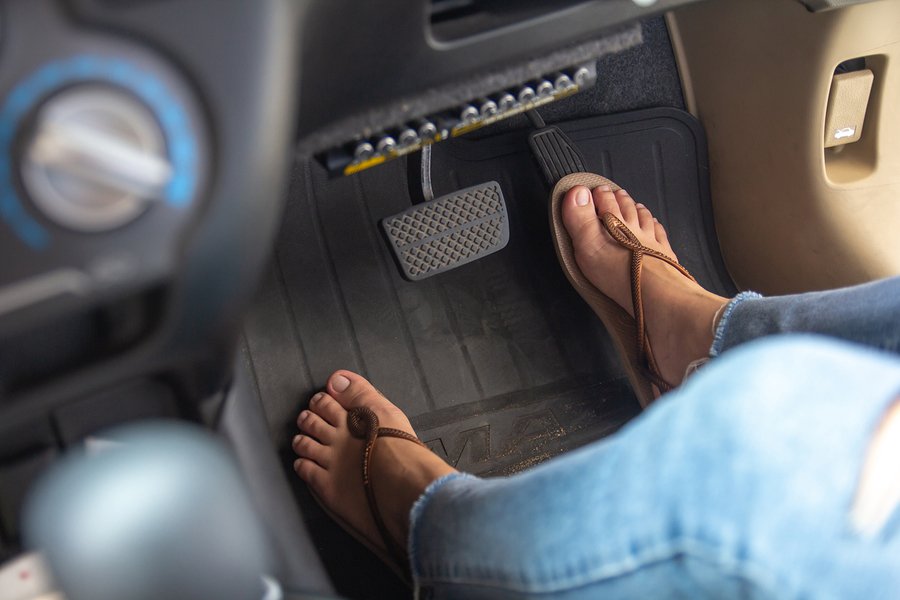
When a boat is being towed, it adds more weight to the vehicle. This added weight makes the vehicle take longer to brake and takes longer to completely stop. It is important to give the vehicle plenty of stopping room when beginning to brake. Paying attention to the other drivers and the road ahead can decrease chances of having to stop abruptly. A slow steady force of the foot will ensure a smooth deceleration of the vehicle and its load. Having a steady foot and an attentive mind will ensure a safe braking experience every time. Practice never hurt either!
Jack-Knifing
Jack-knifing on the road is a huge inconvenience to other drivers on the road. Jackknifing is when a vehicle and the load attached get out of sync and create a “U” or “V” shape. We have seen semi-trucks do this while attempting a U-turn on a narrow street. There are some key tips and reminders to help avoid this undesirable situation. One way to do this is to double check the load that is attached, and be sure it does not sway at all when in tow. The swaying load can get enough momentum and swing all the way to the front of the vehicle, creating a jackknifing accident. Also, braking appropriately when approaching turns or bends in the road helps prevent jackknifing as well.
These are just some basic reminders to safe boat towing. Reviewing these topics before taking on the road is a good idea. Sometimes all we need are a few reminders to get our minds in focus before a big trip. It is helpful to make a list of things to check before leaving, and to brush up on techniques and skills to better and safer towing.
Professional Boat Towing and Transportation Services in Indianapolis
Call Zore’s Towing at 317-247-8484 for 24 hour boat towing services in Indianapolis and throughout Central Indiana. Our friendly staff is waiting by the phones, ready to help you get your boat to or from the water, safe and sound! We operate 24 hours a day, 7 days a week, and 365 days a year, so you can always count on us. Request a free estimate, today.
Properly functioning car brakes are vital when it comes to safe driving. When your brakes need repaired, never hesitate to get them fixed. A single moment of traction loss could mean hospital time or worse. Worn out brakes is not a situation to be taken lightly. As soon as you know your brakes are not in optimal condition, have your car towed to a trusted mechanic for inspection and repair.
Continue reading to learn the common signs that indicate your car brakes are failing, and it’s time to pull over and call a tow truck.
24 Hour Towing and Roadside Assistance 317-247-8484
How to Detect Failing Car or Truck Brakes
There are a number of signs that foreshadow brake repair, and the most common ones are the easiest to detect. When you are driving, do you feel the steering wheel shake? A steering wheel that wiggles could be a sign of brake problems. If the steering wheel jiggles back and forth every time you come to a stop, then this is a sign of worn out brake rotors. Brake rotors don’t need to be changed as often as brake pads, but should still be replaced every few years. It is suggested to have your brake rotors changed every three times your brake pads are replaced.
When it comes to brake pads, another observable sign of brake damage is high pitched squeaking. When your car squeals anytime you apply pressure to the brake pedal, this could be an indication of bad brake pads. The squeaking sound comes from a piece on the actual brake pad that gets exposed once the pad is worn down enough. When this indicator is exposed, it’s time to replace the pads. To be safe, they should be changed within two to three weeks, otherwise you could fail to make a stop at any moment.
If you begin to notice it takes more time to come to a complete stop in your vehicle, this means you have worn through the indicators on the brake pads. This is another common sign of brake malfunction. This is a serious sign that requires immediate attention. It is extremely dangerous to drive with brakes this bad, especially in bad weather.
⚠ If you begin to notice any signs that are similar to the ones just discussed, then immediately pull over to a safe spot and call a 24 hour two truck company for emergency roadside assistance towing. Never risk your life or someone else’s by driving on unreliable brakes!
Indianapolis Roadside Assistance Towing Services You Can Count On
Call Zore’s Towing at 317-247-8484 for 24 hour towing and roadside assistance in Indianapolis and throughout Central Indiana. Our friendly staff is waiting by the phones, ready to help you get back on the road, safe and sound. We operate 24 hours a day, 7 days a week, and 365 days a year, so you can always count on us. Request a free estimate, today.
Here at Zore’s Towing, we know that getting your car towed is an inconvenient, and often emotional, situation, especially when it is entirely unexpected. How do we know this? Because we have all been there before, just like you are now, which also means we are on your side when it comes to getting your car back as soon as possible! You see, here at Zore’s Towing, we make the entire process simple and stress-free, and in almost all cases, can help you get your car back the very same day. The good news is that you are already on the right track!
Continue below to review exactly which steps to take after learning that your vehicle was just towed by Zore’s Towing in Indianapolis.
Indianapolis Towing and Roadside Assistance 317-247-8484
Car Towed By Zore’s Towing in Indianapolis? Here’s What To Do:
❶ Think About Why Your Car Was Towed
When you have some idea as to why you were targeted, it can help you remain calm and unbothered while regaining possession of your car. Can’t figure it out? Were your tags expired? Was your car parked there for several weeks? Were you parked in a handicap or specialized spot? Are there signs posted nearby that indicate parking permissions? Did your meter run out?
❷ Contact Zore’s Towing Office at 317-247-8484
You can reach one of our friendly and experienced managers, 24 hours a day and 7 days a week, simply by calling our main office at 317-247-8484. Once you have us on the line, we will use our state-of-the-art computer dispatching system to accurately trace your vehicle’s exact location using a wide variety of detailed information, including the VIN number, license plate number, vehicle color, date of tow, and more.
❸ Pick Up Your Vehicle at Our Complex
After we have located your towed car, we will contact you when it arrives to our complex so that you can come pick it up. Just be sure you have the proper payment form before hand so that we don’t have to hold your vehicle any longer!
Was Your Car Towed By Police?
We work closely with 9 different law enforcement departments (Boone, Hendricks, Clermont, Lebanon, Speedway, Avon, Whitestown, Plainfield, and the Indiana Police Department) throughout Central Indiana, so if your car was towed by police, we have the resources necessary to provide you with instant answers regarding your missing vehicle. Give us a call and we will take you through the steps of getting it back.
Get started right now by calling 317-247-8484 to speak with one of our on-duty dispatchers for help locating your towed car anywhere in Central Indiana.
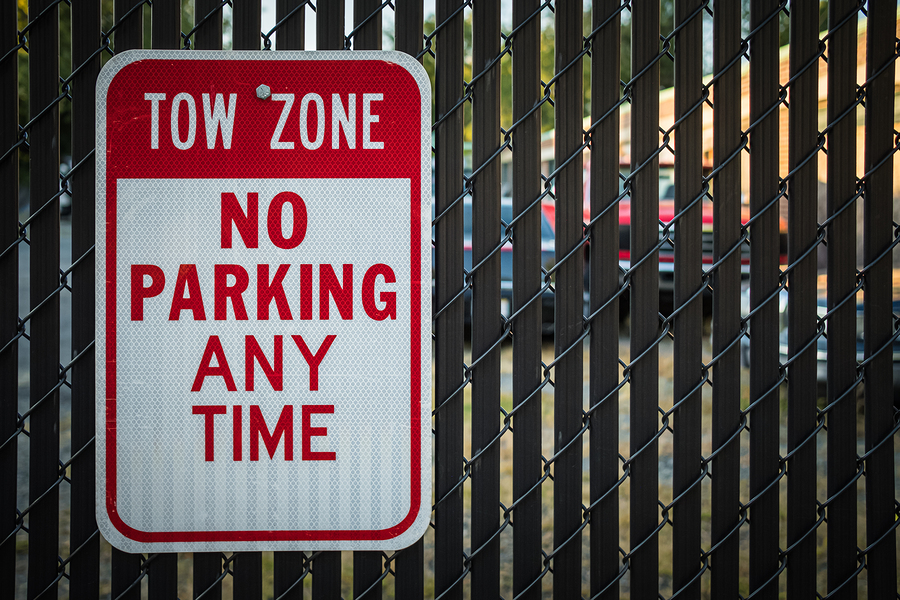
Unfortunately, it’s an all-to-common scenario. Perhaps you had a spontaneous meetup with a bunch of friends for some drinks, and had to leave your car overnight. Or maybe you were in a hurry to run an errand and parked in a no parking zone, only later to find your car missing. Either way, this situation happens to hundreds of drivers, every single week! Most unfortunately, it is usually at the fault of their own.
Continue reading to learn why this is, and what to do if your vehicle is towed from a parking spot.
Private Property Towing 317-247-8484
Parking Mistakes
If you have your car towed from a parking spot or a parking lot, there are two common reasons why this happened. But first, it is important to know that many commercial properties have property management contracts with local towing companies to watch their premises and tow away unauthorized vehicles. So when you park at any public commercial lot, keep in mind that it is patrolled 24 hours a day by a towing company under contract with the owners of the building. Unless a parking lot blatantly advertises free, overnight parking anytime, it is usually monitored.
Before committing to a parking spot, check around for signs near the parking spots that outline the “rules for parking” in their lot. On these signs, it will tell you if you are allowed to park there, for how long, and if overnight parking is permitted. Rules can vary depending on the owners of the parking lot, but some say you can only park for a maximum number of hours before your vehicle is marked delinquent.
These time limits can be as short as 1 hour parking, to as long as 24 hour parking. In most cases, time limits for bars are between 3 and 6 hours. This brings us to the two common reasons why vehicles are towed at bars. Drivers either get distracted and forget to walk outside and move their car before time is up, or they simply leave it there overnight when 24 hour parking is not permitted.
If your vehicle is towed, simply look for and read the corresponding parking signs. They will have the name of the towing company assigned to that area, as well as their contact information. Give them a call and they will tell you exactly how to get your car back. Remember, it’s not their fault your car was towed, so be nice! They are friendly and glad to help.
Dealing With Too Many Stranded Vehicles on Your Commercial Lot?
Call Zore’s Towing at 317-247-8484 for private property management towing service in Indianapolis, Indiana. We are one of Indy’s leading towing and recovery companies, and have served the Hoosier communities for over 75 years! We offer private property towing service, as well as, light to heavy duty towing and recovery. Call 317-247-8484 for towing, roadside assistance, and property management in Indianapolis, IN today.
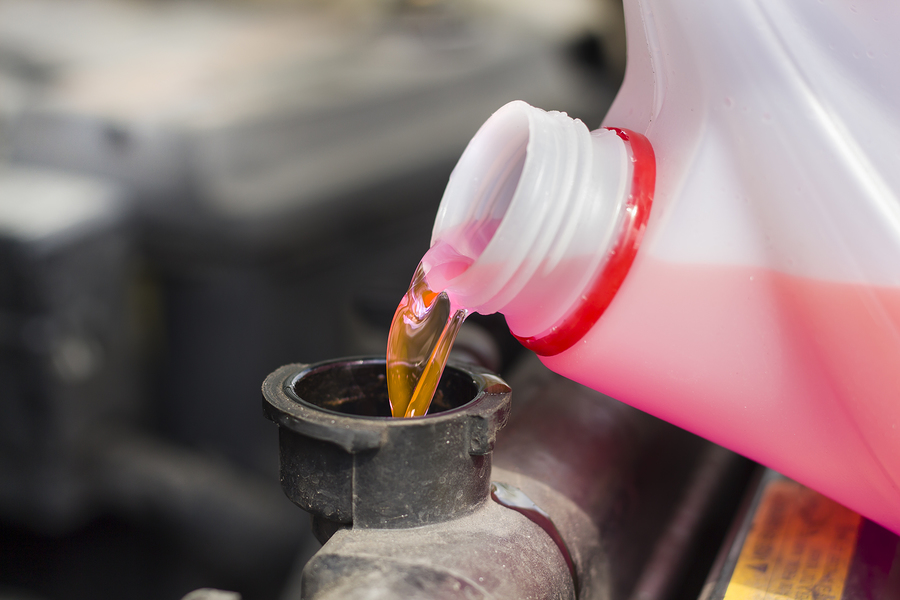
Engine coolant goes by many names, including radiator fluid, radiator coolant, or antifreeze. No matter what you call it, engine coolant is one of the most vital car fluids for any vehicle. It is a combination of antifreeze and water (usually a 50/50 mix), and serves a number of purposes for a car. First, it runs through a vehicle’s radiator to remove any excess heat and prevent the engine from overheating. Next, since it contains antifreeze chemicals, it prevents it from freezing up in cold temperatures. But also, engine coolant prevents corrosion and works as a lubricant to the water pump and other internal workings.
So as you can see, radiator fluid is very important for a
car or truck to operate safely and effectively. Continue reading to learn when
your vehicles engine coolant should be changed, as well as, factory car
maintenance scheduling, and more!
24 Hour Towing and Roadside Assistance 317-247-8484
Radiator Fluid Flushes
Changing or replacing the radiator fluid in your vehicle is referred to as coolant flush. Regular coolant flushes are vital for your vehicle because it inhibits corrosion, prevents over-heating, and provides lubrication to the internal workings of your engine’s water pump, radiator, and heater core. See our blog, “How to Diagnose Your Car’s Overheating Engine” to learn how to identify such engine problems.
To properly identify when your coolant is dirty, you must
first know what the color of the fluid is when brand new. The primary colors of
engine coolant are yellow, orange, green, and black. Check the color of your
radiator fluid once every week. When this color starts to change, you know it’s
time to change your radiator fluid. But the most noticeable sign that it is
time to replace the coolant is when your engine starts to overheat. The
temperature gauge on your car’s dashboard will tell you how hot the engine is
getting, and if you start to see smoke, it’s gone too far!
Never operate a vehicle with an overheating engine. Not only
is this extremely dangerous, it causes significant damage to the engine. This
can result in a costly repair, engine replacement, or even a totaled vehicle.
As soon as you are aware your engine is overheating, take it to an auto so
immediately and have it serviced.
All fluids should be changed, flushed, and replaced
regularly for all vehicles. The general factory car maintenance schedule is
every 3,000 miles or 6 months, whichever comes first. This includes motor oil,
transmission fluid, brake fluid, power steering fluid, battery fluid,
windshield wiper fluid, and in some cases, even transfer case lubricants. But
engine coolant does not need to be replaced this often. Most manufacturers
suggest flushing the coolant every 24,000 to 36,000 miles, or once every 2 to 3
years. But if you are driving in hot climates or long distances regularly, then
once per year is a better schedule.
Struck on the Road With Car Engine Problems in Indianapolis?
Call Zore’s Inc. at 317-247-8484 for friendly 24 hour towing and roadside assistance in Central Indiana. We open a family-owned and operated business for 90 years, so you can trust us for prompt and professional service. We are open 24 hours a day, seven days a week, and 365 days a year, so our certified tow truck operators can be there for you anytime, any day! Request free estimates, anytime.
Spring
is just about here, which means Spring Break plans are already in motion! If
you are planning a road trip for spring break this year, keep in mind
that it requires a fair amount of thought, research, and preparation. In addition
to making all the necessary arrangements, mapping a driving course, and packing,
be sure not to overlook another important aspect of road-tripping, which is car
care. Simply topping of the gas tank and re-filling windshield wiper fluid
won’t cut it; and stocking up on air fresheners won’t either. So, when it comes
to going on a road trip, you must also prepare your vehicle for optimal safety
and dependability.
Continue reading to learn how to prepare your car for a fun
and safe Spring Break road trip!
24 Hour Towing and Roadside Assistance for Indiana 317-247-8484
Perform a Full Vehicle Inspection
Before planning a road trip with your personal vehicle, it
is important to first determine just how “ready” your car is for long distance
driving. A simple pre-road trip inspection should do the trick. You can choose
to do it yourself, or hire a licensed mechanic to do it for you. By finding
small problems and having them repaired before your trip, you can greatly
reduce the chances of experiencing costly mechanical problems on the road. This
avoids a long list of safety hazards, inconveniences, and unexpected expenses.
What to Inspect:
Check all vehicle filters and fluids. Fluids include motor
oil, brake fluid, transmission fluid, coolant, power steering fluid, windshield
wiper fluid, and battery fluid. Replenish necessary fluids and replace old or
dirty filters wit new ones. You may need a licensed mechanic for help with this
part of the inspection.
Check all hoses and belts for signs of damage or
deterioration. Look for brittle, cracked, kinked, frayed, or loose belts and
hoses. These are critical to your vehicle’s electrical system and should be
repaired before a long road trip.
Check the vehicle’s alignment, tire tread, and tire
pressure. Get a tire rotation and balance, as well as an alignment if these
areas are off in any way. See our blog, “How
to Test Tire Tread Using a Penny” to determine if your tires have enough
tread for a long-distance drive.
Check the brake system. Be sure the battery connection is
clean, well-fit, and free of corrosion. Check brake pads and replace worn or
old ones.
Check all exterior vehicle lights, including brake lights,
hazards, parking lights, and more. Replace bulbs and fuses as necessary.
Check your gas cap. Be sure it is damage-free and secure. Also be sure your license plate is not loose or missing any screws.
Who to Trust for 24 Hour Roadside Assistance in Indiana
If your car breaks down in Indiana at any point during your spring break road trip, call Zore’s Towing at 317-247-8484 for 24 hour roadside assistance for fuel fill-ups. Our friendly staff is waiting by the phones, ready to help you get back on the road, safe and sound. We operate 24 hours a day, 7 days a week, and 365 days a year, so you can always count on us. Request a free estimate, today.
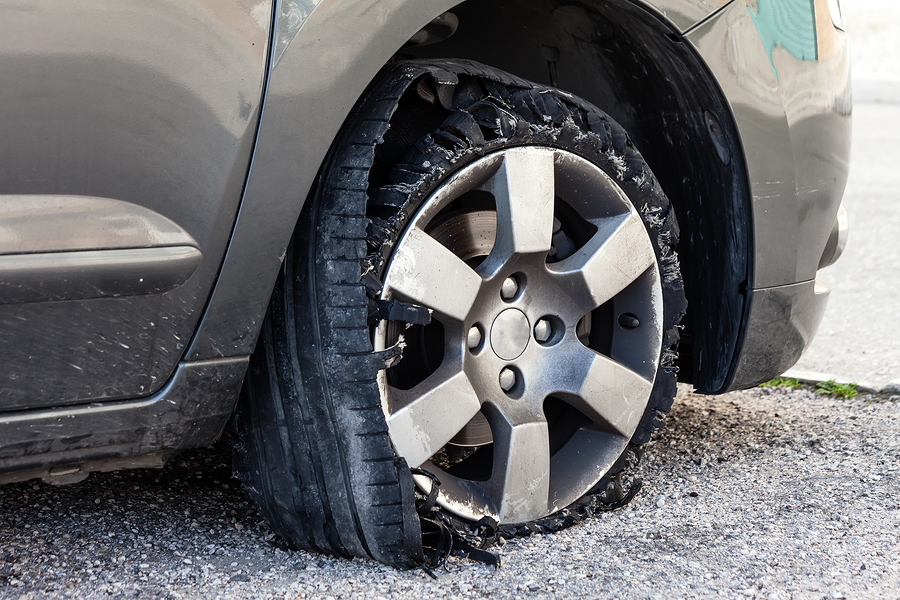
Tire blowouts are more than just a major, unanticipated inconvenience.
They can also be extremely dangerous. There are serious car accidents that take
place every day as a result of a driver losing control of their vehicle
following a tire blowout. Some accidents can even be fatal. In fact, according
to a study by the National Highway Traffic Safety Administration (NHTSA), there
are virtually 11,000 tire-related motor vehicle accidents every year. For this
reason, proper car maintenance is vital, not just for your vehicle’s performance,
but for everyone’s safety. Your tires require a certain degree of routine care
to protect them from blowouts. With this level of tire care, you can spot the
signs of tire damage early on and make needed adjustments in order to prolong both
safety and performance.
The best place to start is by learning what causes a tire to
blow out. Continue below to learn the most common, and what you can do if you
ever find yourself stranded on the side of the road with a blown tire.
24 Hour Towing and Roadside Assistance 317-247-8484
Top Causes of Blown Tires
Did you know there is actually a tire blowout season? It’s
true, and it’s one of the top causes of blown tires. You see, the middle of May
through early October has proven throughout history to be the highest frequency
of car tire blowouts. Why? Mostly because of the increased outdoor temperatures.
When its hot outside, more people travel, and they travel longer distances with
heavily-loaded vehicles. Combined with the hot spring and summer temperatures,
tires take on a lot more stress, which can lead them to their breaking point,
or more accurately, their “blowout” point.
Improper Tire Pressure
Another common cause of a blown tire is improper tire
inflation. Underinflated tires cannot provide the same level of support for a vehicle
and its cargo (i.e. passengers, personal belongings, etc.). As a result, the
internal components of a tire, such as the fabric, steel, rubber, and synthetic
composites, will lose strength and eventually give out. Accordingly, over-inflated
tires can also cause a sudden tire blowout from an increase of air temperature inside.
Basically, without sufficient tire pressure, the internal bits of the tire will
experience too much stress and eventually blow.
Although all cars manufactured after 20017 are designed with
tire pressure monitoring systems (TPMS) that detect and warn drivers of improper
air pressure in tires, they usually only illuminate their warning when tires
are extremely over or underinflated. For this reason, it is still strongly
encouraged to manually check your tire pressure with a tire gauge for optimal safety
and assurance.
Heavy Cargo
Another common cause of sudden tire blowouts is overloading your
vehicle. A car can only manage a certain amount of weight, which is specified
in the owners’ manual. You must look up your car’s Gross Vehicular Weight
Rating (GVWR) to see how much weight your make and model vehicle can tow, and
compare that with the total combined weight you need to load inside your car.
A gross vehicle weight rating is the manufacturer-engineered
maximum capacity of weight your vehicle can safely carry. If you were to exceed
the GVWR, it could cause damage to additional components of your vehicle, such
as the drive train, transmission, brakes, suspension, engine, and more. A
blowout is even more likely to occur to an overloaded vehicle if it also has
improper tire pressure.
Poor Road Conditions
Potholes and similar types of poor road conditions are also
common causes of tire blow-outs. Such accidents occur more often at night when
the street surface is less discernable, during heavy rains when holes are
filled with puddles, and during winter when poor conditions are hidden beneath
snow. Cars today have lower rubber profiles, so when they slam into contact
with a pothole, their internal walls pinch and fray, causing the tire to blow. By
maintain proper air pressure and staying current on routine automotive maintenance,
you can prevent severe car damage in the case that you hit a pothole.
Escalating Tire Damage
Also referred to as the “slow death”, a common cause of a
sudden tire blow out is a minor defect that slowly deteriorates the tire to a point
of blowing. Small issues like a small dent or bulge in the tire wall, air pressure
leak, and even a nail that was run over weeks ago, can cause a tire to slowly
lose strength and quality, and eventually weaken enough to finally split open.
What to Do if You Blow a Tire
If you blow a tire, you can try to repair it yourself if you
have a spare tire or an emergency roadside kit. If you are not capable of
repairing or changing your flat, you can contact a local towing company for 24
hour roadside assistance service. They can respond to your location within a
short amount of time, repair your tire, or tow you to the location of your choice.
Whether it is 3 o’clock in the morning or 5:30 rush hour, they have the
resources to get you back on the road in no time at all.
Indianapolis Towing Services You Can Trust
Call Zore’s Towing at 317-247-8484 for 24 hour towing and roadside assistance in Indianapolis and throughout Central Indiana. Our friendly staff is waiting by the phones, ready to help you get back on the road, safe and sound. We operate 24 hours a day, 7 days a week, and 365 days a year, so you can always count on us. Request a free estimate, today.
Vehicles are not cheap. They are not cheap to buy, and they are certainly not cheap to repair. So, in order to ensure you are protecting your investment to the best of your ability, and within your budget, it is important to avoid some common habits drivers do that slowly (and sometimes instantly) destroy their car.
Continue reading to learn the top 3 mistakes people make with the operation of their vehicles so that you can avoid doing them yourself!
24 Hour Towing and Roadside Assistance 317-247-8484
❶ Parking Brakes
Do you use your parking brake when necessary? You better
hope you do! This is one of the most common bad habits of vehicle owners. If
you are parking on any sort of an incline, regardless of your vehicle’s make,
model, location, condition, or transmission type, you must engage the parking
brake. It is not an optional feature on your car.
The parking brake puts a lock on your tires, preventing them
from slipping or shifting as a result of the imbalance of weight. Without the
parking brake, you might find your car rolling down a hill! Furthermore, it
prevents stripping the parking pawl in the transmission. Just be sure you release
your parking brake before you put the car in drive.
❷ Shifting
Are you the type that idolizes those action-packed movies in which drivers fishtail, donut, and spin out on the road to evade their enemies? If so, hopefully you do not try to imitate such driving. Many drivers like to shift their transmission into drive or reverse, before they come to a complete stop. This is a major mistake that can do instantaneous damage to your transmission, engine, and various inner components.
After too many incorrect shifts, the tension bands reduce in
quality and the teeth on the transmission mesh wears away, all of which results
in the car no longer being able to shift. Do you know how much this repair costs?
On average, a transmission repair of this nature can cost between $400 and $1800,
depending on the make and model vehicle. For luxury cars, you can expect the average
cost to be even higher.
❸ Maintenance
When was the last time you changed the oil in your car? Or
the other six essential fluids? Lack of car maintenance, namely oil changes, is
one of the most common mistakes people make that cause damage to their vehicles.
Motor oil is vital to the engine because it lubricates the metal pistons and
rings as they move up and down within the cylinder. Without proper lube, friction
of metal on metal will cause irreparable damage to the engine.
Additional essential car fluids that should be changed or maintained
on a regular basis include transmission fluid, coolant (radiator fluid), brake fluid,
power steering fluid, battery fluid, and windshield wiper fluid. Check your
owners’ manual for instructions on when to have these fluids checked and
changed. Read our blog, “The
7 Automotive Fluids Required for All Cars” for more advice.
Got Car Troubles in Indy? Call Zore’s Towing!
Call Zore’s Towing at 317-247-8484 for prompt, 24 hour towing and roadside assistance in Indianapolis and its surrounding counties. Our licensed towing and recovery division retains an extensive fleet of over 35 tow trucks and wrecker equipment, allowing us to assist drivers 24 hours a day, 7 days a week, and 365 days a year, rain, snow, or ice. Request a free estimate, anytime.