Dashboard Warning Lights Explained: What They Mean

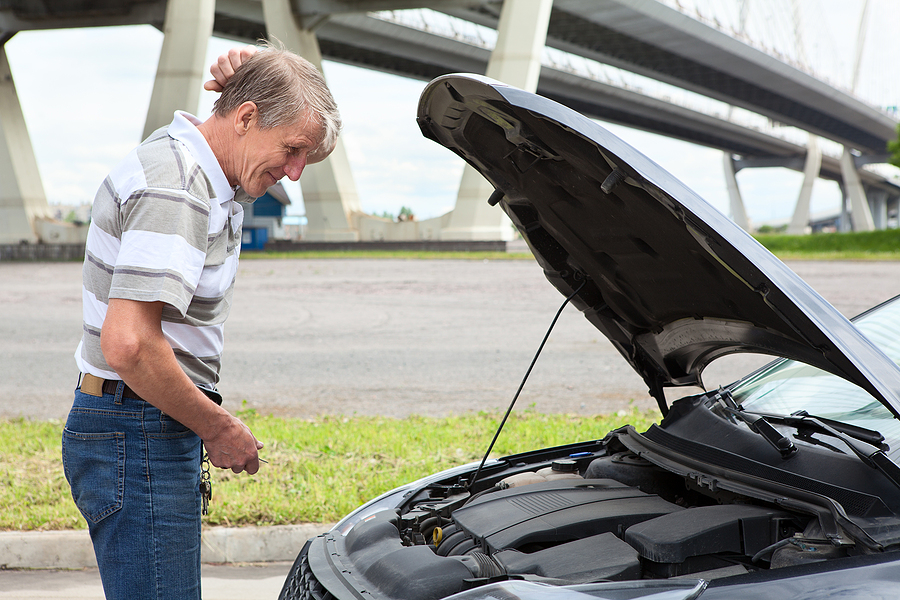
Seeing a dashboard warning light suddenly illuminate can instantly ruin a pleasant drive. Your heart might skip a beat as you wonder whether it is safe to keep driving, or if you are about to face a massive repair bill. It is a stressful experience, but knowing how to interpret these symbols can give you peace of mind and keep you safe.

Dashboard warning lights are your car’s primary way of communicating with you. They act as an early alert system for everything from minor maintenance needs to critical, immediate dangers. Ignoring them is never a good idea, as a small issue can rapidly escalate into a catastrophic engine failure if left unchecked.

Learning to identify the most common vehicle dashboard warning lights will help you make smart, safe decisions behind the wheel. In this guide, we will walk you through exactly what these symbols look like, what causes them to appear, and the exact steps you need to take when they light up your dash.

Dashboard Warning Lights

Common dashboard warning lights and their meanings

Your car’s dashboard is equipped with dozens of sensors. When something goes wrong, a specific symbol will light up. Here are the most common lights you might encounter and what they are trying to tell you.

Engine warning light (check engine light)

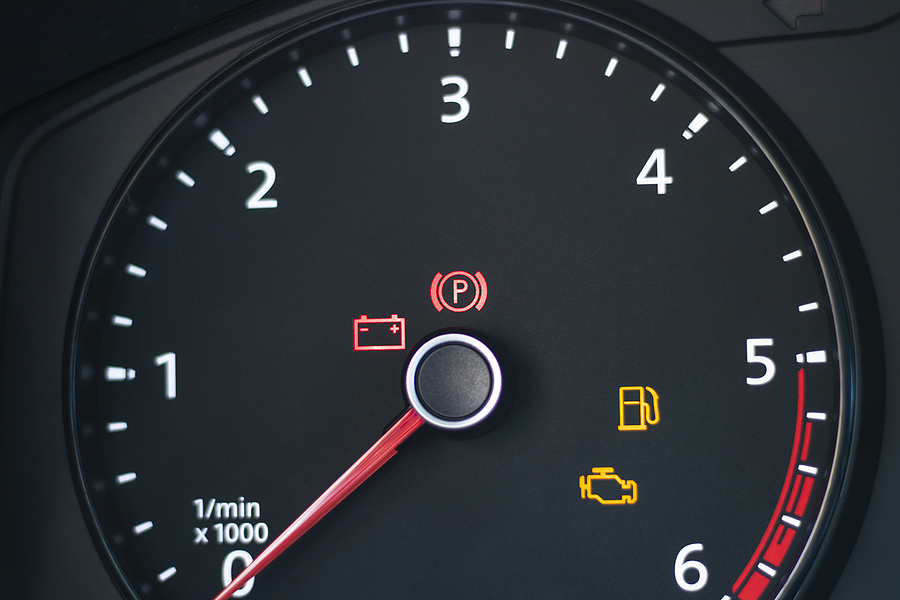
The check engine light usually looks like the silhouette of a car engine. In some vehicles, it might simply be an all-caps message that reads “CHECK ENGINE.”

This light can trigger for a variety of reasons. It might be something as minor as a loose gas cap, or it could signal a severe misfire inside the engine. If the light is solid, you should get your car to a mechanic for a diagnostic test soon. However, if the check engine light is actively blinking, pull over immediately. A blinking light indicates a serious problem that could permanently damage your engine if you continue driving.

Oil pressure warning light

This symbol looks like an old-fashioned oil can with a single drop of oil coming out of the spout. It illuminates when there is a critical problem with your engine’s oil pressure.

Proper oil pressure is vital because oil lubricates the engine’s moving parts. Without it, the engine will destroy itself through sheer friction. Common causes include low oil levels, a damaged oil pump, or an active leak. If you see this light, pull over safely, turn off the engine, and check your oil dipstick. If adding oil does not fix the issue, call for a tow.

Battery warning light

The battery warning light looks exactly like a standard car battery, complete with plus and minus symbols.

When this light comes on, it means your vehicle’s charging system is malfunctioning. You might have a dying battery, a faulty alternator, or corroded wiring. Do not be fooled if your car continues to drive normally when this light appears. Your vehicle is running on borrowed time using whatever juice is left in the battery, and it will eventually stall.

Tire pressure monitoring system (TPMS) light

The TPMS light looks like two-thirds of a circle with an exclamation point in the center and small ridges at the bottom to simulate tire tread.

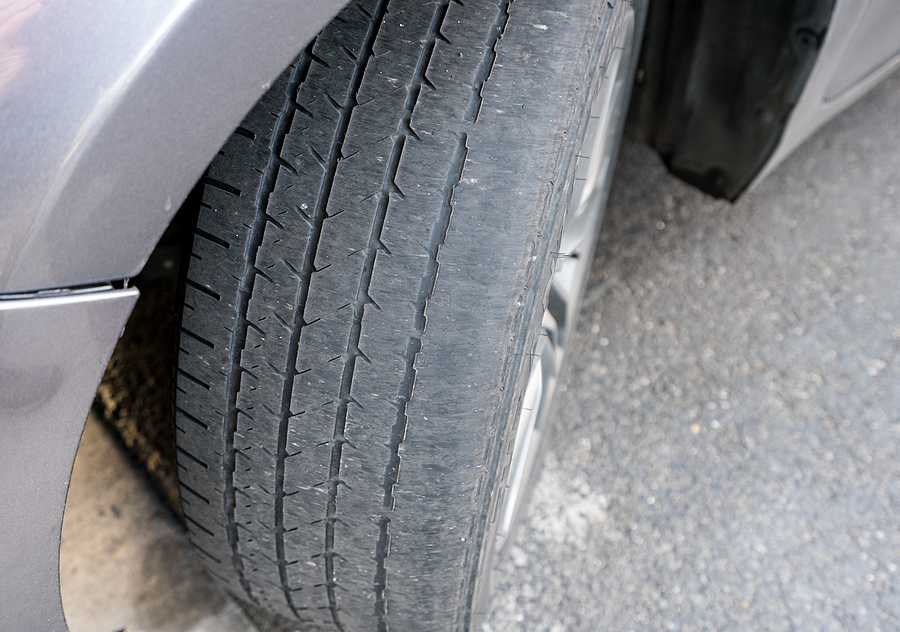
This light alerts you that the air pressure in one or more of your tires has dropped below the recommended safety level. Severely underinflated tires can lead to poor handling, decreased fuel efficiency, and dangerous blowouts. Stop at a nearby gas station to check your tire pressure and fill them to the proper levels.

Brake system warning light

Usually appearing as a circle with an exclamation mark inside—or simply the word “BRAKE”—this light requires immediate attention.

Sometimes, this light comes on simply because your parking brake is still engaged. If you release the parking brake and the light remains on, you likely have a serious issue. Common causes include dangerously low brake fluid or severely worn brake pads. Because your brakes are your most critical safety feature, you should have the system inspected immediately.

ABS warning light

The Anti-lock Braking System (ABS) light typically features the letters “ABS” inside a circle.

Your ABS prevents your wheels from locking up and skidding during sudden, heavy braking. If this light comes on, it means the system has detected a fault, such as a broken wheel speed sensor or damaged wiring. Your standard brakes will still work, but you will not have the anti-lock safety feature in an emergency stop.

Airbag warning light

This symbol usually depicts a person sitting in a car seat with a deployed airbag in front of them.

It is completely normal for this light to flash briefly when you first turn on your car. However, if it stays illuminated while you are driving, there is a malfunction in the Supplemental Restraint System (SRS). This means your airbags might not deploy in the event of an accident, leaving you without crucial protection.

Temperature warning light

The temperature warning light looks like a small thermometer taking a dip in liquid.

This is one of the most serious lights on your dash. It indicates that your engine is overheating. This is usually caused by low radiator fluid, a broken water pump, or a burst coolant hose. Driving an overheated car will quickly melt and warp internal engine components, resulting in total engine failure. Pull over, turn off the car, and wait for it to cool down before calling for help.

What to do when a dashboard light comes on

When a new symbol suddenly glows on your dashboard, your first step should always be to stay calm. Do not panic, but do not ignore it either. Perform a quick initial assessment. How is the car handling? Do you hear any strange noises? Do you smell smoke?

If you are unsure what the symbol means, pull over to a safe location and consult your vehicle’s owner’s manual. The manual will provide specific guidance for your exact make and model.

Pay close attention to the color of the light. Generally, green or blue lights just indicate that a system is active (like your high beams). Yellow or orange lights are advisory warnings, telling you that a system needs checking soon.

Red lights, however, are critical alerts. If you see a red warning light, or any flashing light, take immediate action. Pull over safely and turn off the engine to prevent further damage. You may want to consider contacting a local roadside assistance company or towing service if your vehicle is unable to drive any further.

Preventative maintenance keeps dashboard lights away

The best way to deal with dashboard warning lights is to prevent them from coming on in the first place. Regular vehicle inspections are your first line of defense against unexpected breakdowns.

Stick to your vehicle’s scheduled service intervals. Having a professional mechanic change your oil, check your fluids, and inspect your brakes on a routine basis will catch small problems before they trigger a warning light on your dash. A well-maintained car is a safe, reliable car.

Frequently asked questions about dashboard warning lights

Can I ignore a dashboard warning light?

No, you should never ignore a dashboard warning light. While some lights indicate minor issues like a loose gas cap, others warn of critical failures. Ignoring them can compromise your safety and lead to highly expensive repairs.

Are all yellow lights equally urgent?

Yellow or orange lights generally indicate that a component needs attention soon, but they are usually not immediate emergencies. However, you should still have the vehicle inspected at your earliest convenience to prevent the problem from worsening.

How can I reset a dashboard light?

While you can clear some codes using an OBD-II scanner, the light will simply come back on if the underlying issue has not been fixed. The only safe way to reset a warning light is to properly diagnose and repair the mechanical problem triggering it.

What if my owner’s manual isn’t available?

If you cannot find your physical owner’s manual, you can almost always find a digital copy online. Search for your car’s make, model, and year on the manufacturer’s official website to download a free PDF version.

Stay safe on the road

Your car works hard to keep you safe, and your dashboard warning lights are its way of asking for a little help in return. By learning what these common symbols mean and responding to them promptly, you can protect your vehicle from severe damage and ensure you make it to your destination safely. Treat your car with care, pay attention to its warnings, and never hesitate to seek professional help when a red light appears.

Need immediate roadside assistance in Indianapolis? If a critical dashboard light has left you stranded, we are here to help. We provide 24 hour roadside assistance and towing service in Indianapolis and throughout Central Indiana.

Call Now

Related Post: What to Do When Your Car Breaks Down: A Guide for Drivers

How to Contest a Tow in Indianapolis

Walking outside to find your car missing is a highly stressful experience. After the initial panic subsides, you might realize your vehicle wasn’t stolen but instead towed. While this brings a small sense of relief, it often marks the beginning of a frustrating and expensive process.

The purpose of this guide is to help you successfully contest a tow in Indianapolis. Knowing your rights and the proper procedures can make a significant difference. Many drivers feel powerless when dealing with towing companies and local authorities, but city ordinances offer specific protections for vehicle owners.

By familiarizing yourself with the local towing regulations, you can determine if your vehicle was removed illegally. If a towing company violated the rules, you have clear avenues to dispute the charges and seek a resolution.

Contesting a Tow in Indianapolis Indiana

Initial Steps After Your Car is Towed in Indianapolis

Verifying Your Vehicle’s Status: Is it Towed or Stolen?

Contacting Local Authorities and Impound Lots

First, confirm that a tow truck actually took your car. In Indianapolis, the city impound facility is operated by AutoReturn and is located at 325 S. Post Road. Law enforcement agencies and local towing companies update the AutoReturn system when a vehicle is impounded. You can easily search their online database or call them directly to locate your vehicle.

Gathering Initial Information

Once you confirm your car was towed, collect as much information as possible. Ask the impound lot or towing company for the exact reason for the tow, the time it occurred, and the total fees required for release. Write down the name of the towing company and the person you speak with on the phone.

Reasons for Towing in Indianapolis

Common Violations Leading to a Tow

Vehicles are typically towed for a few common reasons. These include parking in a restricted zone, blocking a fire hydrant, or having expired registration tags. Law enforcement can also authorize an emergency tow if your vehicle is involved in an accident or is creating a traffic hazard.

Private Property Towing vs. Public Property Towing

The rules vary heavily depending on where you parked. For public property like city streets and alleys, the Department of Business and Neighborhood Services (DBNS) oversees abandoned vehicles. A car left on a public street for 24 hours can be tagged.

Authorities will place a highly visible sticker on the car and chalk the tires. You then have 72 hours to correct the violation and move the vehicle before it gets towed. Private property tows, also known as non-consensual tows, happen when a business or apartment complex owner requests the removal of an unauthorized vehicle.

The Indianapolis Towing Ordinance: What You Need to Know

Key Provisions of Indianapolis Towing Laws

Chapter 995 of the municipal code strictly regulates non-consensual tows to prevent predatory practices. Towing companies must hold a valid license issued by the DBNS. Furthermore, vehicles towed from private lots must be taken immediately to a storage facility within a 15-mile radius of the original location.

Permissible Towing Scenarios

Property owners cannot tow vehicles arbitrarily. For a legal non-consensual tow, the property owner or their authorized agent must complete a written authorization form for that specific vehicle. The tow yard must also allow you to retrieve your vehicle 24 hours a day, and the car must be available for release within 60 minutes of the tow initiating.

Required Notifications from Towing Companies

Tow companies must keep a detailed log of all vehicles brought to their lot. While the property owner requests the tow, the towing company is legally responsible for reporting the vehicle to the AutoReturn system so you can easily locate it.

Towing Company Responsibilities and Prohibited Practices

Fair Pricing and Itemized Billing

Indianapolis imposes strict fee caps on non-consensual tows. The maximum non-consensual tow fee is $150. After the vehicle has been at the tow yard for 24 hours, the company can charge a maximum of $30 per day for storage. All towing businesses must accept credit and debit cards for these payments. If a company demands cash only or attempts to charge more than these limits, they are violating city ordinances.

Avoiding Predatory Towing Tactics

Predatory towing happens when companies remove cars illegally to generate quick fees. Examples include towing a car without the property owner’s signature or failing to post proper warning signs in a parking lot. Knowing these rules allows you to spot unlawful behavior immediately.

Preparing to Contest Your Indianapolis Tow

Documentation is Key: What to Collect

Photos, Tickets, and Witness Statements

If you believe your car was towed illegally, gather evidence as quickly as possible. Take photos of the parking lot where you left your car. Focus on the entrance and the specific spot you parked in to document any missing or obscured warning signs. If anyone saw the tow occur, ask for their contact information.

Proof of Ownership and Valid Registration

To contest a tow or even retrieve your vehicle, you need to prove it belongs to you. Always bring a valid state-issued photo ID and proof of vehicle ownership. This usually means a valid registration card or the vehicle title.

Grounds for a Successful Contest

Improper Signage or Notice

A highly effective way to contest a non-consensual tow is to prove the parking lot lacked adequate signage. Chapter 995 requires permanent signs with specific details about towing to be prominently posted in the lot. If these signs were hidden, illegible, or completely missing, the tow might be deemed unlawful.

Unlawful Towing Zones

Sometimes, towing companies accidentally remove cars from legal parking spots. If you can prove you were parked on a public street without violating any time limits or parking restrictions, you have strong grounds for a dispute.

Excessive or Unauthorized Fees

In the case that the tow yard charges you more than the $150 maximum fee or the $30 daily storage limit for a private property tow, you can formally dispute the charges. Request an itemized bill before you pay so you can check for hidden, unauthorized costs.

The Process of Contesting a Tow in Indianapolis

Formal Complaint Procedures

Filing a Complaint with the Towing Company

Discuss the issue directly with the towing company’s management. Present your evidence clearly and professionally. Sometimes, presenting proof of an illegal tow is enough for them to release the vehicle or refund your money to avoid regulatory trouble.

Engaging City Agencies or Consumer Protection

If you feel like the towing service is being uncooperative, escalate the issue. If your car was incorrectly towed as abandoned from a public street, you can submit an Abandoned Vehicle Tow Dispute Form online through the DBNS. If the issue involves a non-consensual tow from private property, you can report the violation by emailing TOWS@indy.gov or calling 317-327-TOWS.

Seeking Legal Counsel for a Towed Vehicle

When to Consult an Attorney

Most towing disputes can be resolved through city agencies. However, if the towing company damaged your vehicle extensively or sold it illegally, you may need professional legal advice. An attorney can review the facts and tell you if you have a viable case against the property owner or the tow operator.

Small Claims Court Options

If city complaints do not result in a refund, you can take the towing company to small claims court. Indiana small claims courts handle disputes involving relatively low dollar amounts. You will need to present your photos, itemized receipts, and copies of the municipal code to a judge to prove the tow was unlawful.

FAQ

Can I get my car back without paying the tow fee first?

Typically, no. Most impound lots require you to pay the fees before they release the vehicle. It is generally best to pay the fee to stop daily storage charges from accumulating, get a detailed receipt, and then file a formal dispute to seek a refund.

What if the towing company damaged my vehicle?

Take detailed photographs of the damage before you drive the car off the impound lot. Notify the lot attendant immediately and file a written damage claim with the towing company. If they refuse to pay for repairs, you may need to file a claim with your auto insurance or take the company to small claims court.

How long do I have to contest a tow in Indianapolis?

For public tows overseen by the city, you typically have a short window, often 10 days, to request an administrative review. For private property tows, it is best to file a complaint with DBNS immediately while the evidence is fresh.

What are common mistakes to avoid when contesting a tow?

The biggest mistake is leaving your car at the impound lot while you argue. Storage fees will continue to add up daily. Another mistake is failing to take photos of the parking location immediately after discovering the car is gone.

Next Steps for Indianapolis Vehicle Owners

Contesting a tow requires patience, solid evidence, and a firm grasp of local laws. The city of Indianapolis provides clear rules to protect drivers from unfair fees and predatory practices. By acting quickly, documenting the scene, and filing complaints with the correct city departments, you can successfully fight back against unlawful towing.

Always review the signage before you park, keep your vehicle registration current, and address parking tickets promptly. For information about a possible towed car in Indianapolis, contact us to check our impound for your towed vehicle today.

Call Us Directly Now

Related Post: Car Just Got Towed? What Happened and What to Do Next

Your Guide to Roadside Assistance for Large Trucks

Driving a heavy-duty truck is a demanding job, and experiencing a breakdown on the side of a busy highway brings immediate stress. When you are hauling vital cargo, every minute your truck sits idle affects your delivery schedule and your bottom line. An unexpected mechanical failure can leave you feeling stranded and concerned about safety.

Understanding the root causes of these breakdowns helps you prepare for the unexpected. While some mechanical issues are unavoidable, knowing exactly what to do and who to call makes a stressful situation manageable. A reliable response plan protects your vehicle, your cargo, and your peace of mind.

This comprehensive guide covers the most frequent mechanical problems heavy-duty trucks face on the road. We will explore how specialized roadside assistance minimizes costly downtime, what criteria to look for in a service provider, and proactive steps you can take to keep your fleet running smoothly.

Call 317-247-8484 for Large Truck Roadside Assistance in Indianapolis

Common Roadside Issues for Heavy-Duty Vehicles

Large trucks endure intense daily wear and tear. Recognizing the symptoms of common mechanical failures allows you to act quickly and safely when trouble arises.

Tire Trouble: Blowouts and Punctures

A blown semi-truck tire is an alarming experience that compromises vehicle control. Underinflation remains a primary culprit for commercial tire failures. When a tire lacks proper air pressure, it flexes excessively, generating severe heat that weakens the rubber structure. Road debris and uneven tread wear also lead to dangerous punctures and sudden blowouts.

Engine Malfunctions and Overheating

Pulling heavy loads up steep grades or idling for long periods places immense strain on a diesel engine. Overheating frequently occurs due to coolant leaks, a malfunctioning thermostat, or a broken radiator fan. If you notice the temperature gauge spiking or smell burning fluids, pulling over immediately can prevent catastrophic engine failure.

Electrical System Failures

Modern trucks rely heavily on complex electrical systems. Dead batteries, faulty alternators, and corroded starter connections can leave a truck completely unresponsive. Symptoms often start small, such as dimming headlights or flickering dashboard gauges, before escalating to a total loss of power.

Fuel Delivery Problems and Run-Outs

Running out of fuel is a frustrating disruption, but fuel delivery issues also stem from mechanical faults. Clogged fuel filters restrict flow to the engine, causing sputtering and loss of power. In colder climates, diesel fuel can gel, blocking fuel lines and bringing the truck to a complete halt.

Brake System Complications

Air brake systems require precise pressure to function safely. Leaking air lines, frozen valves in the winter, or worn brake pads drastically increase stopping distances. Brake system complications require immediate professional attention to ensure the safety of the driver and surrounding motorists.

The Importance of Specialized Truck Roadside Services

Standard towing companies simply lack the equipment required to handle an 80,000-pound commercial vehicle. You need a specialized provider equipped for heavy-duty emergencies.

Equipment and Expertise

Commercial trucks require heavy wreckers, specialized mobile diagnostic computers, and heavy-duty pneumatic tools. Certified diesel technicians understand the complexities of air brakes and commercial powertrains. This specific expertise ensures repairs are done correctly and safely the first time.

Minimizing Downtime and Costs

Vehicle downtime is expensive. Industry estimates show that a grounded commercial vehicle can cost a fleet hundreds of dollars per day in lost revenue and missed delivery windows. Mobile truck repair services diagnose and fix many common issues directly on the shoulder of the road. This eliminates the need for truck towing service and gets your driver back on route faster.

Safety on the Road

A disabled semi-truck creates a serious hazard on a high-speed interstate. Specialized roadside assistance teams prioritize scene safety. They deploy high-visibility signage, position their service trucks strategically to shield your vehicle, and work efficiently to resolve the issue while protecting everyone involved.

Choosing the Right Roadside Assistance Provider

Selecting a trusted partner before an emergency happens saves you valuable time. Consider these essential factors when evaluating service providers.

24/7 Availability

Breakdowns do not adhere to a standard work schedule. Your chosen roadside assistance service provider must offer round-the-clock dispatch and support. Nighttime and holiday availability ensures you are never left waiting on the side of the road for business hours to begin.

Service Area and Response Time

A provider’s proximity directly affects how long you wait for help. Look for companies with a wide service radius and a track record of rapid dispatch times. Clear communication regarding estimated arrival times reduces anxiety for the stranded driver.

Technician Qualifications and Experience

The person working on your truck should be highly trained. Ask potential providers about their hiring standards. ASE-certified mechanics with extensive diesel experience can quickly identify complex engine and electrical faults that an inexperienced technician might miss.

Transparent Pricing

Emergency situations sometimes lead to unexpected expenses. Reputable roadside assistance companies offer clear, upfront pricing models. Look for a provider willing to explain their hourly rates, call-out fees, and mileage charges before they dispatch a truck.

Preventing Roadside Breakdowns for Large Trucks

While you cannot predict every hazard on the road, proactive fleet management drastically reduces the likelihood of severe breakdowns.

Regular Maintenance Schedules

Adhering to a strict preventative maintenance schedule keeps vital components in top condition. Regularly changing oil, replacing fuel filters, and checking battery connections prevents minor wear from turning into major failures.

Pre-Trip Inspections

Thorough pre-trip inspections are your first line of defense. Drivers should diligently check tire pressure, inspect air lines for audible leaks, and verify all fluid levels before turning the key. Catching a soft tire in the yard is far safer than dealing with a blowout on the highway.

Driver Training and Awareness

An attentive driver is incredibly valuable. Train your team to listen for unusual engine noises, monitor dashboard warning lights, and recognize changes in handling. Empowering drivers to report small issues early prevents costly roadside emergencies later.

Frequently Asked Questions (FAQ)

What types of trucks do you service?

Here at Zore’s Towing, we service a wide variety of heavy-duty vehicles, including semi-trucks, box trucks, flatbeds, dump trucks, and commercial buses. Our technicians are equipped to handle Class 7 and Class 8 commercial vehicles.

How quickly can you respond to a call?

Response times vary based on traffic, weather, and your exact location. However, we prioritize rapid dispatch and typically arrive at most local highway breakdowns within 45 to 60 minutes.

Do you offer mobile truck repair?

Yes, our service trucks act as mobile repair shops. We can perform many services roadside, including tire replacements, and jump-starts.

What payment methods do you accept?

We accept major credit cards, fleet checks, and established corporate accounts. Our goal is to make the payment process as smooth as possible so you can focus on getting moving again.

Getting Your Fleet Back on Track

A disabled truck interrupts your business operations and causes significant stress. By understanding the common causes of commercial vehicle breakdowns and implementing proactive maintenance habits, you protect your fleet and your drivers. Establishing a relationship with a reliable roadside service provider ensures that when trouble does strike, you have a knowledgeable team ready to help.

If you are dealing with a truck breakdown in Central Indiana, help is nearby. We provide rapid, heavy-duty roadside assistance throughout Indianapolis and surrounding towns, including Carmel, Fishers, Noblesville, and Greenwood. Do not let a mechanical failure ruin your schedule. Request immediate service or contact us for a free quote right now.

Call Now for Assistance

Related Post: The Safest Ways to Tow a Pickup Truck and Mistakes to Avoid

Why Your Business Needs a Property Management Towing Provider

Managing a commercial property comes with a long list of responsibilities. You work hard to keep your building clean, your tenants happy, and your customers safe. Yet, an unorganized parking lot can quickly create frustration for everyone visiting your location. When unauthorized or abandoned vehicles take up valuable spaces, your legitimate customers and residents suffer the consequences.

A reliable property management towing service provides a clear, effective solution to parking lot chaos. By partnering with a professional towing company, you regain control over your property, ensuring that the people who belong there always have a safe and accessible place to park.

Understanding how these services work and the specific laws governing your area is crucial for maintaining healthy property operations. This guide explains the core benefits of commercial towing services, the common parking challenges businesses face, and how to choose the right towing partner for your location.

Call 317-247-8484 For Property Management Towing in Indianapolis Indiana

Understanding Property Management Towing

Property management towing is a specialized service designed for commercial property owners, retail centers, and apartment complexes. It involves the legal and systematic removal of unauthorized, abandoned, or improperly parked vehicles from private parking lots. Towing companies typically work with property managers to install appropriate signage, patrol the lots, and remove vehicles that violate the property’s established rules.

Why is it essential for businesses?

An open, accessible parking lot is vital for smooth daily operations. If customers cannot find a place to park, they will likely take their business elsewhere. For residential complexes, tenants expect guaranteed parking as part of their living arrangement. Property management towing enforces your parking policies, ensuring that spaces remain available for those who actually need and deserve them.

Benefits for Businesses

Maintaining Order and Accessibility

A structured parking environment prevents vehicles from blocking fire lanes, dumpsters, and driving lanes. So, regular parking enforcement guarantees that your lot remains easy to enter and exit, improving the overall experience for your visitors.

Improving Safety and Security

Abandoned vehicles parked in dark corners can attract vandalism and crime. Removing neglected vehicles minimizes these risks. Furthermore, keeping fire lanes and loading zones clear ensures that emergency responders can access your building immediately during a crisis.

Protecting Property Value

The appearance of your parking lot heavily influences a visitor’s first impression. A lot filled with broken-down, abandoned vehicles looks unprofessional and neglected. Active towing enforcement keeps your property looking clean, well-maintained, and highly valued.

Lowering Liability Risks

If a vehicle is parked dangerously—such as blocking a sightline or a fire hydrant—it creates a hazard. Should an accident occur due to obstructed views or blocked emergency paths, the property owner could face liability issues. Therefore, promptly removing these vehicles mitigates potential legal headaches.

Ensuring Compliance with Regulations

State and local laws require property owners to keep specific areas, like handicap spaces and fire lanes, clear at all times. Consequently, failure to comply can result in steep fines. In Indianapolis, property owners can face fines for keeping abandoned vehicles on site. A qualified towing partner ensures you stay on the right side of the law.

Common Challenges Businesses Face

Unauthorized Parking

Commuters, event attendees, or customers of neighboring businesses often use private lots to avoid paying for parking. This leaves your actual customers circling the lot in frustration.

Abandoned Vehicles

Sometimes, individuals leave broken-down vehicles on private commercial property indefinitely. These vehicles take up valuable space, leak hazardous fluids onto your pavement, and become eyesores.

Parking Lot Congestion

When parking rules are ignored, vehicles may park on the grass, across multiple spaces, or in driving lanes. This congestion creates a chaotic environment that deters customers and frustrates tenants.

How a Private Property Towing Service Can Help

Timely and Efficient Vehicle Removal

A professional towing service responds quickly to your requests. In situations involving unsafe conditions or vehicles parked in handicap spots without a placard, towing companies can act immediately to resolve the hazard.

Clear Signage and Enforcement

Under Indiana Code § 24-14-4-2, commercial private property owners must post conspicuous tow-away zone signs. These signs must state that the area is a tow-away zone, provide pertinent contact information, and describe who is permitted to park there. A professional towing company will supply and install custom signage that meets all legal requirements, thus deterring violators before they even turn off their engines.

Legal Compliance and Documentation

Towing a vehicle requires strict adherence to state and municipal codes. In Indianapolis, Ordinance Section 995-302(a) allows vehicles to be immediately towed from private lots if they lack a required parking permit or are illegally parked. A reputable towing partner like Zore’s Inc. in Indianapolis understands these nuances, provides compliance assessments, handles all the necessary tagging, and maintains proper documentation to protect your business.

Choosing the Right Property Management Towing Partner

Experience and Reputation

Look for a towing company with a proven track record in commercial property management. They should have experience handling everything from retail centers to large apartment complexes, backed by positive reviews from other local property managers.

Licensing and Insurance

Always verify that your towing partner holds the proper state licenses and comprehensive insurance. This protects your business from liability in the rare event that a vehicle is damaged during the removal process.

Responsiveness and Availability

Parking issues do not stick to regular business hours. Your towing partner should offer 24/7 dispatch and availability so you can address emergencies, blocked dumpsters, or safety hazards at any time of day or night.

Transparent Pricing

Choose a company that operates with complete transparency regarding their fees. Generally, the cost of towing is passed on to the owner of the illegally parked vehicle, meaning the service often operates at no direct charge to the property owner.

Frequently Asked Questions (FAQ)

What types of properties benefit most from towing services?

Apartment complexes, retail shopping centers, office buildings, restaurants, and medical facilities see the highest benefit. So any property that relies on dedicated parking for customers, patients, or tenants needs a way to enforce their parking rules.

How quickly can a vehicle be removed?

Response times vary, but many towing companies offer 24-hour service and can dispatch a truck within minutes. For specific violations like blocking a fire lane or an unsafe condition, vehicles can be towed immediately. As for other violations, like expired plates or flat tires, property managers typically apply a 72-hour warning tag before towing.

What are the legal requirements for towing?

In Indiana, properties must display highly visible signage at entrances indicating that unauthorized vehicles will be towed at the owner’s expense. The signs must include the towing company’s contact information. Presently, certain municipal ordinances, such as those in Indianapolis, grant property owners the right to tow immediately if a vehicle is parked without a required permit.

How much does property management towing cost?

For the property owner, setting up a towing agreement and having compliant signage installed is typically free. When a vehicle is towed, the cost falls on the vehicle’s owner. In Indiana, the standard local tow cost averages between $70 and $135, plus additional daily storage fees.

Protect Your Property With Reliable Towing Services

Maintaining a safe, orderly, and accessible parking lot is an essential part of running a successful business or residential community. By understanding the laws and partnering with a professional towing service, you eliminate the stress of unauthorized parking and abandoned vehicles. Your customers will appreciate the open spaces, and your tenants will value the security of knowing their parking spots are protected.

If you are struggling with parking lot congestion and unauthorized vehicles, it is time to take action. For reliable, legally compliant property management towing services in Indianapolis, Zionsville, Carmel, Fishers, Noblesville, Greenwood, and surrounding towns, reach out to our professionals today. Keep your property safe and accessible for the people who matter most.

Request a Free Quote

Related Post: Property Management Towing: A Guide to Handling Unauthorized Vehicles

Locked Keys in Car: Your Step-by-Step Recovery Guide

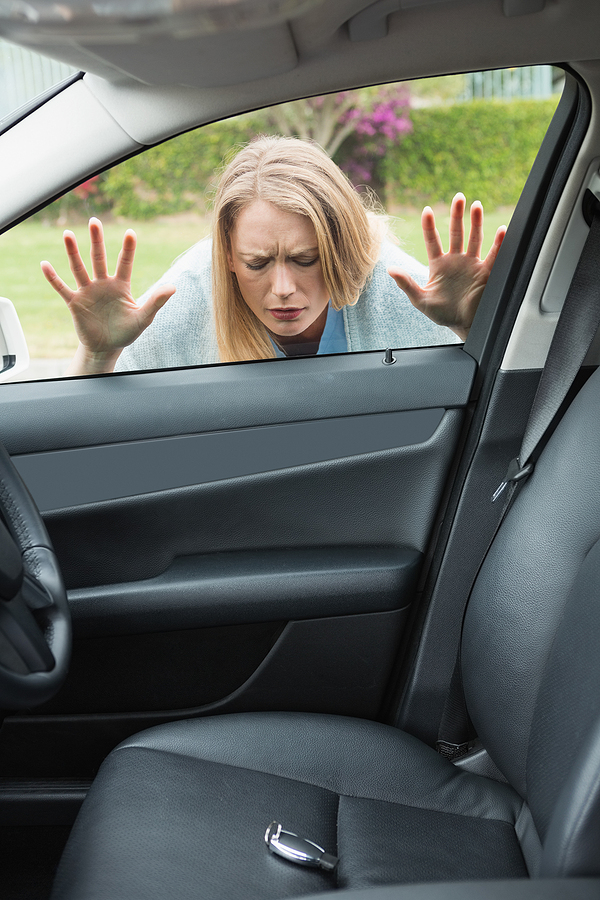
Seeing your keys sitting on the driver’s seat through a locked window causes a sudden sinking feeling. That moment of realization brings an immediate wave of stress, especially if you have somewhere important to be. A vehicle lockout disrupts your entire schedule and leaves you feeling stranded.

You certainly are not alone in this frustrating situation. Studies show that over four million people lock their keys in their cars every year, while another 20 million simply misplace them. This common mistake happens to the best of us, often when we are distracted or rushing to our next destination.

Understanding how to handle a car lockout safely is crucial for getting back on the road. Taking the wrong approach can cause expensive damage to your vehicle. This guide will walk you through the immediate steps to take, safe do-it-yourself unlocking methods, and how to know when it is time to call in the professionals.

Call 317-247-8484 if You Locked the Keys in Your Car in Indianapolis Indiana

Immediate Steps to Take When You’re Locked Out

Panic often sets in the moment you hear the door click shut. Taking a deep breath and following a few simple steps will help you handle the situation effectively.

Check All Doors and the Trunk

Our first instinct is often to tug at the driver’s side door handle repeatedly. Stop and walk around the vehicle instead. Check every single door, including the passenger doors and the trunk. Sometimes a faulty actuator or a simple oversight means one door remains unlocked. If you can access the trunk, you might be able to fold down the rear seats and crawl into the main cabin.

Assess Your Safety and Surroundings

Your physical safety always takes priority over recovering your keys. Take a look around your environment. If you are parked in a dark, unfamiliar area, or if you are standing near high-speed traffic, move to a safe, well-lit location nearby.

If a child or a pet is locked inside the vehicle on a warm day, do not attempt time-consuming DIY methods. Call emergency services immediately, as vehicle interiors can reach fatal temperatures in a matter of minutes.

Safe DIY Methods to Unlock Your Vehicle

If you are safe and have some time, you might be able to unlock the vehicle yourself. These methods work best on older vehicles, but they require patience and a gentle touch.

Using a String or Shoelace (Manual Locks)

If your car features vertical manual lock posts that stick up near the window ledge, a standard shoelace can save the day. Here’s what to do:

  1. Take a long shoelace or a strong piece of string. Tie a slipknot right in the middle. A slipknot is a sliding loop that will cinch tightly when you pull the ends.
  2. Work the string into the corner of the car door, sliding it back and forth to get it past the weather stripping.
  3. Lower the loop over the lock post, pull both ends of the string to tighten the knot around the post, and pull upward to unlock the door.

The Inflatable Wedge and Long Reach Tool Method

For cars with power locks or smooth manual buttons, the wedge method is highly effective. You will need a commercial inflatable air wedge and a long reach tool (a long, sturdy piece of metal with a hooked end). Try this:

  1. Gently insert the deflated air wedge between the top corner of the car door and the door frame.
  2. Pump the wedge slowly to inflate it. This creates a small, harmless gap between the door and the frame.
  3. Slide the long reach tool through the gap, guide it toward the unlock button or the door handle, and apply pressure to open the door.
  4. Release the air from the wedge immediately afterward to prevent bending the door frame.

When to Call Roadside Assistance Professionals

Modern vehicles feature advanced security systems designed specifically to keep people out. Sometimes, attempting to unlock the car yourself simply will not work.

Benefits of Using a Certified Roadside Service

Calling a professional roadside assistance service provides peace of mind. Trained technicians arrive with specialized tools and the expertise to handle any vehicle make or model. They work quickly, often unlocking a vehicle in just a few minutes. This saves you the frustration of standing in a parking lot trying to manipulate a shoelace for an hour.

Avoiding Damage to Modern Power Locks and Windows

Improper use of makeshift tools can result in costly repairs. Shoving coat hangers or metal rods into your door panel can sever wiring for power windows, tear the delicate weather stripping, or scratch your exterior paint. Prying the door open too far can even shatter the glass. Professional technicians know exactly how much pressure to apply to avoid damaging your vehicle.

Frequently Asked Questions About Vehicle Lockouts

Can I unlock my car with a smartphone app?

Yes, many modern vehicle manufacturers offer smartphone integration. Apps like OnStar, UConnect, and aftermarket solutions like DroneMobile or Car Chabi allow you to lock and unlock your doors remotely. If you have one of these services activated, you can simply tap a button on your phone to get back inside.

Will calling a locksmith damage my car door?

A trained, certified professional will not damage your vehicle. They use industry-standard equipment, such as specialized air wedges and protective sleeves, to bypass the locking mechanism safely.

How long does a professional lockout service usually take?

Response times vary based on your location and traffic conditions. However, most professional roadside assistance teams strive to reach you within 30 to 45 minutes. Once they arrive, the actual unlocking process usually takes less than five minutes.

In Summary

Developing a few simple habits can keep you from ever facing a lockout again. Always keep your keys on a designated key ring or lanyard to make them more noticeable. Force yourself to lock the doors using the key fob from the outside, rather than pressing the lock button on the door panel as you exit. You might also consider keeping a spare key in your wallet or giving one to a trusted family member.

If you find yourself staring at your keys through the window, do not panic. We provide fast, 24/7 roadside assistance in Indianapolis, Indiana. Our expert technicians are available seven days a week to get your keys out of your vehicle in no time. Give us a call, and we will get you safely back on the road.

Call Now for Service

Related Post: Roadside Assistance Exposed: Myths and Truths Every Driver Should Know

How to Tow Illegally Parked Cars in Indiana

Unauthorized, illegally parked vehicles on your property are more than an inconvenience—they can block tenants, disrupt business operations, and create real liability concerns. The good news? Indiana law gives property owners clear authority to act.

This guide walks you through everything you need to know: your legal rights under Indiana law, how to document a violation, what Central Indiana rules apply, and how to stop unauthorized parking from happening again.

Call 317-247-8484 to Tow an Illegally Parked Car in Indianapolis

Your Legal Rights as a Property Owner in Indiana

As a private property owner in Indiana, you have the right to have unauthorized vehicles removed. Under Indiana Code (IC 24-14-4), commercial property owners can establish tow-away zones and authorize towing without the vehicle owner’s consent. For residential private property, IC 9-13-2-1 defines a vehicle as abandoned if it has remained on your property without your consent for more than 48 hours—giving you grounds to initiate removal.

The key distinction to understand: commercial private property and non-commercial residential property are treated somewhat differently under Indiana law. Commercial owners have broader authority to set up designated tow-away zones with posted signage and a pre-arranged towing company. Residential owners typically rely on the abandoned vehicle statutes and must involve local authorities or DBNS (in Indianapolis/Marion County) to initiate removal.

How to Identify and Document an Illegally Parked Vehicle

Before you make a call, proper documentation protects you from potential disputes. Here’s what to record:

  • Date and time the vehicle was first observed on your property
  • Photographs of the vehicle from multiple angles, including the license plate
  • Written notes describing the vehicle (make, model, color, and any identifying details)
  • Confirmation that the vehicle does not belong to a tenant, visitor, or authorized party

If the vehicle has been present for more than 48 hours without your consent, this documentation supports a formal abandoned vehicle claim. Keep records organized—they may be needed if the vehicle owner disputes the tow.

Central Indiana Towing Rules You Need to Know

Indiana law sets the baseline, but local ordinances add important layers—especially in Indianapolis and Marion County.

State Law (Indiana Code Title 24, Article 14)

Under IC 24-14-4-2, commercial property owners who establish a tow-away zone must post a conspicuous, publicly visible sign that includes:

  • A statement that the area is a tow-away zone
  • Pertinent contact information
  • A description of who is permitted to park there, if applicable

Once a vehicle is towed, the towing company must notify the local law enforcement agency within two hours of completing the tow, if required by that agency. The towed vehicle must be transported to a storage facility within 40 miles of the tow location.

Indianapolis & Marion County (Chapter 995)

The City of Indianapolis goes further through its Department of Business and Neighborhood Services (DBNS), which regulates non-consensual tows under Chapter 995 of the municipal code. Here’s what that means for property owners and towing companies operating in Indianapolis:

  • Permanent signage with specific towing details must be posted in the parking lot
  • Every non-consensual tow requires a written authorization form completed by the property owner or their authorized agent
  • The vehicle must be taken to a tow yard in Marion County or within 15 miles of where it was towed
  • The vehicle must be available for retrieval within 60 minutes of the tow beginning, with 24-hour access
  • The maximum tow fee is $150, plus up to $30/day for storage after the first 24 hours
  • Towing companies must hold a valid Towing License issued by DBNS

For abandoned vehicles on private property in Indianapolis, you can report the issue through the Mayor’s Action Center (MAC) or RequestIndy. You’ll also need to submit an affidavit to DBNS at bns.propertyinspections@indy.gov to initiate the process.

Note: If your property is located in an excluded city—Lawrence, Beech Grove, Speedway, or Southport—contact that city directly for local towing ordinances, as DBNS jurisdiction does not extend there.

Contacting a Towing Service for Removal

Once you’ve documented the violation and confirmed the relevant rules apply, it’s time to contact a licensed towing company.

For commercial property owners, you can call a pre-authorized towing company directly, provided your tow-away zone signage is properly posted and the tow complies with state and local requirements. You can also outsource property management towing for around-the-clock security.

For residential property owners in Indianapolis, the process involves reporting through DBNS, who will then engage Last Chance Wrecker (LCW)—the city’s authorized provider—to tag the vehicle and begin the 72-hour notification process before towing.

When working with any towing company, confirm that they:

  • Hold a valid towing license for your jurisdiction
  • Provide itemized invoices (required under IC 24-14-5)
  • Follow proper notification procedures to local law enforcement
  • Store vehicles within the legally required distance

For fast, compliant removal—any time of day—our 24-hour property management towing service covers Central Indiana at affordable rates. Call us now for rapid response and professional service.

How to Prevent Future Unauthorized Parking

Dealing with one unauthorized vehicle is a frustration. Dealing with the same problem repeatedly is a drain on time and resources. A few proactive steps go a long way.

  • Post clear signage. Under Indiana law, proper tow-away zone signs are not just a legal requirement—they are a deterrent. Make signs highly visible, especially near entrances and throughout the lot.
  • Mark authorized spaces. Numbered spots, permits, or parking stickers help identify who belongs and who doesn’t. This makes enforcement faster and disputes easier to resolve.
  • Install security cameras. Visible cameras discourage unauthorized parking and provide documentation if a dispute arises.
  • Establish a towing agreement. Having a standing agreement with a licensed towing company means faster response times and no scrambling when a problem vehicle appears.
  • Notify tenants or employees. Regular reminders about parking policies—especially for apartment complexes or shared commercial spaces—reduce confusion and unintentional violations.

Frequently Asked Questions

Who is responsible for paying towing fees?

The vehicle owner is responsible for all towing and storage fees. Under Indiana law, fees must be itemized and the vehicle owner must be notified. In Indianapolis, maximum non-consensual tow fees are set by ordinance: no more than $150 for the tow and $30/day for storage after the first 24 hours.

Can I be held liable if the vehicle is damaged during towing?

Towing companies are required by Indiana law to properly secure towed vehicles and take reasonable steps to prevent damage. If damage occurs due to negligence by the towing company, liability typically falls on them—not the property owner. Using a licensed, reputable towing company reduces this risk significantly.

What if the vehicle owner disputes the tow?

In Indianapolis, vehicle owners can request an administrative review through DBNS by submitting an Abandoned Vehicle Tow Dispute Form. As a property owner, your documentation—photos, timestamps, affidavits—serves as your evidence that proper procedures were followed.

Can I tow a car immediately, or do I have to wait?

It depends on the situation. On commercial property with posted tow-away zone signage, towing can be initiated promptly. For residential private property, Indiana’s abandoned vehicle statute requires the vehicle to have been on your property without consent for more than 48 hours before it qualifies as abandoned. Exceptions exist for vehicles that pose a hazard or obstruct access.

Do I need to involve law enforcement?

Not always. For commercial property tows, you typically work directly with a licensed towing company. However, the towing company may be required to notify local law enforcement within two hours of completing the tow. For abandoned vehicles in Indianapolis, DBNS manages the process and coordinates with authorized towing providers.

Protect Your Property with Reliable Towing Support

Unauthorized parking doesn’t resolve itself. Knowing your rights, following the correct procedures, and working with a licensed towing company gives you a clear, legally sound path to reclaiming your property.

Need fast, professional help? Our 24-hour property management towing service operates throughout Central Indiana with affordable rates and quick response times. Don’t wait for the problem to grow—contact us today.

Call Now to Request a Tow

Related Post: Property Management Towing: A Guide to Handling Unauthorized Vehicles

How to Choose a Reliable Wrecker Service in Indianapolis

TL;DR: When your vehicle breaks down or is involved in an accident in Indianapolis, choosing the right wrecker service can mean the difference between a smooth recovery and costly complications. Look for providers with proper licensing (including a USDOT number registered with FMCSA), comprehensive insurance coverage, professional-grade equipment, transparent pricing, and 24/7 availability across central Indiana.

Key Takeaways:

  • Verify the wrecker service has a valid USDOT number registered in the Federal Motor Carrier Safety Administration database
  • Confirm they carry adequate insurance, including on-hook coverage and garagekeepers liability
  • Ask about response times and ensure they offer 24/7 emergency service throughout Indianapolis and central Indiana
  • Look for modern equipment such as flatbed trucks, wheel-lift systems, and proper cargo securement tools
  • Request itemized pricing upfront to avoid hidden fees and understand all charges before service begins
  • Under Indiana’s new 2025 law, you can file a complaint with the Indiana Attorney General if charges seem unreasonable

Table of Contents:

  1. Why Choosing the Right Indianapolis Wrecker Service Matters
  2. Response Time and Availability: Getting Help When You Need It
  3. Essential Equipment for Safe Vehicle Recovery
  4. Licensing and Insurance Requirements in Indiana
  5. Pricing Transparency and Avoiding Hidden Fees
  6. Quick Recap
  7. Frequently Asked Questions
  8. Request Wrecker Service
Call 317-247-8484 For 24 Hour Wrecker Service in Indianapolis

Why Choosing the Right Indianapolis Wrecker Service Matters

Finding yourself stranded on I-465 or broken down on a busy Indianapolis street is stressful enough without worrying about whether your wrecker service will protect your vehicle—or your wallet. The wrong towing company can damage your car during transport, charge unreasonable fees, or leave you waiting for hours.

A reliable wrecker service does more than just move your vehicle from point A to point B. They safeguard your property, provide transparent pricing, and deliver prompt assistance when you’re most vulnerable. With the right provider, you gain peace of mind knowing your vehicle is in capable hands.

Response Time and Availability: Getting Help When You Need It

A dependable wrecker service should offer 24/7 emergency assistance with quick response times throughout Indianapolis and surrounding areas.

Breakdowns and accidents don’t follow a schedule. Whether you’re dealing with a flat tire at 3 a.m. or a collision during rush hour, you need a towing company that answers the phone and dispatches help immediately.

Ask potential providers about their average response time for your area. In metropolitan Indianapolis, a professional service should typically reach you within 30 to 45 minutes, though times may vary based on traffic conditions and your exact location.

Also confirm their service area extends throughout central Indiana. If you frequently travel beyond city limits, you’ll want a wrecker service familiar with routes and response protocols across the entire region.

Essential Equipment for Safe Vehicle Recovery

Professional wrecker services invest in modern equipment designed to transport vehicles safely without causing additional damage. Ask what equipment they’ll use for your specific situation. The equipment they use directly impacts the safety of your vehicle during transport.

A professional company will match the right tool to your vehicle’s needs. Here’s what to look for:

Flatbed Tow Trucks

These trucks feature a flat platform that tilts to allow your vehicle to be driven or winched onto the bed. Flatbeds are ideal for luxury vehicles, low-clearance cars, and all-wheel-drive vehicles because all four wheels remain off the ground during transport.

Wheel-Lift Systems

Modern wheel-lift tow trucks use a metal yoke that slides under the front or rear wheels of your vehicle. This method is faster than flatbed loading and works well for most standard vehicles. However, it’s not suitable for all-wheel-drive cars or vehicles with significant front-end damage.

Proper Securement Tools

According to Federal Motor Carrier Safety Administration regulations, cargo securement devices must prevent articles from shifting or falling during transport. Reputable wrecker services use multiple tiedowns, proper attachment points, and edge protection to secure your vehicle. Each tiedown must be “attached and secured in a manner that prevents it from becoming loose, unfastening, opening or releasing while the vehicle is in transit.”

Winches and Recovery Equipment

For vehicles stuck in ditches, snow, or mud, professional-grade winches and recovery straps are essential. These tools allow technicians to safely extract vehicles from difficult positions without causing frame damage or other harm.

Licensing and Insurance Requirements in Indiana

In Indiana, legitimate towing companies must have their DOT number registered with the Federal Motor Carrier Safety Administration (FMCSA) and carry comprehensive insurance coverage.

USDOT Number Requirements

According to Indiana’s Bureau of Motor Vehicles, all towing companies must meet specific qualifying requirements, including having their DOT number listed in the FMCSA database. The company name and address on file with FMCSA must match their registration with IN.gov, and they must maintain at least one address in Indiana.

Before hiring a wrecker service, verify their USDOT number through the FMCSA website. This simple step confirms the company operates legally and meets federal safety standards.

Essential Insurance Coverage

Towing companies should carry several types of insurance to protect your vehicle and their operations:

  • On-Hook Coverage: This insurance protects your vehicle while it’s being towed. If the tow truck is involved in an accident during transport, on-hook coverage pays for damage to your vehicle.
  • Garagekeepers Liability: This coverage protects vehicles stored at the towing company’s facility. In Indiana, towing companies must carry at least $50,000 in garagekeepers insurance covering fire, theft, explosion, and riot damage.
  • General Liability and Auto Liability: These policies protect against accidents and injuries that occur during towing operations.

Many police rotation lists in Indianapolis require towing companies to carry at least $1 million in auto liability and on-hook coverage. Don’t hesitate to ask for proof of insurance before authorizing service.

Pricing Transparency and Avoiding Hidden Fees

Transparent pricing practices separate reputable wrecker services from predatory operators who exploit drivers in distress.

Indiana has taken significant steps to address predatory towing. A new law that took effect July 1, 2025, strengthens consumer protections by requiring:

  • Itemized Invoices: Towing companies must provide detailed invoices that include the origin and destination of the tow, a full description of all services provided, and the number of miles towed. They must also attest that all invoiced items were necessary and used in the ordinary course of business.
  • No Hidden Fees: Companies cannot charge fees not listed in their written policies or contracts. They’re also prohibited from charging inspection fees to vehicle owners who want to view their vehicle or retrieve personal items.
  • Right to Dispute: Commercial carriers can file complaints with the Indiana Attorney General if they believe charges are unreasonable. Upon filing a complaint and providing 75% payment plus proof of bond for the remaining 25%, the vehicle and cargo must be released within 24 hours.

Before authorizing service, ask for a price estimate that includes:

  • Hook-up or initial connection fee
  • Per-mile towing rate
  • Any applicable storage fees
  • Extra charges for after-hours service, winching, or specialized equipment

A trustworthy towing company provides clear pricing upfront and stands behind their quoted rates.

Need reliable wrecker service in Indianapolis? Zore’s Towing serves all of central Indiana with transparent pricing, professional equipment, and 24/7 emergency assistance. Contact us now for immediate help.

Frequently Asked Questions

What should I do immediately after calling a wrecker service?

Stay in a safe location away from traffic. If possible, remain with your vehicle to guide the tow truck driver to your exact location. Have your vehicle registration and insurance information ready.

How much does towing typically cost in Indianapolis?

Towing costs vary based on distance, vehicle type, and time of day. Standard tows within Indianapolis typically range from $75 to $150 for the hook-up fee, plus $3 to $7 per mile. After-hours service or specialized recovery may cost more. Always request an estimate before authorizing service.

Can a towing company refuse to release my vehicle?

Under Indiana law, towing companies can hold your vehicle until payment is received. However, the new 2025 law allows you to file a complaint with the Attorney General if charges seem unreasonable. Once you pay 75% of the invoice and provide proof of bond for the remaining 25%, they must release your vehicle within 24 hours.

Do I need a flatbed truck or will a wheel-lift tow work?

Flatbeds are recommended for luxury vehicles, low-clearance sports cars, all-wheel-drive vehicles, and cars with significant front-end damage. Wheel-lift towing works well for most standard vehicles. A professional wrecker service will assess your situation and recommend the appropriate equipment.

What information should appear on my towing invoice?

Your invoice must include the towing company’s name, address, and phone number; a description of your vehicle; the origin and destination of the tow; mileage; a full description of all services provided; an attestation that all items were necessary; and the total charges broken down by service type.

How can I verify a towing company’s USDOT number?

Visit the FMCSA website and use their search tool to look up the company’s DOT number. This will confirm the company is registered and meets federal safety requirements.

Quick Recap:

When selecting a wrecker service in Indianapolis, remember these essential criteria:

  • Verify licensing: Confirm the company has a valid USDOT number registered with FMCSA
  • Check insurance: Ensure they carry on-hook coverage and garagekeepers liability
  • Assess availability: Choose a provider offering 24/7 service throughout central Indiana
  • Evaluate equipment: Look for modern flatbed trucks, wheel-lift systems, and proper securement tools
  • Demand transparency: Request itemized pricing before authorizing service
  • Know your rights: Under Indiana law, you can dispute unreasonable fees and must receive detailed invoices

Final Thoughts

Choosing the right wrecker service protects both your vehicle and your peace of mind during stressful situations. By verifying licensing, confirming insurance coverage, evaluating equipment, and demanding pricing transparency, you can confidently select a provider that will treat you fairly and handle your vehicle with care.

Zore’s Towing is proud to serve Indianapolis and all of central Indiana with professional wrecker services you can trust. Our team operates 24/7 with modern equipment, transparent pricing, and the proper licensing and insurance to protect your vehicle. When you need reliable assistance, we’re just a phone call away.

Call Now for Service

Related Post: 10 Reasons Why You Should Always Hire a Professional Wrecker Service

Car Stuck in a Ditch? Here’s Your Quick Guide to Getting Out

It happens in the blink of an eye. One minute you’re navigating I-465 or a back road in Fishers during a snowstorm, and the next, your wheels lose traction. The slide is silent but terrifying, and before you can correct the steering, your vehicle settles into a snowy ditch. The engine is still running, the heater is blasting, but your wheels are spinning uselessly against slick mud and ice.

Recent heavy snowfalls in Central Indiana have made this scenario all too common. Panic is a natural first reaction, but it’s the enemy of safety. Knowing exactly how to assess your situation, when to attempt a DIY rescue, and when to call for professional tow truck help can make the difference between a minor inconvenience and a dangerous roadside emergency.

This guide provides actionable steps for Indianapolis drivers to safely navigate getting a vehicle unstuck. Whether you’re dealing with a shallow slide-off or a deep embankment, you will learn the precise techniques to regain traction and when to prioritize your safety by calling a tow truck.

TL;DR: Quick steps & tips for getting your car unstuck from a snowy ditch in Indianapolis after recent heavy snowfall. Know when to DIY and when to call for emergency towing service.

Key Takeaways:

  • Assess the situation carefully before attempting to move your car.
  • Use proper techniques to avoid causing further damage.
  • Know when to call a professional towing service for safety and efficiency.

Table of Contents:

  1. Assessing the Situation: Is It Safe to Move Your Car?
  2. DIY Steps: How to Get Your Car Unstuck
  3. When to Call for Help: Emergency Towing Service
  4. Preventing Future Incidents
  5. FAQ
  6. Quick Recap
  7. Conclusion
  8. Request Emergency Towing Now
Call 317-247-8484 if Your Car is Stuck in Ditch in Indianapolis
Call 317-247-8484 for Emergency Towing if Your Car is Stuck in Ditch in Indianapolis

Assessing the Situation: Is It Safe to Move Your Car?

Before you even unbuckle your seatbelt, take a moment to breathe and assess. Your safety—and the safety of your passengers—is the absolute priority. Rushing out of the vehicle on a busy highway can be more dangerous than the ditch itself.

Check for Immediate Hazards

Look around. Are you on a busy thoroughfare like I-65 where other cars might lose control in the same spot? If visibility is low and traffic is moving fast, staying inside the vehicle with your seatbelt on and hazard lights flashing is often the safest choice.

Critical Safety Warning: Ensure your exhaust pipe is not blocked by snow or mud. The CDC warns that a blocked tailpipe can cause deadly carbon monoxide gas to build up inside the vehicle’s cabin in minutes. If you are stuck in deep snow, clear the area around the exhaust pipe immediately if it is safe to exit the vehicle.

Stability Check

How stable is the vehicle? If the ditch is steep, shifting your weight or rocking the car could cause it to tip or slide further down. If the angle feels precarious, do not attempt to move the vehicle yourself.

Physical Capability

Be honest about your physical limits. Digging a car out of heavy, wet snow is strenuous work. In cold weather, heart rates increase, and overexertion can lead to medical emergencies. If you aren’t dressed for sub-freezing temperatures or aren’t physically up for the task, wait for help.

DIY Steps: How to Get Your Car Unstuck

If you’ve determined it’s safe to proceed, you can try these proven techniques to free your vehicle. The goal is to create traction, not just spin your wheels.

1. Clear the Area

Use a shovel (or an ice scraper in a pinch) to clear snow from around all four tires. You need to reduce the resistance against the wheels. Dig out a path in the direction you intend to move—usually straight back the way you came is easiest. Clear any snow touching the underside of the car’s frame, as this can leave your wheels “high-centered” and spinning in the air.

2. Improve Traction

Your tires need something to grip. Ice and loose snow offer zero friction.

  • Sand, Salt, or Kitty Litter: These are excellent for adding grit. Sprinkle a generous amount in front of and behind the drive tires (front tires for FWD, rear for RWD).
  • Floor Mats: In an emergency, take the floor mats out of your car and wedge them under the drive tires. Note: This can ruin the mats, and they may shoot out forcibly if the tires spin too fast, so ensure no one is standing behind the vehicle.

3. The Rocking Technique

This requires patience and a gentle touch.

  1. Straighten your wheels.
  2. Switch your vehicle into the lowest gear (or “Low” for automatics).
  3. Gently accelerate forward just until the wheels slip, then immediately release the gas and let the car roll back.
  4. As it rolls back, shift to reverse and gently accelerate again.
  5. Repeat this rhythm—forward, back, forward, back—to build momentum.

Warning: Do not floor the gas. Excessive wheel spin heats up tires and can damage your transmission. If you haven’t moved after a few minutes of rocking, stop to prevent mechanical failure.

4. Tire Deflation (Last Resort)

Letting a small amount of air out of your tires can increase their surface area and improve grip. However, you must have a way to re-inflate them immediately once you are back on the road, as driving on under-inflated tires is dangerous.

When to Call for Help: Emergency Towing Service

Sometimes, no amount of kitty litter or rocking will work. Recognizing when you are beat is a smart safety move. According to the National Highway Traffic Safety Administration (NHTSA), winter weather causes thousands of injuries annually; don’t become a statistic by taking unnecessary risks.

Signs You Need a Tow Truck

  • Deep Snow or Mud: If the snow is up to the chassis or the ground is soft mud, you likely need a winch to pull you out.
  • Mechanical Issues: If you hear strange noises, smell burning rubber or transmission fluid, or see warning lights on your dashboard, stop immediately.
  • Hazardous Location: If you are stuck on a blind curve or partially blocking a lane, call 911 or emergency towing immediately.
  • Unsuccessful DIY: If you’ve been trying for 15 minutes without success, you risk damaging your vehicle or suffering from hypothermia.

When you call for tow truck service, be ready to provide your exact location (use GPS on your phone), the make and model of your vehicle, and a description of the ditch (depth, angle, distance from the road).

Preventing Future Emergency Roadside Incidents

Winter in Indiana is predictable in its unpredictability. Preparing your vehicle now can save you a headache later.

  • Winter Tires: All-season tires start to lose grip when temperatures drop below 45°F. Winter tires have specialized rubber compounds and tread patterns designed for snow and ice.
  • Drive for Conditions: Slow down. The posted speed limit is for ideal conditions, not a blizzard. Increase your following distance to 5-6 seconds.
  • Pack a Winter Kit: Don’t leave home without essential safety gear.

Frequently Asked Questions

What kind of equipment should I keep in my winter emergency kit?

A well-stocked kit should include a collapsible shovel, ice scraper, flashlight with extra batteries, jumper cables, warm blankets, gloves, hat, non-perishable snacks, water, and a bag of abrasive material like sand or non-clumping kitty litter.

How can I improve my car’s traction in snowy conditions?

Aside from installing winter tires, you can add weight to your vehicle. If you drive a rear-wheel-drive truck or car, placing bags of sand or salt in the trunk or truck bed over the rear axle can help improve stability and grip.

What are the risks of trying to get my car unstuck myself?

The biggest risks are injury from slips and falls, hypothermia, carbon monoxide poisoning (if the tailpipe is blocked), and physical injury from pushing a heavy vehicle. Mechanically, you risk overheating your transmission or damaging your tires through excessive spinning.

Quick Recap:

  • Assess: Ensure you aren’t in immediate danger from traffic and that your exhaust pipe is clear.
  • Prepare: Dig out the tires and use traction aids like sand or floor mats.
  • Execute: Use the “rocking” method gently; do not floor the gas pedal.
  • Call: If you are deep in a ditch, mechanically compromised, or unsafe, call for professional towing.
  • Prevent: Equip your car with winter tires and an emergency kit.

Stay Safe on Indiana Roads

Getting stuck is stressful, but it doesn’t have to be a disaster. By staying calm and following these steps, you can often get back on the road safely. However, never prioritize your vehicle over your physical well-being. If the situation feels unsafe or the car won’t budge, the smartest move is to wait for the professionals.

Need emergency towing service in Central Indiana? Contact us now for immediate assistance!

Call Now

Related Post: When Your Car Slides Off the Road and Gets Stuck: A Complete Recovery Guide

Stalled on I-465? How Emergency Fuel Delivery Roadside Assistance Can Help

The engine sputters, the power steering stiffens, and your heart sinks. You glance at the dashboard, hoping it’s a mechanical glitch, but the fuel gauge needle is buried firmly below the “E.” You are officially out of gas.

Whether you are navigating the loop on I-465 during rush hour or cruising a quiet backroad in Hamilton County, running out of fuel is a frustrating and vulnerable experience. It turns a routine commute into an immediate logistical nightmare. The anxiety of being stranded is compounded by the danger of passing traffic and the uncertainty of how you will get moving again.

Fortunately, modern roadside assistance has evolved beyond just tow trucks and tire changes. Emergency fuel delivery services offer a lifeline for stranded motorists, bringing the gas station to you so you can get back on the road safely and quickly. Understanding how this service works—and why it is often a smarter choice than walking to the nearest pump—can save you money, time, and significant stress.

Call 317-247-8484 For 24 Hour Fuel Delivery Service in Indianapolis Indiana

Why Do Drivers Run Out of Gas?

It is easy to assume that running out of fuel is the result of poor planning, but it happens to seasoned drivers and careful planners alike. Life gets in the way, and small variables can leave you stranded miles from your destination.

Inaccurate Fuel Gauges

In older vehicles, the fuel sender unit—the device inside the tank that measures fuel levels—can degrade over time. It might show a quarter tank remaining when you are actually running on fumes. Even in newer cars, parking on a steep incline can sometimes give a false reading, leading you to believe you have more range than you actually do.

Distracted Driving and Cognitive Load

Indianapolis traffic demands hyper-focus. Between navigating construction zones on I-69 and dodging potholes downtown, your attention is often diverted from the dashboard. When your mind is preoccupied with the road or the stress of the day, the low-fuel warning light can blend into the background until it is too late.

Miscalculating Trip Distances

We have all played the “I can make it” game. You see the warning light but calculate that you can make it to your favorite gas station near home. Unfortunately, unexpected traffic jams or detours—common occurrences in Central Indiana—can burn through that safety reserve faster than anticipated.

The Critical Benefits of Emergency Fuel Delivery

While your first instinct might be to call a friend or start walking, professional fuel delivery offers distinct advantages that go beyond simple convenience.

Immediate Safety on Hoosier Roadways

Safety is the most compelling reason to stay in your car and call for help. Walking along the shoulder of a highway like I-70 or I-65 is incredibly dangerous. High-speed traffic, low visibility, and narrow shoulders create a recipe for disaster.

According to the Indiana Department of Transportation (INDOT), more than 800 people lose their lives on Hoosier roadways each year. To combat roadside dangers, Indiana updated its “Move Over or Slow Down” law in July 2023. This law now requires motorists to change lanes or slow down when approaching any disabled vehicle displaying flashing hazard lights—not just emergency vehicles.

However, you cannot rely solely on other drivers to follow the law. By remaining inside your vehicle with your seatbelt fastened and hazards on while waiting for fuel delivery, you significantly reduce your risk of injury compared to walking along the roadside.

Convenience and Speed

Walking to a gas station is rarely a quick trip. You have to locate the nearest station, walk there (often miles away), purchase a gas can (if they even sell one), fill it, and walk back. Then, you have the struggle of pouring fuel into a modern car that might have a capless fuel system requiring a specific funnel.

Emergency fuel delivery cuts out these steps. A technician arrives at your location with the fuel you need. They handle the refueling process safely, allowing you to stay clean and dry inside your vehicle.

Cost-Effectiveness vs. Towing

If you do not utilize fuel delivery, your alternative is often a tow truck. Towing is almost always more expensive than a simple fuel drop.

According to data from J.D. Power, the average cost of towing a car is approximately $109. However, this price fluctuates based on mileage, with costs ranging between $2.50 and $7.00 per mile. If you are stranded far from a service center, that bill can escalate quickly.

In contrast, emergency fuel delivery usually incurs a flat service fee plus the cost of the fuel. If you have a roadside assistance membership, the delivery is often free, and you may only pay for the gas itself.

Get Emergency Fuel Delivery Service in Indy Right Now

How Emergency Fuel Delivery Works

The process is designed to be as frictionless as possible for a stressed driver.

  1. Request Service: You contact your roadside assistance provider via phone or app. You will need to share your location (GPS pins are helpful) and your vehicle type.
  2. Specify Fuel Type: It is crucial to tell the dispatcher if your vehicle requires regular unleaded, premium, or diesel.
  3. Dispatch: A service vehicle is sent to your location.
  4. Delivery: The technician puts enough fuel in your tank—typically 2 to 3 gallons—to get you to the nearest service station where you can fill up completely.

Membership vs. Pay-Per-Use

Major auto clubs like AAA offer fuel delivery as a core benefit. For “Classic” members, the delivery service is free, but you pay the market rate for the fuel. For higher-tier members (Plus and Premier), the fuel itself is often provided at no cost.

If you do not have a membership, many local Indianapolis towing and roadside companies offer pay-per-use services. You will pay a dispatch fee, but it remains a cost-effective alternative to a full tow.

Choosing the Right Provider in Central Indiana

Not all roadside assistance is created equal. When selecting a service to keep in your contacts list, consider these factors:

  • Coverage Area: Ensure the provider covers the entire Central Indiana region, from Greenwood to Carmel and Avon to Greenfield.
  • Response Time: In the dead of an Indiana winter, waiting two hours for gas can be dangerous. Look for providers with a reputation for rapid dispatch.
  • 24/7 Availability: Running out of gas doesn’t always happen during business hours. You need a provider who picks up the phone at 2:00 AM on a Sunday.

Conclusion

Running on empty is a mistake anyone can make, but it doesn’t have to ruin your day or endanger your life. By utilizing emergency roadside assistance fuel delivery, you choose a safer, faster, and more economical solution than braving the highway shoulder alone.

Whether you are a daily commuter on I-465 or a parent driving carpool in Fishers, knowing you have a backup plan allows you to drive with confidence. Don’t let a moment of forgetfulness leave you stranded—help is just a phone call away.

Need help now? If you are stranded in Indianapolis or the surrounding Central Indiana area, don’t risk walking for gas. Contact Us Now to request 24-hour roadside assistance service. We will get fuel to you fast so you can get back to your destination safely.

Call Right Now

Related Post: Fuel Delivery Service: What To Do If You Run Out of Gas on the Road

The Safest Ways to Tow a Pickup Truck and Mistakes to Avoid

Towing a pickup truck requires a different approach than moving a compact sedan or a small SUV. These vehicles are heavier, longer, and often equipped with four-wheel-drive systems that complicate the towing process. Whether you are dragging a truck behind an RV for a cross-country adventure or moving a disabled vehicle across town, choosing the wrong method can result in catastrophic transmission damage or dangerous road conditions.

Understanding the mechanics of your specific truck is the first step toward a safe journey. The method you choose—flat towing, using a dolly, or loading it onto a trailer—depends entirely on your vehicle’s drivetrain, your budget, and the equipment you have on hand. This guide breaks down the three primary options, helping you make an informed decision that protects your vehicle and keeps you safe on the road.

Call 317-247-8484 For 24 Hour Pickup Truck Towing in Indianapolis
Call 317-247-8484 For 24 Hour Pickup Truck Towing in Indianapolis & Central Indiana

Best Options for Towing a Pickup Truck

Flat Towing (Four-Down Towing)

Flat towing, often called “dinghy towing,” involves pulling the pickup truck with all four wheels rolling on the pavement. This is a favorite method among RV owners because it is quick to hook up and disconnect once the initial equipment is installed.

How it Works

In this scenario, a tow bar connects the front of the pickup truck to the hitch of the towing vehicle. The truck rolls freely behind the lead vehicle, much like a caboose on a train.

Required Equipment

To flat tow safely and legally, you cannot simply strap the vehicles together. You will need:

  • Tow Bar: The physical link between the two vehicles.
  • Base Plate: A custom-installed bracket on the pickup’s frame that the tow bar attaches to.
  • Supplemental Braking System: Most states require a system that activates the brakes in the towed truck when the lead vehicle brakes, reducing stopping distance.
  • Safety Cables: A fail-safe connection in case the tow bar fails.
  • Wiring Kit: This syncs the truck’s brake lights and turn signals with the RV or tow vehicle.

Pros and Cons

The primary advantage of flat towing is convenience. It tracks well behind the lead vehicle and takes up very little space at a campsite or destination since there is no trailer to store.

However, not every pickup truck can be flat towed. Many automatic transmissions rely on the engine running to pump fluid for lubrication. If the wheels turn the transmission internals without the engine running, you risk burning out the transmission. Generally, this method works best for 4WD trucks with a manual transfer case that can be shifted into neutral. Always consult your owner’s manual before attempting this.

Dolly Towing (Two-Wheel Towing)

A tow dolly is a small, two-wheeled trailer that lifts the front wheels of the vehicle off the ground while the rear wheels roll on the pavement. You have likely seen these used behind moving trucks for smaller cars.

When to Use a tow Dolly

Tow dollies are generally designed for front-wheel-drive (FWD) vehicles. Since the front wheels are stationary on the dolly, the transmission isn’t spinning, making it safe for FWD cars.

For pickup trucks, which are predominantly rear-wheel-drive (RWD) or four-wheel-drive (4WD), dolly towing presents a significant challenge. If you lift the front wheels of a RWD truck and drag it by the rear wheels, the driveshaft will still spin the transmission. Without the engine running to provide lubrication, severe damage can occur.

To safely dolly tow a RWD pickup, you generally must disconnect the driveshaft. This is a mechanical task that requires crawling under the truck, unbolting components, and securing them—a process that is often too cumbersome for casual towing.

Pros and Cons

The benefit of a dolly is that it is cheaper to rent or buy than a full trailer. However, for pickup owners, the mechanical risks often outweigh the savings. Additionally, you cannot reverse with a tow dolly attached; the pivot point makes it nearly impossible to back up without jackknifing.

Request Professional Tow Truck Service Now

Trailer Towing

Trailer towing involves loading the entire pickup truck onto a trailer (often called a car hauler or flatbed), so no wheels touch the ground.

Types of Trailers

  • Open Flatbed Trailers: The most common choice. These are versatile and easier to load but expose the truck to road debris and weather.
  • Enclosed Trailers: These offer maximum protection and security but are significantly heavier and create more wind resistance, requiring a very powerful tow vehicle.

Pros and Cons

This is widely considered the safest method for the towed vehicle. Because the truck is stationary, there is no wear and tear on tires, suspension, or the transmission. You do not need to worry about disconnecting driveshafts or installing supplemental brakes in the truck itself.

The downside is the weight and bulk. You need a tow vehicle capable of pulling the weight of the pickup plus the weight of the heavy trailer. Maneuvering a long trailer through gas stations or tight streets requires skill and experience.

Choosing the Right Method

Selecting the right towing method usually comes down to three factors: vehicle compatibility, distance, and experience.

Vehicle Drivetrain

Start with your owner’s manual. It will explicitly state if your truck can be flat towed. If you have a standard RWD automatic truck, a full trailer is likely your only safe DIY option without major mechanical modifications. If you have an older 4WD truck with a manual transfer case, flat towing might be a viable option.

Distance and Terrain

For short trips across town, a flatbed trailer is often the least complicated solution. For long-distance travel, such as following an RV across the country, the investment in a flat-tow setup pays off in convenience.

Budget

Flat towing requires a high upfront cost for the base plate and braking system installation (often $3,000+), but it costs nothing per mile after that. Trailers can be rented fairly cheaply for one-time moves but purchasing one is a significant investment that also requires storage space.

Safety Tips for a Successful Tow

Regardless of the method you choose, safety must be the priority. Towing changes the physics of driving, affecting acceleration, braking, and turning.

Pre-Trip Inspection

Before you pull onto the road, perform a “circle check.” Ensure all safety chains are crossed and secure. Check the tire pressure on both the tow vehicle and the trailer or towed truck. Verify that all brake lights and turn signals are synchronized. If you are using straps on a trailer, tighten them, drive for five miles, and then pull over to retighten them as the load settles.

Driving Considerations

You must adjust your driving habits to accommodate the extra weight and length.

  • Increase following distance: It will take you much longer to stop.
  • Take turns wide: Prevents the trailer or towed truck from hopping the curb or hitting a pole.
  • Check your mirrors: Monitor the towed vehicle constantly to ensure it isn’t swaying or drifting.

DIY vs. Professional Towing

There is a distinct difference between recreational towing (like behind an RV) and recovery towing (moving a broken-down vehicle).

If your truck has broken down, or if you do not have a vehicle powerful enough to tow your pickup, attempting a DIY solution can be dangerous. Pickup trucks are heavy; an F-150 or Silverado can easily weigh over 5,000 pounds. Towing this weight with an undersized vehicle can burn out your transmission or cause you to lose control on the highway.

Furthermore, roadside repairs or loading a disabled truck onto a trailer on a busy shoulder carries a high risk of injury. In these scenarios, professional equipment is not just a luxury—it is a necessity.

When to Call a Professional

If you are in the Indianapolis or Central Indiana area and find yourself in need of reliable transport for your truck, you don’t have to manage the logistics alone. A professional towing service will have heavy-duty wreckers and flatbeds specifically designed to handle the weight and length of full-size pickups without causing damage.

Summary

Towing a pickup truck requires careful consideration of the vehicle’s mechanics and the right equipment. Flat towing offers convenience for RVers but requires specific drivetrain capabilities. Dollies are rarely the best choice for RWD trucks due to transmission risks. Flatbed trailers offer the best protection but require a heavy-duty tow vehicle to pull them.

If you are unsure about your truck’s weight or your tow vehicle’s capacity, err on the side of caution. The cost of a professional tow is far lower than the cost of replacing a transmission or recovering from a roadway accident. Prioritize safety, check your equipment, and choose the method that ensures you and your truck arrive in one piece.

Need professional help now? Contact our team for licensed towing and roadside assistance for trucks in Indianapolis and Central Indiana. We have the equipment and expertise to get your vehicle where it needs to go, safely and efficiently.

Call Now to Request Service

Related Post: Truck Towing Tips: How to Transport a Broken Down Truck Safely