A 4 Point Vehicle Check for Your Autumn Road Trip

Autumn is a wonderful time to take a road trip. You don’t even need to get out of the car to enjoy yourself. Simply taking in all the surrounding, ever-evolving seasonal beauty is enough to make your trip worth it. Tall, verdant evergreens, billowing leafy canopies of golds and oranges, bright yellow foliage, and bustling streams in cold water creeks and river tributaries are just a few of the sites you’ll likely see this year on your Fall Indiana road trip. But if you really want to make the most out of your road trip, your first priority should be preparing the vehicle you intend to drive. After all, you and your passengers are the safest when your vehicle is in the best condition, and fully-equipped with the proper road safety supplies.

In fact, you can feel confident about your car and yourself as the driver by simply performing a 4 point, pre-trip check before hitting the road. Continue below to learn exactly how!

24 Hour Towing and Roadside Assistance 317-247-8484

4-Point Vehicle Check List for Road Trips

Be sure to do your 6 point vehicular check at least one or two weeks prior to your planned departure date. This time frame will give you plenty of leeway to have needed automotive services or minor repairs done. After ensuring that your car does is operating normally, and does not need any minor repairs or factory scheduled maintenance work, you can move forward with your 4-Point Vehicle Check List!

#1 Automotive Fluids

Your first point to check during your pre-trip vehicular inspection is fluid levels. Be sure that your car, truck, van, or SUV is topped off with all 7 essential automotive fluids. These include battery fluid, transmission fluid, motor oil, power steering fluid, radiator fluid (coolant), brake fluid, and windshield wiper fluid. It is wise to keep an extra bottle of motor oil, coolant, and windshield wiper fluid in the trunk for emergency refills.

#2 Tires

It is critical to check your tire quality and condition before leaving on a long-distance road trip. First, be sure that your tires have been properly rotated and balanced. This is good for alignment, fuel efficiency, and drivability, and more. Next, be sure your tires are properly inflated. Under or over-inflated tires can cause several problems, and unexpected blow outs. Properly inflated tires prevent accidents and injuries, and improve fuel efficiency, vehicle performance, and more.

#3 Emergency Road Kit

Every vehicle should be equipped with an emergency roadside assistance kit, as well as, additional emergency supplies. As mentioned, it is wise to put an extra bottle of motor oil, coolant, and windshield wiper fluid for needed refills. Furthermore, long-distance trips are bound to bring on surprises, so be ready with a full roadside emergency kit. In addition to these items, be sure your vehicle also has a spare tire, jumper cables, bottled water, extra blankets, and if possible, GPS.

#4 Windows and Mirrors

The windows and mirrors on your vehicle are one of the most vital components for driving safety. Before heading out on your long-distance road trip, be sure that all windows are perfectly clean and clear. It is recommended to spray them with a water-repellent solution for extra clarity during a rainy drive. Additionally, be sure your mirrors are clean and positioned at the proper angles. If you plan to switch driver’s mid-way, be sure to repeat this step again.

Call Our Wrecker Operators for 24 Hour Roadside Assistance in Indiana

If your car breaks down in Indiana at any point during your autumn road trip, call Zore’s Towing at 317-247-8484 for 24 hour roadside assistance and more. Our friendly staff is waiting by the phones, ready to help you get back on the road, safe and sound. We operate 24 hours a day, 7 days a week, and 365 days a year, so you can always count on us. Request a free estimate, today.

Indianapolis Towing & Recovery 317-247-8484

Safety Tips for Towing a Camper or RV This Fall

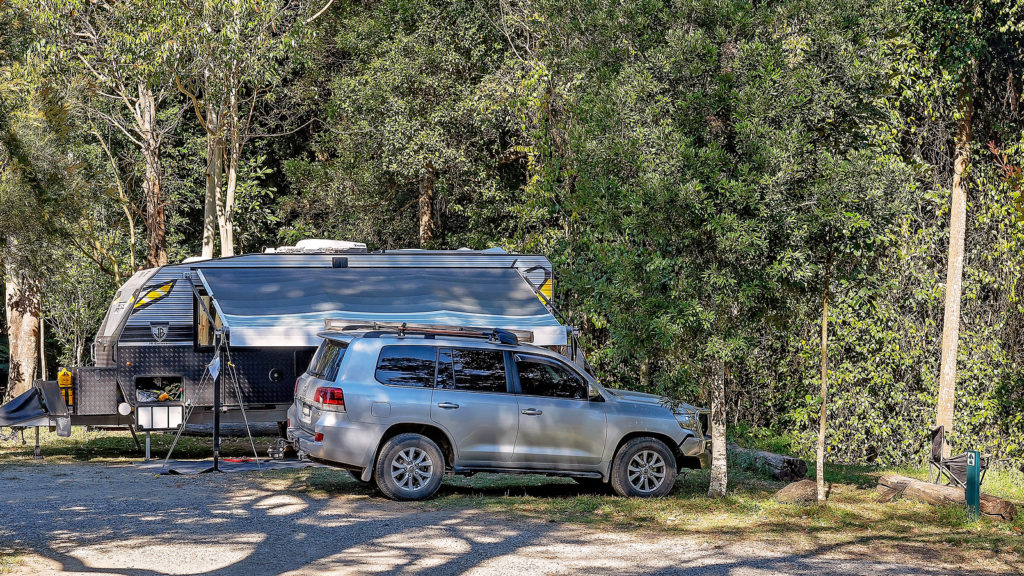
Prime camping season is approaching fast, which means avid travelers are planning road trips to through wine country, to the coast, and much more!  When long road trips are on the itinerary, it is common for the voyage to include some type of towing or hauling. Common things to tow on road trips are boats, campers, recreational vehicles, motorcycles, and more. When this is in the plan, be sure to catch up on some safety tips for towing one of these commodities before starting your journey. Making sure everyone and everything on board is safe is the most important part of towing and RV or camper. 

Continue reading to learn the most common and basic tips for novice towers planning to hit the open road.

Emergency RV Towing and Roadside Assistance
Emergency RV Towing and Roadside Assistance in Indiana 317-247-8484

Vital Weight Capacity and Distribution Tips

Always be sure to consider the weight capacity of your vehicle, and the distribution of all items inside the haul. This is very important in order to prevent a multitude of accidents on the road, as well as, damage to the vehicles. Your camper or RV should have come with a manual or guide. In here, you can find the total weight of the vehicle you are planning to tow.  With this number in mind, compare it to the weight of the vehicle doing the towing. The heavier your vehicle is, the larger the load it can haul. If you have a lighter vehicle, it will only be able to tow light loads. 

On the same topic, not only does your load weight need to be an appropriate match to your vehicle’s towing capacity, it is important to evenly distribute the weight in both vehicles. Many people pack up their cars, trucks, or mini vans with luggage and supplies for their vacation, however, it is common and convenient to also pack up the camper or RV with supplies and other cargoes. This is perfectly safe and acceptable so long as the weight ratios remain similar. Packing too much in the camper or RV can outweigh the vehicle towing it, causing distress on the hitch and the vehicle doing the hauling. Be careful when considering how to pack for a trip while hauling an RV or camper.

Proper Towing Hitches

It is vital to be wise when buying a trailer hitch for the type of haul you’ll be performing. It should be able to hold the total trailer weight of the RV or camper. A stabilizer bar is another tool that can greatly reduce the chances of swaying and swerving on the road. It is highly recommended to use a stabilizer bar along with your tow hitch to ensure a safe and secure ride.

If you are unsure about which tow hitch to use, ask a professional for advice. They can give you accurate information about using proper tow hitches, for free.  Simply tell them what you are planning to haul, which vehicle is doing the hauling, and the weight of both. They can give you accurate information on which tow hitch to use.  You can call a professional towing company, or a retail company that specializes in tow hitches and related towing accessories.

Smartly Position Your Towing Vehicle

Once you have the right hitch, it is helpful to simply back the vehicle up to the front of the RV or camper. The towing ball should be set directly under the hitch. Then you can lower the hitch over the ball and complete all the necessary connections. For example, the RV or camper latch must be secure and connected properly, safety chains should be used to provide extra security, and brake systems should be tested and inspected before any departures.

Who to Trust for 24 Hour Roadside Assistance and Emergency Towing in Indiana

If your towing vehicle breaks down while hauling a camper or RV in Central Indiana, call Zore’s Towing at 317-247-8484 for 24 hour roadside assistance and emergency towing. Our friendly staff is waiting by the phones, ready to help you get back on the road, safe and sound. We operate 24 hours a day, 7 days a week, and 365 days a year, so you can always count on us. Request a free estimate, today.
Indianapolis Towing & Recovery 317-247-8484

How to Save Money on Gasoline for Your Car

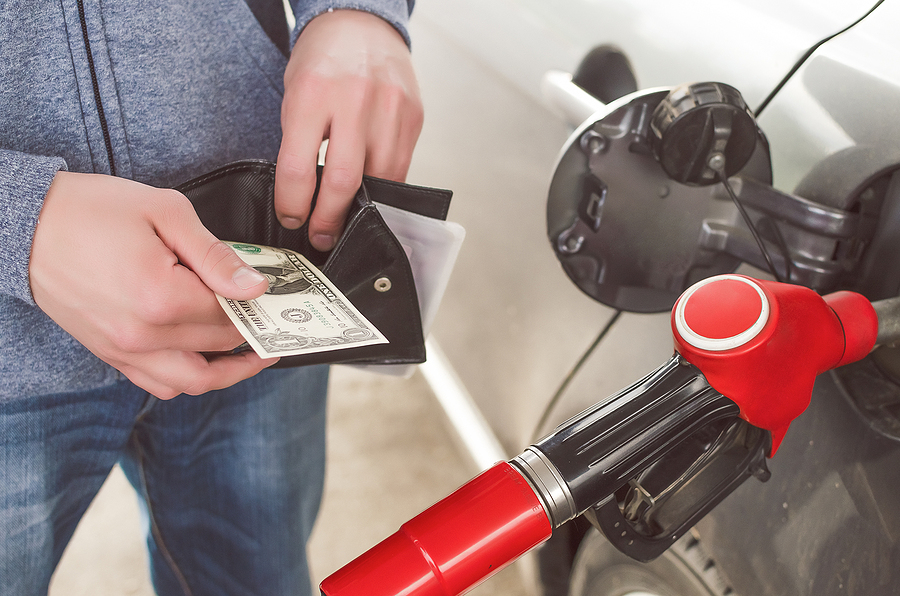
Even though gasoline prices are the lowest they’ve been for years, drivers are still looking for ways to save money on car fuel. Saving money on gasoline is not only great for your wallet, it is beneficial for the environment. It is in every driver’s best interest to do what they can to reduce fuel consumption and save money on fuel costs.

Continue reading to learn some effective methods for doing just that!

24 Hour Roadside Assistance and Fuel Delivery
24 Hour Roadside Assistance and Fuel Delivery 317-247-8484

Do Not Use Premium Gasoline!

Never use premium fuel unless your car specifically requires it. And if your owners’ manual mentions premium fuel, look closer whether it’s “premium recommended” or “premium required”, because there is a difference. If it is a premium-recommended vehicle, you should still just stick to unleaded gas and save yourself money. The only cars that require premium fuel incudes high performance vehicles like 2016 Audi’s and BMW’s, Aston Martins, Alfa Romero’s, and similar luxury foreign cars. Aside from premium-required cars, there is no benefit to using premium grade gasoline, especially in terms of performance and gas mileage. Unleaded gasoline is perfectly safe for your vehicle, and will save you a lot of money on fuel.

Do Not Use the “Top-Off” Method

When filling up the gas tank, many drivers choose to continue filling after the nozzle clicks. Whether to “top it off” or hit an even number, this method of filling up the tank is a wasteful one. The extra fuel will never be used to power the engine, and instead, slosh out and make a mess everywhere. The worst part is that you are paying for fuel you don’t get to use. As soon as the nozzle clicks, your tank is perfectly full. There is no need to top of the tank with additional gasoline.

Double-Check the Gas Cap

After filling up, it is important to double-check the gas cap. Forgetting to replace it is a common mistake, but making sure it’s there is not the only thing to look for. It is also important to make sure the cap is screwed on tight and fully-closed. A loose or missing gas cap will allow fuel to evaporate, wasting your hard-earned, cautiously-spent money.

Park in the Shade

Loose gas caps are not the only thing that can cause your fuel to evaporate. The hot summer sun will do the same! To avoid wasting your fuel, park in shady areas on hot sunny days. If you are not able to park in shade, it is helpful to purchase a windshield cover to reduce the amount of sun exposure inside your car. These are inexpensive and easy to use.

Keep Your Tires Inflated

Deflated tires are a common cause of wasted fuel. When the tires are not properly inflated, your vehicle has to work harder to go, causing the need to use more fuel. Be sure to check your tire pressure once a month to avoid this problem. Never use the maximum pressure recommendations on the side of the tire. The proper tire pressure for your car or truck can be found on the factory sticker on the inside of the door jam on the driver’s side. If it’s not there, check the inside of the glove compartment.

Did You Run Out of Gas in Indianapolis, Indiana?

Call Zore’s Towing at 317-247-8484 for friendly 24 hour roadside assistance, including fuel fill-ups, in Indianapolis, or throughout Central Indiana. We open a family-owned and operated business for 90 years, so you can trust us for prompt and professional service. We are open 24 hours a day, seven days a week, and 365 days a year, so our certified tow truck operators can be there for you anytime, any day! Request free estimates, anytime.

Indianapolis Towing & Recovery 317-247-8484

What a Driver Must Do to Tow another Car Safely

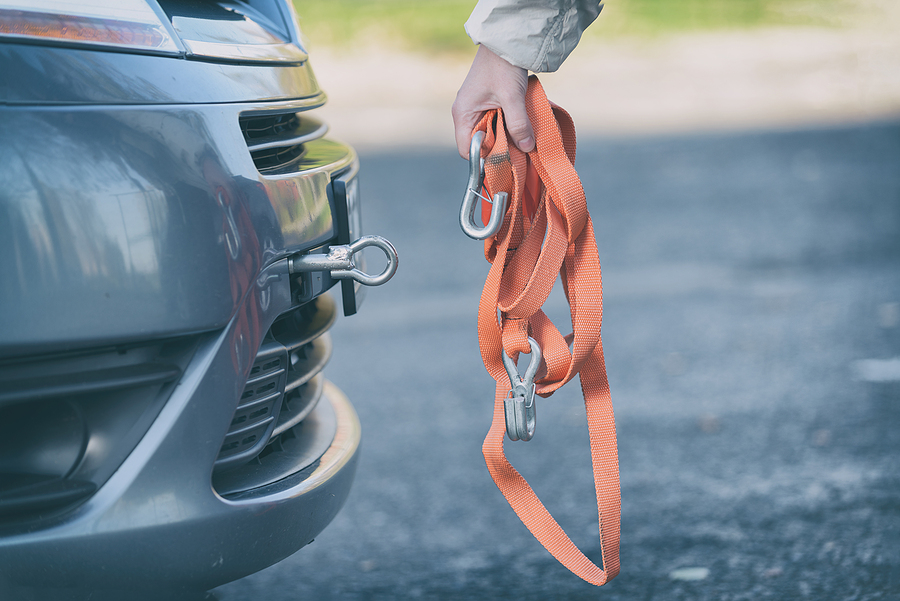
There are many reasons why you might have to tow another vehicle with your own vehicle. Whether taking a cross-country road trip with your RV and primary vehicle in tow, moving to another state for work, or helping a friend transport their broken-down vehicle to their auto repair shop, the most important factor is safety. There are certain protocols that you, as the driver of the vehicle towing the other vehicle, must take in order to protect both people and cargo on the road.

Continue reading to learn some vital driving safety tips for towing another vehicle with your own.

24 Hour Towing and Roadside Assistance
24 Hour Towing and Roadside Assistance 317-247-8484

Safety Tips for the Driver of the Towing Vehicle

✅ Use Extreme Caution

Always drive with superior care and caution. Never exceed 16 miles per hour on the road, and be sure to stay alert of all surroundings, both in front of you, beside you, and behind you. Driving too fast with another vehicle in tow can create too much inertia, or force, that can easily turn into uncontrollable momentum. As a result, your vehicle might have trouble coming to a stop on demand.

✅ Utilize the Clutch Properly

When pulling away for the first time with the other vehicle in tow behind you, it is vital that you operate your clutch properly. Being gentle with the clutch, pull out delicately, and at a very slow pace. If you are not using a vehicle with a manual clutch, just be sure to pull out slowly and carefully. If you pull out abruptly, you can snap the towrope or towing pole that connects your car to the towed one. As a result, the towed vehicle can whip forward and smash into the back of yours, or worse, come off on the road and smash into another person or vehicle.

✅ Be Slow and Gentle When Braking

Never slam on the brakes, or brake suddenly, when towing another vehicle with your own. This can cause the same type of problems with pulling out too fast, as mentioned above, but it can also cause massive damage to both vehicles. Give yourself several hundred feet to brake slowly, before coming to a stop, turning, or yielding. Apply the brakes gradually and gently to avoid sudden braking. Likewise, use your turn signals far ahead of time to warn drivers around you.

If the Driver is Sitting in the Car Being Towed…

In the case that you are utilizing a towing method that allows the driver to sit inside their own car while your car tows it, there are certain precautions they must take as well. They should remain fully alert, watching all braking and turn signaling. This allows them to actively steer and brake in coordination with the other vehicle, as needed. Also, they should keep constant tension in the towrope or towing pole to reduce jerking and similar abrupt movements.

Indianapolis Indiana Towing and Recovery Services You Can Trust

Call Zore’s Towing at 317-247-8484 for 24 hour towing and recovery services, or roadside assistance in Indianapolis and throughout Central Indiana. Our friendly staff is waiting by the phones, ready to help you get back on the road, safe and sound. We operate 24 hours a day, 7 days a week, and 365 days a year, so you can always count on us. Request a free estimate, today.
Indianapolis Towing & Recovery 317-247-8484

Important Information About Transmission Fluid Leaks

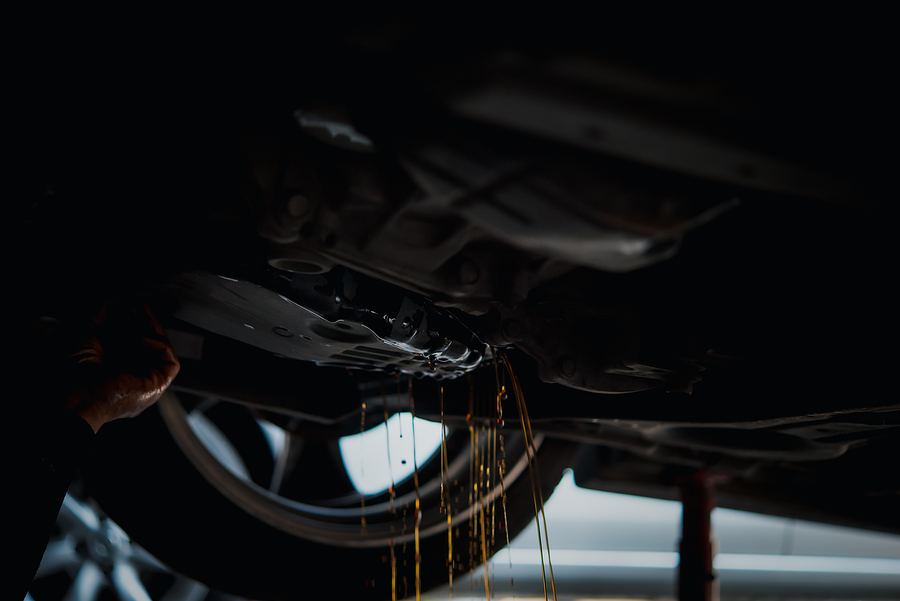
When it comes to your car’s transmission, there is nothing more important than ensuring it maintains proper fluid levels. After all, transmission fluid is one of the seven vital automotive fluids that every vehicle needs to operate safely and efficiently. One of the most common causes of lost transmission fluid is a leak.

Continue reading to learn what you need to know about transmission fluid leaks, including common facts like how to detect them, and what to do if your car has one.

24 Hour Towing and Roadside Assistance 317-247-8484

How to Monitor Transmission Fluid

There are many factors that determine how often you should monitor a vehicle’s transmission fluid levels. The frequency of transmission fluid checks primarily depends on the make and model of the vehicle, however, there could be several other more specific factors that you need to know. For instance, most instructions tell you to leave the car engine on while checking the transmission fluid; but, if you are driving a Honda, the engine needs to be turned off. 

If you drive a Dodge model, you have to put in neutral while applying the emergency brake in order to check your transmission fluid. With all the different guidelines and variables that apply to each make and model vehicle and transmission, it is strongly suggested to always refer to your vehicle’s owners’ manual for the right information. You can also contact a local auto shop for professional advice you can trust.  Many mechanics offer free fluid checks, so be sure to take advantage of this when it is time your vehicle is in the shop!

Transmission Leak Dangers

Minor leaks can easily go unnoticed to an untrained eye. In fact, many drivers on the road have automotive fluid leaks and don’t even realize they are there; but it is never safe to drive with a leak, especially if it’s coming from the transmission. Although minor leaks are not likely to impose an immediate danger on the road, they will lead to more severe damages to other car parts, which can cause serious car accidents and injuries, or cost you thousands of dollars in needed repairs and part replacements. These damages are costly, but can fortunately be avoided by not operating the vehicle until it is repaired.

Transmission Leak Detection

The most common sign of a transmission leak is seeing the actual transmission fluid seeping or puddling beneath a car. Transmission fluid is dark red in color. When clean, it is a light pink or red, but when dirty, it will appear burnt orange or brown. If you detect a leak in your transmission, do not continue driving the vehicle. If you are on the road, pull over and contact a 24 hour roadside assistance company. They may be able to patch up your leak and replace your fluid well-enough to get you home or to the nearest mechanic. Otherwise, they can tow your vehicle for you. If you are at home, and notice the leak on your driveway, you should not drive your car. Instead, contact a tow truck to have your car towed to your auto repair shop of choice.

Where to Get Fast Towing and Roadside Assistance in Indianapolis, Indiana

Call Zore’s Towing at 317-247-8484 for 24 hour roadside assistance and towing in Indianapolis and throughout Central Indiana. We are fully-equipped with the right fleets to assist cars, trucks, motorcycles, boats, construction equipment, trailers, vans, semi-trucks, airplanes, and much more. Since 1927, we have a provided a wide range of towing and roadside assistance services, and for the past 90 years, we have earned a reputation for trusted service at a fair price! We operate 24 hours a day, 7 days a week, and 365 days a year, so you can always count on us. Request a free estimate, today.
Indianapolis Towing & Recovery 317-247-8484

How to Do a Pre-Trip Check Before Hitting the Road With Your Trailer

Summer has officially begun, which means everyone is looking for ways to take full advantage of the amiable weather. From fishing and kayaking, to biking, camping, road tripping, and more, there are several summertime options to choose from, most of which likely requires the use of a trailer haul! But when you plan to hitch a trailer and hit the road this summer, whether driving a short distance or a long one, it is important to know how to stay safe. Fortunately, your experience puts you in a great position to haul your trailer from one point to another. So, all you really need is a reminder on how to perform a pre-trip inspection!

Continue reading to learn what to do when preparing your trailer haul for a road trip this summer!

24 Hour Towing and Roadside Assistance
24 Hour Towing and Roadside Assistance 317-247-8484

Pre-Trip Trailer Check Guide

The most important part of your pre-trip inspection is to ensure your trailer is properly connected to the hitch. Equally important is to ensure the vehicle and trailer brake lights and signals are connected and compatible. Here are the steps to take to ensure all of this and more:

Step 1 – Check your hitch.

If you have a standard ball hitch, the trailer tongue should attach to the towing vehicle’s hitch, properly. Test the quality of this connection by physically lifting the trailer. If it is properly attached, you should not be able to lift it at all. Be sure that the lock pins and locking mechanisms are also snapped into place, correctly. Along with checking your hitch in this step, be sure your trailer safety chains are properly crisscrossed and connected. To complete this first step, also check that your trailer connection has enough clearance. Any trailer wheels or stands should be placed back in their UP or DRIVE position.

Step 2 – Check Brake Lights and Signals

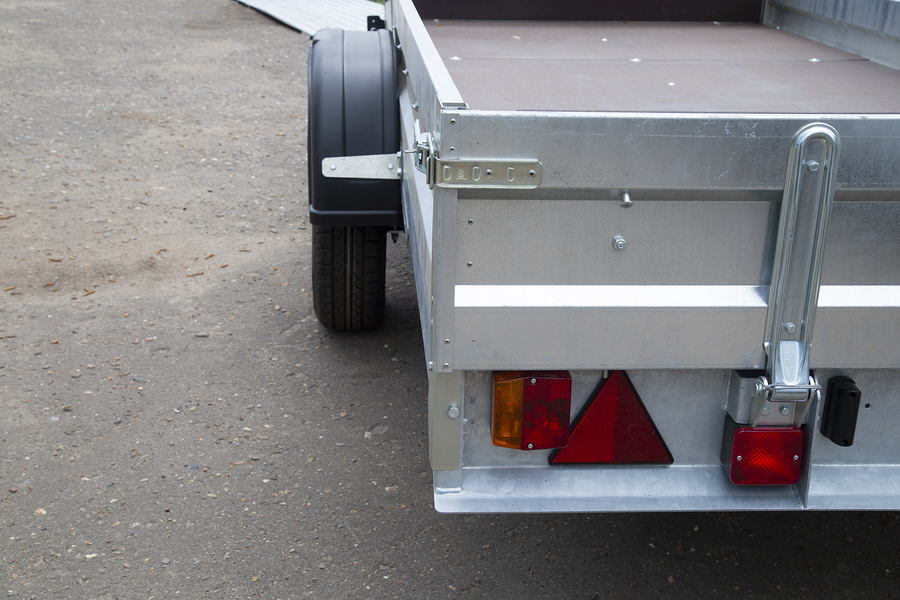
As mentioned, checking that the brake and signal lights are functioning in alignment with your towing vehicle’s lights is a top priority. Not only do you check that they work, you need to also ensure they are aligned with your towing vehicle. When you apply the brake in your car, the brake lights should illuminate on your trailer lights, and so forth. If you are alone, use the reflection from other cars or windows to see the lights. You can also do this the night before in the dark. Also in this step, ensure that the electrical wires that make these brake and signal light connections are cleared from the ground, as well as all other undercarriage parts.

🏞 You are now ready to drive!

It does help to practice a little before the big drive day to give you some more confidence on the road. Practice turning, backing up, parking, and disconnecting the trailer from the hitch. See our blog, “Frequently Asked Questions About Towing a Trailer” to learn some more tips and tricks for safe trailer towing.

Who to Trust for 24 Hour Towing and Roadside Assistance in Indiana

If your vehicle breaks down in Indiana at any point during your trip, call Zore’s Towing at 317-247-8484 for 24 hour roadside assistance and towing recovery services you can trust. Our friendly staff is waiting by the phones, ready to help you get back on the road, safe and sound. We operate 24 hours a day, 7 days a week, and 365 days a year, so you can always count on us. Request a free estimate, today.
Indianapolis Towing & Recovery 317-247-8484

FAQS About Spare Tires

Spare tires are somewhat of a mystery to drivers. Although they seem pretty straightforward, there is much to know about them. Whether your vehicle comes equipped with one or not, as a licensed driver, it is your duty to know more about using a spare tire. Continue reading to review some common frequently asked questions about spare tires, and what to do if you are ever stuck on the road without one.

24 Hour Towing and Roadside Assistance for Indiana
24 Hour Towing and Roadside Assistance for Indiana 317-247-8484

How Do I Drive on a Spare Tire?

Not sure if you are ready to drive with a spare tire on? You are! Just follow these important tips, and you will do just fine:

➛ Plan to drive a short distance, or to the nearest tire shop.
➛ Refer to owners’ manual for instructions.
➛ Always maintain cold tire inflation pressure of 60psi.
➛ Check tire pressure regularly and before each use.
➛ Inspect the tire and tire sidewalls for punctures, nicks, and other damages before each use.
➛ Drive and maneuver carefully. 
➛ Never exceed 50 MPH.
➛ Avoid highways, but if you have to, drive in the right lane with hazard lights on.
➛ Keep at least 3 car lengths driving distance between other vehicles.
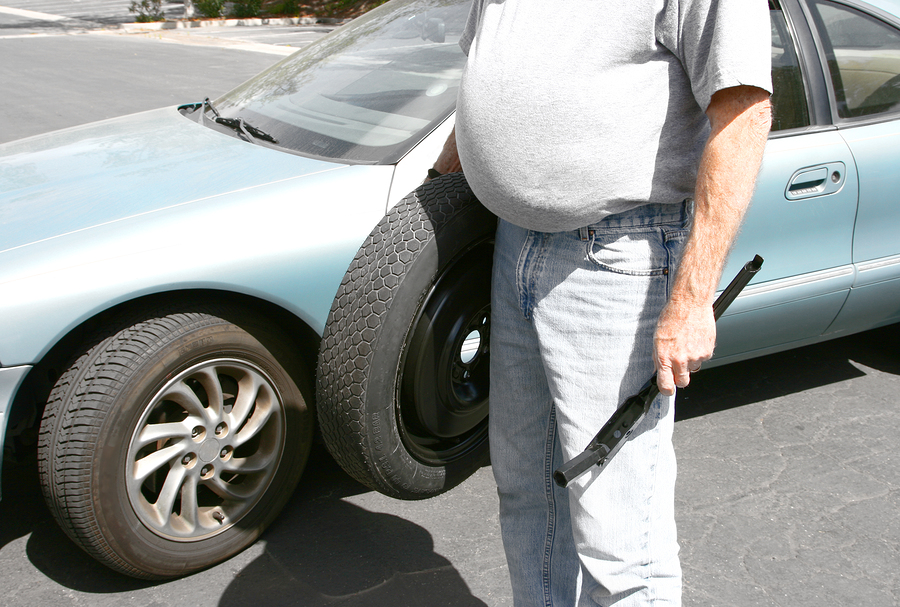
➛ Store spare tires in the trunk or cabin, or on the outside of the vehicle (SUV’s).
➛ Be sure to learn how to change a flat tire!
➛ Call a local roadside assistance company if you have trouble changing a tire.

How Do I Change a Tire With a Spare?

See our blog, “How to Change a Tire Using a Spare” for a full, step-by-step guide on how to change a tire, including what you should do as soon as you get a flat, and important safety tips.

How Long Can I Safely Drive on a Spare Tire?

Never leave your spare tire on longer than the owners’ manual or manufacturer’s instructions state. This can lead to a whole heap of complications. Spares and donuts are meant to be temporary tires, because in fact, they are temporary tires! They are not as durable as ordinary tires, and weaken at a much faster rate. You see, a standard tire contains layers of steel and polyester fibers beneath the rubber. These layers are called plies and are where the real strength comes from. For space and weight-saving reasons, spares do not contain as many plies as ordinary tires; therefore, they deteriorate quicker.

Why Does My Car Not Come With a Spare Tire?

Modern vehicles are commonly designed and manufactured without spares. This is for a number of reasons, all of which vary among car makers, but mostly to enhance fuel efficiency, create more storage space, create more space for batteries and emissions equipment (in the case of hybrids, etc.), and to decrease manufacturer costs. If your car does not have a spare, it is strongly recommended to buy one.

Are There Different Types of Spare Tires?

There are many types of spare tires, including full-size, compact, and run flats. All full size spares are either matching or non-matching forms. A matching full size spare is one that is identical to the other tires on a vehicle. And a non-matching spare is not identical. Also known as “donuts”, compact spare tires are the most frequently used spare for small to mid-sized vehicles. This is because they deliver the best balance in terms of function and size. Some vehicles are manufactured with a sort-of “built-in” spare tire system, known as run flat tires. Run flats contain reinforced tire walls that allow a vehicle to continue driving without using any tire pressure.

Are There Any Alternatives to Using a Spare Tire?

There are three common alternatives to having a spare on hand. These are run flats, as mentioned above, as well as, self-sealing tires and tire inflator kits. Tire inflator kits usually involve a type of aerosol seal kit that provides a temporary resolution for minor tire tread punctures. There are several brands of tire inflator kits on the market, all ranging in price between $20 and $200 depending on quality. You can also purchase self-sealing tires, which are designed with a built-in lining, coated in a special sealant that automatically begins to surround the hole.

Flat Tire Roadside Assistance in Indianapolis and Central Indiana

Call Zore’s Inc. at 317-247-8484 for friendly 24 hour roadside assistance and towing in Indiana. We open a family-owned and operated business for 90 years, so you can trust us for prompt and professional service. We are open 24 hours a day, seven days a week, and 365 days a year, so our certified tow truck operators can be there for you anytime, any day! Request free estimates, anytime.

Indianapolis Towing & Recovery 317-247-8484

Fuel Efficiency Myths You Need to Know

Remember are blog from December about making better gas mileage your 2020 new years’ resolution? Well, how have you done so far? Are you still not happy with your fuel saving efforts? If so, perhaps you, like so many others, have fallen victim to some common fuel efficiency misconceptions.

Continue below to learn the top gas mileage myths circulating through the industry, and perhaps improve your fuel efficiency results!

24 Hour Towing and Roadside Assistance
24 Hour Towing and Roadside Assistance 317-247-8484

Top 5 Gas Mileage Misconceptions:

“Small Cars Get Better Fuel Mileage”

Size has nothing to do with fuel efficiency. Everything under the hood, the materials used to manufacture the vehicle, and proper maintenance are what make vehicles fuel-efficient. Advancements in technology that promote better fuel economy include diesel engines, turbochargers, hybrid drive trains, and low-rolling resistance tires.

“Manual Transmissions Get Better Gas Mileage”

Although true in the past, new advancements in automatic-transmission technology has made this a modern-day myth. More gears have led to less wasted fuel and much more. Whether you choose manual or automatic, fuel efficiency will not be comprised by this decision.

“Old Cars Get Poor Gas Mileage”

A vehicle is really only as old as its engine. And so long as the engine is properly maintained over the years of ownership and use, the gas mileage should not be affected. In fact, there is a vehicle “break-in” period (the first 5,000 miles or so) where the fuel efficiency actually improves, rather than declines!

“Replacing the Air Filter Will Jump-Kick Fuel Economy”

If your car has an older engine with a carburetor still, then this myth is a little true. But fuel economy for modern fuel-injected cars and trucks is not influenced by a singular filter change. Fuel-injected engines delivers lower emissions and improved fuel economy. An onboard computer automatically adjusts the fuel-flow depending on the amount of air entering the engine.

“Premium Fuel Will Improve Gas Mileage”

This will just end up being a waste of money. Premium fuel does not equal better fuel economy. In fact, using a higher-octane fuel will not alter vehicle performance at all. Only use premium gas if your vehicle’s owners’ manual suggests to; otherwise, stick to unleaded.

Are You Out of Gas in Indianapolis, Indiana?

Call Zore’s Towing at 317-247-8484 for friendly 24 hour roadside assistance, including fuel fill-ups, in Indianapolis, or throughout Central Indiana. We open a family-owned and operated business for 90 years, so you can trust us for prompt and professional service. We are open 24 hours a day, seven days a week, and 365 days a year, so our certified tow truck operators can be there for you anytime, any day! Request free estimates, anytime.

Indianapolis Towing & Recovery 317-247-8484

What You Need to Know About Safe Boat Towing

Sadly, not all of us are privileged enough to live right on the water where we can conveniently dock our boats, jet skis, and canoes right outside our homes. For the inlander communities, it is necessary to hitch and haul our amphibious engine-powered toys across the state, and sometimes even the country!  For people who do this often, or travel seasonally, it is certain they probably have a pretty good idea on how to haul and tow boats. As for the rookies, learning can be quite overwhelming, and understandably so.

If you need to brush up on your boat towing safety, continue below for a brief review of what you need to know.

Indiana Boat Towing and Transportation Services
Indiana Boat Towing and Transportation Services 317-247-8484

Towing a boat with your car, truck, or trailer requires undivided attention and care to ensure driver and passenger safety, as well as, the protection for the vehicle, trailer, and load itself.   Once a person learns the ins and outs of boat towing, they are ready to take on the road, but before doing so, it is crucial to review the important basics of boat towing to ensure a safer hauling experience.

Turning

Driving in a straight line is not much of a challenge when hauling a boat on the road, however, when it comes time to make a turn, there are some strategies that help ensure extra care and caution.  When making a turn with a boat attached to your car or truck, understand that turns are going to need to be much wider to accommodate the load.  Remembering to make wider turns will help keep a driver safe on the road, and not a moving disaster for other drivers around them.  Cutting a turn too narrow can result in exterior damage to the load and the vehicle and possibly other cars on the road.  Narrow turns can cause the load to hit mailboxes, street signs, cars, curbs, and worse, pedestrians.  Also, the load will always turn narrower than the vehicle, so drivers need to give everything plenty of room when turning and always check the mirrors too.

Backing Up

Visibility is the first and most important component to backing up a vehicle with a boat attached, safely.  Using the mirrors is crucial, and if they are not big enough, larger mirrors can be purchased and installed for better visibility.  In a perfect world, it is better to just avoid having to back-up the vehicle and load altogether.  This is not always the case, so there are some more tips to backing up a towed boat safely.  The vehicle will weigh more, be longer in length, and have a pivot right in the middle.  These things all affect the way it is backed up.  Moving slowing, making small adjustments with the wheel, and constantly checking mirrors will help overcome this challenge.

Braking

When a boat is being towed, it adds more weight to the vehicle.  This added weight makes the vehicle take longer to brake and takes longer to completely stop.  It is important to give the vehicle plenty of stopping room when beginning to brake.  Paying attention to the other drivers and the road ahead can decrease chances of having to stop abruptly.  A slow steady force of the foot will ensure a smooth deceleration of the vehicle and its load.  Having a steady foot and an attentive mind will ensure a safe braking experience every time.  Practice never hurt either!

Jack-Knifing

Jack-knifing on the road is a huge inconvenience to other drivers on the road.  Jackknifing is when a vehicle and the load attached get out of sync and create a “U” or “V” shape.  We have seen semi-trucks do this while attempting a U-turn on a narrow street.  There are some key tips and reminders to help avoid this undesirable situation.  One way to do this is to double check the load that is attached, and be sure it does not sway at all when in tow.  The swaying load can get enough momentum and swing all the way to the front of the vehicle, creating a jackknifing accident.  Also, braking appropriately when approaching turns or bends in the road helps prevent jackknifing as well.

These are just some basic reminders to safe boat towing.  Reviewing these topics before taking on the road is a good idea.  Sometimes all we need are a few reminders to get our minds in focus before a big trip.  It is helpful to make a list of things to check before leaving, and to brush up on techniques and skills to better and safer towing.

Professional Boat Towing and Transportation Services in Indianapolis

Call Zore’s Towing at 317-247-8484 for 24 hour boat towing services in Indianapolis and throughout Central Indiana. Our friendly staff is waiting by the phones, ready to help you get your boat to or from the water, safe and sound! We operate 24 hours a day, 7 days a week, and 365 days a year, so you can always count on us. Request a free estimate, today.
Indianapolis Towing & Recovery 317-247-8484

Common Warning Signs of Failing Car Brakes

Properly functioning car brakes are vital when it comes to safe driving.  When your brakes need repaired, never hesitate to get them fixed. A single moment of traction loss could mean hospital time or worse. Worn out brakes is not a situation to be taken lightly. As soon as you know your brakes are not in optimal condition, have your car towed to a trusted mechanic for inspection and repair.

Continue reading to learn the common signs that indicate your car brakes are failing, and it’s time to pull over and call a tow truck.

24 Hour Towing and Roadside Assistance
24 Hour Towing and Roadside Assistance 317-247-8484

How to Detect Failing Car or Truck Brakes

There are a number of signs that foreshadow brake repair, and the most common ones are the easiest to detect. When you are driving, do you feel the steering wheel shake? A steering wheel that wiggles could be a sign of brake problems. If the steering wheel jiggles back and forth every time you come to a stop, then this is a sign of worn out brake rotors. Brake rotors don’t need to be changed as often as brake pads, but should still be replaced every few years. It is suggested to have your brake rotors changed every three times your brake pads are replaced.

When it comes to brake pads, another observable sign of brake damage is high pitched squeaking. When your car squeals anytime you apply pressure to the brake pedal, this could be an indication of bad brake pads. The squeaking sound comes from a piece on the actual brake pad that gets exposed once the pad is worn down enough. When this indicator is exposed, it’s time to replace the pads. To be safe, they should be changed within two to three weeks, otherwise you could fail to make a stop at any moment.

If you begin to notice it takes more time to come to a complete stop in your vehicle, this means you have worn through the indicators on the brake pads. This is another common sign of brake malfunction. This is a serious sign that requires immediate attention. It is extremely dangerous to drive with brakes this bad, especially in bad weather.

⚠ If you begin to notice any signs that are similar to the ones just discussed, then immediately pull over to a safe spot and call a 24 hour two truck company for emergency roadside assistance towing. Never risk your life or someone else’s by driving on unreliable brakes!

Indianapolis Roadside Assistance Towing Services You Can Count On

Call Zore’s Towing at 317-247-8484 for 24 hour towing and roadside assistance in Indianapolis and throughout Central Indiana. Our friendly staff is waiting by the phones, ready to help you get back on the road, safe and sound. We operate 24 hours a day, 7 days a week, and 365 days a year, so you can always count on us. Request a free estimate, today.

Indianapolis Towing & Recovery 317-247-8484