The Importance of Using a Hitch Lock For Your Trailer

If you are somebody who has a truck and a trailer, you are someone who values your investment. For overall safety and protection, it is necessary to ensure that your trailer is secured. The best way to achieve this level of security is to invest in a quality trailer hitch lock system.

Continue reading to learn the importance of using a hitch lock for your trailer, as well as what to do if you find yourself in need of professional trailer towing service in Central Indiana.

Trailer Roadside Assistance Indianapolis IN 317-247-8484

Why You Do Not Want to Skimp on a Trailer Hitch Lock

If you are asking yourself whether or not you need a hitch lock for your trailer, just consider this very possible and all-too-common scenario: You are leaving town for a fun weekend at the lake with your family. You load up the boat and trailer to your truck and hit the open road. Along the way, you stop in a local diner for some lunch.

After paying the check, you and your family walk outside to find your truck parked exactly where you left it, but the trailer and boat are not where you left them, they are gone. You were just robbed in the middle of nowhere, and all because you didn’t have a hitch lock! Anyone with a hitch receiver could have come along and taken your get-up in a few short minutes.

Trailer Hitch Locks Boost Theft Prevention

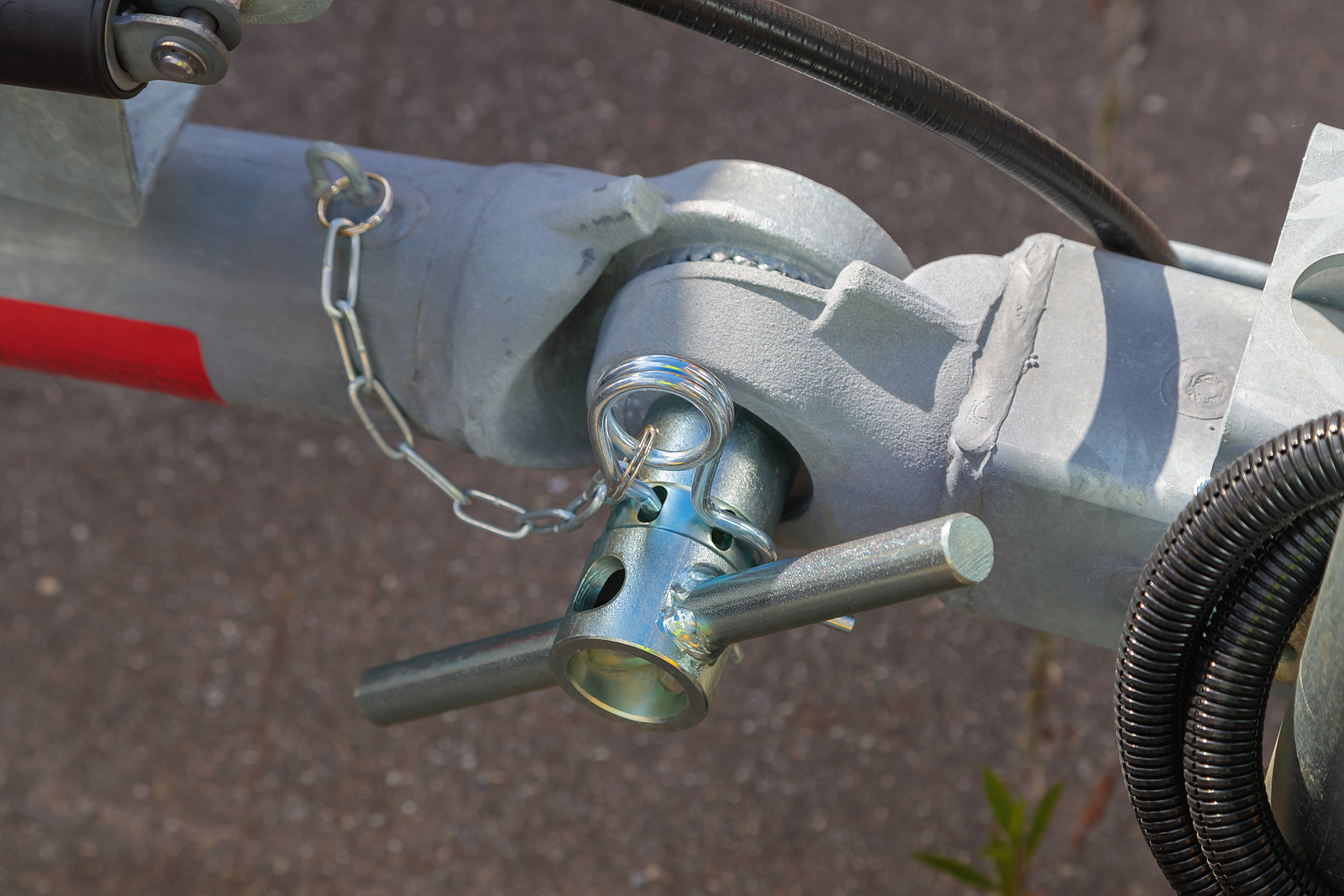
Hitch locks are meant to stop thieves from stealing trailers and the commodities they carry. They are lock a trailer hitch and hitch receiver together, which makes it impossible to lift the receiver and disconnect a trailer. The trailer hitch can only be removed when the hitch lock is open. There are a few different hitch locks available for purchase, all with different features and qualities. Consider investing in a coupler lock as well!

Make Sure Your Hitch Lock is Compatible With Your Trailer

Trailer hitch locks come in a variety of sizes, shapes, and attachments. A key or number combination is needed to open them. Some versions have curved ends so they cannot be pulled out, while other have standard metal pins with locks on them. There are even some that have two locks on each side. The version you choose will depend on your personal preference, as well as the class hitch receiver you have.

Hitch classes differ and are categorized by the maximum weight they can safely tow. Class 1 hitch receivers tow a maximum of 2,000 pounds, while the last class, Class 5, can tow a maximum of 30,000 pounds or more. Most trailer locks are a half of an inch and 5/8 of an inch in diameter. The hitch lock you buy will need to fit the Class hitch receiver you are using for your trailer. For instance, Class 1 and 2 hitch receivers use ½-inch pins, while Class 3, 4 and 5 receiver hitches use 5/8 inch pins.

Do you need professional towing assistance or have a roadside trailer emergency? Contact Zore’s Towing for economically-priced towing and recovery service in Indianapolis, Indiana. We serve all of Central Indiana.

Related Posts:

3 Simple Steps to Using a Trailer Hitch Adapter
Do Not Use a Hitch-Mounted Carrier Lift with a Trailer Hitch Adapter
Do You Need a Special License to Tow a Trailer?

Zore’s Towing Towing Wrecker Service Indianapolis

What You Need to Know About Hauling Oversized Loads

What is an oversized load? Well, if you are preparing to haul anything that is very heavy and very large, this is a question you need to learn the answer to right away. Continue reading to learn what you need to know about hauling oversized loads, including the local and state laws, permits, rated trailers, standard trucking regulations, and more.

Oversized Load Heavy Hauling Services in Indiana 317-247-8484

Regulations for Oversized and Overweight Loads

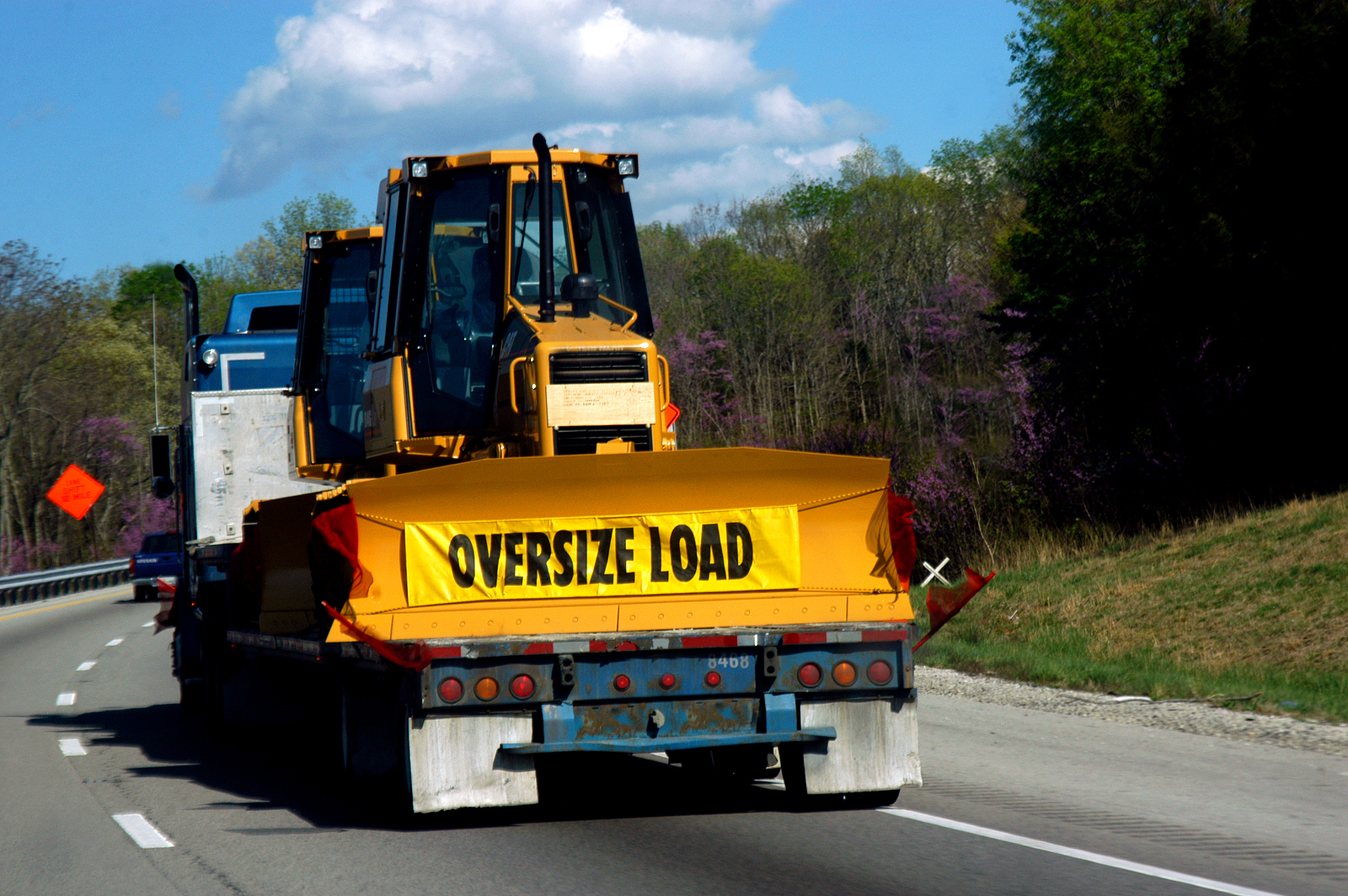
An oversized load is any cargo or freight of exceedingly large size and/or weight, therefore posing potential dangers and safety hazards during transportation. More specifically, local and state regulations define an oversized load as any cargo that exceeds the maximum legal width, height, and length of a freight. Such maximum freight dimensions vary from state to state, and even among local jurisdictions. It is important to check with your local county and state towing regulations to ensure that you are properly equipped to haul in oversized load from one destination to another.

Common examples of oversized and overweight loads include air crafts, shipping containers, construction equipment, farming equipment, mobile homes, oil rigs, heavy machinery, motor coaches, semi-trucks, and commodities of similar size and weight.

Factors to Consider When Towing Oversized Cargoes

If you are preparing to haul in oversized load, whether locally or across state lines, it is critical to consider various factors that can impact both the safety and practicality of your transport. In fact, here are the top factors to consider when towing oversized cargoes:

Legal Load Dimensions – Although it can vary from state to state, and even among local jurisdictions, the generally accepted maximum legal load dimensions are 8 ½ feet wide and 8 ½ feet high. Any freight that is taller or wider than this is considered an oversized load in most municipalities.

Oversized Load Permits – Most oversized loads require specialized permits and permissions, either from the state or the local municipality.

Super Oversized Loads – Any loads that exceed 12 feet high and 12 feet wide typically require special permits, as well as an on-road escort or pilot car.

Permitted Travel Times – Some states and local jurisdictions do not allow oversized load travel during certain times of the year, such as holidays and weekends, or even certain hours of the day. It is important to check with your local county and state towing regulations to ensure that you are permitted to haul your heavy freight at the time you wish to do so.

Travel Logistics – Not only should you check that you are permitted to travel during the time you plan to, but it is also important to plan out your travel route ahead of time. With an oversized load, there are certain bridges and road passages that you will not be able to access. Planning ahead of time can help you work out the logistics of your route and ensure a streamlined journey.

Are you looking for a long distance heavy hauler for your oversized load in Indiana? Contact Zore’s Towing for heavy duty towing and machinery transportation services in Indianapolis, Indiana. We provide long distance towing services across state lines as well.

Related Posts:

How to Prepare a Car for a Long Distance Tow
Tips for Protecting Your Transmission When Towing Heavy
What You Need to Know About State Trailer Laws

Zore’s Towing Towing Wrecker Service Indianapolis

Top 4 Spare Tire Options for Cars and Trucks

Continue below to learn the top 4 spare tire options on the market today, including how to choose the right spare tire for your vehicle.

Flat Tire Repair Indianapolis IN 317-247-8484

The Spare Tire Facts You Need to Know

The fact is, not all vehicles come factory equipped with spare tires these days. Even used cars are often missing their spare tire because they’ve already been used in the previous lifetime. So, with these two very common automotive variables at play, it is quite possible that your ride is without spare, which can pose several safety hazards and unsafe situations. It is in your best interest to equip your vehicle with a spare tire that is compatible with your make and model, as well as your budget and automotive handyman skills.

But before you hit the auto parts store for of spare, be sure to review your options and choose one that is the right fit for your car or truck. The top 4 spare tire options on the market today are full-size, compact, run-flat, and inflation and repair kits.

Full-Size Spare Tires

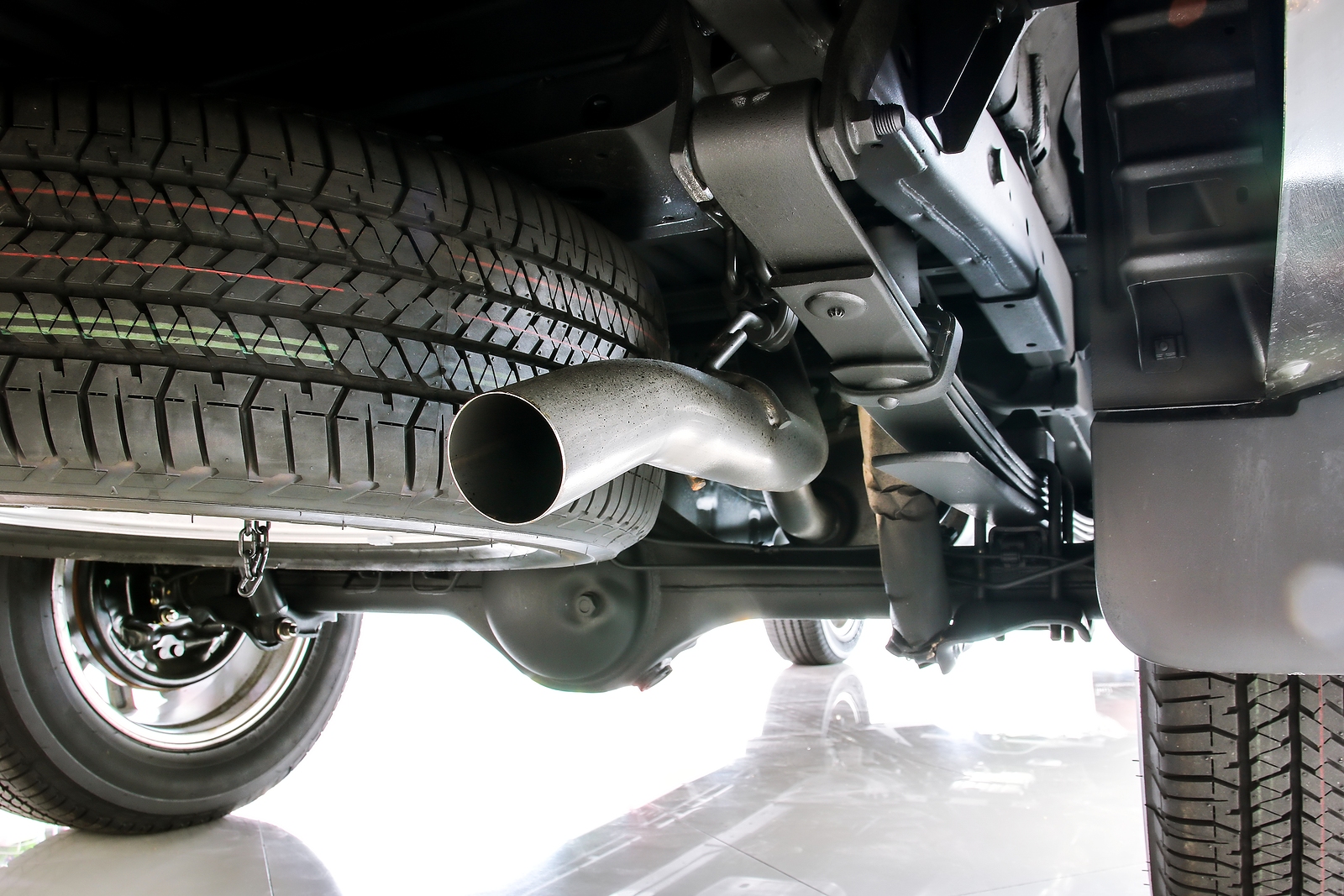
The first option on the market for a spare tire is a full-sized spare tire. This is basically just an exact match of the other tires currently on your vehicle. It is literally an extra tire to the ones you already own. So, it will look just like your other tires and be the same size and dimensions. Keep in mind, a full-size spare tire will be larger and take up more room in your vehicle, plus it will be heavier which can have an impact on your fuel consumption.

Full-size spare tires are recommended for trucks and medium to large vehicles, such as bands, box trucks, delivery trucks, and even larger SUVs. Full-size retires are also recommended for drivers who regularly commute in hazardous road conditions, such as jagged terrain, heavy snow, ice, and rain.

Compact Spare Tires (Donuts)

A compact spare tire is the most popular option on the market, often referred to as a donut. A compact spare tire is lighter in weight and smaller in size, making them a perfect fit in almost any make and model trunk bed. They are also easy to install and support better fuel economy because of their size and weight. Compact spare tires, however, are not meant to be driven on for very long. Because they are smaller than the other tires on a vehicle, they are only meant to get you from the point of tire disruption to an auto shop or your driveway.

Compact spare tires are recommended for vehicles that are smaller in size, as well as for drivers who frequently commute in populated suburban areas and city centers. You want to be close to an automotive repair shop when driving on a spare.

Run Flat Tires

Run flat tires are another option for spares on the market today. These tires are designed with reinforced sidewalls that will allow a vehicle to continue driving even when the tire is damaged or deflated. Just like compact spare tires, run flat tires are not meant to be driving on for very long.

Once a run flat is in use, it is important to drive directly to an automotive repair or tire shop for tire replacement. Run flat tires are recommended for very small and compact vehicles since there is no need to take up any trunk or backseat space. They are also recommended for young drivers or those who are not good at changing tires, since there is no need to get out of the vehicle and change a spare when tire damage occurs.

Tire Inflation and Repair Kits

Tire inflation and repair kits are another option on the market today for those who need a spare tire option in the vehicle. These kits are recommended for those who are handy with automotive work, and who are comfortable with using the products necessary to patch up tire holes and gashes long enough to get to an automotive repair shop or tire replacement store. These kits typically use foam or sealants to repair openings and damages to the outer tire wall, but there are also tire inflation kits that work inflate tires automatically upon damage.

Do you need immediate flat tire service right now? Contact Zore’s Towing for 24 hour flat tire repair in Indianapolis, Indiana. We operate 24 hours a day and 7 days a week, offering a wide range of roadside services and tow truck assistance.

Related Posts:

Do I Have to Have a Spare Tire in My Car?
Why Did My Tire Blow?
The Importance of Tire Pressure Monitoring Systems

Zore’s Towing Towing Wrecker Service Indianapolis

Where to Find 24 Hour Indianapolis Roadside Assistance Service You Can Afford

Indiana Roadside Assistance Company 317-247-8484

Zore’s Towing Serves All of Central Indiana

No one plans for something to go wrong on the road. But when they do, Hoosiers can always count on Zore’s Towing for prompt and professional roadside assistance, regardless of time or day. Since 1927, we have a provided a wide range of roadside assistance services in Indianapolis and throughout Central Indiana.

Furthermore, for the past 90 years, we have earned a reputation for trusted service at a fair price! Our licensed towing and recovery division retains an extensive fleet of over 35 tow trucks and wrecker equipment, allowing us to assist drivers 24 hours a day, 7 days a week, and 365 days a year, rain, snow, or ice.

Zore’s Towing is Always Fast and Affordable

Our certified drivers are highly-trained and experienced in the towing and recovery industry and can provide safe and efficient roadside assistance services for all make and model vehicles, including cars, vans, trucks, motorcycles, and semis.

We make your safety and your personal time a priority and aim to get you back on the road as soon as possible. Whether you have a flat tire or locked your keys in the car, Zore’s Towing can be there for you in a flash to offer friendly and effective service you can trust! Call our Indianapolis headquarters at 317-247-8484 anytime to request fast roadside assistance in Central Indiana.

Zore’s Towing Operates 24/7/365

Zore’s Towing operates on a 24 hour basis, working all across the state, 7 days a week and 365 days a year. We are even open on National holidays like Christmas and Thanksgiving and operate in the most severe weather! Our extensive fleet of wrecker equipment and state-of-the-art computer dispatching system allows us to provide a wide range of towing and recovery services, quickly and safely anywhere in Central Indiana.

Our Roadside Assistance Services Include,
But are Not Limited to…

☑ Flat Tires
☑ Tire Changes
☑ Fuel Delivery
☑ Battery Service
☑ Dead Batteries
☑ ump Starts
☑ Rolling Starts
☑ Unlocking Doors
☑ Towing
☑ Overheating Engines
☑ Engine Trouble
☑ Wiper Replacement
☑ Extrication/Winching

Are you in need of towing or roadside assistance right now? If so, contact us directly at 317-247-8484 for prompt and professional Indianapolis IN roadside assistance you can afford. We also provide 24 hr towing services.

You Should Also Read:

Take These Steps if Your Car or Truck is Overheating
DIY Roadside Assistance Tools to Always Have in Your Car
What To Do If You Run Out of Gas Near Indianapolis

Zore’s Towing Towing Wrecker Service Indianapolis

What Side is My Gas Tank On?

Do you know which side your gas tank is on? Well, if you are reading this blog, you might not, or perhaps you are interested in learning why auto manufacturers place tank fillers on the left or right side of a vehicle. Either way, there is good reason why gas tank sides are chosen, and it is easy to figure out which side yours in located on in a matter of seconds!

Continue reading to learn how to instantly discover which side of the car a gas tank is located and why.

Fuel Delivery Roadside Assistance Indiana
Fuel Delivery Roadside Assistance Indiana 317-247-8484

Look at Your Dashboard and Fuel Gauge

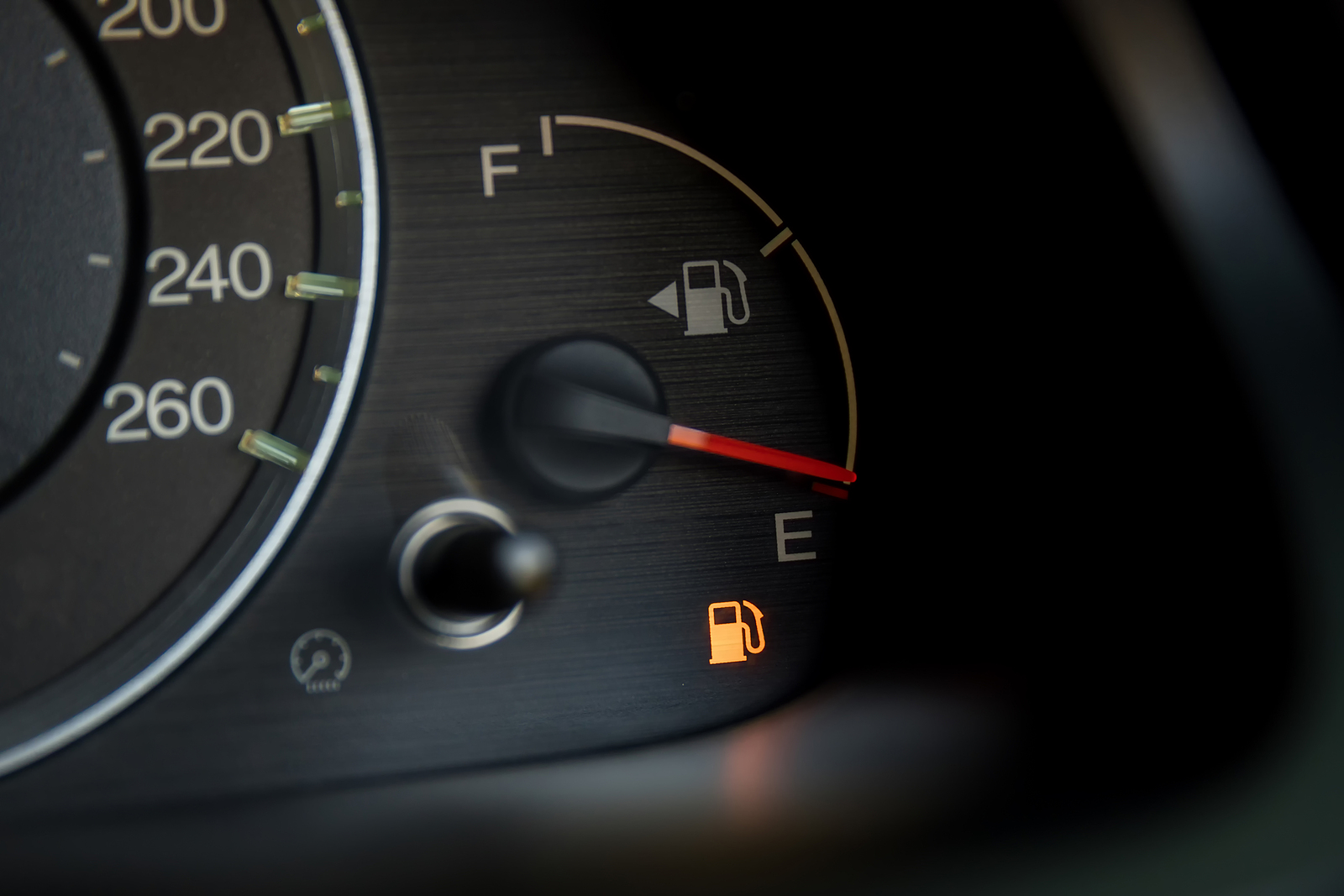
To find out which side your gas tank is located on your car, all you have to do is look at your dashboard where the fuel gauge is located. On virtually all automobiles, especially modern ones, the fuel gauge will have an indicator arrow (►) next to the fuel icon. Decide that this arrow is pointing to is the side the gas tank is located on. Preview the picture above and notice how the gas tank arrow icon points to the left (⯇). This is indicating that the gas tank is located on the left side of the vehicle.

Older Automobiles and Trucks

Some cars might not have this fuel gauge icon indicator. Older vehicles, custom cars, classics, and vintage automobiles are some common examples of vehicles that will indicate the gas filler tank side a different way. It may be discussed in the owners’ manual, or on a label within the driver’s side door jam.

Why Not Make Them All the Same?

You would think that auto manufacturers would just make the gas tank side standard on all cars, but this is not practical. In most cases, auto manufacturers and designers choose the location of the gas tank based on the surrounding auto part needs of the vehicle. For instance, it might make more sense to put the tank on the right because another nearby mechanism or part will perform better on the left.

Another reason why gas tank location will likely never be standardized is because of the different driving customs in another countries. In countries that drive on the left side of the road, such as the United Kingdom (UK), many auto makers prefer to place the gas tank on the driver’s side (right side), which is the same side as the steering wheel. Oppositely, Americans tend to prefer a left-side gas tank.

Are you out of gas in Central Indiana and require emergency fuel delivery? Contact Zore’s Towing for 24 hour roadside assistance in Indianapolis and its surrounding areas. We serve all of Central Indiana with car lockout service, flat tire service, jump starts, fuel fill ups, towing, and more!

You Should Read:

How to Improve Your Gas Mileage and Fuel Efficiency
Do You Need Emergency Tire Service?
Put a Roadside Emergency Kit in Your Car

Zore’s Towing Towing Wrecker Service Indianapolis

What To Do If You Run Out of Gas Near Indianapolis

Life throws us all sorts of obstacles along the way and running out of gas while in Indianapolis is just another one on the list. But not to worry; if this ever happens to you, there are steps you can take that will get your problem solved in little to no time at all! Continue reading to learn what to do if you run out of gas in Indianapolis or its surrounding Central Indiana towns.

Fuel Delivery Roadside Assistance  Indianapolis Indiana 317-247-8484
Fuel Delivery Roadside Assistance Indianapolis Indiana 317-247-8484

Roadside Safety 101 When You Run Out of Fuel

In most cases of an empty gas tank, a car will give off several clues that will allow a driver to safely bring the vehicle to a stop. Most often, the fuel tank gauge on the dashboard will indicate a car’s fuel levels, but sometimes, a person can drive their car for several more miles when the arrow is pointed on EMPTY, which tends to cause a lot of on-the-road empty tank situations. But in many cases, as is with human nature, even when we know the tank is low, we tend to simply forget to fill up!

Aside from the dashboard gauge, a car that is running low on fuel will also begin to drive differently, sputtering, jerking, or slowing down even though your foot is on the gas pedal. When this happens, you do not want to force the car to drive any more than it has to. You want to simply focus on getting to a safe and solid place.

How to Safely Pull Over with an Empty Gas Tank

When your car begins to show signs of an empty gas tank, it is a good time to pull the car over on the right side of the road where you will be safe. Do not pull over on the left side of the road unless you have no other choice. If you do not make it all the way to the side of the road, you can put the car’s gear into neutral and manually push the car yourself by standing in the open driver or passenger side door. Do not push a car from behind under any circumstances.

Now What?

The most important consideration when running out of gas while driving is safety. Once you have found safe and solid location to pull your vehicle over, your next step is to contact an Indianapolis Indiana roadside assistance company for fuel delivery service.

Never attempt to walk to a gas station yourself, as this is how many pedestrian car accidents and fatalities take place. Instead, sit inside your car with your hazard lights on, and wait for your roadside tow truck to arrive. They use dispatching systems so you will not have to wait very long at all.

In fact, well-established and reputable roadside service businesses operate on 24 hour basis and maintain a broad service area. This means you should be able to get gas delivered to your location no matter the time of day or night. Just be sure you choose a reputable service provider.

Are you currently out of gas on the side of the road in Indianapolis or a surrounding county? Contact Zore’s Towing for 24 hour roadside assistance at the most affordable prices in Central Indiana. We serve all of Indy and its surrounding locations, including Avon, Lebanon, and Greenwood, Indiana.  

You Should Also Enjoy:

What To Do After Your Car Air Bag Deploys
Stay Safe By Keeping These 6 Things in Your Car at All Times
How to Save Money on Gasoline for Your Car

Zore’s Towing Towing Wrecker Service Indianapolis

How to Protect Your Car Battery From the Summer Heat

When you are operating your vehicle, the car engine is already generating a massive amount of heat and high temperatures, which can impact the performance of your car battery. When you throw in the variable heat of the sun during the summer season, you can expect your car battery to take on some extra load as well. If you want your vehicle to perform optimally and use its fuel efficiently all summer long, it is important that you take very good care of your car and car battery. There are some simple ways you can achieve this.

Continue reading to learn some ways you can protect your car battery from the summer heat, and who to call if you find yourself stranded on the side of the road with an overheating engine or debt car battery in central Indiana.

Indianapolis Roadside Assistance Jump Starts
Indianapolis Roadside Assistance Jump Starts 317-247-8484

Summer Car Battery Care

Most drivers assume that the winter low temperatures are most impactful to the performance and longevity the car battery, but really it is the high to pictures of the summer that can have the most impact. So many people think that the winter weather drains or damages their car batteries is because the summer heat begins the deterioration process. So, what seems like a winter car battery problem is really a summer car battery problem. For this reason, it is important to take care of your car battery by protecting it from excessive heat and high-temperatures.

Although no car battery is built to last forever and will eventually need to be replaced, there are some things you can do to protect it from premature aging. The two things to look out for are excessive heat and overcharging. These two things cause the most car battery damage in the summer season.

How to Extend the Life of Your Car Battery

Inspect your electrical system to be sure it is working at a normal rate. Undercharging will cause your battery to die, but overcharging will actually cause damage and shorten the battery’s lifespan.

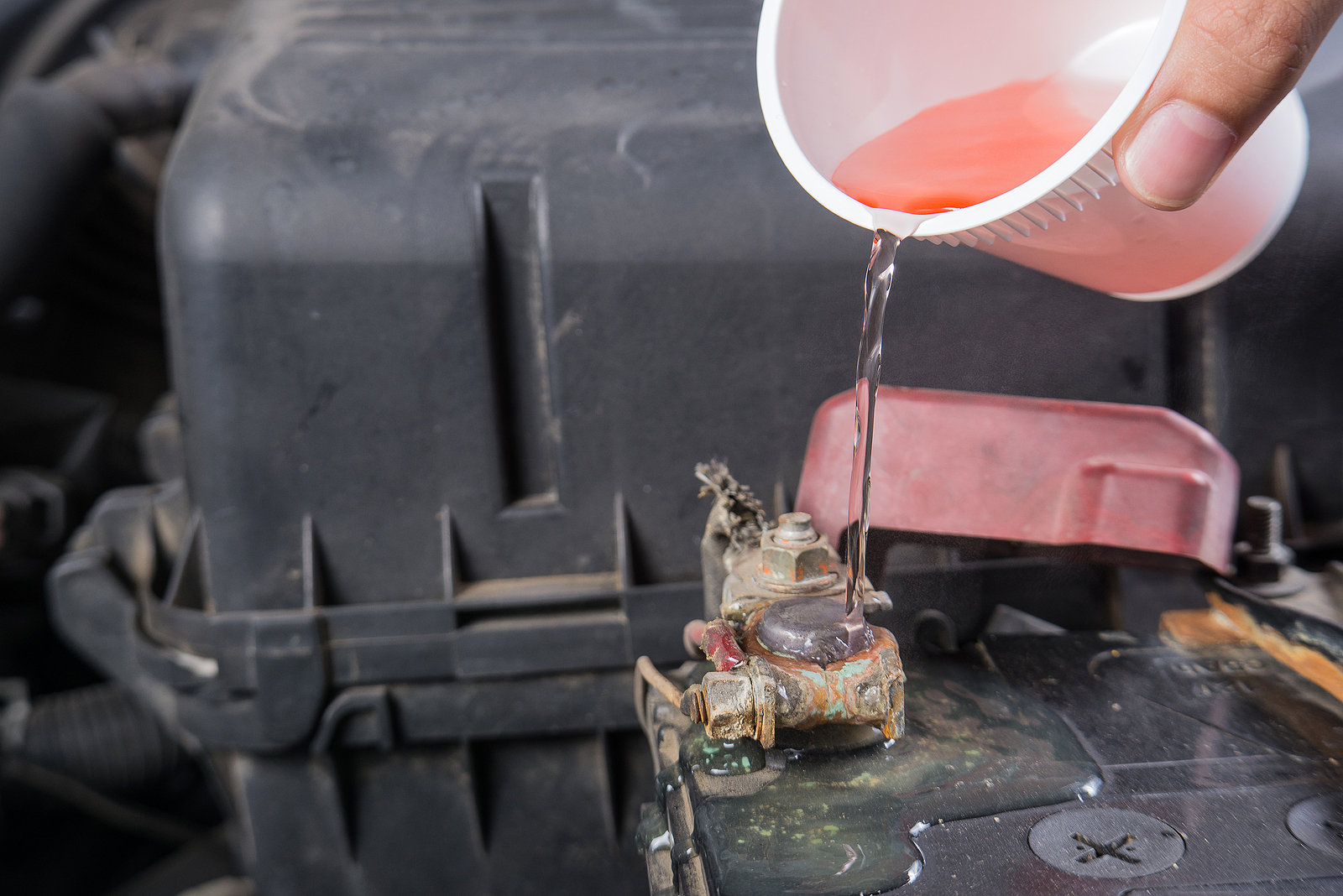
If you have a fluid-cell battery, be sure it is topped off regularly. Always use distilled water when filling up your battery cells.

If you must replace your car battery, be sure to choose one of equivalent quality and that’s compatible with your make and model vehicle.

Keep the outside of your car battery clean and free of dirt, dust, debris, and moisture. If the top of your car battery gets too dirty, the dirt will act as a conductor and drain it quickly.

Use hot water to rinse away battery corrosion. Increase frequency during the hot summer months.

Signs Your Car Battery is Losing Power:

▷ Dim Headlights
▷ Dim or Flickering Interior Lights
▷ Car Accessories Won’t Work
▷ Check Engine Light is On
▷ Car Starts Slowly

Are you in need of a jump start or car battery replacement service in Indianapolis, Indiana? Contact Zore’s Towing for 24 hour tow truck and roadside assistance services you can afford. We serve all of Central Indiana, including Lebanon, Greenwood, and Avon areas.

You Might Also Read:

Why Did My Car Battery Die?
How to Tell if it is Time to Change Your Car Battery
How to Jump Start Your Car After the Battery Dies

Zore’s Towing Towing Wrecker Service Indianapolis

Tips for Incorporating Heavy Towing Rescue Trucks

Zore’s Inc. believes that as a company, we are a member of our community, which strikes a moral obligation in us to contribute to the betterment of our cities and neighborhoods. We feel that it is our responsibility to impart our services, skills, and resources for the sake of improving the well-being of our local municipalities. That is why we are actively involved in several important training and safety programs, as well as a variety of community sponsorships and causes throughout Central Indiana.

Examples of our community involvement include police, fire department, and first responders’ training and “awareness” programs, as well as, heavy towing rescue training, sports team sponsorships, emergency service, task force and wrecker service cross training programs, and much more. We also work closely with Hoosier Helper Tool and provide traffic incident management (TIM) services for collisions and storm damages.

If you are interested in incorporating heavy duty towing rescue trucks into your organization’s program this year, continue below to learn some tips that will get you started on the right track!

24 Hour Towing Recovery Roadside Assistance
24 Hour Towing Roadside Assistance Indiana

How to Incorporate Heavy Duty Towing and Rescue Trucks

▷ Visit local towing and recovery operators’ facilities.

▷ Carefully inspect the operators’ fleet and equipment.

▷ Learn the capacities and capabilities of their resources.

▷ Invite wrecker operators to observe your vehicle rescue training sessions.

▷ Provide the necessary materials (videos, books, etc.) Needed for operators to learn everything about your rescue training program.

▷ Schedule and coordinate joint training sessions with towing operators.

▷ Learn about towing operator training and certification programs.

▷ Invite towing operators to your “critiques of past emergency rescues” meetings.

▷ Advise operators about any personal protective equipment they may need.

▷ Provide first aid, blood-borne pathogen, CPR, and fire extinguisher training for tow operators.

▷ Create a written agreement that clearly specifies tow truck response for rescues.

▷ Provide an alert system for tow truck operators, such as pagers.

Would you like to speak with a member of the Zore’s Towing staff for personalized advice and recommendations for heavy towing rescue truck programs? Contact us today at 317-247-8484 to get started. We work with all organizations, administrations, municipalities, and more throughout the state of Indiana.

You Might Also Read:

Why Choose Zore’s Towing for All Your Roadside Needs
Where to Find Private Property Parking Solutions in Central Indiana
Check Out the Impressive Fleet of Trucks and Equipment at Zore’s Towing

Zore’s Towing Towing Wrecker Service Indianapolis

3 Reasons Why You are Having Problems With Your Car Radiator

Your car’s radiator is a vital auto part, so when it begins to show signs of distress or performance issues, it is important to take a closer look. Although there are many things that can go wrong with an automotive radiator, there are 3 primary reasons that contribute to radiator problems. Continue reading to learn the top three reasons why you are having issues with your car radiator, and how to avoid encountering such problems down the road.

Indiana Towing and Roadside Assistance
Indiana Towing and Roadside Assistance 317-247-8484

What Your Radiator Does

Your car radiator is an important component because it helps regulate the combustion temperatures inside your engine as your car drives. The radiator makes sure that your engine does not overheat, which can damage several different inner and external components of the motor and any surrounding auto parts. For this reason, we fill our car radiator with anti-freeze, also known as coolant or radiator fluid, which brings us to the very first and most common reason why drivers experience problems with their car’s radiators: radiator overheating.

3 Radiator Problems and How to Prevent Them

Although natural wear and tear and simple old age can cause a car radiator to deteriorate and lose performance value, the top three reasons why most vehicle’s radiators experience issues, especially prematurely, are due to radiator overheating, rust accumulation, and leakages. In order to prevent radiator problems, it is important to stay current on all factory scheduled maintenance according to your vehicle’s owners’ manual.

Radiator Overheating – Just like engine overheating, a radiator can run low of coolant, which can cause it to produce too much friction within the inner workings. Other causes of radiator overheating include broken or damaged auxiliary fans, damaged radiator structure, clogged or dirty radiator, and broken hoses that lead to coolant leaks. If your radiator or engine begins to overheat, immediately pull over to the right side of the road, and then call for Indianapolis roadside assistance service.

✔ Stay on top of all fluid refills and scheduled maintenance to avoid engine and radiator overheating.

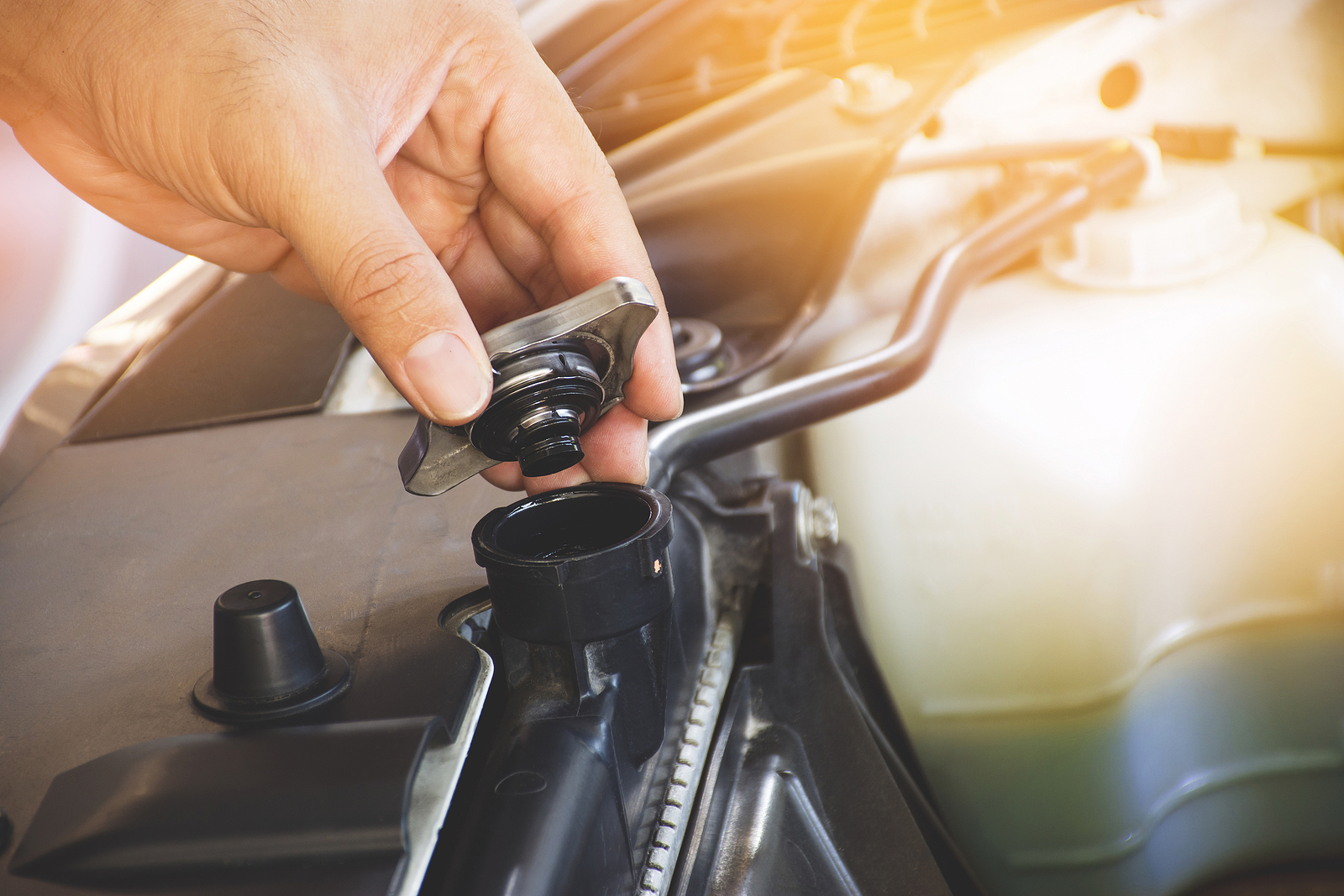
Radiator Rusting – Rusting, or oxidation, occurs when ferrous metal is exposed to oxygen and moisture in the environment. In the case of radiator rusting, such exposure can occur inside the radiator and on the exterior. To check for rust in the radiator, examine your coolant color. If it is brownish, you have rust in your coolant and should get a radiator flush as soon as possible. If you cannot see the color, take a look at the radiator cap. You will see rusty stains or brownish goo inside the cap if you have rust in your coolant.

✔ Be sure to always use a high quality anti-freeze to avoid radiator rusting.

Radiator Leaks – If your radiator is overheating quite often, no matter how much you keep refilling the coolant, you could have yourself a leak. Cracks and external damages to the radiator can also lead to coolant leaks, which might occur after a car accident, or traveling on rough terrain. If your radiator is leaking, it is important to have it repaired immediately. It is not safe to operate a vehicle with a damaged radiator.

✔ Drive safely and on appropriate terrains to avoid radiator damages and coolant leaks.

Is your car radiator damaged or overheating at the moment? Contact Zore’s Towing for 24 hour roadside assistance and towing services in Indianapolis, today. We operate 24 hours a day, 7 days a week, and serve all of Central Indiana.

You Might Also Read:

Will My Car Overheat in Hot Weather?
Why is My Car Engine Overheating?
Important Car Maintenance You Can Do Yourself

Indianapolis Towing & Recovery 317-247-8484

Do I Have to Have a Spare Tire in My Car?

It is a common misconception that the only vehicles that do not come with a spare tire are used cars. And while most people assume that new cars automatically come with a spare tire, vast numbers of modern models do not, as they are no longer standard manufacturing equipment. Generally, only light-duty trucks and large SUV’s come with a spare tire these days. So, many people wind up buying a new car, only to find that it’s not equipped with the fitted spare tire. This leaves them asking, “do I have to have one?”

Continue reading to learn what you should know about spare tires, including whether or not they are required by law.

Flat Tire Roadside Assistance Indianapolis IN
Flat Tire Roadside Assistance Indianapolis IN 317-247-8484

Spare Tire Laws

It is up to you to choose whether or not you would like to have a spare tire in your car. There is no law or state requirement that mandates all drivers have a spare. However, it is strongly encouraged by all car care organizations and authorities to always have a spare tire in your vehicle for those just in case types of situations.

Where to Get a Spare for Your Vehicle

You can purchase a spare tire for your particular make and model vehicle at any local auto parts store or tire shop. You can choose to purchase a brand-new tire, which will deliver optimal performance and efficiency, full tread, and perhaps even come with a warranty. You can also choose to purchase a used tire, which are available in good enough condition to be used in an emergency flat tire situation.

Why are Spares Less Common Now?

There are many reasons why automotive manufacturers are not including spare tires as a standard piece of manufacturing equipment any longer. The 4 top reasons that new cars don’t come with a spare tire include initiatives to: 1) improve gas mileage and fuel efficiency, 2) give more room inside the vehicle interior, 3) increase storage space (namely trunk space), and 4) reduce manufacturing costs.

Run Flats and Self-Sealing Tires

Run flats and self-sealing tires are common alternatives to having a spare in your vehicle. Run flats are a tire system that allows a flat tire to travel a short distance without causing further damage to the wheel or rim. Generally, run flats will allow you to drive up to 50 miles or so under the speed of 45 miles an hour. Self-sealing tires are designed to automatically repair any punctures or holes to the tire caused by running over something sharp, like a nail, using a special sealant inflator kits are another common alternative to having a spare tire, but they are not always dependable.

Are you a Hoosier who is stuck with a flat tire right now? Contact Zore’s Towing at 317-247-8484 for prompt and affordable roadside assistance service in Indianapolis, Indiana. We operate 24 hours a day, 7 days a week, and serve all of Central Indiana.

You Might Also Read:

How Long Can I Drive on a Spare Tire?
Common Types of Spare Tires
How to Patch a Flat Tire Using a Tire Plug Kit

Indianapolis Towing & Recovery 317-247-8484