Hazardous Road Conditions to Avoid on a Motorcycle

This time of year, the rate of traffic accidents increases drastically. When it comes to types of accident victims, motorcyclists are at the top of the list. Some of the most common causes for motorcycle accidents in the United States are speeding, loss of control, driving at night, approaching unexpected curves in the road, and intoxicated driving. This tells us that the best way to prevent motorcycle accidents is to avoid dangerous driving. Unlike cars, motorcycles and their drivers are more vulnerable to inclement weather and unreliable road conditions. For this reason, one of the most important aspects of avoiding dangerous driving is to avoid driving in hazardous conditions.

Continue reading to learn which roads can be the most dangerous on a motorcycle, and who to call after wrecking your bike in an Indiana motorcycle accident.

Indiana Motorcycle Towing
Indiana Motorcycle Towing 317-247-8484

Unpredictable Roads

Unpredictable roads are not a safe route for motorcycles because they can be full of unexpected turns, curves, bends, obstacles, roadblocks, and more. Conditions like narrow roads, loose gravel, rock beds, uneven surfaces, mud, oil, water runoff, fallen trees, road construction, and similar obstructions are common hurdles that motorcyclists must look out for at all times.

For instance, roads with gravel or loose aggregate can make it quite challenging to apply the brakes and come to a safe stop, especially for beginners or inexperienced drivers. Unpredictable roads can be even more dangerous at night. You cannot see a fallen tree or sudden bend in the dark as well as you can during the day. When combined with unsafe driving practices, like speeding, unpredictable roads can be incredibly dangerous.

Wet and Muddy Roads

Rain and snow can create some unpleasant driving conditions, but for motorcycles, these unpleasant driving conditions can be flat out dangerous. Muddy roads are a common obstacle for motorcycles. Not only is it a challenge to navigate a motorcycle through thick, sticky mud, it is very difficult to maintain control and stability.

The best way to avoid an accident is to avoid driving on a muddy road altogether. If the road is only slightly muddy, you can proceed with caution by driving slowly to avoid slipping or sliding. Just be sure to rinse your bike clean of mud when you arrive at your destination to prevent rusting and mechanical issues. These factors can cause a decline in performance and safety, as well.

Winding Roads

Meandering and winding roads, like those found in the hills or mountain ranges, can be very dangerous on a motorcycle. These roads are even more dangerous in inclement weather, at night, and when the sun is setting. For this reason, driving a motorcycle on winding roads requires more alert driving. Furthermore, it requires sufficient practice and experience to adopt the skills of accurate timing and good judgment for navigating twisty or narrow roads on a motorcycle.

For beginner motorcyclists, it is recommended to start on small hills so that you can practice using good timing and navigational judgment while taking turns and bends. Eventually, you should learn how to set up for a curve. Keep in mind that this skill set takes years of driving experience to perfect.

Did You Wreck Your Bike in Central Indiana?

Call Zore’s Towing at 317-247-8484 for affordable 24 hour towing and recovery in Indianapolis, or anywhere throughout Central Indiana. We open a family-owned and operated business for 90 years, so you can trust us for prompt and professional service. We are open 24 hours a day, seven days a week, and 365 days a year, so our certified tow truck operators can be there for you anytime, any day! We also provide 24 hour roadside assistance, including fuel delivery, tire service, and lockouts. Request free estimates, anytime.

Indianapolis Towing & Recovery 317-247-8484

How to Get Your Car Out After Driving into a Ditch

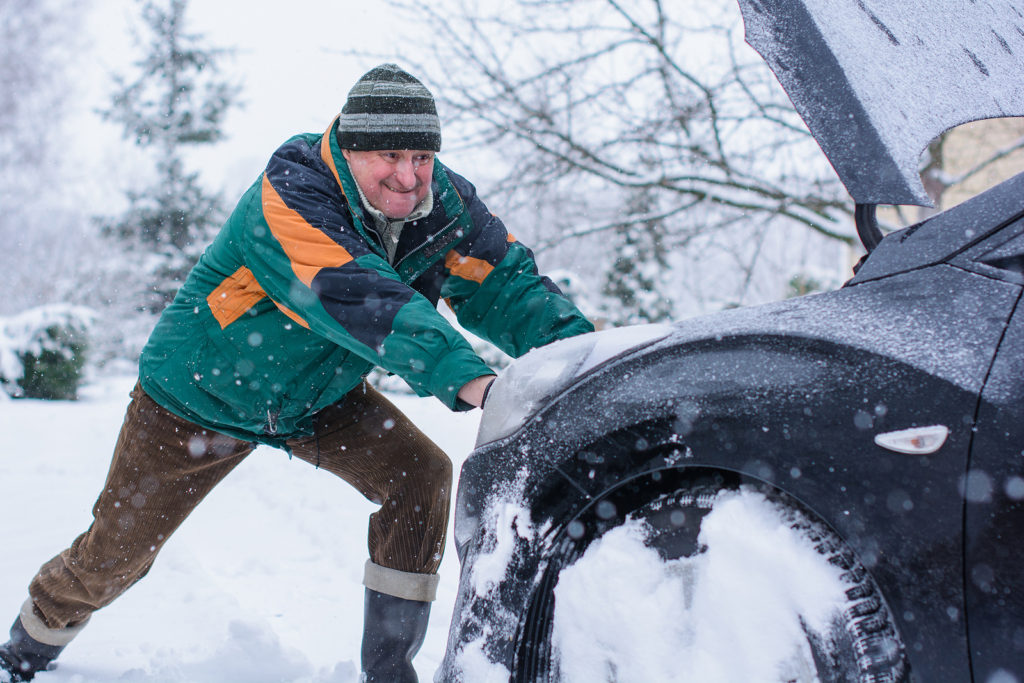
Now that some snow trickle has arrived, it is officially that time of year when the most traffic accidents take place. One of the most common roadway emergencies seen during Indiana winters are cars that wind up driving into a ditch. When this happens, drivers are typically stuck unless they take some action to free their vehicle from the trench.

If you are currently facing the same situation, continue reading to learn how to get your car out after driving it into a ditch. At least one of these solutions will guarantee your safety and release.

Roadside Assistance  Indianapolis Indiana
24 Hour Towing and Roadside Assistance Indianapolis Indiana 317-247-8484

Address Your Safety

The very first thing you should do after driving into a ditch is address everyone’s safety, including your own. Once you know everyone is unharmed, take several minutes to observe your surroundings. Do not immediately get out of your car to examine the damage. Instead, wait first, and ensure that you are out of the way of oncoming traffic or any other hazards. If anyone is hurt, call 911 and request paramedics right away.

Attempt to Get Out on Your Own

Now comes the part where you attempt to get your car out of the ditch it is in, all on your own. In minor cases of cars being stuck in ditches, it is possible to do this with very little effort. Start by seeing if you can alter the load weight inside your vehicle. Perhaps move around some luggage or belongings from the back to the front, or vice versa, or remove them altogether. This adjustment might help your car gain enough traction to free itself from the ditch.

If not, it is time to address traction. You can place certain things in front of your wheels to increase traction. Try cardboard, sand, cat litter, and even your floor mats. For front wheel drive cars, focus on the front wheels. For rear-wheel drive cars, focus on placing things in front of the back wheels.

Contact a 24 Hour Tow Truck

When all else fails, your surefire way of freeing a car stuck in the ditch is emergency roadside assistance services. Contact a local, 24 hour towing company that offers roadside assisting, including recovery service, which is what you need to pull your vehicle out of the trench. Your car insurance might cover this fee, otherwise, it is very affordable. You can expect to pay anywhere from $25 to $75 or so.

Affordable and Fast 24 Hour Roadside Assistance for Central Indiana

Call Zore’s Towing at 317-247-8484 for 24 hour roadside assistance in Indiana. Our friendly staff is waiting by the phones, ready to help you get back on the road, safe and sound. We operate 24 hours a day, 7 days a week, and 365 days a year, so you can always count on us. Request a free estimate, today.

Indianapolis Towing & Recovery 317-247-8484

Stay Safe By Keeping These 6 Things in Your Car at All Times

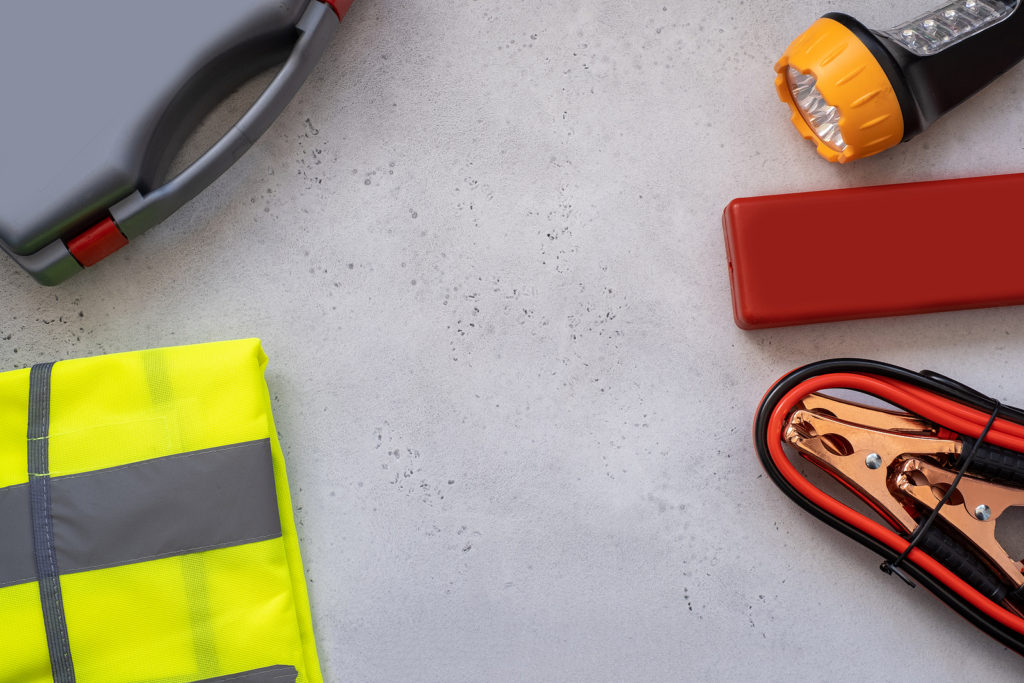
For anyone who operates a vehicle, road safety should be at the top of the priority list. But being “road safe” doesn’t stop at safe driving; it also requires being prepared for emergencies, whether that’s a flat tire, stalled engine, dead battery, or something more catastrophic. Fortunately, you can better prepare yourself for unanticipated road emergencies by keep certain items in your vehicle at all times.

Continue reading to learn at least 6 items that can help you during your next road emergency.

24 Hour Towing and Roadside Assistance
24 Hour Towing and Roadside Assistance 317-247-8484

Jumper Cables

If your car battery dies, your jumper cables will save you from a major setback or costly tow. Always keep workable jumper cables in the trunk of your vehicle. Never remove them. Today, many jumper cables can be purchased in a nicely-compacted package that won’t take up too much space in your trunk. Be sure you also know how to jump start a dead car battery.

Spare Tire and Tools

In the case that you get a flat, it is quite possible to change your tire yourself, that is, if you have a spare one on hand. Most cars come with a factory spare, but if you bought your car used, it might be missing. Be sure to check your car for a spare, and if you do not have one, buy one that matches your make and model vehicle. Spare tires are available for sale at any local tire store or automotive parts store.

Flashlight or Lamp

If your car breaks down at night, especially if it’s due to a dead battery, it might be too dark to see what you are doing. Not only does this hinder your ability to identify and resolve the issue, but it can also put you and your passengers in danger of being hit by other vehicles. Avoid these problems by keeping a quality flashlight or lantern in your car, along with an extra set of batteries.

Blanket

In the case that your car breaks down in the middle of a cold season, and your heat does not work, you would be safer and more comfortable with a blanket. If you commonly have passengers with you, add more blankets.

Water

Just like blankets, water is another prime roadside emergency item to have. Keep a gallon jug or a 6-pack of bottled water in your trunk in the case that your engine overheats, or you are broken down for a long period of time without food or beverage.

Fully-Charged Portable Phone Charger

There are several portable phone chargers on the market to choose from. Be sure the one you add to your roadside emergency kit is a good quality brand. Be sure it is fully-charged, and then keep it in your vehicle at all times. Only use it for emergencies. You see, if your car breaks down because of a dead battery, you won’t be able to use your car to plug in your phone. A portable charger solves this common problem.

Indianapolis Indiana Roadside Assistance and Towing Services

Call Zore’s Towing at 317-247-8484 for 24 hour roadside assistance and towing services in Indianapolis and throughout Central Indiana. Our friendly staff is waiting by the phones, ready to help you get back on the road, safe and sound. We operate 24 hours a day, 7 days a week, and 365 days a year, so you can always count on us. Request a free estimate, today.

Indianapolis Towing & Recovery 317-247-8484

How Does Tongue Weight Affect My Car?

Tongue weight (TW) is incredibly important when it comes to towing and hauling cargo with your car. Improper tongue weight would make it very difficult to operate your vehicle, let alone do so safely. If you are not familiar with tongue weight calculations and recommendations, it is vital that you educate yourself before hitting the road with a trailer in tow.

Continue reading to learn how tongue weight effects a car’s ability to perform, and how to determine your make and model’s manufacturer’s instructions for tongue weights and towing capacity.

24 Hour Towing and Roadside Assistance
24 Hour Towing and Roadside Assistance in Indiana 317-247-8484

What is Tongue Weight?

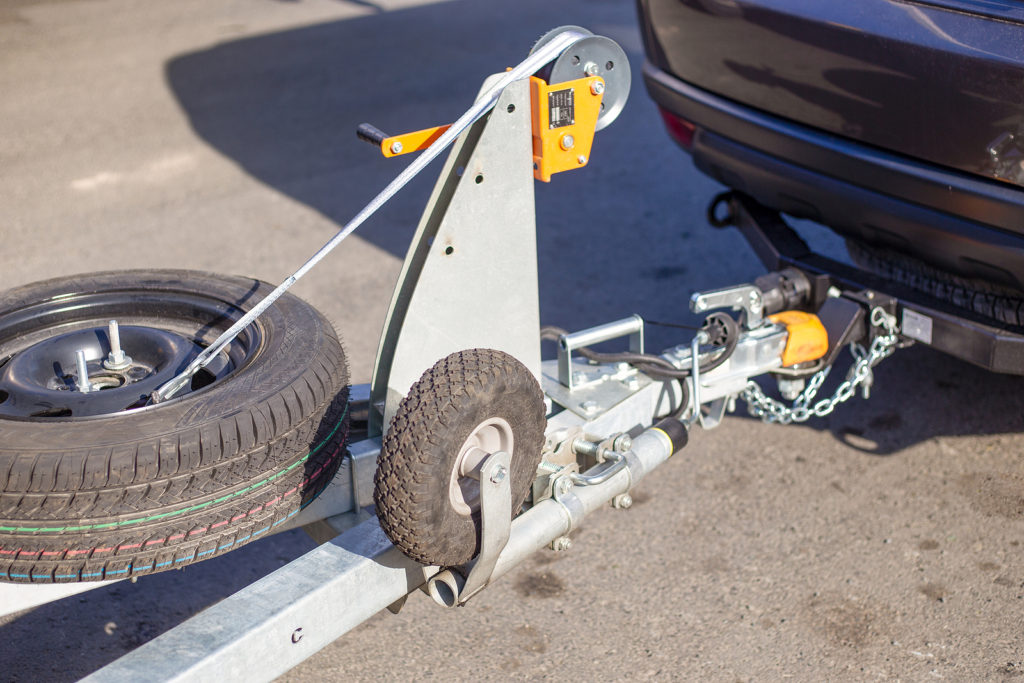
Tongue weight (TW) is the amount of fixed force the trailer applies on the hitch ball of your vehicle. Without adhering to your vehicle’s manufacturer’s guidelines for tongue weight and towing capacity, you are at a much higher risk of accidents and property damage occurring during the tow. Simply put, it is not safe to tow a trailer that is not putting enough weight or too much weight on the hitch ball.

Without enough weight, the trailer is prone to swaying side to side, which is a leading cause of serious motor vehicle accidents in the country. While starting off as a first time tower, be sure to review what you should do if your trailer starts to sway, just to be prepared in the case of an emergency. If there is too much weight on the hitch ball, then you can risk putting too much force on the back tire of your car, which can cause the rear of the vehicle to sway or lift off of the ground.

Can you picture driving a car with elliptical wheels rather than circular wheels? The ride would most certainly feel unsteady and uncontrollable. Driving a car with improper tongue weight would be much like this. Forget navigating turns, taking corners, backing up, or even braking, successfully. Although this is just a brief explanation of tongue weight, you can see just how dangerous incorrect tongue weight calculations can be for drivers, as well as other pedestrians and passengers on the road.

How to Calculate Your Car and Trailer Tongue Weight

To determine your vehicle and trailer tongue weight guidelines, simply refer to your owners’ manual. The general rule of thumb is that the tongue weight should be approximately 10 to 15 percent of the towing vehicle’s total weight. Take a standard 2,400 lb. sedan loaded with 1,000 lbs. of freight, for instance. The recommended tongue weight would be between 340 and 510 pounds, which is 10 to 15% of the total 3,400 pounds being towed.

Some make and model vehicles require a hitch upgrade for tongue weights higher than a 700 or 800 pounds. One example of this would be the Sierra 1500 pickup truck, which requires owners to switch from a weight-carrying hitch to a weight-distributing hitch. Also, some gooseneck and fifth wheel trailers are designed for heavier loads, so their recommended tongue weights are generally between 15 and 30 percent, rather than 10 to 15 percent.

Where to Get 24 HR Towing and Roadside Assistance in Central Indiana

Call Zore’s Towing at 317-247-8484 for 24 hour roadside assistance and towing services in Indianapolis and throughout Central Indiana. We are fully-equipped with the right fleets to assist cars, trucks, motorcycles, boats, construction equipment, trailers, vans, semi-trucks, airplanes, and much more. Our friendly staff is waiting by the phones, ready to help you get back on the road, safe and sound. We operate 24 hours a day, 7 days a week, and 365 days a year, so you can always count on us. Request a free estimate, today.

Indianapolis Towing & Recovery 317-247-8484

Here is Why Cars Get Towed Away Unexpectedly

It happens to drivers every day, all across the country. It’s such a familiar tune that you can easily relate to anyone’s story. You park your car or truck outside in a public area, walk inside a store for just a minute, and when you return, your vehicle is long gone. And the first question that pops into your head is, “why did they tow my car?!” Well in actuality, the answer isn’t all too difficult to figure out. A simple matter of elimination will enlighten you as soon as you can gather your thoughts and start the investigation process.

Continue reading to learn some common reasons why cars are towed, and how to get yours back after the initial, involuntary panic resides.

24 Hour Towing and Roadside Assistance 317-247-8484
Car Towed in Indiana? Call 317-247-8484 Now.

Parking Violations are a Top Cause

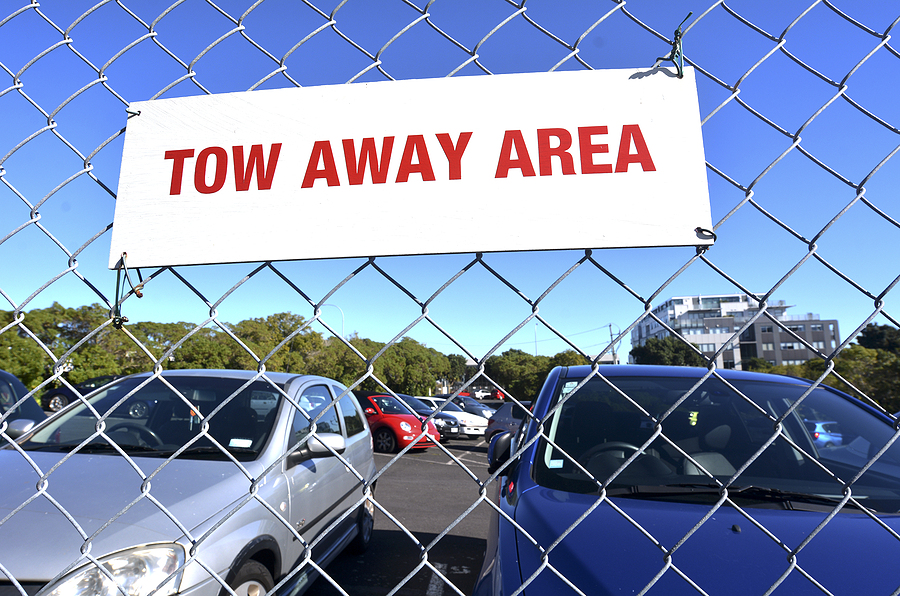
The most common, and probably the answer to your scenario, reason why civilian vehicles are towed is for parking violations. You know what these are: parking in handicap spots without a valid sticker, parking in spots that are labeled, “Reserved”, and let’s not forget fire lanes, no parking lanes, loading zones, private property parking, and abandoned vehicle parking. That last one refers to leaving your car in a public parking lot overnight. This is sometimes prohibited on certain lots and will result in property management towing. Look around for parking signs and street signs with towing information on them. Dial the number and you are sure to find your vehicle. If not, you might want to consider the next reason.

Police Impounds and Repossessions

If you are leasing or financing a vehicle, and you know you are behind in payments, a repossession is not a far reach. Your vehicle may have been towed away by the bank sponsoring your car loan, or the dealership that you are leasing from. If your car is paid for, then you might want to consider some legal possibilities. If your license plate is expired, police can tow it and impound it. Same goes for an expired registration. Also, if your vehicle is a suspected asset to a crime or something like it, it can be towed and impounded as soon as a warrant is signed by a judge. And that could very-well be during your lunch break at Apple Bees.

Suspended or Unlicensed Drivers

There are actually cases where your car can be towed without even parking it in the first place. During a routine traffic stop, if a police officer finds that your license is suspended, expired, or non-existent, they will have your vehicle towed and impounded on the spot.

Central Indiana Tow Truck Services 24 Hours a Day and 7 Days a Week

Call Zore’s Towing at 317-247-8484 for prompt and affordable Indiana towing and recovery, roadside assistance, car auctions, and more. We operate 24 hours a day, 7 days a week, and 365 days a year, so you can always count on us. As a family owned business, you can trust that our prices are fair, and our customer support is sincere. Call 317-247-8484 to request a free quote or information, anytime.

Indianapolis Towing & Recovery 317-247-8484

Suggested Cars and Trucks with High Towing Capacities

If you need to tow a heavy load, an extra-large trailer, or something equally as big or hefty, it is vital that you use the appropriate vehicle for the job. Tow capacity can range anywhere from a few thousand pounds to six tons or more. It is important to know what your vehicle can handle in order to determine whether or not you need to find a different car or truck for a substantial tow. Cars, trucks, and SUV’s are all options, but for larger jobs, SUV’s and trucks are your best bet. They typically have the higher towing capacities and capabilities.

Continue reading to learn what the towing limits are for some popular make and model vehicles on the market today.

Large Vehicle Towing and Roadside Assistance in Indiana 317-247-8484

Gross Vehicle Weight and Towing Limits

To calculate your vehicle’s tow limit, you must first determine its gross vehicle weight rating, or GVW. This number can often times be found on a label inside the driver’s door or in the owner’s manual. Take the GVW and add it to the total weight of the trailer or load you intend to tow. This will give you the GCW, or gross combination weight of your truck. This number should not exceed the GCWR, or gross combination weight rating. This is the maximum amount of weight your vehicle can haul without jeopardizing the integrity of the transmission, brakes, suspension, engine, tires, and more.

High Towing Capacity Vehicles to Consider

If you are in the market for a new truck or SUV with a high hauling capacity, take a look at the following list for current market options for conventional ball and hitch towing. Keep in mind that these particular make and model vehicles come in a variety of cab styles, sizes, engines, and additional features and upgrades.

Ford Trucks:

F-450 DRW 4×4 6.7L Power Stroke Turbo Diesel V8 = Up to 19,000 lbs.
F-350 DRW 4×4 6.7L Power Stroke Turbo Diesel V8 = Up to 19,000 lbs.
F-250 SRW 4×4 6.7L Power Stroke Turbo Diesel V8 = Up to 14,000 lbs.

Dodge Trucks:

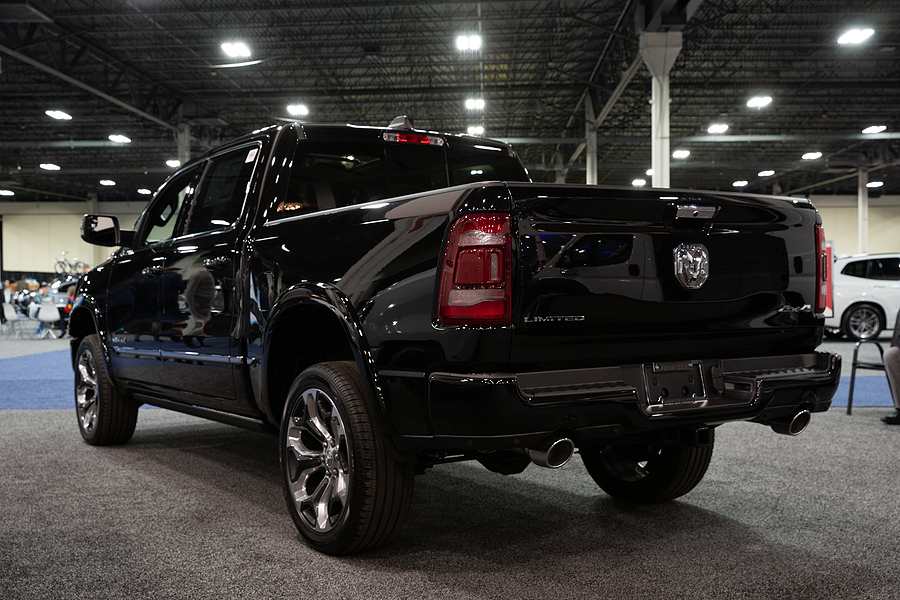
Ram 3500 = Up to 11,900 lbs.
Ram 2500 = Up to 11,800 lbs.
Ram 1500 = Up to 9,000 lbs.

GMC Trucks:

Sierra 3500HD = Up to 13,000 lbs.
Sierra 2500HD = Up to 13,000 lbs.
Sierra 1500HD = Up to 8,000 lbs.

Chevrolet Trucks:

Silverado 3500HD = Up to 13,000 lbs.
Silverado 2500HD = Up to 13,000 lbs.
Silverado 1500HD = Up to 8,000 lbs.

⚠ Never exceed your car or truck’s towing capacity! Consult a professional Indianapolis Indiana wrecker company for accurate information and advice on gross vehicle weights and guidelines.

Central Indiana Towing and Recovery Service You Can Truly Count On

Call Zore’s Towing at 317-247-8484 for safe and affordable Indianapolis tow truck services you can trust. Our licensed and insured tow truck operators provide punctual and prompt tow truck services, 24 hours a day and 7 days a week! We also provide numerous community services, roadside assistance services, wrecker and recovery services, and much more. Call 317-247-8484 to request a free estimate, anytime!

Indianapolis Towing & Recovery 317-247-8484
Indianapolis Roadside Assistance & Towing 317-247-8484

Recommended Tow Hitch Fittings You’ll Need for Long Distance Hauls

There are several hitch accessories that are recommended for drivers to use when towing a trailer longer distances. Although there are several hitch accessories you don’t necessarily need for shorter hauls, long distance towing is a more serious undertaking, especially when using highways and interstates at high speeds. Continue reading to learn a little about some of the most popular and recommended tow hitch accessories, and who to contact for additional towing advice and information you can trust.

Indiana Long Distance Towing Service
Indiana Long Distance Towing Service 317-247-8484

What You Should Have for Trailer Towing

➾ Ball Mounts

The hitch receiver and ball mounts are entirely separate assemblies. A ball mount should slide into a hitch receiver and be secured with a locking pin. Always be sure to use a ball mount that matches your hitch class. This is the amount of weight your truck can pull, of course. Class I hitch pulls up to 2,000 pounds, Class II hitches pull up to 3,500 pounds, Class III’s pull up to 5,000 pounds, and so forth. You can find class V hitches that can pull more than ten thousand pounds!

➾ Hitch Balls

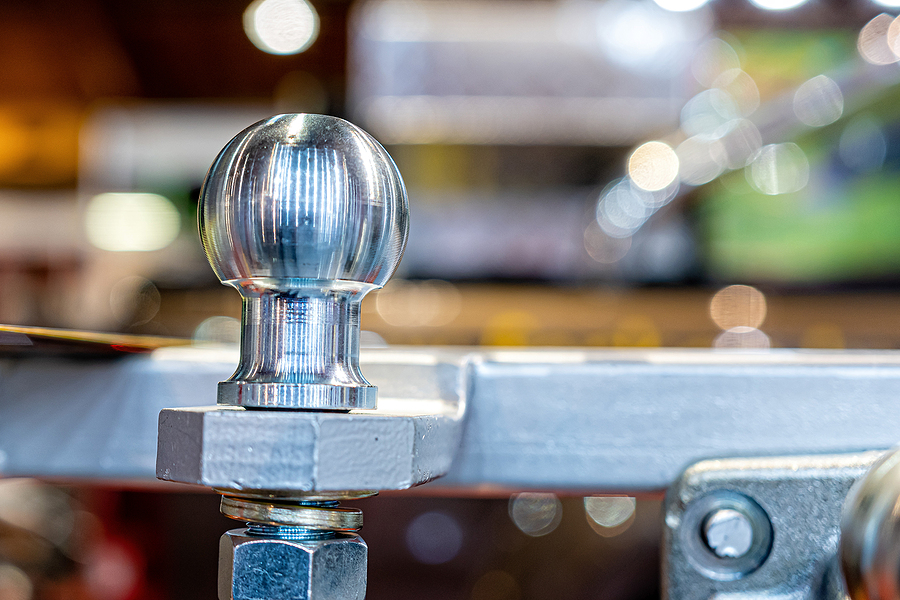
Hitch ball shanks fit through a hole in a ball mount, and secured with nuts and washers. Because these holes in ball mounts come in different sizes, it is important to check the shank diameter of your hitch balls before trying them out or purchasing them.

➾ Couplers

Although couplers are technically part of a trailer, they are an important accessory to mention because a trailer cannot be connected to a vehicle without them. They are attached at the end of the tongue, and must match the size of hitch ball diameter. They must also be able to handle that total weight of the load in haul. This is called the gross trailer weight, or GTW.

➾ Safety Chains

One of the most highly recommended accessories for any tow are safety chains. Just like couplers, safety chains are located at the tongue of the trailer, but on each side. They serve the purpose of keeping a trailer connected to a vehicle, while providing extra security and safety when towing a trailer. In fact, most states require them under law.

➾ Locks, Pins, and Clips

As mentioned before, pins are used to secure ball mounts to hitch receivers. Then a clip is placed over the head of the pin to prevent it from slipping out of place. Hitch locks are popular alternatives to pins and clips, as they do the job of both; but they also protect the ball mounts from thieves.

➾ Tube Covers

Customizable and fun to use, hitch tube covers are another popular and useful accessory for towing a trailer. When tow hitches aren’t being used, they can collect dirt, mud, and grime. This exposure can cause pre-mature corrosion and deterioration of your tow hitch. The solution for this issue is using a hitch cover! They are steel or plastic tube covers that protect your tow hitch from overexposure to natural elements and harsh weather conditions. Simply insert them into the ball mount hole when not in use. They are fun because they come in a variety of colors and patterns that you can match to your truck or your personality!

➾ Hitch-Mounted Cargo Carriers

Hitch-mounted cargo carriers are another accessory that can be useful when not towing a trailer. They are like a mini-flatbed trailer because they offer a flattened platform capable of holding up to 600 pounds of cargo weight. Cargo carriers simply connect to the hitch receiver on one side, providing the platform deck on the other! There are two types of carriers, open-style and enclosed. Talk to your local wrecker service for details and advice on which style to use for your truck or SUV.

➾ Extenders and Adapters

Extenders and adapters are used as accessories to hitch-mounted accessories, like cargo carriers. When a ball mount doesn’t fit the size of a receiver, a tow adapter might be used. And when you need to increase the clearance of a cargo carrier or other hitch-mounted device, an extender might be used for this. Extenders are important for trucks and vehicles that have something hanging over the bumper, like a tire or camper shell.

➾ Weight Distribution Systems

Weight distribution systems are great towing accessories to consider when you need to tow a large amount of weight. This means loads heavier than 3,000 pounds or so. In this case, you would of course need a Class VI or V trailer hitch.  These systems come with shanks, hitch heads, and spring bars.

➾ Trailer Jacks

Trailer jacks do not actually mount to the hitch, but they make the hitching process much safer and much easier. They are mounted to the trailer, on the tongue, in close proximity to the coupler. They allow you to raise and lower the trailer from the hitch ball with a crank.

Indianapolis Roadside Assistance Towing Services You Can Count On

Call Zore’s Towing at 317-247-8484 for 24 hour towing and roadside assistance in Indianapolis and throughout Central Indiana. Our friendly staff is waiting by the phones, ready to help you get back on the road, safe and sound. We operate 24 hours a day, 7 days a week, and 365 days a year, so you can always count on us. Request a free estimate, today.

Indianapolis Towing & Recovery 317-247-8484

What a Driver Must Do to Tow another Car Safely

There are many reasons why you might have to tow another vehicle with your own vehicle. Whether taking a cross-country road trip with your RV and primary vehicle in tow, moving to another state for work, or helping a friend transport their broken-down vehicle to their auto repair shop, the most important factor is safety. There are certain protocols that you, as the driver of the vehicle towing the other vehicle, must take in order to protect both people and cargo on the road.

Continue reading to learn some vital driving safety tips for towing another vehicle with your own.

24 Hour Towing and Roadside Assistance
24 Hour Towing and Roadside Assistance 317-247-8484

Safety Tips for the Driver of the Towing Vehicle

✅ Use Extreme Caution

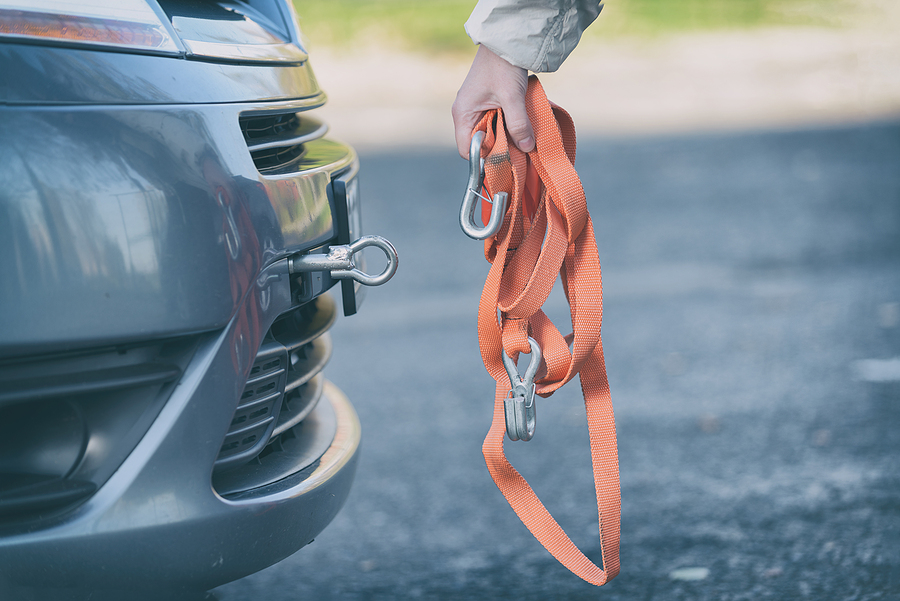
Always drive with superior care and caution. Never exceed 16 miles per hour on the road, and be sure to stay alert of all surroundings, both in front of you, beside you, and behind you. Driving too fast with another vehicle in tow can create too much inertia, or force, that can easily turn into uncontrollable momentum. As a result, your vehicle might have trouble coming to a stop on demand.

✅ Utilize the Clutch Properly

When pulling away for the first time with the other vehicle in tow behind you, it is vital that you operate your clutch properly. Being gentle with the clutch, pull out delicately, and at a very slow pace. If you are not using a vehicle with a manual clutch, just be sure to pull out slowly and carefully. If you pull out abruptly, you can snap the towrope or towing pole that connects your car to the towed one. As a result, the towed vehicle can whip forward and smash into the back of yours, or worse, come off on the road and smash into another person or vehicle.

✅ Be Slow and Gentle When Braking

Never slam on the brakes, or brake suddenly, when towing another vehicle with your own. This can cause the same type of problems with pulling out too fast, as mentioned above, but it can also cause massive damage to both vehicles. Give yourself several hundred feet to brake slowly, before coming to a stop, turning, or yielding. Apply the brakes gradually and gently to avoid sudden braking. Likewise, use your turn signals far ahead of time to warn drivers around you.

If the Driver is Sitting in the Car Being Towed…

In the case that you are utilizing a towing method that allows the driver to sit inside their own car while your car tows it, there are certain precautions they must take as well. They should remain fully alert, watching all braking and turn signaling. This allows them to actively steer and brake in coordination with the other vehicle, as needed. Also, they should keep constant tension in the towrope or towing pole to reduce jerking and similar abrupt movements.

Indianapolis Indiana Towing and Recovery Services You Can Trust

Call Zore’s Towing at 317-247-8484 for 24 hour towing and recovery services, or roadside assistance in Indianapolis and throughout Central Indiana. Our friendly staff is waiting by the phones, ready to help you get back on the road, safe and sound. We operate 24 hours a day, 7 days a week, and 365 days a year, so you can always count on us. Request a free estimate, today.

Indianapolis Towing & Recovery 317-247-8484

6 Maintenance Tips for Your Personal Watercraft Trailer

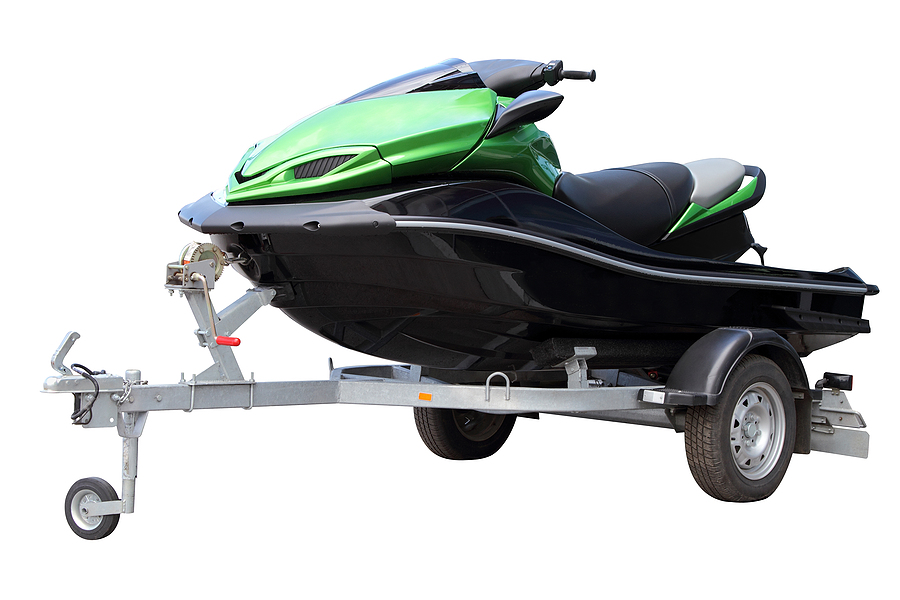
Whether yours is a Wave Runner, Sea-Doo, Jet Ski, or some other type of personal watercraft, you likely have a trailer to get it from point A to point B. As the owner of a personal watercraft, you understand how important it is to take good care of your asset considering it’s an expensive and potentially dangerous piece of equipment. However, many personal watercraft owners tend to overlook the needs of the watercraft’s trailer. Trailers require maintenance too, and without proper routine maintenance, you can expect to run into some mechanical and operational issues down the line. Both of which can lead to serious accidents, injuries, and costly structural damage. Fortunately, all of these scenarios can be avoided with some regular watercraft trailer maintenance.

Continue reading to learn the top six maintenance tips you need to know when it comes to taking care of your personal watercraft trailer.

Indiana Boat Jet Ski Towing
Indiana Boat Jet Ski Towing 317-247-8484

Routine Cleaning

all trailers require some light routine cleaning in order to keep them in superior condition. This simply involves taking a microfiber cloth to the surface areas, eliminating dust and debris that accumulates over a period of a couple of days. For a deeper claim, opt for a degreasing agent or some other cleaner that safe for the type of metal your trailer is made of. This can remove rust and other surface blemishes, thus polishing up the exterior quite nicely. On a less regular basis but still on schedule, it is a good idea to use a mild soap and water solution on your trailer, and rinsed clean with a garden hose.

Lubrication

along with regular cleaning, a watercraft trailer also needs its mechanical and moving parts lubricated periodically. It is recommended to use a spray lubricant product, which is available at any local home improvement store or even at your local department store. Be sure to treat all exposed parts that are moving or mechanical, including hubs, hinges, bolts, springs, and a tongue jacket your trailer has one. If your personal watercraft trailer happens to have grease nipples, you can also treat them with the grease gun.

Wheel Bearings

Be sure to give your wheel bearings an inspection every once in a while. You might need to get them repacked. Talk to the manufacturer to see what your personal watercraft trailer requires in terms of wheel bearing and hub maintenance.

Tires

T will he tires on your trailer make the most contact with the ground, which means they experience a higher level of wear and tear. For this reason, it is important to regularly inspect your personal watercraft trailer tires to ensure they are properly inflated and without any defects. Look for problems like bulging sidewalls, cracked sidewalls, tread wear, and tire blowouts.

Hitch

Your hitch system to your personal watercraft trailer is one of the most important components considering a connects your trailer to your towing vehicle. Regularly inspect your hitch set up to ensure the hitch ball, trailer hitch coupler, safety chains, and wiring systems are all properly connected and operational. If you want us to check to see if your hitch ball is properly level, simply drop a few dollops of water on the very top. Watch how the water droplets fall, and this can give you an indication on whether your hitch ball is tipped up, down, or tilted forward.

Lighting System

Last, inspect your trailer’s lighting system to ensure the brake lights, turn signals, hazard lights, taillights, and parking lights are all connected to your towing vehicle’s lighting system and operational. Before each use, it is important to check the lighting system to ensure all of the lights are probably working. You will get pulled over by law enforcement if your lighting system on your trailer is not synced up with your towing vehicle.

Going a Long Distance? Choose Professional Towing Service for Your Boats and Watercrafts!

Central Indiana Long Distance Boat Towing Services You Can Trust

Call Zore’s Towing at 317-247-8484 for long distance boat towing services in Indianapolis and throughout Central Indiana. Our friendly staff is waiting by the phones, ready to help you get back on the road, safe and sound. We operate 24 hours a day, 7 days a week, and 365 days a year, so you can always count on us. Request a free estimate, today.

Indianapolis Towing & Recovery 317-247-8484

Important Information About Transmission Fluid Leaks

When it comes to your car’s transmission, there is nothing more important than ensuring it maintains proper fluid levels. After all, transmission fluid is one of the seven vital automotive fluids that every vehicle needs to operate safely and efficiently. One of the most common causes of lost transmission fluid is a leak.

Continue reading to learn what you need to know about transmission fluid leaks, including common facts like how to detect them, and what to do if your car has one.

24 Hour Towing and Roadside Assistance 317-247-8484

How to Monitor Transmission Fluid

There are many factors that determine how often you should monitor a vehicle’s transmission fluid levels. The frequency of transmission fluid checks primarily depends on the make and model of the vehicle, however, there could be several other more specific factors that you need to know. For instance, most instructions tell you to leave the car engine on while checking the transmission fluid; but, if you are driving a Honda, the engine needs to be turned off. 

If you drive a Dodge model, you have to put in neutral while applying the emergency brake in order to check your transmission fluid. With all the different guidelines and variables that apply to each make and model vehicle and transmission, it is strongly suggested to always refer to your vehicle’s owners’ manual for the right information. You can also contact a local auto shop for professional advice you can trust.  Many mechanics offer free fluid checks, so be sure to take advantage of this when it is time your vehicle is in the shop!

Transmission Leak Dangers

Minor leaks can easily go unnoticed to an untrained eye. In fact, many drivers on the road have automotive fluid leaks and don’t even realize they are there; but it is never safe to drive with a leak, especially if it’s coming from the transmission. Although minor leaks are not likely to impose an immediate danger on the road, they will lead to more severe damages to other car parts, which can cause serious car accidents and injuries, or cost you thousands of dollars in needed repairs and part replacements. These damages are costly, but can fortunately be avoided by not operating the vehicle until it is repaired.

Transmission Leak Detection

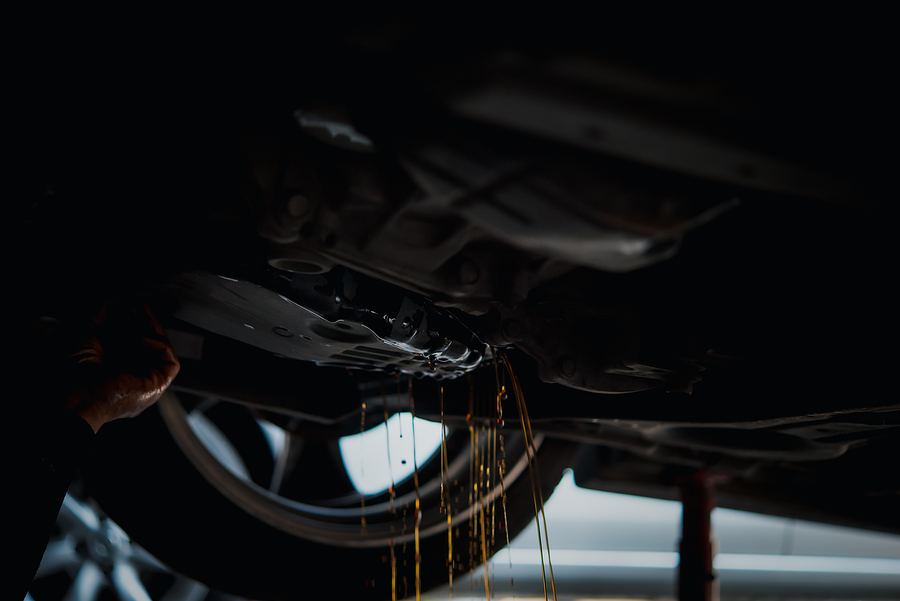
The most common sign of a transmission leak is seeing the actual transmission fluid seeping or puddling beneath a car. Transmission fluid is dark red in color. When clean, it is a light pink or red, but when dirty, it will appear burnt orange or brown. If you detect a leak in your transmission, do not continue driving the vehicle. If you are on the road, pull over and contact a 24 hour roadside assistance company. They may be able to patch up your leak and replace your fluid well-enough to get you home or to the nearest mechanic. Otherwise, they can tow your vehicle for you. If you are at home, and notice the leak on your driveway, you should not drive your car. Instead, contact a tow truck to have your car towed to your auto repair shop of choice.

Where to Get Fast Towing and Roadside Assistance in Indianapolis, Indiana

Call Zore’s Towing at 317-247-8484 for 24 hour roadside assistance and towing in Indianapolis and throughout Central Indiana. We are fully-equipped with the right fleets to assist cars, trucks, motorcycles, boats, construction equipment, trailers, vans, semi-trucks, airplanes, and much more. Since 1927, we have a provided a wide range of towing and roadside assistance services, and for the past 90 years, we have earned a reputation for trusted service at a fair price! We operate 24 hours a day, 7 days a week, and 365 days a year, so you can always count on us. Request a free estimate, today.

Indianapolis Towing & Recovery 317-247-8484