3 Vital Tips for Towing a Camper This Summer

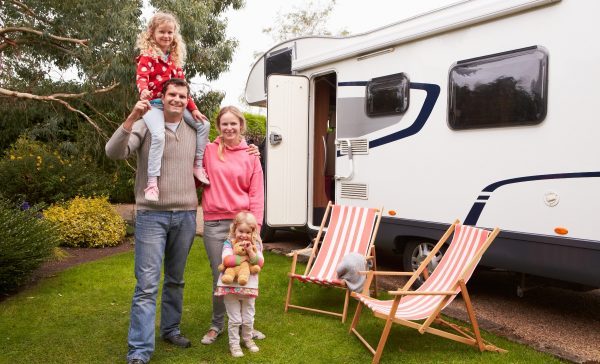
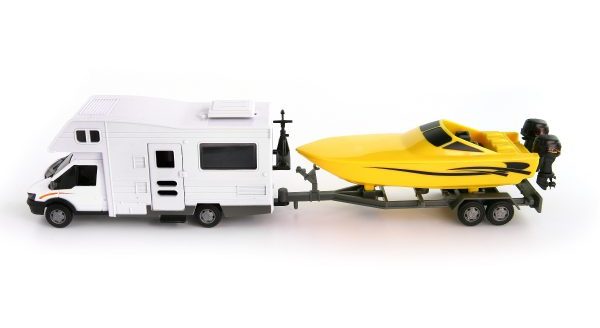
Summer is a time for family vacations. And although many families are catching planes and trains, road trips are still a popular and traditional way for families to travel together! If a long distance road trip is part of the plan for your family vacation this summer, it is likely that you will be hauling a camper along with all your vacation supplies. Just be sure you remember how to tow a camper, safely.

Continue reading to review the top three safety tips for towing a camper.

Indianapolis Towing 317-247-8484

Long Distance Towing 317-247-8484

Adhere to Weight Capacity

It is vital to know and understand the weight capacity of your vehicle in order to prevent damage to your vehicles, as well as, serious accidents. Your camper should come with an owners’ manual that will tell you the total weight of the vehicle you are planning to tow. With this number in mind, compare it to the weight of the vehicle doing the towing. Generally speaking, the heavier your vehicle is, the larger the load it can haul. In contrast, if you have a lighter vehicle, it will only be able to haul light loads.

Use Proper Distribution

Not only does your load weight need to be an appropriate match to your vehicle’s towing capacity, it is vital to evenly distribute the weight in both vehicles. It is common practice for travelers to pack up their vehicles with luggage and supplies for their vacation, as well as their camper or RV. This is perfectly safe and acceptable so long as the weight ratios remain similar in both vehicles. Packing too much in the camper can outweigh the vehicle towing it, which can lead to distress on the hitch and the vehicle doing the hauling.

Use the Proper Towing Hitch

It is crucial to use the right towing hitch for the type of towing you need to do. Your towing hitch set up should be able to hold the total trailer weight of the camper. A stabilizer bar is another tool that can greatly reduce the chances of swaying and swerving on the road. It is highly recommended to use a stabilizer bar along with your tow hitch to ensure a safe and secure ride. Once you have the right hitch, it is helpful to simply back the vehicle up to the front of the camper. The towing ball should be set directly underneath the hitch so that you can lower the hitch over the ball and complete all the necessary connections.

Professional Long-Distance Towing

Zore's Towing Indianapolis 317-247-8484

Zore’s Towing Indianapolis 317-247-8484

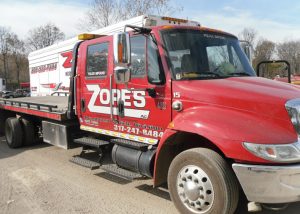
Call Zore’s Towing at 317-247-8484 for professional Indianapolis towing service you can trust. Our licensed and insured tow truck operators provide 24 hour wrecker and towing services, including light duty tows, heavy duty tows, long distance tows, roadside assistance, and more. Request a free estimate or emergency service, anytime!

The Importance of Tire Pressure Monitoring Systems

Tire pressure monitoring systems, or TPMS, are vital tools for all vehicles. Not only can these innovative automotive systems save lives, they support proper vehicular maintenance and care. Continue reading to learn more about tire pressure monitoring systems, including which types are available, the differences between them, and what they can do for you.

Indianapolis Towing and Roadside Assistance 317-247-8484
Indianapolis Towing and Roadside Assistance 317-247-8484


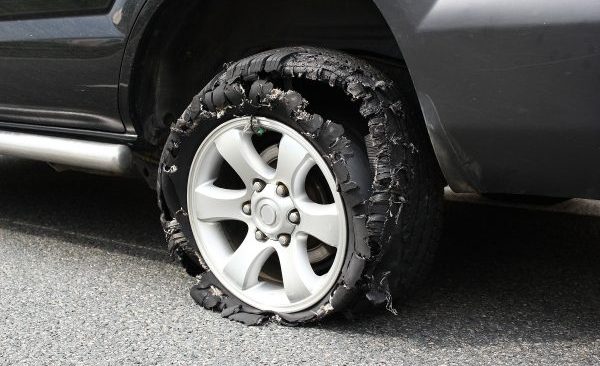
Tire pressure monitoring systems are designed with innovative technology to detect and warn drivers of under-inflated and over-inflated tires. TPMS are always operating in a vehicle; so they constantly monitor and measure tire pressure to ensure that all tires are properly inflated. Not only can this prevent accidents and injuries, it can improve fuel efficiency, vehicle performance, and much more.

Indirect vs. Direct TPMS

There are two kinds of TPMS applied in modern vehicle technology: indirect and direct. Both types of tire pressure monitoring systems are created equal in nature, however, they each come with their fair share of pros and cons.

Indirect tire pressure monitoring systems is designed to monitor tire revolutions. By measuring the number of revolutions each tire is making as you drive, it can monitor changes in pressure and detect when the inflation is off. They are well noted for being more affordable than direct TPMS in regards to both initial investment and installation, as well as, for being low maintenance. However, drivers have had complaints about having to reset the system after re-inflation or any tire rotation.

Direct TPMS use actual monitoring sensors that are located in each tire. The sensors measure air pressure levels, and send wireless data to the vehicle’s computer system. Drivers appreciate the accurate readings a direct TPMS provides, no matter the condition of the tires. They also appreciate the 10-year average lifespan of the sensor batteries. On the other hand, direct systems are known to cost more, and their sensors are prone to damage during tire mounting. Another challenge to direct TPMS is that the entire system must be replaced when the sensor battery life runs out.

Older Models Without TPMS

Those without a modern tire pressure monitoring system in their vehicle are left to use manual tire gauges to measure tire pressure. In vehicles equipped with TPMS, a light will illuminate on the dashboard to indicate unsafe tire pressure detection. This light will remain on until the air pressure imbalance is resolved. Although it does not tell you which tire is low on air, it does alert you early on, which allows you to avoid sustaining any motor vehicle damage or experiencing an accident.

Unexpected Tire Troubles?

Zore's Towing Indianapolis 317-247-8484

Zore’s Towing Indianapolis 317-247-8484

Call Zore’s Towing at 317-247-8484 for affordably-priced 24 hour emergency roadside assistance in Indianapolis and its surrounding counties. We offer 24 hour service, 7 days a week and 365 days a year. Regardless of your roadside assistance needs, we are fully-equipped and always on-duty to help, from fuel delivery, lockout service, jump starts, and more. Request free estimates and advice, anytime.

What Should I Do If My Trailer Starts To Sway?

Regardless of experience, a driver can encounter a loss of control over their trailer at any time. Whether from a sudden and unexpected gust of wind or a simple steering wheel over-correction, a swaying trailer is a very scary situation that can cause serious accidents on the road. Fortunately, there is a particular course of action you can take if you are ever faced with a fishtailing trailer; furthermore, there are products available on the market that can help prevent trailer swaying altogether.

Continue reading to learn some common causes of trailer swaying, how you can prevent it, and how to stop it when it’s happening to you.

Indianapolis Towing & Recovery 317-247-8484

Indianapolis Towing & Recovery 317-247-8484

Common Causes of Trailer Swaying

If your trailer is connected to a hitch that is located behind the rear axle of your vehicle, it is capable of swaying. Since the hitch is essentially the acting pivot point between the centers of gravity of the trailer and vehicle, any sudden force can send it into a swaying motion if it is stronger than the road tire friction for the drive wheels on your towing vehicle. This can lead to your vehicle to spin out of control or tip over. The same can happen to your trailer.

Additional Causes:

🗸 Crosswinds
🗸 Descending Hills
🗸 Incorrect Braking
🗸 Fast-Passing Large Truck Drafts
🗸 Over-Corrected Steering
🗸 Improperly Loaded Trailer
🗸 Unbalanced Trailer Weight
🗸 Exceeding the Towing Weight of the Hitch

What To Do if Your Trailer Begins to Sway

According to this National Highway Traffic Safety Administration (NHTSA), you should immediately engage your manual brake control override with your hands in the case that your trailer begins to sway. If you apply the towing vehicle or trailer brakes, it will only make the swaying worse, as will speeding up. Attempting to control the movement by turning the steering wheel can make it much worse as well.

Here’s What You Should Do:

Slowly remove your foot from the accelerator to gradually reduce your speed.

Hold on to the steering wheel to keep it straight.

Wait for your vehicle to slow down and for the trailer to reduce swaying motion.

Pull over to a safe spot and re-organize your cargo with more weight at the front.

Continue driving, but at a reduced speed.

Have your hitch inspected for defects and consider having it replaced with a weight distribution model.

Consider having your brake control system upgraded too.

Indianapolis Towing and Roadside Assistance

Indianapolis Roadside Assistance 317-247-8484

Indianapolis Towing and Roadside Assistance 317-247-8484

Call Zore’s Towing at 317-247-8484 for prompt and professional towing and roadside assistance, regardless of time or day. Since 1927, we have a provided a wide range of roadside assistance services in Indianapolis and throughout Central Indiana. And for the past 90 years, we have earned a reputation for trusted service at a fair price! Our licensed towing and recovery division retains an extensive fleet of over 35 tow trucks and wrecker equipment, allowing us to assist drivers 24 hours a day, 7 days a week, and 365 days a year, rain, snow, sleet, or ice.

How to Replace Windshield Wipers

Since spring is here, we must keep in mind that rain is soon to come; and probably a lot of it!

24 Hour Roadside Assistance 317-247-8484

24 Hour Roadside Assistance 317-247-8484

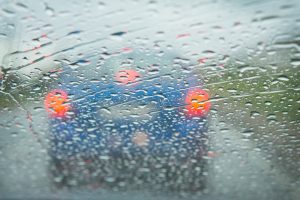
The impending rainy season will serve as a reminder for all drivers as to why their windshield wiper systems are so vital. Dirt, dust, sleet, snow, and unexpected splashes of mystery ground liquid can all dangerously hinder your view while driving.

Furthermore, these scenarios are all very likely during springtime, which is why you need to be proactive about your windshield wipers right now.

Just Think…

Could you imagine losing visibility at 60 miles an hour? What about with kids in the car? With these scenarios, you can quickly see why windshield wipers are an incredibly vital safety component that protects ourselves and our passengers while driving on the road.

For these reasons, it is important to: 1) Maintain sufficient levels of windshield wiper fluid in your vehicle, 2) Carry a backup bottle of windshield wiper fluid in your vehicle at all times, and 3) Pay attention to your windshield wiper quality. Because after some time, they do need replaced.

Windshield Wiper Replacement

You should inspect your wipers on a regular basis to ensure that the plastic and rubber is still in good condition. You should replace windshield wipers when they begin to show signs of deterioration or decline in performance. But in terms of how often they should be replaced, it will largely depend on your region’s climate and environmental factors.

Hot Sunny Climate – 6 Month Inspections – Replace 1x Year
Cold Frigid Climate – 6 Month Inspections – Replace 1x Year
Dry Dusty Climate – 1 Month Inspections – Replace 2x Year

To replace your windshield wipers, you will need to purchase new blades. You can find them at any local hardware or automotive store, priced between $10 and $30, on average. Ask the sales associate for help choosing the proper blades, or consult your vehicle’s owners’ manual. Once you have your new blades, you are ready to get started. Remember, if you do not feel comfortable doing this yourself, have a professional do it for you.

How To Begin:

Remove the Old Blades. Lift the existing arm from the windshield and push-in the small tab located on its underside where the wiper meets the arm. Once you have pushed in this tab, slide the wiper blade off by pulling the center towards the bottom of the arm.

Line Up the New Blade. Line up the new wiper blade with the wiper arm by moving the hook on the wiper arm over the plastic clip on the new blade.

Pull it Tight and Click it. You must pull the blade tight onto the arm so that it does not fly off while driving. Be sure you hear the clicking sound that indicates your blade is attached.

If you find yourself stuck in the middle of a storm without decent or functional windshield wipers, contact an Indianapolis roadside assistance service for help getting back on the road, safely.

Professional Roadside Assistance in Indianapolis

Indianapolis Roadside Assistance 317-247-8484

Indianapolis Roadside Assistance 317-247-8484

Call Zore’s Towing at 317-247-8484 for affordably-priced emergency roadside assistance in Indianapolis and its surrounding counties. We offer 24 hour service, 7 days a week and 365 days a year. Regardless of your roadside assistance needs, we are fully-equipped and always on-duty to help. Choose from fuel delivery, lockout service, jump starts, and more. Call 317-247-8484 when you need fast Indianapolis roadside assistance you can trust!

What To Do If Your Car is Stuck in Snow

Winter Roadside Assistance 317-247-8484

Winter Roadside Assistance 317-247-8484

Apparently the groundhog didn’t see his shadow last week, because this week’s forecast is telling us that we might experience some more snow before spring arrives in March. One of the most important preparations you can make for snowy weather is ensuring your vehicle is operating safely and efficiently.

Not only should you have your vehicle professionally serviced to ensure property fluid levels and brake performance, you should also be sure you have all the necessary roadside equipment in the case of an emergency. This may include spare tire, torque wrench, safety gloves, jumper cables, road flares, blankets, road triangles, extra motor oil, extra windshield wiper fluid, and anything else that standard roadside emergency kits typically offer.

It is also wise to have the number to a trusted towing and recovery service on hand in the case of an emergency you are not equipped to handle. One common roadside emergency that often requires professional intervention is getting stuck in snow. And since the snow is coming back, you will do well to learn how to handle this type of situation, safely. Continue reading to do just that!

Stuck in Snow?

Here’s What To Do:

Turn On Hazard Lights. First, you need to turn on your hazard lights to warn oncoming traffic that your vehicle is disabled.

Ensure Everyone’s Safety. Next, you need to ensure that you and your passengers are safe. If you are on a busy road, it can be very risky and dangerous to get out of your vehicle. In this situation, you may need to jump to the last step, which is to contact a local Indianapolis towing company for professional roadside assistance. They have the resources and permits to block traffic and safely pull you out of a ditch.

Get Out to Assess the Area. If your surroundings are docile, get out of the vehicle after you turn on your hazard lights. At this time, if you have a roadside emergency kit with road triangles, utilize them as well.

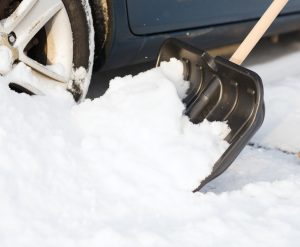
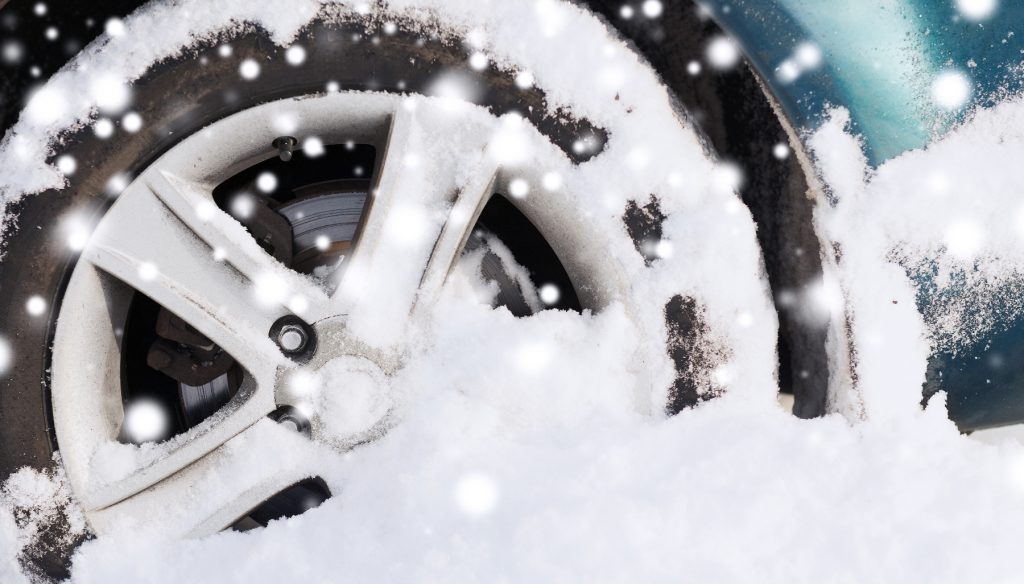
Clear Snow From Tires. Once you are out of the vehicle, try to clear as much snow away from your tires as you can. Use your hands, ice scraper, cup, or anything else you have that can help you scoop and clear snow. If you see high levels of snow underneath the car, try to clear that out as well. If you have dirt, gravel, sand, kitty litter, or similar aggregate around you, try laying this around your tires for added traction.

Drive and Reverse Motion. After you have cleared a few feet of snow in front of and behind your tires, you can attempt the rocking method. This involves switching back from drive to reverse to slowly dislodge the snow and gain more tire traction. The problem with this step is that, if done improperly, it can damage the transmission. Be sure the car is motionless before switching gears by hitting the brake as soon as it is in the peak of each “rock.” Just do not “floor” the gas. You may need to try this step a few times before it works. If it doesn’t work after a few attempts, you still have one more option.

Contact a Pro. If all of the above attempts fail, you will need to contact a local Indianapolis towing company for professional roadside assistance. It is not recommended to call a friend to tie up your vehicle and pull you out. Not only will you be risking costly damage to both vehicles, you will also be risking everyone’s safety. Furthermore, it is not recommended to have people push the vehicle. This is also very dangerous and can result in serious injuries.

Indianapolis Tow Truck Service

Zore's Towing Indianapolis 317-247-8484

Zore’s Towing Indianapolis 317-247-8484

Call Zore’s Towing at 317-247-8484 for prompt and affordable Indianapolis towing and recovery, roadside assistance, car auctions, and more. We operate 24 hours a day, 7 days a week, and 365 days a year, so you can always count on us. As a family owned business, you can trust that our prices are fair and our customer support is sincere. Call 317-247-8484 to request a free quote or information, anytime.

Important Advice for Safe Towing

Towing a car or truck safely requires experience and knowledge because there are several potential issues and dangers that can arise during a routine haul. It is important to know the proper procedures and safety precautions required to perform a successful tow, as well as, how to use towing equipment since it can cause serious injury if handled improperly. Furthermore, a beginner should always be accompanied by someone who has experience towing vehicles and other commodities. And this is just the start; there is much more to safe towing! Continue reading to learn important safety tips when it comes to towing a car or truck with your own equipment.

Indianapolis Towing 317-247-8484

Indianapolis Towing 317-247-8484

Safety Chains

Whether you are towing an SUV, jet ski, trailer, or car, safety chains are a must-have for every job. They are the ties that keep the connection solid between your truck and your haul. It ensures that your cargo will not get separated, potentially damaging other drivers on the road. Safety is the main reason why the use of safety chains is also the law.

Never tie these chains to the bumper of your towing vehicle. This can cause the bumper to come right off! They need to cross under the tongue of a trailer instead, for proper connectivity. This way if the hitch comes undone, the trailer will still not separate. In order to make safe turns while towing a cargo, be sure to add a little slack to the chains. Manufacturer’s instructions define the proper procedures and safety precautions for hooking up tow chains. Be sure to refer to them as often as possible to reminders about safe towing.

Towing Capacity

Never exceed the tow capacity of your vehicle. This means towing a haul that weighs more than the vehicle itself. This action can quickly damage your vehicle’s drive train. An inflicted drive train is a dangerous situation; especially when it comes to uphill driving. Life threatening accidents and injuries can occur of a load is lost as a result of a damaged drive train. Be sure to brush up on your vehicle’s tow capacity and how to calculate your load weight accurately.

Turn Signals and Brake Lights

An area that is commonly overlooked by novice towers is light synchronization. When you hook up a trailer to your vehicle, your brake lights are not visible; instead, the ones on the back of the trailer are. It is important that these brake lights and signal lights are in sync with the actual brakes and other components. This allows other drivers to share the road safely while you tow. Lights that should be synchronized include hazard lights, brakes, turn signals, flashers, headlights, and fog lights. Don’t forget that this particular safety tip is also the law.

Where to Get Reputable Towing Service in Indianapolis

Zore's Towing Indianapolis 317-247-8484

Zore’s Towing Indianapolis 317-247-8484

Call Zore’s Towing at 317-247-8484 for safe and affordable Indianapolis tow truck services you can trust. Our licensed and insured tow truck operators provide punctual and prompt tow truck services, 24 hours a day and 7 days a week! We also provide numerous community services, roadside assistance services, wrecker and recovery services, and much more. Call 317-247-8484 to request a free estimate, anytime!

How to Drive Safe in Snowy Weather

Winter road conditions can range from minor to unmanageable. Snow, ice, fog, rain, and more can cause interstates and roadways to freeze and thaw, resulting in hazardous driving conditions. Not only does winter precipitation make roads slippery and dangerous, and windshields impossible to see through, the freeze-thaw cycles also deteriorate pavement; thus creating potholes and crumbling concrete, making it even more difficult and dangerous to drive on. It is important for all drivers to review the safety rules for driving in snow, ice, and more. Continue reading to do just that!

Winter Roadside Assistance 317-247-8484

24 HR Roadside Assistance 317-247-8484

Advice for Driving in Snow

When it comes to driving in snow, it is vital to never accelerate or decelerate too abruptly. This will cause skidding and you can easily lose control of the vehicle. Not only does this put yourself and your passengers in danger, it also jeopardizes other drivers on the road. In order to retain traction and not skid, simply put pressure on the gas in a slow and steady manner. If you start to skid, release a little pressure and start again. The same method applies to decelerating. Never slam on the brakes in snow, unless you want to start spinning out of control! In snow, you must practice applying the brake earlier than usual, and doing so in a slow and steady fashion.

Before the snow comes, it is imperative to have your vehicles inspected and serviced by a licensed mechanic to ensure all fluids, tires, and auto parts are ready to go. This includes driving with at least a half of a tank of gas to avoid your car’s gas lines from freezing. Never use cruise control on snowy roads and avoid using the parking brake unless parked on an incline. These are other important safety precautions for winter driving.

Another obvious and important tips for driving in snow is to take your time! Leave early on so you are never in a rush, because driving slow is the most effective way to navigate safely in snow. So not only do you need to accelerate and decelerate slowly, you need to also driver slower than the speed limits suggests. Remember, speed limits are just that, limits. In adverse weather, it is expected of drivers to reduce their speeds below that of the recommended speed limit. Even a little rain can cause a slip up and subsequent car accident.

One mistake many drivers can make in the winter snow is stopping mid-hill or incline. If you are driving up a hill in snow, don’t stop! This can result in your vehicle sliding backward down the hill, possibly into other vehicles. At the same time, do not power-up hills either. Applying more gas to get up a hill can result in sliding and skidding. Simply gain inertia before the hill, and then remain at a consistent and constant speed to make it all the way up.

When in Doubt, Just Stay Home!

One of the best tips for driving in snow is to just stay home if you can! Of course this is not possible for everyone with jobs, school, kids, and other similar mandatory obligations; however, if you don’t have to leave your home and drive in poor weather, then don’t. If you are forced to drive in poor conditions and find yourself stuck or stranded, simply contact a local 24 hour roadside assistance company for safe and reliable service.

Indianapolis Winter Roadside Assistance

Indianapolis Towing

Indianapolis Towing 317-247-8484

Call Zore’s Towing at 317-247-8484 for prompt and professional winter roadside assistance, regardless of time or day. Since 1927, we have a provided a wide range of roadside assistance services in Indianapolis and throughout Central Indiana. And for the past 90 years, we have earned a reputation for trusted service at a fair price! Our licensed towing and recovery division retains an extensive fleet of over 35 tow trucks and wrecker equipment, allowing us to assist drivers 24 hours a day, 7 days a week, and 365 days a year, rain, snow, or ice.

Promote Safer Stopping with Trailer Brake Controllers

If you own a small, light-weight trailer, your hauling vehicle is all you need for controlling the brakes while towing. Smaller trailers only have one or two axels that roll freely, eliminating the need for any extra assistance. But if you have a large or heavy trailer, your towing vehicle’s brake system won’t cut it alone. Larger trailers require their own set of brakes for safe and proper towing and stopping. This is achievable with trailer brake controllers. Continue reading to learn about trailer brake controllers, and how to decide which ones are best for your towing trailer.

Indianapolis Towing & Recovery 317-247-8484

Indianapolis Towing & Recovery 317-247-8484

Trailer Brakes

Trailer brake controllers are interfaced with your vehicle’s brake pedal, which makes your tires slow down all at the same time. This allows you to maneuver and stop smoothly when towing your rig. The trailer brake controllers work by signaling to the trailer brakes to engage and to what degree. The trailer brakes then mimic the brake pressure you apply as you stop or slow down your vehicle.

There are a few different designs of trailer brake controllers on the market to choose from when shopping around. The one you choose will depend on your trailers size, weight, brake system, and towing habits. It is important to learn as much as you can about each one in order to make an educated decision for your particular rig. These are not cheap parts to buy, so making the right choice is something you want to take seriously.

Here are some examples of trailer brake controllers:

Tow Vehicle Braking Systems – These are designed for recreational vehicles, like motorhomes, that need to tow or pull a car. This is only intended for flat-towing a car, not towing with a dolly or trailer. Electric pistons actually push the towed vehicle’s brake pedals down as the towing vehicle’s brakes are engaged.

Timed Brake Controllers – These systems are the simple, economical option for controlling a trailers brakes. They simply slow all tires down at the same time as the brake pedal is engaged inside the towing vehicle.

Inertia Brake Controllers – These are sturdier and more responsive compared to timed brake controllers. Inside inertia controllers, there are sensors that are attached to an outer pendulum that detect the deceleration of the towing vehicle.

Accelerometer Brake Controllers – Also called proportional brake controllers, these systems only use internal sensors, not attached to outer pendulums, to detect the brake pedal pressure in the towing vehicle. These are recommended for long distance towing.

For heavy-duty towing needs, you may be better off calling a trusted Indianapolis towing company for professional assistance. They will have advanced equipment and technologies to provide wrecker services for all freight sizes, quantities, and distances.

Indianapolis Tow Truck Assistance

Zore's Towing Indianapolis 317-247-8484

Zore’s Towing Indianapolis 317-247-8484

Call Zore’s Towing at 317-247-8484 if your car was towed, or you need a tow, in Indianapolis, Indiana. Our licensed and insured tow truck operators provide punctual and prompt tow truck services, 24 hours a day and 7 days a week! Contact us at 317-247-8484 to request a free estimate, anytime.

How to Use Your Mirrors When Towing

Indianapolis Towing Company 317-247-8484

Indianapolis Towing Company 317-247-8484

The most important part of towing is safety. And one area of towing safety to practice and perfect is your ability to use your vehicle’s mirrors. They are there for a very good reason: to provide a wider scope of vision for drivers on and off the road. They should be used for backing up, driving in reverse, changing lanes, and more. Are you guilty of the head turn? Or perhaps the popular twist and turn to see behind you? These are poor driving habits that can cause minor to major accidents, muscle strains, and backaches.

If you are a driver, especially one that tows a trailer on a regular basis, you ought to learn the right method to using your mirrors when towing. Continue reading for tips to do just that!

Clean Mirrors

It may sound obvious, but it is a step that can be easily overlooked in the tedious process of hooking up and loading your trailer. Keeping your mirrors clean will give them more clarity, and will provide better depth perception and detailed view. It can be easy to forget, and often, mirrors won’t even appear dirty enough for a wipe-down. But don’t let that fool you. After grabbing a paper towel and some glass cleaner, you will be surprised to see just how much dirt actually comes off!

Install Bigger Mirrors

If you are towing loads with a trailer recurrently, consider larger mirrors. The general rule is for every 10 feet of vehicle, your mirror should be 1 inch in diameter. This includes the length of your towing vehicle plus the length of the load or trailer you are towing. So if your towing vehicle and trailer’s total length equals 50 feet, your mirrors should be 5 inches in diameter. Be sure your mirrors are the proper height and width, and if they are not, it is wise to replace your stock mirrors with larger ones. You can find specialty-sized truck and vehicle mirrors that are wider, bigger, and fold backwards, all for a reasonable price.

Adjust Mirrors Properly

It is important that your mirrors are not only big enough, but adjusted properly as well. While in the driver’s seat, you want to maximize the visible ground area below the vehicle. This improves on blind spots and enhances child safety. Test or reset the position of your mirrors by first sitting in the driver’s seat with the mirrors pointed straight so they are perpendicular (think of the letter “t”) with the road. Then one at a time, starting with the left, begin to move the mirrors outwards. Stop when you can see at least 200 feet behind the left side of your vehicle. Have a friend sit in the passenger seat to help with the right side.

Indianapolis Towing Service

Indianapolis Towing

Indianapolis Towing 317-247-8484

Call Zore’s Towing at 317-247-8484 for friendly and professional tow truck service in Indianapolis, Indiana and its surrounding towns. We offer a wide range of 24 hour towing and recovery services, including roadside assistance, light duty tows, heavy-duty tows, storm and traffic clearance, and much more. When you need a towing company in a moments’ notice, we are the professionals to call. Just dial 317-247-8484 for fast and affordable Indianapolis towing service you can trust.

Tips for Cross-Country Car Towing

Indianapolis Towing 317-247-8484

Indianapolis Towing 317-247-8484

Relocating for a job? Perhaps a girl? Or maybe just a better climate? No matter the reason, moving across country requires an abundant amount of forethought. Not everything can be packed away in a box and transported in the back of a truck or car. One of the main dilemmas cross-country movers face is transporting their vehicles along with them. If a person doesn’t have another person driving their vehicle for them, they must make other arrangements.

In other situations, movers do not want their personal vehicles driven across country, adding thousands of miles to the odometer. Cars, trucks, motorcycles, boats, and more require custom long-distance towing or transport. Continue reading and learn some tips regarding long-distance towing and towing a vehicle across country.

Towing a Car Long-Distance

The first thing to consider is whether or not you want to tow a vehicle, or simply transport it in a cargo-carrier. For a higher price, you can have your vehicle stored and transported in a semi-truck for optimal efficiency and protection. But there is also the cheaper option of towing it yourself. In this case, you will need to first think about finding the right type of trailer.

Size, weight capacity, and safety are just a few important aspects to consider when choosing the right trailer to tow your vehicle. You must take into consideration the size and weight of the tow vehicle, as well as, the vehicle you intend to tow, and much more. Talk to a professional towing company for help determining these calculations.
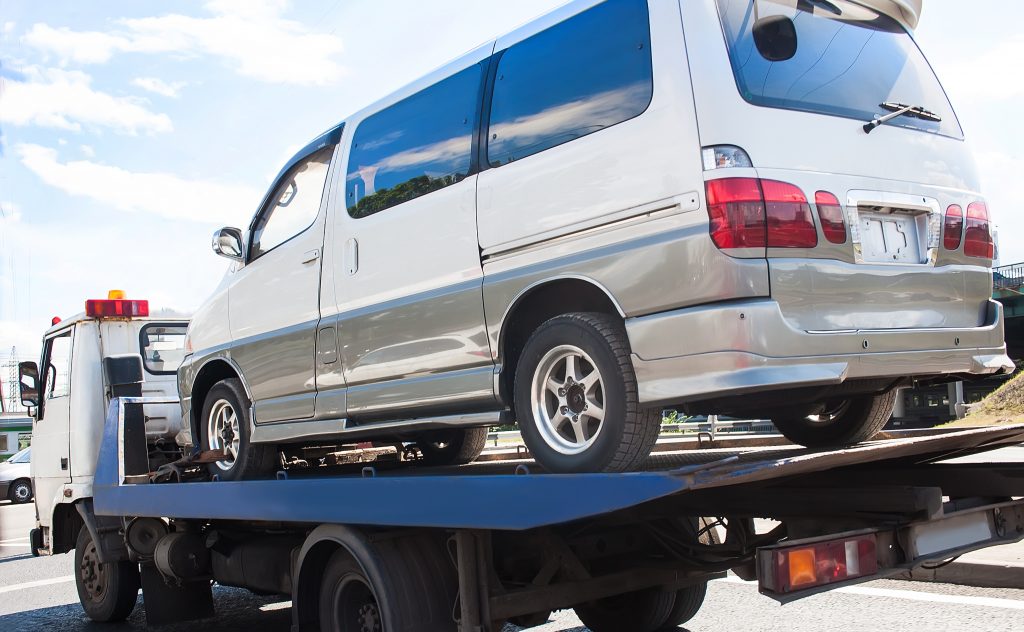
To tow a car, you have two options. You can use a car carrier, or you can use a tow dolly. If you’ve ever seen a car being towed by its rear wheels while its front wheels are lifted off the ground, you have witnessed a tow dolly. This is perfect and works best with front-wheel drive vehicles; and it happens to be the cheaper option too. Car carriers are very good for long-distance tows. A car carrier completely lifts a vehicle off the ground so none of its tires make contact with the road during the tow.

A crucial towing tip to keep in mind, especially for first-time towers, is to learn your equipment before hitting the pavement. This means get familiarized with the trailer, the way the tow vehicle drives with a trailer, all the safety features, its parts, owners’ manual instructions, and more. Do not rely on learning-as-you-go methods because this can only get yourself into trouble, or worse, danger. Stayed tuned for more long distance towing tips in next month’s blog!

Zore’s Towing

Call Zore’s Towing at 317-247-8484 for the most accurate and qualified advice and information about long distance car towing in Indianapolis. We offer free advice, 24 hour towing, car carriers, trailers, towing accessories, and several additional services. Call 317-247-8484 for fast and friendly Indianapolis towing services and tow truck advice, anytime.