Will My Car Overheat in Hot Weather?

When the Indiana heat index reaches extremely high temperatures in the summer, many of us start to have concerns about health and safety. As a result, we take certain precautions to ensure we are not at risk of heat exhaustion, heat stroke, and other serious heat-related illnesses and conditions.

However, there is one thing we tend to overlook when it comes to protecting ourselves in hot weather, and that is our vehicles. Not only can the hot summer sun and climate affect the performance and safety of your car, it can also put you in a dangerous position if your vehicles breaks down.

Continue reading to learn what you need to know about driving in hot weather, including what to do if your car overheats or breaks down on a hot summer day.

24 Hour Roadside Assistance & Towing 317-247-8484

Cars and Hot Weather

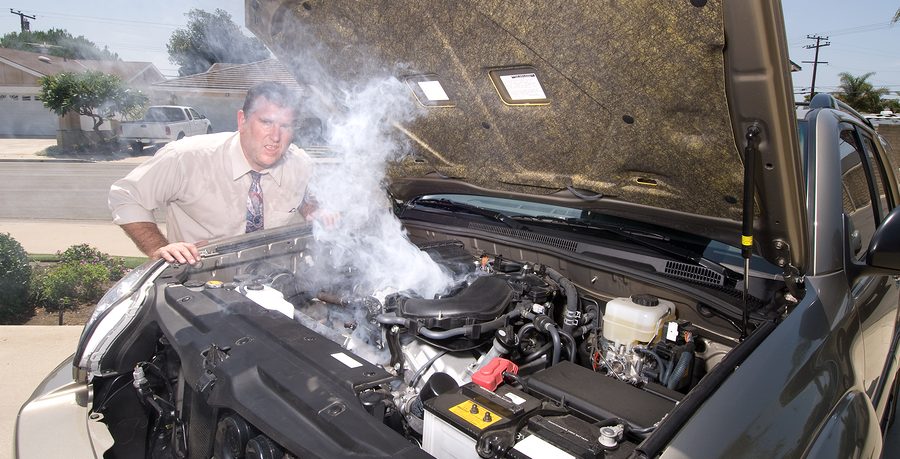
A car will overheat if it is operated in excessive sun and high temperatures. As the outside temperatures increase, so does the rate at which your car engine produces and retains heat. As a result, engines can quickly become too hot and stop functioning properly. Also, if your car overheats on a hot summer day, you can be subjected to your own set of health and safety risks, especially if you do not have access to water or air conditioning. This is even more dangerous for children and individuals with existing health conditions.

What To Do if it Happens to You

Operating a vehicle that is overheating is extremely dangerous and should never be attempted.  Instead, if your car or truck overheats, your first step is find a safe spot to pull over immediately. Once you are safely pulled over to the side of the road, turn off your ignition and wait for your car to cool down enough to check the coolant. If your coolant (antifreeze) is low, top it off with the extra bottle you hopefully carry with you at all times. See our blog, “What to Put in Your Summertime Roadside Emergency Kit” to learn what you should have on hand.

If your car cools down enough to start it back up, do so, but without the AC on. The air conditioning uses a lot of energy, so instead, drive with the windows down until you reach your destination. In fact, it helps to put your heat on max; although very uncomfortable, it will pull heat away from your engine and cool it off. If your car will not cool down, contact a local Indianapolis tow truck for assistance. You do not want to be sitting in a hot car in hot weather for too long, as this is extremely dangerous.

Call an Emergency Tow Truck in Indianapolis

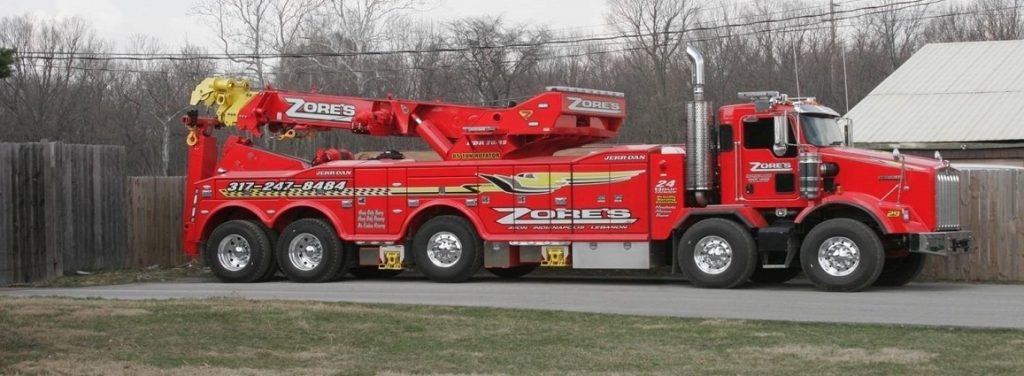
Call Zore’s Towing at 317-247-8484 for prompt, 24 hour towing and roadside assistance in Indianapolis and its surrounding counties. Our licensed towing and recovery division retains an extensive fleet of over 35 tow trucks and wrecker equipment, allowing us to assist drivers 24 hours a day, 7 days a week, and 365 days a year, rain, snow, or ice. Request a free estimate, anytime.

Indianapolis Towing & Recovery 317-247-8484

3 Things You Should NEVER Do When a Car Engine Overheats

An overheating car could be caused by a variety of reasons.  It could be a broken radiator, a kinked radiator hose, a faulty thermostat, and maybe even a lack of coolant.  There are many more reasons as well.  No matter what the cause, if you are ever in a similar situation, there are three major things you should never do while your car is still hot or overheating.

24 Hour Roadside Assistance & Towing
24 Hour Roadside Assistance & Towing 317-247-8484

❶ NEVER Continue Driving

When you first notice that your vehicle is overheating, it is crucial to pull over and stop the car immediately.  An overheating car should never be driven.  This can be very dangerous.  Wait until your car is entirely cooled down before starting the engine again.

❷ Never Check Radiator Fluid

Checking your fluid levels in your radiator when the car is overheating is simply asking for trouble.  It can be extremely dangerous.  There is a lot of pressure built up beneath the radiator cap.  Boiling hot fluids and steam can shoot out at high speeds, potentially burning and injuring anyone in its path.  Determine whether or not you are on an inline for accurate fluid readings.  If the car is not level, the fluids cannot be level.

❸ Never Use Cold Water

When a car’s engine has overheated, do not put cold water in the vehicle.  Not only can this damage the engine block and cause it to crack, it can lead to other severe auto damages and costly repairs.  Let a car cool down completely, as mentioned earlier, before tending to an overheated engine.

Causes for Overheating Engine

The most common reason a car overheats is because it is out of coolant! If you use the improper coolant concentration in your vehicle, you can definitely expect it to overheat at some point. It is important to have the proper water-to-coolant ratio for proper cooling operation. Refer to your vehicle’s owner’s manual to learn the proper coolant concentration recommended for your make and model car or truck. If you don’t have your owners’ manual, look online for a replacement copy. You can download one for free by visiting your vehicle’s manufacturer website.

What You SHOULD DO

First and foremost, always be sure to let the engine cool down completely before opening the hood. Now, since the most common reason a car overheats is because it is out of coolant, always keep a bottle of radiator fluid in your trunk so that you can be prepared in the case of an emergency. If you are stuck on the side of the road with no one to call for help, contact a local 24 hour roadside assistance tow truck for help.

24 Hour Roadside Assistance in Indianapolis

Call Zore’s Towing at 317-247-8484 for 24 hour roadside assistance and towing services in Indianapolis and throughout Central Indiana. Our friendly staff is waiting by the phones, ready to help you get back on the road, safe and sound. We operate 24 hours a day, 7 days a week, and 365 days a year, so you can always count on us. Request a free estimate, today.

Indianapolis Towing & Recovery 317-247-8484

Long Distance Driving Tips for Summer

If you have a summer road trip planned, be sure you are prepared to take on the road, safely and efficiently. Continue reading to learn the top tips for driving long distances.

24 Hour Towing and Roadside Assistance 317-247-8484

Road Trip Safety

Long distance driving can come with many risks and dangers. This is especially true since you cannot trust what other drivers around you do on the road. With this in mind, it is wise to review how you can be a safer, better driver when crossing the state borders with friends and family. Whether you are loading up the family for a road trips to the beach, or getting ready for a cross-country visit to Grandma’s house, there are many things you can do to make the drive safer and more convenient, for yourself and your passengers.

Here are some of the most recommended long distance driving tips to consider when planning your summer road trip:

🚗 Diagnostics and Maintenance

Before taking any road trip that requires long distance driving, your first priority is to ensure your vehicle is up for the job. Have your mechanic inspect and service your ride before hitting the road. You do not want to find yourself on the side of the road with an overheating engine or in a storm with broken windshield wipers.

📲 Cartography Basics

It is helpful to both your time and patience to map out your route ahead of time. It also helps to map out secondary routes in case you run into road construction, backups, and perhaps some attractions you want to stop and see. Be sure to download your route on Google maps on your smart phone in case you find yourself without any WIFI or reception. This way, you have your map at all times.

💽 Entertainment

When you set out on a long-distance road trip, there is not much entertainment you can provide yourself as the driver; after all, your priority is the road. However, there are still things you can do to make the trip more comfortable and convenient, and therefore, more efficient. Include coolers with snacks and drinks, music, blankets, pillows, phone and tablet chargers, and a comfortable seat cushion. Also, be sure you have a medical kit and a roadside emergency kit on hand.

Additional Tips:

⛿ Map out gas stations and schedule stops so you never run out of fuel.

⛿ Map out rest stops and take breaks along the way.

⛿ Avoid driving long distances alone.

MOST IMPORTANTLY: Never drive fatigued or under the influence of drugs or alcohol.

Long Distance Towing and 24 Hour Roadside Assistance

If you find yourself in a jam while on your road trip, trust Zore’s Towing for help anytime! Call us at 317-247-8484 for prompt, 24 hour towing and roadside assistance in Indianapolis and throughout Central Indiana. Our licensed towing and recovery division retains an extensive fleet of over 35 tow trucks and wrecker equipment, allowing us to assist drivers 24 hours a day, 7 days a week, and 365 days a year, rain, snow, or ice. Request a free estimate, anytime.

Indianapolis Towing & Recovery 317-247-8484

Do Not Use a Hitch-Mounted Carrier Lift with a Trailer Hitch Adapter

If you have a hitch-mounted wheelchair or scooter lift that you wish to install on a vehicle, it is not recommended to use it with a trailer hitch adapter. There are many hazards that can arise from this arrangement, such as asset damage, vehicular damage, and even traffic accidents. Continue reading to learn why you should not pair a hitch-mounted carrier with a trailer hitch adapter, and what you can do instead for optimal safety and performance.

Indianapolis Roadside Assistance & Towing 317-247-8484

Why It Won’t Work

Why should you not use your hitch-mounted carrier with a trailer hitch adapter? Well, hitch receivers with a 1¼ inch opening are not designed with the proper tongue weight capacity to support the total weight of the carrier and the asset it is holding. For this reason, it is vital that you are fully aware of your vehicle’s limitations before you choose a particular carrier or lift.

Keep in mind, if you were to use your hitch-mounted carrier with a trailer hitch adapter, you are literally cutting your tongue weight capacity in half. For this reason, this combination should only be used on vehicles with stiff suspensions, such as full-size pickup trucks, truck-style SUVs, and large vans.

Hitch Class Ratings and Tongue Weight

Most often, cars and minivans have Class 1 or 2 hitches, while trucks and sports utility vehicles usually have Class 3, 4, or 5 hitches. Knowing your vehicle’s tongue weight, hitch class, and rating is an essential part of safely using a wheelchair or scooter lift. Usually, such lifts require at least a Class 3 hitch rating. How do you find your vehicle’s hitch class? Simply refer to the manufacturer label on the trailer hitch. If it is an old lift and the label is not clear, you can also measure the opening yourself.

As for tongue weight, see our blog, “A Brief Explanation of Tongue Weight (TW)” to learn what you need to know. Basically, tongue weight is the downward force that is applied onto a vehicle’s trailer hitch. In terms of a wheelchair/scooter lift, the tongue weight is measured by adding the total weight of the lift and the asset, together. Beware, an improper setup can lead to your carrier and asset bending downward toward the road and breaking off the trailer hitch.

Refer to your vehicle’s owners’ manual for manufacturer’s recommended tongue weight. If you cannot locate your manual, you can look up these values online, or you can adhere to the general rule of thumb, which is that your tongue weight should not exceed 10% of your gross trailer weight. See our blog, “A Review of Gross Vehicle Weight Ratings” to learn how to measure your vehicle’s gross weight rating, and how to apply it with your carrier.

Alternatives and Tips

Aside from hitch classes, tongue weight, and gross weight ratings, is also important to pay attention to the height of the hitch. Lower hitch heights can put your carrier at risk of scraping against sidewalks, curbs, and driveways. To avoid this, be sure to install a hitch height adapter. If you have not yet purchased a wheelchair/scooter carrier, start by measuring your wheelchair or scooter dimensions. Measure the length and width (from the outside tires), as well as the total weight of the asset, including the battery and any accessories (ramps, straps, etc.).

Indianapolis Towing Professionals

Call Zore’s Towing at 317-247-8484 for safe and affordable Indianapolis tow truck and roadside services you can trust. Our licensed and insured towing operators provide punctual and prompt tow truck services, 24 hours a day and 7 days a week! We also provide numerous community services, roadside assistance services, wrecker and recovery services, and much more. Call 317-247-8484 to request a free estimate, anytime!

Indianapolis Roadside Assistance 317-247-8484
24 Hour Towing & Roadside Assistance (317) 247-8484

A Brief Explanation of Tongue Weight (TW)

When it comes to safe towing, the most important factor is knowledge. And part of this knowledge is knowing your tow weights. This includes the weight of your load, the capacity of your towing vehicle, and your towing trailer’s tongue weight. Most experienced towers are familiar with their load weight and capacities, but many tend to overlook tongue weight, which is equally important as the rest.

Continue reading for a brief explanation of these weights, with a primary focus on tongue weight.

Indianapolis Towing & Recovery 317-247-8484

What is Tongue Weight?

Tongue weight is the downward force or pressure the trailer puts on the back of the towing vehicle (specifically on the ball by the trailer coupler). Why is this weight measurement important? Well, too much weight on the back of the vehicle can cause it to raise in the front, thus making the rear brakes work too hard. Too little weight can cause the trailer and vehicle to be unleveled, which is dangerous while taking turns or driving at high speeds.

Tongue weight should never be more than 15% of the total trailer weight, including the weight of its cargo. This weight calculation is referred to as “gross trailer weight”, which is the same as “gross vehicle mass”, or “GVM.” See our blog, “Towing Acronyms for Vehicle Manufacturer Specifications” to learn all the weight definitions for safe towing. For now, here are two additional towing weight definitions you need to know in order to tow a trailer safely:

Gross Vehicle Weight Rating (GVWR) – The acronym, “GVWR” stands for “Gross Vehicle Weight Rating”, which refers to the maximum recommended weight of the vehicle or trailer when it is fully loaded in adherence to the manufacturer’s recommendation.

Gross Combined Weight Rating (GCWR) – The acronym, “GCVWR” stands for “Gross Combined Vehicle Weight Rating”, which refers to the combined weight of a trailer and the towing vehicle, including all passengers, as well as, fuel, equipment, and the cargo on the trailer.

Unsure of Your Towing Weight Capacities?

If you are not sure what your weight capacities are for your trailer and towing vehicle, refer to the owners’ manual for both. See our blog, “What is a Compliance Certification Label and Where is it on My Car?” to learn more about the importance of calculating these figures. If you need to replace a lost owners’ manuals for your trailer and/or vehicle, you can download them online, sometimes for free.

Need Professional Towing?

Zore's Towing Indianapolis 317-247-8484
Indianapolis Towing & Roadside Assistance 317-247-8484

Call Zore’s Inc. at 317-247-8484 for friendly 24 hour towing in Central Indiana. We open a family-owned and operated business for 90 years, so you can trust us for prompt and professional service. We are open 24 hours a day, seven days a week, and 365 days a year, so our certified tow truck operators can be there for you anytime, any day! Request free estimates, anytime.

How to Test Tire Tread Using a Penny

In last month’s blog, we discuss several methods of tire maintenance and care. You learned that colder temperatures cause tires to lose more air, thus requiring them to be inflated more frequently in the winter season. It is important to regularly check tire pressure to ensure that your vehicle is operating as safely and efficiently as possible. Furthermore, it is important that your tires have sufficient tread in order to maintain proper traction and maneuverability on the road. Not sure what good tire tread looks like? Just implement the age-old tire treat penny test!

Continue reading to learn how to use a penny to determine the condition of your tire’s tread.

24 HR Roadside Assistance 317-247-8484

Tire Tread Inspections

You can surely find a penny anywhere. If not in your home, certainly in your cup holder, glove box, pocket or purse, or even on the street! What we mean to convey is, pennies are not hard to come by, making them the perfect and most convenient automotive tool you can have on hand. So how can a penny give you vital information about the quality and condition of your tires? The answer has to do with the size of a penny. But before you can understand this, you must first learn how to implement the tire tread penny test.

Tire Tread Penny Test:

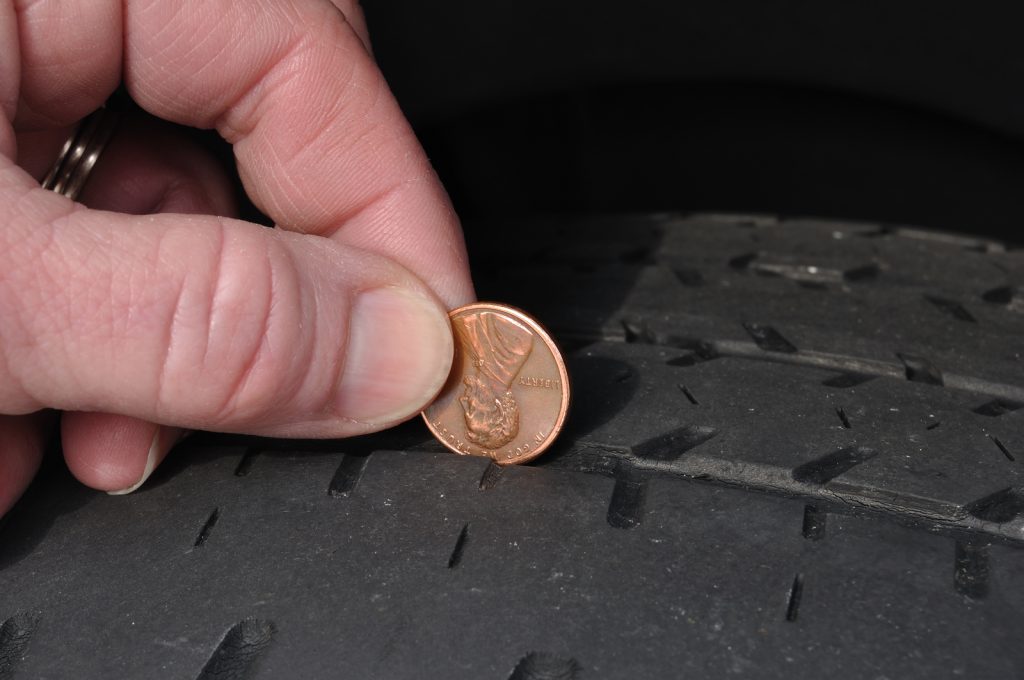
Vertically insert a penny in between two grooves of your tire so that the penny’s face is looking straight ahead.

Inspect Lincoln’s head position. If you can see Lincoln’s face, your tread is low, and you likely need new tires. If you cannot see the President’s head, your tire tread is still in good condition.

Consequences of Low Tire Tread

If you discover that your tire tread is low, it is wise to start thinking about tire replacement. Otherwise, you can be putting yourself and the mechanical operations of your vehicle, at risk. Not only do low tread tires have little traction on the road, they also cause slow or unpredictable braking operations. In wet conditions, low tire tread can cause your vehicle to spin out of control, or veer off the road. Furthermore, low tread causes reduced fuel efficiency, costing you more money in gasoline.

Need Emergency Tire Assistance?

Zore's Towing Indianapolis 317-247-8484
Indianapolis Towing & Roadside Assistance 317-247-8484

Call Zore’s Towing at 317-247-8484 for 24 hour roadside assistance and towing services in Indianapolis and throughout Central Indiana. Our friendly staff is waiting by the phones, ready to help you get back on the road, safe and sound. We operate 24 hours a day, 7 days a week, and 365 days a year, so you can always count on us. Request a free estimate, today.

Top 3 Ways to Drive Safer This Winter

If you want to avoid roadside emergencies and car accidents this winter, it is wise to prepare yourself with the right knowledge for driving safer in inclement weather. Continue reading to learn the top 3 recommended actions and considerations for being a safer driver in snow, ice, sleet, hail, fog, and all other harsh elements we might face through the season.

24 HR Roadside Assistance 317-247-8484

❶ Have a Winter Emergency Roadside Kit

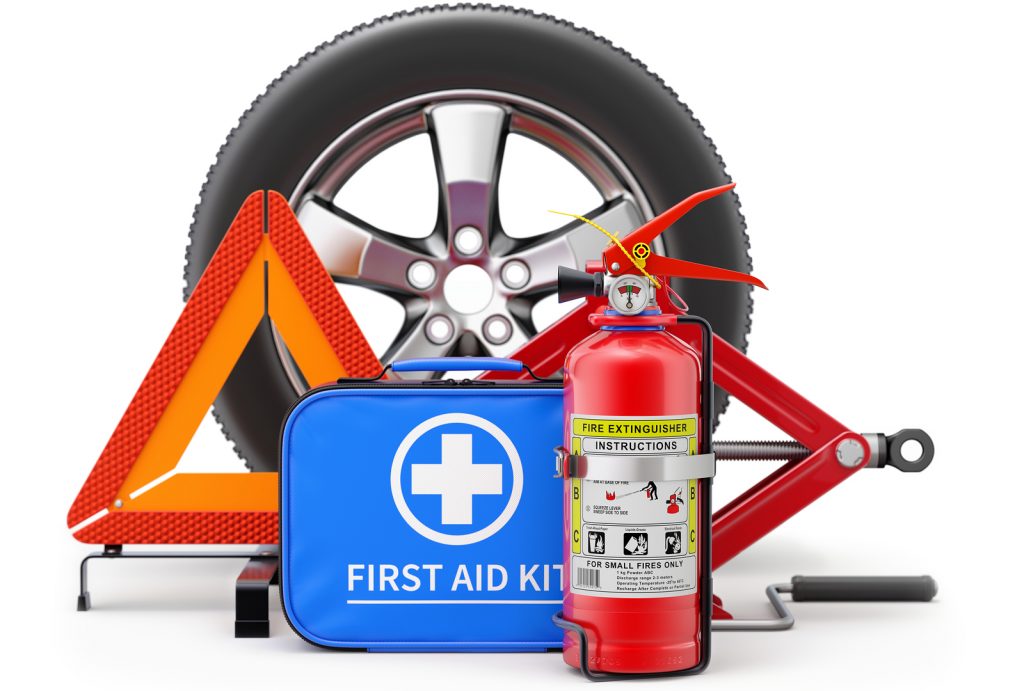
Whether it is winter, summer, spring, or fall, it is wise to have a roadside emergency kit in your vehicle at all times. These kits can come in anything from 30-piece kits, to 70-piece kits, and larger. The right kit for you depends on the size of your vehicle, your town’s geography, and your driving practices. Such kits should include basic materials like a spare tire, gloves, tire jack, jumper cables, road triangles, torque wrench, tire pressure gauge, flashlight, and a blanket. More thorough kits might include a screwdriver set, sockets, electrical tape, emergency flares, hazard flags, reflective gear, AA batteries, fire extinguisher, pliers, utility knife, and even a small medical kit.

❷ Pay Close Attention to Your Tires

When temperatures are cold or below freezing, your tires lose pressure more quickly. As a result, tires lose proper connection to the road surface. With a loss of traction, you put yourself at risk of losing control of your vehicle in icy or wet conditions. Before each drive, always check that your tires are fully inflated. At least once per month, be sure to measure the tire pressure too. Check the tag within the driver’s-side doorjamb or your owner’s manual for recommended tire pressure for your make and model car. Also with tires, be sure there is plenty of tread left. Use the “penny test” to see if you are ready to replace your tires: insert the penny in between your tire tread, and if Lincoln’s head is higher than the tread, you need new tires soon.

❸ Take Care of Your Car Battery

Just like your tires, your car battery is also affected by cold weather and temperatures. An extended period of freezing cold weather will pull the voltage from car batteries, and eventually prevent the car from starting altogether. To make matters worse, cold temperatures also thicken automotive fluid, which makes your vehicle’s components (like the battery) work harder, thus using up more power. To avoid this problem, be sure you stay on top of routine battery maintenance, as well as all your other factory scheduled measures, such as fluid changes and tune-ups. Read our blog, “The Do’s and Don’ts to Automotive Battery Maintenance” to learn what you need to know about taking care of your car battery all year long.

How to Get 24 Hour Roadside Assistance Anywhere in Central Indiana

Indianapolis Roadside Assistance 317-247-8484
Indianapolis Towing and Roadside Assistance 317-247-8484

Call Zore’s Towing at 317-247-8484 for 24 hour roadside assistance and towing services in Indianapolis and throughout Central Indiana. Our friendly staff is waiting by the phones, ready to help you get back on the road, safe and sound. We operate 24 hours a day, 7 days a week, and 365 days a year, so you can always count on us. Request a free estimate, today.

How to Plan to Your Vehicle’s Maintenance Schedule

It is very important to adhere to your vehicle’s maintenance schedule to maintain optimal automotive performance. However, many first-time car owners question when and how often to have these services done.  If you ask several car owners this same question, you will likely get a bunch of different answers.  Furthermore, if you were to ask just any local mechanic, they may not give you accurate advice since their top-priority is selling you on as many services as you’ll agree to.

If you want to develop a sufficient and effective vehicle maintenance plan, you must turn to the right sources. Continue reading to learn where to begin on your car care plan, as well as, what your options are if you ever find yourself stuck on the side of the road with a malfunctioning vehicle.

Indianapolis Roadside Assistance and Towing 317-247-8484

Vehicle Manufacturers

The best place to start when questioning your car’s maintenance needs and schedule is the vehicle manufacturer company.  This is going to be your best source of vehicle maintenance information. They can offer the exact details for routine maintenance for your specific make, model and year.  If you purchased the car from a used dealership and do not retain the vehicle manufacturer information booklet,simply go online to the manufacturer’s website and download the information there.

Minimal Vehicle Maintenance

The manufacturer pamphlet with outline the basic maintenance and scheduling for your car type; however, this is only the bare minimum and a vague estimate.  If you are regularly in stop-and-go traffic, or drive excessively or long distances, then your car will require more routine maintenance than the ones suggested by the manufacturer. 

Here is a list of recommended routine maintenance that most vehicles require on a regular basis:

☑ Engine Oil Replacement

☑ Filter Changes (air, engine, fuel, etc.)

☑ Oil Changes

☑ Tire Rotations

☑ Chassis Lube

☑ Coolant Replacements

☑ Axel Services

☑ Battery Charging/Replacements

☑ Timing Belt

For most vehicles, an oil change is required every 5,000miles or every six months; whichever comes first.  For all other maintenance suggested, they are usually performed every 30,000 miles or so, depending on the amount of driving done.  Keep in mind that these timing schedules will widely differ from vehicle to vehicle.

If you find yourself stuck on the side of the road with an automotive roadside emergency, contact an Indianapolis roadside assistance service for help getting back on the road, safely.

Indianapolis Towing and Roadside Assistance

Zore's Towing Indianapolis 317-247-8484
Indianapolis Towing & Roadside Assistance 317-247-8484

Call Zore’s Towing at 317-247-8484 for prompt, 24 hour towing and roadside assistance in Indianapolis and its surrounding counties. Our licensed towing and recovery division retains an extensive fleet of over 35 tow trucks and wrecker equipment, allowing us to assist drivers 24 hours a day, 7days a week, and 365 days a year, rain, snow, or ice. Request a free estimate,anytime.

How to Perform a Pre-Tow Check Before a Road Trip

If you are planning a road trip that involves towing a trailer with your vehicle, it is wise to learn how to perform a correct pre-tow check and ensure your safety, as well as the safety of your cargo. Continue reading for some helpful tips.

Indianapolis Towing 317-247-8484

Indianapolis Tow Truck Service 317-247-8484

The first part of towing safety is preparation, which is why learning how to perform a pre-tow check before a road trip is so valuable. Not only is it important to know what to check, it is important to complete the task before every road trip, regardless of distance.

Getting Started

To start, you want to ensure your hitch and trailer are safely connected to one another. For a standard ball hitch, be sure that the tongue of the trailer is correctly connected to your vehicle’s hitch, with the locking mechanism snapped and lock pin in place.

While inspecting your hitch and trailer tongue, also be sure that your trailer connection is setup right. Between the vehicle and the trailer, there should be two chains that are crossing over each other, forming an “X” figure.

Check the security of the hitch by pulling up on the trailer to pull the hitch off. It should not be able to come off. If it does, you need to reconnect it and make the proper adjustments. Check that the wheel or stand for the trailer is in the “up” position.

Next, inspect your trailer lights and the lights on your towing vehicle. Be sure that the brake lights and turn signals are working properly and in sync. If something is off, check the electrical wires for looseness or defects. If you cannot get the brake lights to work, it is VITAL that you do not take it on the road.

Need a Professional Tow?

Indianapolis Roadside Assistance 317-247-8484

Indianapolis Towing and Roadside Assistance 317-247-8484

Call Zore’s Towing at 317-247-8484 for safe and affordable Indianapolis tow truck services you can trust. Our licensed and insured tow truck operators provide punctual and prompt tow truck services, 24 hours a day and 7 days a week! We also provide numerous community services, roadside assistance services, wrecker and recovery services, and much more. Call 317-247-8484 to request a free estimate, anytime!
What To Do If Your Car is Stuck in Mud

Whether you are out for a weekend of fishing and camping, or in the middle of a cross country road trip, sticky, sludgy mud can become a problem at any time along the way. If you find yourself stuck in mud, try this method for a safe and convenient way out.

Indianapolis Roadside Assistance 317-247-8484

Indianapolis Roadside Assistance 317-247-8484

Step ❶

As soon as you are sure that your car is stuck, your first step is to ensure your safety and the safety of others. This is mostly important if you are on the side of a busy street or highway. If you are in an isolated area away from traffic, you may not have to follow all the recommendations in this step.

For those stuck on the side of the road, the first thing you need to do is protect your passengers. It is recommended for everyone to stay in the vehicle with seat belts on to avoid getting hit by a car. The additional weight will also help get you free your car from the mud.

If you believe you are in a particularly dangerous position, contact the highway police for added protection. They can ensure that traffic is directed away from your vehicle.

Once everyone knows to stay seated with their seat belts on, it is important put your hazard lights on to warn oncoming traffic that you are immobile. If you have a roadside assistance kit, use any traffic cones, triangles, or lights as well. Place them around your vehicle so that oncoming drivers can see them.

Step ❷

Now you are ready to use the rocking method to free your car from the mud. Slowly and steadily transition from DRIVE to REVERSE until you get your car into a rocking motion. Continue to do this until you gain enough traction to spring forward or backward from the mud. According to Consumer Reports, it is important to keep the wheels straight while doing this. Avoid spinning your tires because this will only dig you deeper into the mud.

If the rocking motion is not working, you can try to add fresh, dry soil behind and in front of each tire. You can also jack up the car and add wood boards, floor mats, trunk liner, gravel, sand, or any other material you have that could work as a surface. Keep in mind that this is not recommended if you are on a busy highway or street. It can be very risky and dangerous.

Step ❸

When all attempts fail, or you are in a hurry and have no time to spend digging yourself out of the mud, contact an Indianapolis towing and roadside assistance company for safe and professional help. They have everything you need for prompt and specialized service that will not damage your car nor put you in danger.

Indianapolis Towing and Roadside Assistance

Indianapolis Towing

Indianapolis Towing & Roadside Assistance 317-247-8484

Call Zore’s Towing at 317-247-8484 for prompt, 24 hour towing and roadside assistance in Indianapolis and its surrounding counties. Our licensed towing and recovery division retains an extensive fleet of over 35 tow trucks and wrecker equipment, allowing us to assist drivers 24 hours a day, 7 days a week, and 365 days a year, rain, snow, or ice. Request a free estimate, anytime.