The Benefits of Property Management Towing Services

Are you a property owner who is dealing with unauthorized or illegal parking on your commercial complex? Or maybe you want to provide your guests and staff with safe and convenient parking lot and roadside assistance? If so, a property management plan is exactly what you need.

Continue reading to learn what property management towing and roadside assistance services can do for you, and how to get started.

Property Management Towing Indianapolis Indiana
Property Management Towing & Roadside Assistance 317-247-8484

Property Management Towing and Roadside Assistance

Commercial property owners often have to deal with unregistered, illegally parked, or abandoned vehicles on their private lots. Furthermore, many companies want to have convenient cost-free solutions arranged for their guests, clients, customers, and employees in the case of a roadside emergency.

For these reasons and more, you may want to consider incorporating a property management plan into your company’s daily operations. Check out some of the most common property management towing services you can expect, below.

Primary Property Management Services:

⛔ Parking Lot Violation Tows

⛔ Reserved Parking Tows

⛔ Handicap Parking Tows

⛔ Unauthorized Parking Tows

⛔ Overnight Parking Tows

⛔ Abandoned Vehicle Tows

⛔ Fire Lane Tows

⛔ Collision Tows

⛔ Breakdown Tows

⛔ 24 Hour Tows and Roadside Assistance

Choose Zore’s for Property Management in Indiana

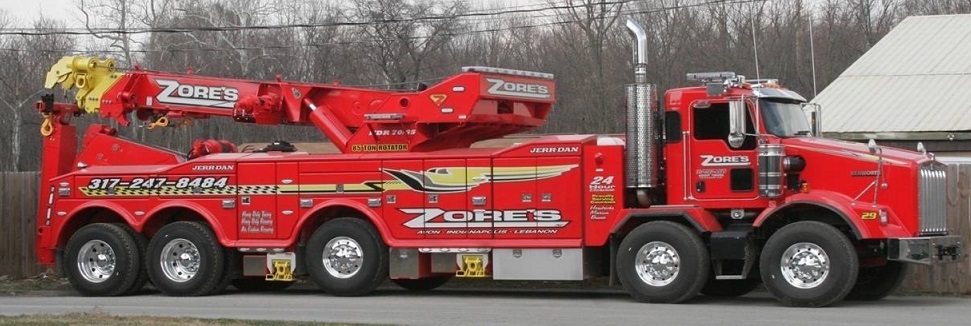
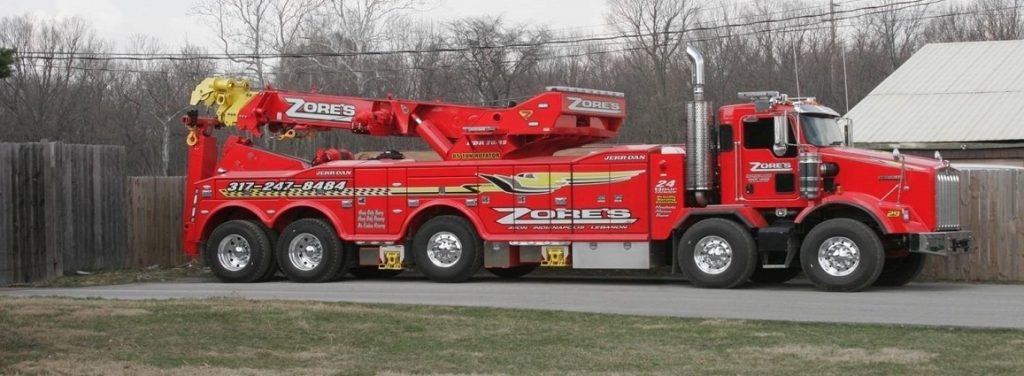
Call Zore’s Towing at 317-247-8484 to learn about our property management towing services and options. Our fully-trained and certified tow truck operators provide a wide range of towing and recovery services for property management purposes, including all-inclusive 24 hour roadside assistance and towing for guests, patrons, and employees at no additional cost to them, as well as, 24/7 towing for parking lot violations like fire lane parking, illegal use of handicap spaces, abandoned vehicles, and more. And when we tow unauthorized vehicles from your lot, THERE IS NEVER AN ADDITIONAL COST TO YOU! Instead, all fees are the vehicle owners’ responsibility.

Indianapolis Towing & Recovery 317-247-8484

Boat Towing Safety Facts You Need to Know

Although summer hasn’t technically come up on the calendar, the weather permits lake and river activities right now! Unfortunately, not everyone has the privilege of living right on the water, and dock boats, jet skis, and canoes right outside their backyards. No, for the in-lander community, we must hitch and haul our water crafts to our desired body of water. On the bright side, boat towing is a perfectly-manageable feat, so long as you do so safely. Now that it is time to transport your asset to the lake, be sure you have reviewed the most important boat towing safety facts and tips first.

Continue reading to learn what you need to know about boats, towing, and safety, including who to call when you need professional towing assistance.

Indianapolis Towing & Recovery 317-247-8484

Safe Boat Towing

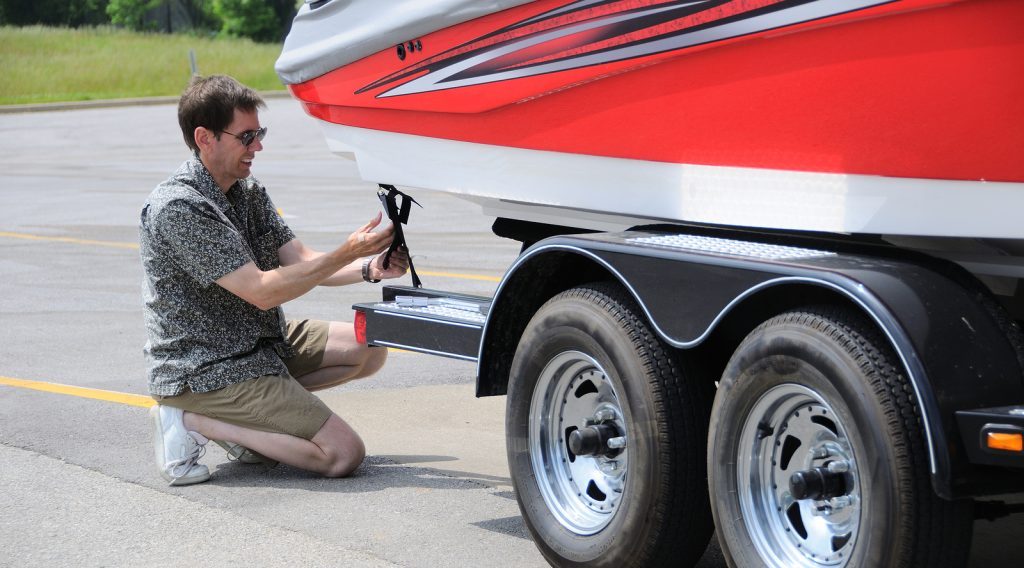
Towing a boat with your car, truck, or trailer requires undivided attention and care to ensure driver and passenger safety, as well as, the protection for the vehicle, trailer, and load itself. Here are the most crucial reminders for taking your boat to the water:

⚠ Making Turns

When it comes to towing a boat, once of the most difficult and crucial points of training is learning how to make a turn. Driving in a straight path can seem easy enough, but taking that first left or right can have rookies stumbling over what to do.

The first important factor to remember is that the turn is going to require a much wider range. Keep checking your mirrors and be sure to accommodate enough space for the turn. If the turn is too narrow, you may have to find another path, or have friends get out and direct you through the turn manually.

⚠ Backing Up

When it comes to backing up with a boat in tow, ideally, you don’t want to ever do it. But if you must, visibility is the key factor. Before hitting the gas to back up, double check your mirrors. It may be helpful to get out of the vehicle before backing up, to assess the area and space available for driving. Once you have a very good idea of what is behind you, check your mirrors once more to be sure the back is still clear, then begin to move slowly and make small adjustments with the steering wheel until you reach your desired destination.

⚠ Braking

Last, always remember that your brakes will be affected when towing a boat or other water craft. Braking will be different because of the added weight to your vehicle. Be sure to accommodate space and time to allow for proper braking times. Just remember, the heavier the load, the longer it will take for your vehicle to come to a stop.

Need Some Boat Towing Assistance?

Call Zore’s Towing at 317-247-8484 for 24 hour roadside assistance and towing services in Indianapolis and throughout Central Indiana. We are fully-equipped with the right fleets to assist boats, cars, construction equipment, trailers, vans, semi-trucks, airplanes, and much more. Our friendly staff is waiting by the phones, ready to help you get back on the road, safe and sound. We operate 24 hours a day, 7 days a week, and 365 days a year, so you can always count on us. Request a free estimate, today.

Indianapolis Towing & Recovery 317-247-8484

Trailer Hitch Adapter Installation Tips

Recently, we published a blog discussing why you should not use a hitch-mounted wheelchair or scooter lift with a trailer hitch adapter. In today’s blog, we will further this discussion by giving you a guide to installing a trailer hitch adapter for all your other towing needs and applications. Continue reading to get started!

24 Hour Towing and Roadside Assistance
24 Hour Towing and Roadside Assistance 317-247-8484

Why Use a Trailer Hitch Adapter?

Using a trailer hitch adapter comes with many benefits. Not only does it make it easier to use a 2 inch hitch accessory with a 1 ¼ inch receiver, it also provides a steady and reliable  option for hitch mounted bike racks and cargo carriers designed for 2” receiver hitches.

What You Need to Watch Out For

As mentioned above and in an earlier blog, never use a hitch-mounted carrier lift with a trailer hitch adapter. Furthermore, when using a trailer hitch adapter, be sure to use a cargo support system, such as straps, to prevent movement of your load, as well as, decrease extra stress on the adapter.

Additionally, you much check your receiver hitch tongue weight rating before setting up. You want your tongue weight rating to be greater than your combined cargo weight. See our blog, “A Review of Gross Vehicle Weight Ratings” to learn where to find your trailers GWR, and how to calculate your numbers.

Installing a Trailer Hitch Adapter

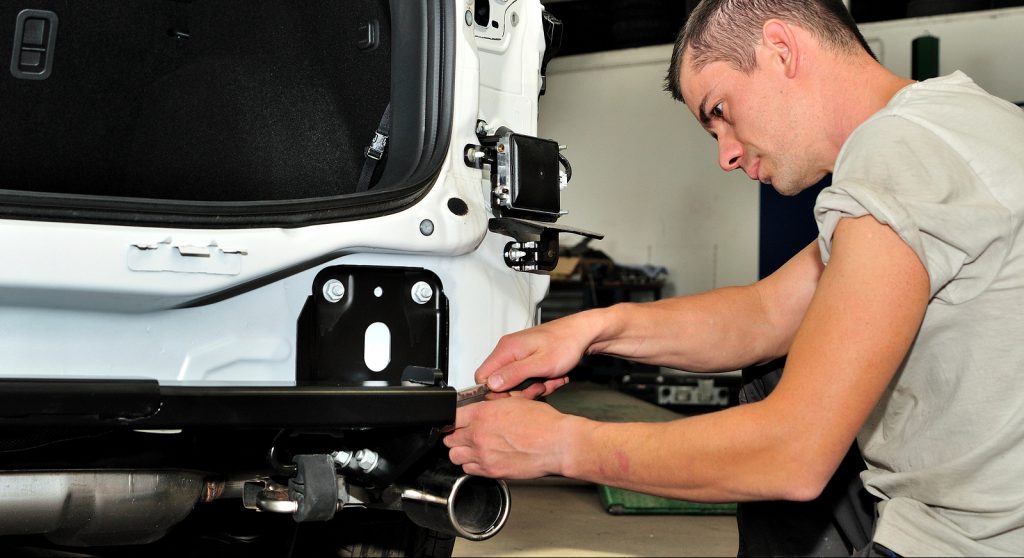
The most important aspect of installing a trailer hitch adapter is security. Not only do you want to ensure that your hitch is secure, you want to ensure that your cargo will be safe during transport. Fortunately, installation is relatively easy. Start by inserting the trailer hitch adapter into your towing vehicle’s receiver. Then secure the pins and clips. From there, install your 2” accessory, also securing it with pins and clips. Finish by fortifying your load with cargo support straps.

Where to Find Professional Towing Assistance

Call Zore’s Towing at 317-247-8484 for safe and affordable Indianapolis tow truck services you can trust. Our licensed and insured tow truck operators provide punctual and prompt tow truck services, 24 hours a day and 7 days a week! We also provide numerous community services, roadside assistance services, wrecker and recovery services, and much more. Call 317-247-8484 to request a free estimate, anytime!

Zore's Towing Indianapolis 317-247-8484
Zore’s Towing Indianapolis 317-247-8484

Do You Need Roadside Assistance Insurance?

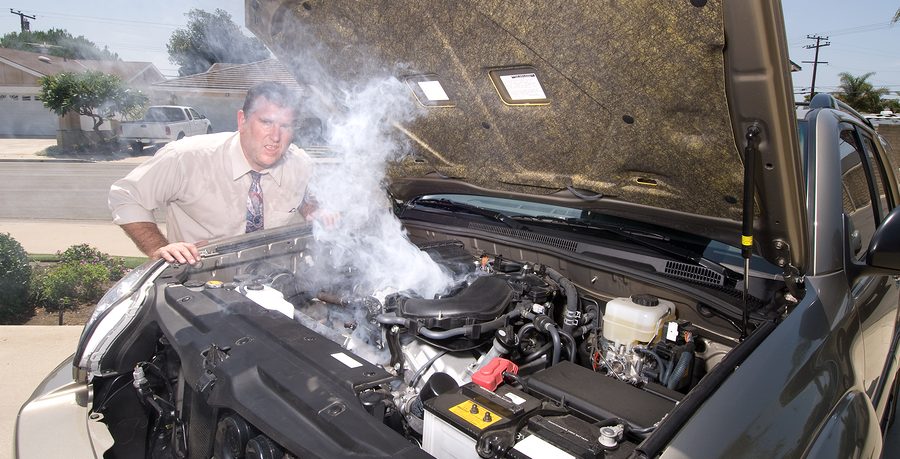
Whether for yourself or for your teenage drivers, roadside insurance is something that many car owners think about. You never know when you will find yourself stranded on the side of the road in need of automotive repair or intervention. But is insurance coverage for roadside assistance service really necessary? After all, there are roadside assistance companies that operate on a 24 hour basis in virtually all counties in the state.

Continue reading to learn what you need to know about roadside insurance coverage, including what it is, what it does, and whether or not you need it in Indiana.

Indianapolis Roadside Assistance & Towing 317-247-8484

Roadside Assistance Insurance

Roadside assistance insurance coverage is just that; insurance coverage for roadside repairs and support. As a beneficiary, you would have a separate insurance policy for such services, or it can be supplemental to your existing policy. Either way, it is coverage that you must pay extra for on top of your existing cost of coverage.

So how much does roadside assistance coverage generally cost? The answer is not so straightforward. The cost of such coverage depends on various factors, namely the extent of coverage you choose. Other factors include your insurance carrier, driving history, make and model car, age, and more. Check with your insurance carrier to learn your options for roadside assistance coverage and pricing.

Benefits

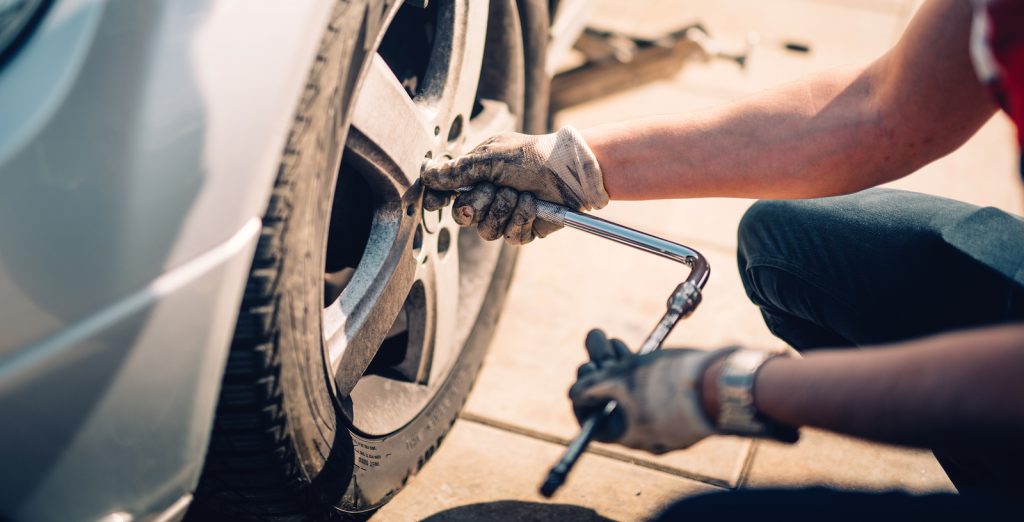
The most obvious benefit of having roadside assistance insurance is the fact that you will never have to worry about being stranded in your car in the middle of nowhere. It also provides peace of mind knowing that you and your loved ones are protected and supported at all times when on the road, regardless of time or day. Such assistance will help when you lock your keys in the car, run out of gas, get a flat tire, get stuck in a ditch, wreck and need a tow, and much more.

But Do You Need It?

The question of whether or not you need roadside assistance coverage all depends on your personal lifestyle and preferences. If you are frequently traveling long distances, or have a time-restricted schedule, a roadside assistance plan might make financial sense. Also, if you have teen drivers, a policy like this can give you great peace of mind. But for most others, a roadside assistance policy is not always cost-effective. It may be financially wiser to simply outsource Indianapolis roadside assistance services in the rare times that you need it.

24 Hour Roadside Assistance in Indianapolis

Call Zore’s Towing at 317-247-8484 for 24 hour roadside assistance and towing services in Indianapolis and throughout Central Indiana. Our friendly staff is waiting by the phones, ready to help you get back on the road, safe and sound. We operate 24 hours a day, 7 days a week, and 365 days a year, so you can always count on us. Request a free estimate, today.

Towing Company Zionsville Indiana 317-247-8484

Do Not Use a Hitch-Mounted Carrier Lift with a Trailer Hitch Adapter

If you have a hitch-mounted wheelchair or scooter lift that you wish to install on a vehicle, it is not recommended to use it with a trailer hitch adapter. There are many hazards that can arise from this arrangement, such as asset damage, vehicular damage, and even traffic accidents. Continue reading to learn why you should not pair a hitch-mounted carrier with a trailer hitch adapter, and what you can do instead for optimal safety and performance.

Indianapolis Roadside Assistance & Towing 317-247-8484

Why It Won’t Work

Why should you not use your hitch-mounted carrier with a trailer hitch adapter? Well, hitch receivers with a 1¼ inch opening are not designed with the proper tongue weight capacity to support the total weight of the carrier and the asset it is holding. For this reason, it is vital that you are fully aware of your vehicle’s limitations before you choose a particular carrier or lift.

Keep in mind, if you were to use your hitch-mounted carrier with a trailer hitch adapter, you are literally cutting your tongue weight capacity in half. For this reason, this combination should only be used on vehicles with stiff suspensions, such as full-size pickup trucks, truck-style SUVs, and large vans.

Hitch Class Ratings and Tongue Weight

Most often, cars and minivans have Class 1 or 2 hitches, while trucks and sports utility vehicles usually have Class 3, 4, or 5 hitches. Knowing your vehicle’s tongue weight, hitch class, and rating is an essential part of safely using a wheelchair or scooter lift. Usually, such lifts require at least a Class 3 hitch rating. How do you find your vehicle’s hitch class? Simply refer to the manufacturer label on the trailer hitch. If it is an old lift and the label is not clear, you can also measure the opening yourself.

As for tongue weight, see our blog, “A Brief Explanation of Tongue Weight (TW)” to learn what you need to know. Basically, tongue weight is the downward force that is applied onto a vehicle’s trailer hitch. In terms of a wheelchair/scooter lift, the tongue weight is measured by adding the total weight of the lift and the asset, together. Beware, an improper setup can lead to your carrier and asset bending downward toward the road and breaking off the trailer hitch.

Refer to your vehicle’s owners’ manual for manufacturer’s recommended tongue weight. If you cannot locate your manual, you can look up these values online, or you can adhere to the general rule of thumb, which is that your tongue weight should not exceed 10% of your gross trailer weight. See our blog, “A Review of Gross Vehicle Weight Ratings” to learn how to measure your vehicle’s gross weight rating, and how to apply it with your carrier.

Alternatives and Tips

Aside from hitch classes, tongue weight, and gross weight ratings, is also important to pay attention to the height of the hitch. Lower hitch heights can put your carrier at risk of scraping against sidewalks, curbs, and driveways. To avoid this, be sure to install a hitch height adapter. If you have not yet purchased a wheelchair/scooter carrier, start by measuring your wheelchair or scooter dimensions. Measure the length and width (from the outside tires), as well as the total weight of the asset, including the battery and any accessories (ramps, straps, etc.).

Indianapolis Towing Professionals

Call Zore’s Towing at 317-247-8484 for safe and affordable Indianapolis tow truck and roadside services you can trust. Our licensed and insured towing operators provide punctual and prompt tow truck services, 24 hours a day and 7 days a week! We also provide numerous community services, roadside assistance services, wrecker and recovery services, and much more. Call 317-247-8484 to request a free estimate, anytime!

Indianapolis Roadside Assistance 317-247-8484
24 Hour Towing & Roadside Assistance (317) 247-8484

A Review of Gross Vehicle Weight Ratings

Before towing a trailer, or any sort of cargo, it is important to have an adequate understanding of your GVWR, otherwise known as “gross vehicle weight rating.” Continue reading for a quick review on all things related, including how to calculate your GVWR, as well as, recommended trailer towing tips and more!

Indianapolis Towing & Recovery 317-247-8484

Gross Vehicle Weight Rating – GVWR

A gross vehicle weight rating, or GVWR, is the manufacturer-engineered maximum capacity of weight your vehicle can safely tow. By adhering to this manufacturer load capacity, you will ensure that your vehicle is not towing too much weight. If you were to exceed your gross vehicle weight rating, it could cause a wide range of damage to your vehicle’s drive train, transmission, brakes, suspension, engine, and more.

GVWR and Tongue Weight (TW)

To learn your vehicle’s GVWR, all you have to do is open the driver’s side door and look at the label on the door jam. Here, you will find the gross vehicle weight rating, as well as, other pertinent information for towing, hauling, and more. This figure is meant to encompass the weight of the passengers, cargo, persona affects, and the towing vehicle’s total weight. It does not, however, include the total weight of the trailer (also known as the vehicle’s gross weight) nor trailer tongue weight, which is where your calculations come into play. Keep in mind that proper tongue weight is approximately 10 to 15% of the total trailer weight when loaded with cargo. Read our blog, “A Brief Explanation of Tongue Weight (TW)” to review trailer tongue weight facts.

In order to calculate your towing vehicle’s true GVWR, you will need to do a little math; but not to worry, it’s merely some simple adding and subtracting. For instance, if your GVWR is 7,000 pounds and your trailer weighs 600 pounds, simply subtract your trailer weight from the GVWR, and then use that figure as your actual gross vehicle weight rating. From there, you will need to continue to subtract the weight of any passengers, cargo, personal belongings, and the towing vehicle weight.

Here is an example:

Towing Vehicle Weight – 5,000 lbs.
GVWR – 6,884 lbs.
Trailer Weight – 550 lbs.

The towing vehicle, with the trailer attached, can safely haul up to 1,334 lbs. without exceeding the max weight rating. This figure must include the total weight of all passengers, cargo, and personal belongings in the whole convoy.

Where to Get Professional Towing Assistance

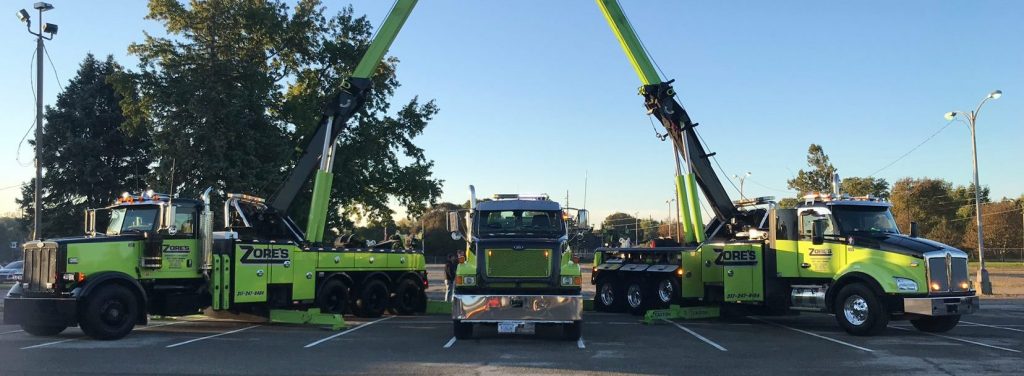
Call Zore’s Towing at 317-247-8484 for prompt, 24 hour towing and roadside assistance in Indianapolis and its surrounding counties. Our licensed towing and recovery division retains an extensive fleet of over 35 tow trucks and wrecker equipment, allowing us to assist drivers 24 hours a day, 7 days a week, and 365 days a year, rain, snow, or ice. Request a free estimate, anytime.

Zore's Towing Indianapolis 317-247-8484
Zore’s Towing Indianapolis 317-247-8484

The 5 Components Need for Flat Towing

Drivers tow vehicles mostly out of necessity, but also for convenience. By taking your own personal vehicle with you on your trip, you can save money on taxis, Übers, Lifts, trains, trolleys, buses, and fees to professionally transport a car long distances. If you are planning a road trip that requires you to tow your car, truck, or boat, be sure you know exactly what you need to set everything up correctly. There are 5 basic components you need for a flat tow, plus several other accessories that can enhance both safety and control on the road.

Continue reading to review the 5 basic flat tow components, and who to call for trusted flatbed towing in Indiana if you don’t feel comfortable towing on your own.

Indianapolis Towing & Recovery 317-247-8484

❶ Tow Bar

The tow bar is the ultimate basic component because it is the piece that essentially connects your towing vehicle with the towed vehicle. Read our blog, “Basic Facts About Tow Bars” to get understand tow bar assembly better, including popular types of tow bars to choose from.

❷ Base Plate Kit

Base plate kits are vehicle-specific, which means you must be sure you get the right one that matches your make and model vehicle. These custom-designed base plates are installed on your car’s frame, which fits perfectly and provides attachment points for a tow bar.

❸ Safety Cable Set

You can never have too much safety or control when towing a trailer or vehicle on the open road. A safety cable set will provide this assurance and keep you in adherence with state law. They are designed to keep your dinghy attached to your towing vehicle, and prevent swaying.

❹ Tow Bar Wiring

Another state law required component for your flat tow set-up is tow bar wiring, which is a lighting system on your dinghy that operates in sync with your towing vehicle’s tail lights. Choose from removable exterior light kits, separate tail light bulb kits, and more.

❺ Supplemental Braking System

The importance of a supplemental braking system for your flat tow operation is explained in the name. Having an extra set of back-up brakes on your dinghy provides added braking power and reduces wear and tear on both vehicle’s brakes. Furthermore, they are requires under law in most states.

Indiana Towing Experts Here to Help

Zore's Towing Indianapolis 317-247-8484
Indianapolis Towing & Roadside Assistance 317-247-8484

Call Zore’s Towing at 317-247-8484 for prompt, 24 hour towing and roadside assistance in Indianapolis and its surrounding counties. Our licensed towing and recovery division retains an extensive fleet of over 35 tow trucks and wrecker equipment, allowing us to assist drivers 24 hours a day, 7days a week, and 365 days a year, rain, snow, or ice. Request a free estimate, anytime.

Basic Facts About Tow Bars

Whether you need to flat tow a dinghy with a car, truck, or RV, you will most certainly require a tow bar. The tow bar is one of the most obvious and easily discernable components in a towing set up, as it is generally shaped in a large “V” formation, and lies between the towing vehicle and the dinghy being towed. It also happens to be one of the most central components, as it allows you to safely flat-tow your wheeled commodity. There are some important facts you should know about tow bars before setting up your own rig and hitting the road.

Continue reading to review some basic information about tow bars, including the two common types on the market and their benefits.

24 Hour Towing and Roadside Assistance 317-247-8484

Types of Tow Bars

Tow bars come in a sorts of versions, all of which differ in towing capacity, mounting style, and overall design. The tow bar you will require for your dinghy set up will depend on these factors and more. Be sure to review the manufacturers’ instructions, as well as the owners’ manual of your towing vehicle, before setting up your tow bar. The two most common mounting styles for tow bars include car-mounted and RV-mounted tow bars.

🚌 RV-Mounted Tow Bars:

RV-mounted tow bars deliver precision and stability. Furthermore, they insert directly into the RV’s hitch receiver, which means there is no need for an additional connection point (a coupler) that most car-mounted types require. Although you won’t be using a coupler on an RV-mounted tow bar, you will need your hitch lock to secure the bar to the receiver. RV-mounted tow bars are also easy store, provide highly stable connections, improve safety, compatible with hitch adapters, and easy to adjust.

🚙 Car-Mounted Tow Bars:

Car-mounted tow bars are used on towing vehicles like cars, trucks, SUV’s, and vans. They came long before the introduction of RV-mounted tow bars, and still play a vital role in dinghy towing to this very day. They operate similarly to an A-trailer since they connect to the trailer hitch ball via an integrated coupler. Their integrated coupler can be locked to a hitch ball, adding more security and stability. Furthermore, they come in a range of sizes, including 2″ and 25/16” balls, and even pintle hitches.

24 Hour Towing and Recovery

Zore's Towing Indianapolis 317-247-8484
Indianapolis Towing & Roadside Assistance 317-247-8484

If you need towing help, call Zore’s Inc. at 317-247-8484 for friendly 24 hour towing and recovery in Indiana. We open a family-owned and operated business for 90 years, so you can trust us for prompt and professional service. We are open 24 hours a day, seven days a week, and 365 days a year, so our certified tow truck operators can be there for you anytime, any day! Request free estimates, anytime.

A Brief Explanation of Tongue Weight (TW)

When it comes to safe towing, the most important factor is knowledge. And part of this knowledge is knowing your tow weights. This includes the weight of your load, the capacity of your towing vehicle, and your towing trailer’s tongue weight. Most experienced towers are familiar with their load weight and capacities, but many tend to overlook tongue weight, which is equally important as the rest.

Continue reading for a brief explanation of these weights, with a primary focus on tongue weight.

Indianapolis Towing & Recovery 317-247-8484

What is Tongue Weight?

Tongue weight is the downward force or pressure the trailer puts on the back of the towing vehicle (specifically on the ball by the trailer coupler). Why is this weight measurement important? Well, too much weight on the back of the vehicle can cause it to raise in the front, thus making the rear brakes work too hard. Too little weight can cause the trailer and vehicle to be unleveled, which is dangerous while taking turns or driving at high speeds.

Tongue weight should never be more than 15% of the total trailer weight, including the weight of its cargo. This weight calculation is referred to as “gross trailer weight”, which is the same as “gross vehicle mass”, or “GVM.” See our blog, “Towing Acronyms for Vehicle Manufacturer Specifications” to learn all the weight definitions for safe towing. For now, here are two additional towing weight definitions you need to know in order to tow a trailer safely:

Gross Vehicle Weight Rating (GVWR) – The acronym, “GVWR” stands for “Gross Vehicle Weight Rating”, which refers to the maximum recommended weight of the vehicle or trailer when it is fully loaded in adherence to the manufacturer’s recommendation.

Gross Combined Weight Rating (GCWR) – The acronym, “GCVWR” stands for “Gross Combined Vehicle Weight Rating”, which refers to the combined weight of a trailer and the towing vehicle, including all passengers, as well as, fuel, equipment, and the cargo on the trailer.

Unsure of Your Towing Weight Capacities?

If you are not sure what your weight capacities are for your trailer and towing vehicle, refer to the owners’ manual for both. See our blog, “What is a Compliance Certification Label and Where is it on My Car?” to learn more about the importance of calculating these figures. If you need to replace a lost owners’ manuals for your trailer and/or vehicle, you can download them online, sometimes for free.

Need Professional Towing?

Zore's Towing Indianapolis 317-247-8484
Indianapolis Towing & Roadside Assistance 317-247-8484

Call Zore’s Inc. at 317-247-8484 for friendly 24 hour towing in Central Indiana. We open a family-owned and operated business for 90 years, so you can trust us for prompt and professional service. We are open 24 hours a day, seven days a week, and 365 days a year, so our certified tow truck operators can be there for you anytime, any day! Request free estimates, anytime.

How to Install a Trailer Hitch Adapter

Our February blogs, seen to the right, “How to Transport a Car Across the Country”, and, “How to Test Tire Tread Using a Penny”, have certainly turned this month into the month of “How To’s!” So we why not end the month with one more “How To” blog?

After some thought, we realized that many novice towers are always asking questions about setting up hitch receivers and adapters. If you have a trailer and towing vehicle, you might want to review the steps for doing both. Continue reading to learn a quick guide to installing a trailer hitch adapter, as well as, some helpful tips for hitch receivers.

24 hour Towing Indianapolis IN
Indianapolis Towing & Recovery 317-247-8484

Trailer Hitch Adapters

Trailer hitch adapters are great because they do just that: adapt. You can use them with a 2 inch hitch accessory with a 1 ¼ inch receiver. Even better, trailer hitch adapters can also be used with hitch-mounted bike racks and cargo carriers that are designed for a 2 inch receiver hitch. Keep in mind, you still must use cargo support straps to prevent your cargo from moving around or creating strain on your trailer hitch.

Before getting started, it is critical to DOUBLE CHECK the receiver hitch tongue weight rating. The tongue weight needs to be higher than the combined weight of the cargo and the apparatuses used to secure everything. See our article, “The 5 Hitch Classes and Their Maximum Load Capacities” to learn more about tongue weight (TW) and gross trailer weight (GTW).

Trailer Hitch Adapter Installation Guide:

Step ❶ – Insert the adapter into your vehicle’s receiver hitch. Then secure it with the pin and clip.

Step ❷ – Install the 2” hitch accessory, then secure it using the pin and clip.

Step ❸ – Secure the hitch accessory with cargo support straps.

Step ❹ – Periodically inspect the hitch accessory as you use it to ensure the trailer hitch adapter and cargo straps are still secure and in place.

When You Need Professional Towing in Indianapolis

Zore's Towing Indianapolis 317-247-8484
Indianapolis Towing & Roadside Assistance 317-247-8484

Call Zore’s Towing at 317-247-8484 for prompt, 24 hour towing and roadside assistance in Indianapolis and its surrounding counties. Our licensed towing and recovery division retains an extensive fleet of over 35 tow trucks and wrecker equipment, allowing us to assist drivers 24 hours a day, 7 days a week, and 365 days a year, rain, snow, or ice. Request a free estimate, anytime.