How to Free a Car Stuck in the Snow

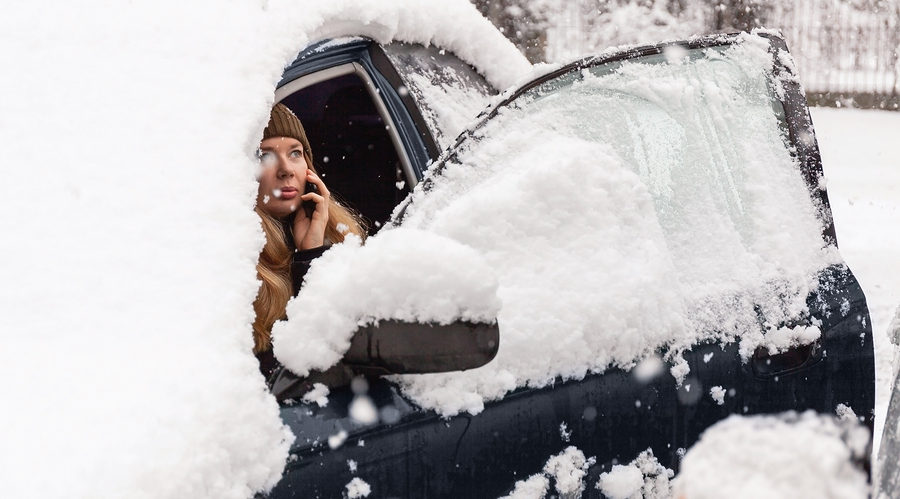
Whether you prepared for it or not, Hoosiers all across the state woke up to a winter wonderland. Although beautiful and serene, snow can pose several dangers to drivers on the road. One of the most common vehicular incidents related to snowy weather is getting stuck. If you are stuck in the snow right now and searching for the easier way out, you have found the right blog.

Continue reading to learn how to free your car from the snow, including how to obtain the fastest solution if nothing you do seems to work.

24 Hour Towing and Roadside Assistance 317-247-8484

What NOT to Do

Before getting to the part on how to free your car that is stuck in snow, you need to review some important safety standards to ensure you and your vehicle are not in any danger. First, be sure you and any passengers are far away from the road and out of the way of traffic. Next, it is important to put your blinkers, or hazard lights, on to warn oncoming traffic of your post. When stuck in a ditch, it is important to never stand behind the downward sloping end of the vehicle. This poses the risk of being run over by the car if it frees and rolls down on top of you. Furthermore, never attempt to push a car out of a ditch, as the same risk applies.

How to Get Started

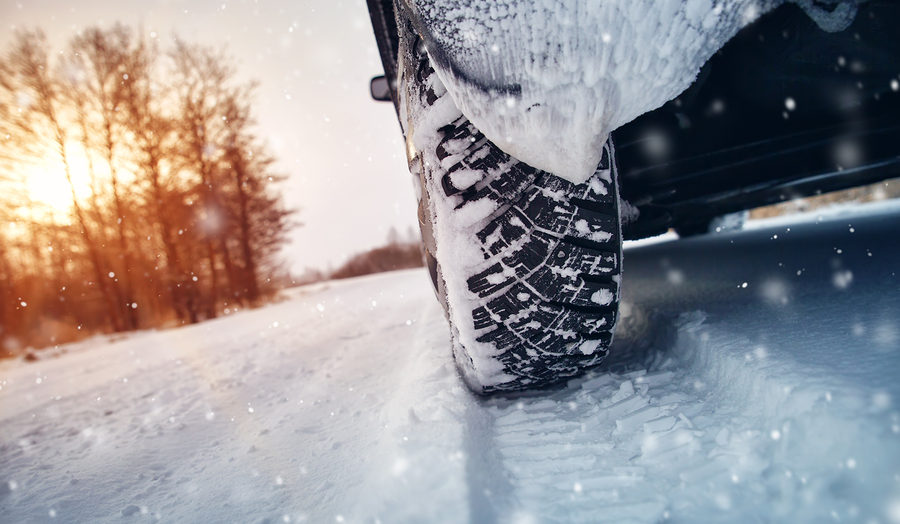
Now that you are familiar with some of the most important safety points, you are ready to do what you can to free your car from the snowy impound it is in. To start, surround your vehicle’s perimeter with roadside assistance triangles, if you have them. If not, start by clearing out as much snow as you can from behind and in front of each tire, as well as underneath the car. Use your hands, ice scraper, cup, or anything else you have that can help you scoop and clear snow. If part of your wheels are on a road, it is important that you take extreme precaution against oncoming traffic. In fact, it is recommended to abort the project and call a professional if your vehicle is along a busy road.

After you have cleared a few feet of snow in front of and behind your tires, you can choose to attempt the “rocking method”, which literally involves switching back and forth from drive to reverse until the car springs free from the snow or ditch. However, be warned that this approach is not recommended since it can damage the transmission if done improperly.

If you feel confident in this method, just be sure the car is motionless before switching gears by hitting the brake as soon as it is in the peak of each “rock.” Just do not “floor” the gas. You may need to try this step a few times before it works. If it doesn’t work after a few attempts, you still have one more option. According to Consumer Reports, it is important to keep the wheels straight while doing this. Avoid spinning your tires because this will only dig you deeper into the mud.

If this approach doesn’t do the trick, you can try to add more traction behind every wheel of the car with anything you have on hand that will provide a driving surface, such as cat litter, cardboard, floormats, old shirts, and similar items. For cars that are front-wheel drive, put the items in the front of each tire.

Still Stuck?

Contact a 24 Hour Roadside Assistance Truck

Call Zore’s Inc. at 317-247-8484 for friendly 24 hour towing and roadside assistance and advice in Central Indiana. We open a family-owned and operated business for 90 years, so you can trust us for prompt and professional service. We are open 24 hours a day, seven days a week, and 365 days a year, so our certified tow truck operators can be there for you anytime, any day! Request free estimates, anytime.

Indianapolis Towing & Recovery 317-247-8484

Top Safety Tips for Driving in the Winter

It’s officially winter. Days are mostly dreary and cold, portending the snow and ice that will soon be upon us. As we can expect from every Indiana winter, streets and roadways will certainly be slick, slushy, and at times, even frozen over. When the winter storms come in, they really make driving conditions dangerous and unpredictable, so it is critical to your safety and the safety of others to use extreme caution and care when driving in such conditions. Accordingly, it is important to remember how to safely operate your vehicle, navigate in winter weather, and manage road emergencies.

Continue reading to review some vital safety tips for winter driving and be sure to pass them along to your friends and family too!

24 Hour Towing and Roadside Assistance 317-247-8484

Winter Driving Tips You Need to Know

You never know what to expect with winter weather, so being prepared is key. One of the most important rules of safe driving that applies all year long is to have your vehicle serviced professionally according to its individual needs and its manufacturer’s maintenance schedule. When your vehicle is in good condition, it is in its safest form. This includes parts, fluids, tires, and more.

Another important part of being prepared is keeping an emergency roadside assistance kit in your vehicle at all times. There are various types of kits available at the stores, all with different items. Choose whichever kit best fits your emergency roadside needs, such as jumper cables, road triangles, flashlight, first aid kit, blanket, and more. See our blog, “Put a Roadside Emergency Kit in Your Car” to get some ideas on how to create your own. Below are some additionally important tips to remember when driving in inclement weather.

Additional Driving Safety Considerations

⚠ Keep at least a half a tank of gas in your vehicle at all times.
⚠ Periodically check for proper tire inflation.
⚠ Do not leave a vehicle running in an enclosed garage.
⚠ Always wear your seat-belt.
⚠ Always ask passengers to buckle up too.
⚠ Never drive when you are too tired or drowsy.
⚠ Always keep your eyes on the direction you are steering.
⚠ Avoid using the parking brake in wet or slick conditions.
⚠ Avoid using cruise control in wet or slick conditions.
⚠ Accelerate and Brake slowly on wet or snowy roads.

Long Distance Driving Safety

⚠ Have your vehicle serviced before you leave.
⚠ Watch the weather before you leave to be prepared
⚠ Be sure you fully-charge your car phone and bring an emergency charging unit.
⚠ Delay leaving if weather is too extreme.
⚠ Check your emergency roadside kit and refill as needed.
⚠ Check that your exhaust pipe is not clogged with snow.
⚠ Pack extra blankets.

If you get stuck in the snow, stay with your vehicle and call for help.

Towing and Roadside Assistance for Indiana

Call Zore’s Inc. at 317-247-8484 for friendly 24 hour towing, recovery, and roadside assistance and advice in Central Indiana. We open a family-owned and operated business for 90 years, so you can trust us for prompt and professional service. We are open 24 hours a day, seven days a week, and 365 days a year, so our certified tow truck operators can be there for you anytime, any day! Request free estimates, anytime.

Indianapolis Towing & Recovery 317-247-8484

How to Tell if Your Car Needs Alternator Replacement

When a vehicle is experiencing mechanical malfunctions, it will let you know. This is especially true for a car’s electrical system. In fact, one of the most common automotive electrical malfunctions has to do with the alternator. Since the alternator is a significant component to all vehicles, it is important to keep it in good working condition, and address any problems early on.

Continue reading to learn more about alternators, including how they work, common signs of trouble, and what to do if yours breaks down unexpectedly.

24 Hour Towing and Roadside Assistance 317-247-8484

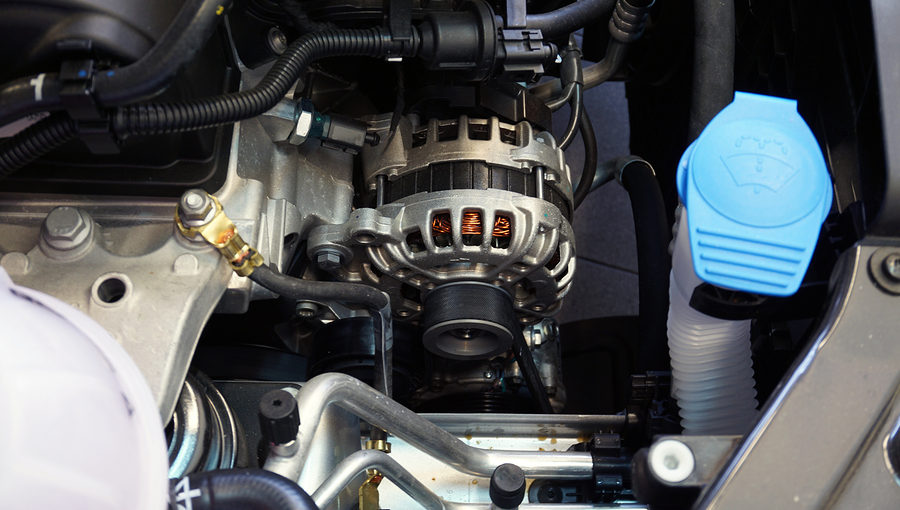
An alternator, as mentioned before, is a significant engine component in a vehicle’s electrical system. Its job is to turn mechanical energy into electrical energy to recharge a car battery. As an extension of a car engine, an alternator is generally powered by the timing belt. It works by producing electrical energy as the car’s motor runs and the alternator spins. Its role is important because this entire operation is meant to run a vehicle’s electrical system, such as electronic safety programs, personalized comfort settings, and screen displays.

Signs of Alternator Malfunction

When an alternator is experiencing mechanical trouble, it will show in various ways. The key is to know what to look for. The most common signs that suggest your alternator needs repaired or replaced include:

⚠ Illuminated Check Engine Light (MIL)
⚠ Dimming or Flickering Headlights
⚠ Dead Battery
⚠ Smell of Burning Plastic
⚠ Stalling Engine
⚠ Squealing or Grinding Noises
⚠ Electrical Issues (i.e. power seats, power windows, stereo, etc.)

Alternator Repair and Replacement

The cost of a new alternator varies depending on several factors, including the make and model of a vehicle, the retailer, and the cost of installation. You can expect to spend anywhere from $200 to $600 for a new alternator, including the cost for paying a mechanic for installation. Keep in mind that purchasing a new alternator for a luxury and foreign vehicles will likely be more expensive. For those on a tight budget or have an old car that may not last much longer, there is the option to purchase a used or refurbished alternator at a reduced price. Most refurbished alternators come with a warranty, so you can feel confident in your purchase.

What to Do if Your Car Breaks Down Suddenly

If your alternator breaks down suddenly while you are driving, remain calm and attempt to roll or coast along the shoulder of the road or highway. When doing do, avoid turns and curves in the road behind you so that oncoming traffic will see you in advance and have time to react and drive around you.  This also helps when you are ready to get back on the road, you can see the oncoming traffic too. Then, contact a local and trusted 24 hour roadside assistance service for a tow to your house or auto repair shop.

Need Some Towing Assistance in Central Indiana?

Call Zore’s Towing at 317-247-8484 for 24 hour roadside assistance and towing services in Indianapolis and throughout Central Indiana. We are fully-equipped with the right fleets to assist cars, trucks, motorcycles, boats, construction equipment, trailers, vans, semi-trucks, airplanes, and much more. Our friendly staff is waiting by the phones, ready to help you get back on the road, safe and sound. We operate 24 hours a day, 7 days a week, and 365 days a year, so you can always count on us. Request a free estimate, today.

Indianapolis Towing & Recovery 317-247-8484

The 7 Automotive Fluids Required for All Cars

A vehicle operates best when its fluids are well-maintained and kept at their proper levels. There are seven chief fluids in every vehicle that work together to promote a smoother drive and optimal vehicular performance.  These fluids assist in the main functions of various automotive parts; such as the engine, transmission, and braking systems.  Without these essential fluids, a vehicle will quickly deteriorate and experience complications. This leads to costly repairs, parts replacements, or a totaled vehicle. 

Continue reading to learn about these seven critical solutions and fluids, and how they work together to support a well-operating vehicle.

Emergency Tow Truck 317-247-8484

Motor Oil

The first fluid to mention is motor oil, because it is the most valuable and important. Without motor oil, a car’s engine is running without any lubrication between its moving parts. This can cause high heat and friction, leading to piston damage, valve damage, and more. It is dangerous and can cause severe and irrevocable damage to a vehicle’s engine. Any car with an internal combustion engine requires motor oil to lubricate its moving components.

Brake Fluid

Brake fluid is another important and vital necessity for any vehicle. A brake line system is a sealed network that applies hydraulic pressure to control a vehicle’s ability to come to a stop.  When pressure is applied to a brake pedal, brake fluid compresses. This causes the hydraulic force to transfer to the brake pads and shoes and produce the required friction necessary to stop. Without brake fluid, a vehicle will have complications with stopping and using the brakes. This is very dangerous. A car must be able to stop!

Power Steering Fluid

Power steering fluid is used to assist the driver in turning the car easier. The power steering fluid is pressurized by a small hydraulic pump that is powered by the vehicle’s engine. It releases enough fluids that make the steering mechanism easier to direct and operate. Without power steering fluid, turning a steering wheel would require an abundant amount of effort and force.

Coolant

Coolant is another very important fluid in a vehicle. It is a heat-transfer fluid that controls the temperature levels within your engine. Without it, a car engine would quickly overheat, causing severe damages to the engine and its components. Coolant is generally a half and half formula, containing fifty percent water and fifty percent radiator coolant solution. It works by cycling through the engine as it runs, collecting heat and returning it to the radiator, then into the air.

Transmission Fluid

This fluid is not one commonly checked by car owners, but rather by a mechanic during an annual tune-up or inspection. Transmission fluid is important because it lubricates and cools the inner components of the transmission. This allows everything to engage and work properly. It’s job is very similar to motor oil.

Battery Fluid

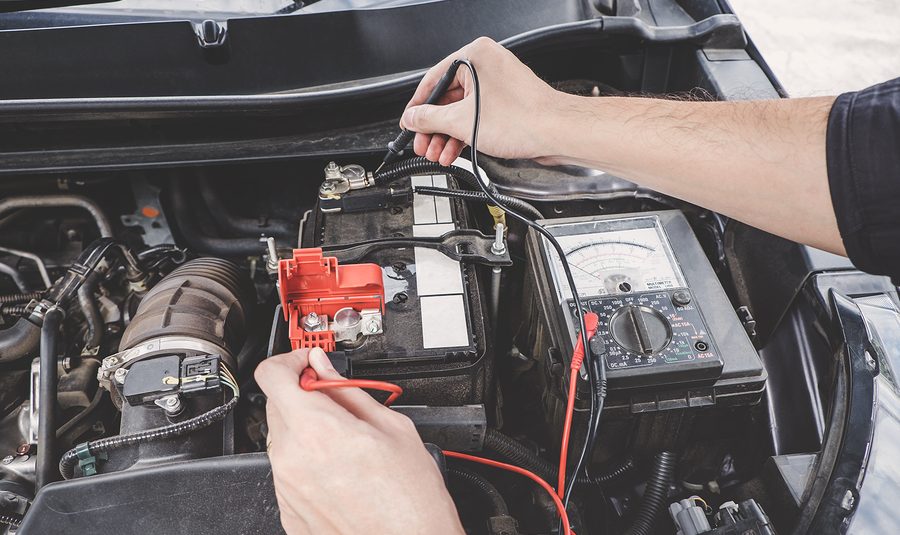
Many vehicles today are manufactured with maintenance-free batteries; however, some older models will require a vehicle owner to manually replace the battery fluid on a regular basis. In these type of vehicle batteries, the individual cells need to be filled with the proper type of battery fluid in order for the vehicle to run.

Windshield Wiper Fluid

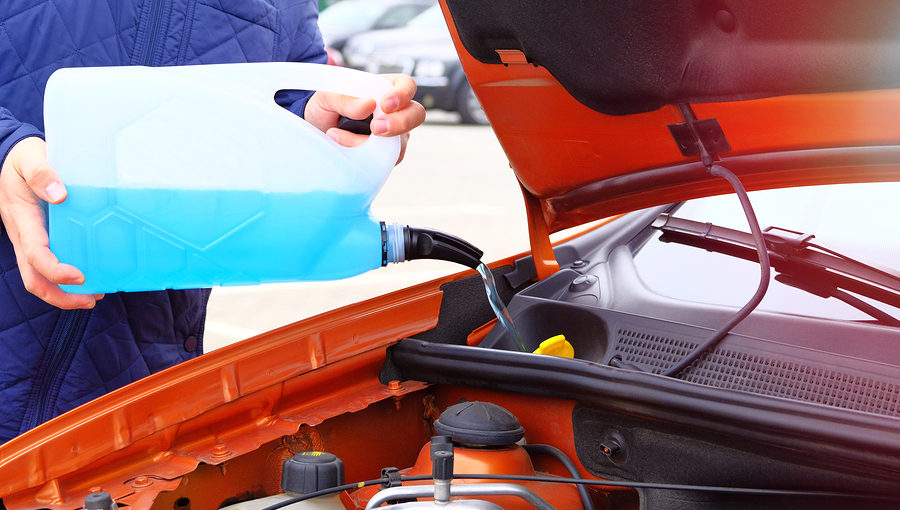
Although commonly overlooked, a driver could almost not live without windshield wiper fluid! Mud, dirt, water spots, insects, fingerprints, and more can be distracting on a vehicle’s windshield. Windshield wiper fluid is a soapy viscous solution that can be controlled manually by a push of a button inside the car. This button or attachment is generally near the steering wheel. Depending on how often it is used, windshield wiper fluid should be refilled every few months or so.

Emergency Towing and Roadside Assistance in Indiana

If you find yourself stranded and in need of automotive fluids in Indianapolis, trust Zore’s Towing for help anytime! Call us at 317-247-8484 for prompt, 24 hour towing and roadside assistance in Indianapolis and throughout Central Indiana. Our licensed towing and recovery division retains an extensive fleet of over 35 tow trucks and wrecker equipment, allowing us to assist drivers 24 hours a day, 7 days a week, and 365 days a year, rain, snow, or ice. Request a free estimate, anytime.

Indianapolis Towing & Recovery 317-247-8484

The 5 Basic Components Required to Flat Tow a Vehicle

A vehicle that can dinghy tow another car with a tow bar is a highly valuable asset. Not only does flat towing provide convenience, it also increases loading and unloading efficiency, saves space, and ensures balanced transportation. But before you hook your tow bar up to another car, be sure you have all the other necessary towing gear to keep you and your cargo safe. Continue reading to learn the five basic components you need to flat tow a car.

24 Hour Towing and Roadside Assistance 317-247-8484

Required Equipment for Dinghy Towing

Whether you are linking up an RV or a standard 4-door sedan, you will need 5 particular towing parts in order to be legal on the road, and more importantly, safe. These five components include a tow bar, as previously mentioned, as well as, tow bar wiring, a base plate kit, safety cable set, and an add-on braking system.

❶ Tow Bar – The “Y-shaped” metal bars that connect the towing vehicle with the dinghy (vehicle being towed). Hitch locks and hitch adapters are additional tow bar components that might be needed, especially for R-mounted tow bars.

❷ Tow Bar Wiring – The lighting system that syncs the lights of the towing vehicle with the dingy vehicle. These are mandated and required by law. There are several types, from removable and hitch-mounted, to magnetic, diode, charge line, and more.

❸ Base Plate Kit – These provide the attachment connections for a tow bar. They are vehicle-specific, and must be custom matched to specifically fit the towing vehicle’s frame.

❹ Safety Cable Set – Also required by law, these are meant to prevent your dinghy from disconnecting from your towing vehicle, even if the tow bar uncouples from it.

❺ Supplementary Braking System – These are designed to decrease braking distance up to 30%, depending in the towing setup. These are mandatory by law in almost every state.

Dinghy Towing

Upon reviewing the basic principles and best practices of flat towing, you can better understand the importance and purpose of each piece of towing equipment. You see, to flat tow, or dinghy tow, a tow bar is connected to the front bumper of the towed vehicle, and then trailer lights are attached to the back bumper. Although reliable, using a tow bar to tow can become complicated since cars are meant to drive on their own power, rather than be towed on the ground. Also, transmissions are designed to be turned by the car’s engine.

But when a car is being towed on the pavement, the tires will cause the transmission to turn instead, which could possibly lead to transmission damage. On the other hand, certain vehicles, like Jeeps, are designed with a 4WD mechanism that retains a transfer case, which places the car in neutral, isolating the transmission from the wheels. It is important to always refer to the towed vehicles owners’ manual for manufacturer recommendations before setting it up for tow bar dinghy towing.

Need Towing Assistance in Central Indiana?

Call Zore’s Towing at 317-247-8484 for 24 hour roadside assistance and towing services in Indianapolis and throughout Central Indiana. We are fully-equipped with the right fleets to assist cars, trucks, motorcycles, boats, construction equipment, trailers, vans, semi-trucks, airplanes, and much more. Our friendly staff is waiting by the phones, ready to help you get back on the road, safe and sound. We operate 24 hours a day, 7 days a week, and 365 days a year, so you can always count on us. Request a free estimate, today.

Indianapolis Towing & Recovery 317-247-8484

How to Jump Start a Dead Car Battery

If you have never jump started a dead car battery on your own, it is time that you learn! It is one of the easier automotive troubleshooting repairs a driver can do on their own, without professional assistance or invasive operations. All you need is a set of jumper cables and another working car battery to recharge your car or truck on your own.

Roadside Assistance Tow Truck Indianapolis Indiana
24 Hour Towing and Roadside Assistance 317-247-8484

Why Car Batteries Die

Automotive batteries typically last anywhere from three to five years, depending on make, model, and the condition of the vehicle. It can also depend on the number of miles driven. Car batteries run on battery fluid, which eventually runs out, causing a battery to die. Other reasons why a car battery can die include exposure to extreme temperatures, leaving the lights on for an extended period of time when the car is not in use, not driving a car in a long time, and more. In some cases, a car battery cannot be jump started, and instead, will require a whole new battery.

How to Jump Start a Dead Car Battery:

➀ Position the working vehicle’s engine close to your car engine so the jumper cables can touch both.

➁ Turn both vehicles off and remove keys from ignition.

➂ Locate the car batteries for each vehicle.

➃ Attach the negative and positive jumper cable clamp to the matching negative and positive sides of each battery. Refer to the owner’s manual for help identifying these cells. Be sure the clamps are secured and the cables are not touching the engines.

➄ Return the keys to the operational vehicle’s ignition and turn the engine on.

➅ Allow the operational vehicle to run for 5 or 6 minutes.

➆ With the jumper cables still secured, return the keys to the dead vehicle and turn the engine on. It should start right up!

If the Engine Does Not Turn Over….

⛿ Keep the jumper cables on and allow the battery to charge for an additional 5 minutes.

⛿ Now turn the engine on again. If the engine turns on, still allow the cables to charge the battery a few minutes longer. If the engine does not turn on, you likely need a mechanic.

⛿ Be sure to turn both vehicles off before removing the jumper cables. Then just close the hood and wait for an Indianapolis tow truck to transport your vehicle to your auto shop of choice!

No Jumper Cables? Use Roadside Assistance

Roadside assistance services are a fantastic convenience for all drivers of all ages, but even more so for adolescents just starting out. Roadside assistance offers services for flat tires, dead batteries, overheating engines, fuel assistance, and more. When your car or truck battery runs out of juice while driving, you can simply contact one of these roadside services for a jump start.

Towing and Roadside Assistance for Indiana

Call Zore’s Inc. at 317-247-8484 for friendly 24 hour towing and roadside assistance and advice in Central Indiana. We open a family-owned and operated business for 90 years, so you can trust us for prompt and professional service. We are open 24 hours a day, seven days a week, and 365 days a year, so our certified tow truck operators can be there for you anytime, any day! Request free estimates, anytime.

Indianapolis Towing & Recovery 317-247-8484

How to Increase Gas Mileage for Any Car or Truck

With the gasoline prices soaring through the roof these days, many people appreciate new and effective ways to increase their car’s fuel mileage.  Many products on the market today claim to be the answer to better fuel consumption, but unfortunately they are not effective at all.  Increasing the miles per gallon in your car or truck can save you hundreds of dollars cumulatively.

Continue reading to learn how you can save time and money by extending the life of your fuel!

24 Hour Roadside Assistance & Towing 317-247-8484
Out of Gas? Call 317-247-8484 for 24 Hour Roadside Assistance!

Top-Recommended Gas Mileage Tips

Many drivers are unaware that the way they drive their car can affect the amount of gas it uses per mile driven. Fortunately, there are ways to improve and regulate your fuel consumption. Here are some ways you can help increase the fuel mileage in your vehicle, simply by changing your driving habits:

⛐ Avoid Over-Acceleration and Erratic Driving

If you drive smooth, steady, and at the proper speed limits, your car will naturally use the gasoline appropriately without over consuming it, saving gas and money.  Do not drive fast and whip your car around turns and make sudden stops.  This wastes the fuel in your tank.

🛢 Take Everything Out of Your Trunk

Anything that weighs more than a few pounds can be removed from your trunk making your car lighter on its wheels.  Because the car isn’t hauling as much weight, it doesn’t need to over use fuel to be able to carry the heavy cargo. 

🚙 Car Pool Any Chance You Get

By combining trips to work and other common spots, you can save a lot of money and fuel.  Car-pooling can allow a person to cut their driving in half!  This is a huge contribution to advanced and increased gas mileage and saving money on fuel.

If You Ever Run Out of Gas in Indiana…

Call Zore’s Towing at 317-247-8484 for 24 hour roadside assistance for fuel fill-ups in Indianapolis, or anywhere within Central Indiana. Our friendly staff is waiting by the phones, ready to help you get back on the road, safe and sound. We operate 24 hours a day, 7 days a week, and 365 days a year, so you can always count on us. Request a free estimate, today.

Indianapolis Towing & Recovery 317-247-8484

Tips for Protecting Your Transmission When Towing Heavy

When a vehicle is towing a heavier load, it usually does so at lower speeds. This combination causes the vehicle’s engine to use more power (torque) to get the job done. In order to combat automotive transmission damage to a vehicle when towing a heavy load or cargo, you must adhere to some fundamental towing guidelines.

Continue reading to learn some tips that will help you ensure your transmission remains protected while towing heavy freights.

24 Hour Towing and Roadside Assistance 317-247-8484

Manual vs. Automatic Transmission

The style in which you tow a heavy load will mostly depend on the type of transmission your towing vehicle uses, and the weight of your freight. If your towing vehicle has an automatic transmission, you will need to install a towing package. Another option for automatic transmission towing is to install a transmission fluid temperature warning that will inform you if your transmission or coolant gets too hot. If you are operating on a manual transmission, driving up hills and similar feats will be easier to manage, as they won’t heat up the radiator fluid too much. Be sure to refer to your owners’ manual for information for your towing vehicle’s specifications and manufacturer recommendations.

Transmission Overheating

Transmissions tend to overheat when being used in first and second gear, like in the instance of hills and stopped traffic. They can also overheat in 3rd or 4th gear at high speeds, such as interstate driving. If this happens, the torque converter lock might disengage, so you will have to engage the overdrive cancel feature. To prevent overheating, keep your engine above 3000 RMP’s when climbing a hill, and simply downshift from there as necessary. Also, if you are stuck in traffic, be sure to use the break, and do not scoot along the whole time.

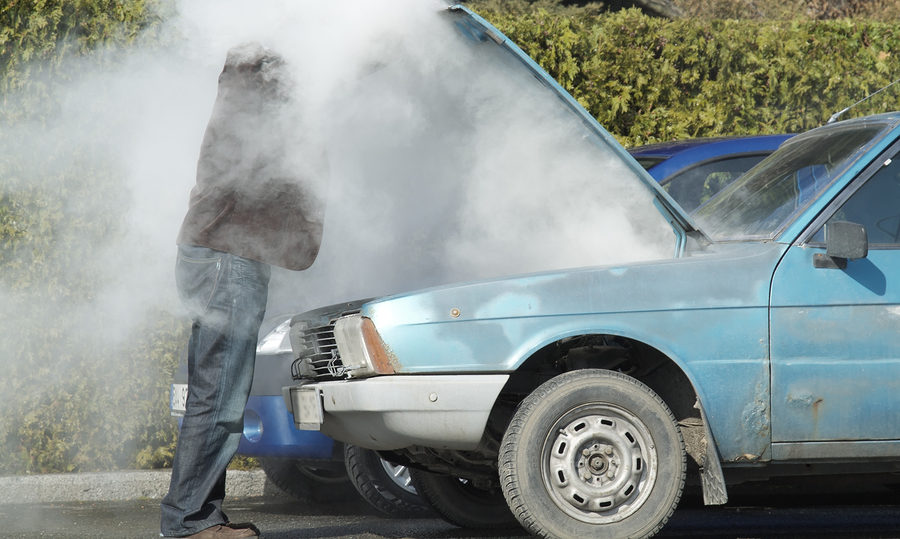
Never drive a vehicle that is overheating. This can cause major damages to the engine, and possibly lead to an entire engine replacement altogether. Replacing or purchasing a new engine can be very expensive; which is why people turn to rebuilt engines in order to save some cash.  Stop driving and safely pull over as soon as your car engine begins to overheat. Then contact a local towing company to have your vehicle towed to the nearest auto repair shop for inspection and service.

Where to Find Professional Towing Assistance

Call Zore’s Towing at 317-247-8484 for safe and affordable Indianapolis tow truck services you can trust. Our licensed and insured tow truck operators provide punctual and prompt tow truck services, 24 hours a day and 7 days a week! We also provide numerous community services, roadside assistance services, wrecker and recovery services, and much more. Call 317-247-8484 to request a free estimate, anytime!

Indianapolis Towing & Recovery 317-247-8484

Are Diesel and Petrol the Same Thing?

When it comes to fuel economy, every driver is open to finding new ways to save. One of the most frequently asked questions regarding fuel efficiency has to do with choosing the proper fuel for a vehicle. But in order to choose the right fuel for your car, it is important to understand the differences between your primary options: petrol and diesel.

Continue reading to learn more about both types of propellants for a better understanding of how to improve your fuel efficiency, as well as, what to do if you find yourself stuck on the side of the road in need of fuel.

24 Hour Indiana Roadside Assistance
24 Hour Indiana Roadside Assistance 317-247-8484

Diesel vs. Petrol

Petrol is simply another term of conventional gasoline, while diesel describes a different type of fuel. Although both produced from mineral oil, diesel and petrol are quite different in terms of chemical properties, refinement, applications, and performance. You must refer to the owners’ manual of your car or fuel-powered equipment to confirm which type of fuel it is best suited to use.

Diesel is a crude oil that is easier to refine compared to petrol. However, it contains more pollutants, which must be extracted in order for diesel to achieve the same level of emissions as conventional gasoline fuel. On the other hand, diesel has more energy than petrol, and the combustion process tends to be more efficiency, which in turn promotes higher fuel efficiency and lower CO2 emissions in comparison. Diesel fuel is recommended only for motors that are designed to operate on diesel. Many European cars operate on diesel, but here in the states, it is less common.

Putting Petrol in a Diesel Engine

Never put gasoline in a diesel engine. If you were to put regular gasoline into a vehicle that runs on a diesel engine, the damage can be catastrophic to the engine and fuel system. If this ever happens by accident, you will have to have the entire fuel system cleaned. This includes everything from the tank and lines, to the injectors, filter, and more.

In the opposite scenario, the effects would not be as catastrophic, but they would still be concerning. Not only will it make the car smoke excessively, the car will not perform well. Furthermore, it may clog the fuel filter, lines, and injectors. If you were to continue giving a gasoline engine diesel, the engine would eventually stop working altogether.

Out of Fuel in Central Indiana?

Call Zore’s Towing at 317-247-8484 for 24 hour roadside assistance and towing services in Indianapolis and throughout Central Indiana. Our friendly staff is waiting by the phones, ready to help you get back on the road, safe and sound. We operate 24 hours a day, 7 days a week, and 365 days a year, so you can always count on us. Request a free estimate, today.

Indianapolis Towing & Recovery 317-247-8484

Will Trailer Towing Damage My Car?

Whether you are planning a big move across the city, or a long road trip to the lake, you might be in need of a trailer. However, the idea of hooking up a trailer to your vehicle might scare you. After all, you love your car, and you do not want even the tiniest scratch or defect inflicted. Furthermore, the thought of paying a huge repair bill as a result of towing a trailer will put you off the idea too. If you are afraid towing a trailer with your vehicle might damage it, you are not alone.

Perhaps some facts about trailer towing, coupled with some helpful beginner tips, can improve your attitude and confidence before your big day arrives. Continue reading to do learn these and more!

24 Hour Towing and Roadside Assistance 317-247-8484

You Must Do the Math to Safely Tow

The first thing you want to think about when you are preparing to tow a trailer with your car is its maximum towing capacity. Also known as gross vehicle weight rating, or GVWR, this value is the total amount of weight your car’s manufacturer says it can safely tow. Keep in mind that this maximum value includes the weight of the trailer, as well as its cargo. Refer to your car’s owners’ manual, or the driver side door jam, for your towing capacity.

Along with gross vehicle weight rating, you will also need to calculate the trailer’s tongue weight, which should never be more than 15% of the total trailer weight, including the weight of its cargo. You also need to know the gross combined weight rating, or GCWR, which includes the total weight of your trailer and the towing vehicle, including all passengers, as well as, fuel, equipment, and the cargo on the trailer. To learn how to do all three of these calculations properly, read our blog, “A Review of Gross Vehicle Weight Ratings” for help getting started on the right track.

Mind the State Laws for Trailer Towing

Another important factor to consider has to do with your own safety, rather than the safety of your vehicle. It is wise to learn all the state laws surrounding trailer towing before hitting the road. Not only will this protect you unintentionally causing risk or danger to others, it will prevent law enforcement confrontations, fines, tickets, and wasted time dealing with all three.

See our blog, “What You Need to Know About State Trailer Laws” to learn what you need to know. Furthermore, knowing how to safely operate a vehicle that is towing a trailer is important to protecting your car from damage. Learning the state trailer laws can help you understand certain safety factors, like taking turns, speed limits, and more.

Need Help With Towing in Indiana?

If you find yourself in a jam while on your road trip, trust Zore’s Towing for help anytime! Call us at 317-247-8484 for prompt, 24 hour towing and roadside assistance in Indianapolis and throughout Central Indiana. Our licensed towing and recovery division retains an extensive fleet of over 35 tow trucks and wrecker equipment, allowing us to assist drivers 24 hours a day, 7 days a week, and 365 days a year, rain, snow, or ice. Request a free estimate, anytime.

Indianapolis Towing & Recovery 317-247-8484