How to Protect Your Car Battery From the Summer Heat

When you are operating your vehicle, the car engine is already generating a massive amount of heat and high temperatures, which can impact the performance of your car battery. When you throw in the variable heat of the sun during the summer season, you can expect your car battery to take on some extra load as well. If you want your vehicle to perform optimally and use its fuel efficiently all summer long, it is important that you take very good care of your car and car battery. There are some simple ways you can achieve this.

Continue reading to learn some ways you can protect your car battery from the summer heat, and who to call if you find yourself stranded on the side of the road with an overheating engine or debt car battery in central Indiana.
Indianapolis Roadside Assistance Jump Starts
Indianapolis Roadside Assistance Jump Starts 317-247-8484

Summer Car Battery Care

Most drivers assume that the winter low temperatures are most impactful to the performance and longevity the car battery, but really it is the high to pictures of the summer that can have the most impact. So many people think that the winter weather drains or damages their car batteries is because the summer heat begins the deterioration process. So, what seems like a winter car battery problem is really a summer car battery problem. For this reason, it is important to take care of your car battery by protecting it from excessive heat and high-temperatures.

Although no car battery is built to last forever and will eventually need to be replaced, there are some things you can do to protect it from premature aging. The two things to look out for are excessive heat and overcharging. These two things cause the most car battery damage in the summer season.

How to Extend the Life of Your Car Battery

Inspect your electrical system to be sure it is working at a normal rate. Undercharging will cause your battery to die, but overcharging will actually cause damage and shorten the battery’s lifespan.

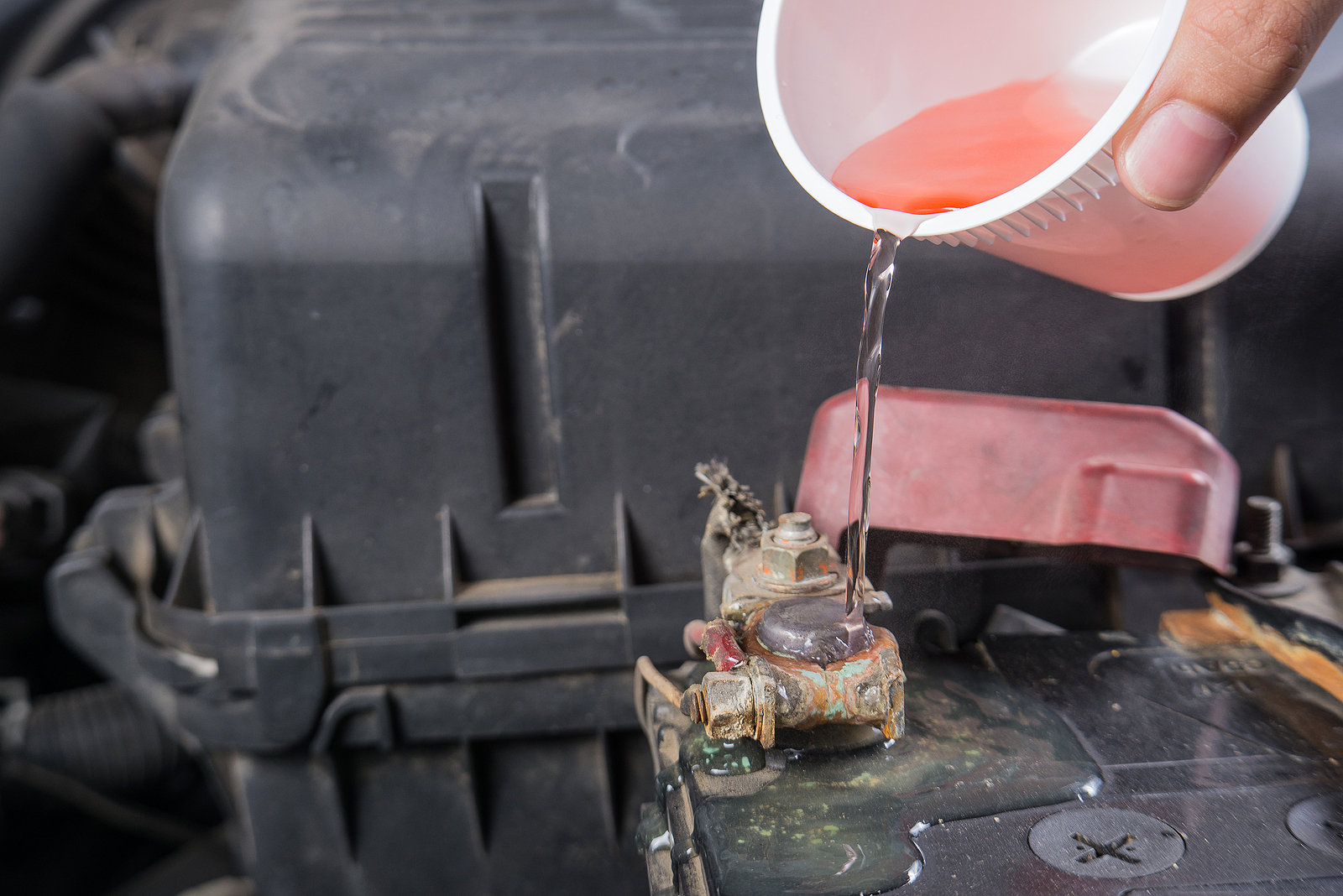
If you have a fluid-cell battery, be sure it is topped off regularly. Always use distilled water when filling up your battery cells.

If you must replace your car battery, be sure to choose one of equivalent quality and that’s compatible with your make and model vehicle.

Keep the outside of your car battery clean and free of dirt, dust, debris, and moisture. If the top of your car battery gets too dirty, the dirt will act as a conductor and drain it quickly.

Use hot water to rinse away battery corrosion. Increase frequency during the hot summer months.

Signs Your Car Battery is Losing Power:

▷ Dim Headlights
▷ Dim or Flickering Interior Lights
▷ Car Accessories Won’t Work
▷ Check Engine Light is On
▷ Car Starts Slowly

Are you in need of a jump start or car battery replacement service in Indianapolis, Indiana? Contact Zore’s Towing for 24 hour tow truck and roadside assistance services you can afford. We serve all of Central Indiana, including Lebanon, Greenwood, and Avon areas.

You Might Also Read:

Why Did My Car Battery Die?
How to Tell if it is Time to Change Your Car Battery
How to Jump Start Your Car After the Battery Dies

Zore’s Towing Towing Wrecker Service Indianapolis

3 Reasons Why You are Having Problems With Your Car Radiator

Your car’s radiator is a vital auto part, so when it begins to show signs of distress or performance issues, it is important to take a closer look. Although there are many things that can go wrong with an automotive radiator, there are 3 primary reasons that contribute to radiator problems. Continue reading to learn the top three reasons why you are having issues with your car radiator, and how to avoid encountering such problems down the road.

Indiana Towing and Roadside Assistance
Indiana Towing and Roadside Assistance 317-247-8484

What Your Radiator Does

Your car radiator is an important component because it helps regulate the combustion temperatures inside your engine as your car drives. The radiator makes sure that your engine does not overheat, which can damage several different inner and external components of the motor and any surrounding auto parts. For this reason, we fill our car radiator with anti-freeze, also known as coolant or radiator fluid, which brings us to the very first and most common reason why drivers experience problems with their car’s radiators: radiator overheating.

3 Radiator Problems and How to Prevent Them

Although natural wear and tear and simple old age can cause a car radiator to deteriorate and lose performance value, the top three reasons why most vehicle’s radiators experience issues, especially prematurely, are due to radiator overheating, rust accumulation, and leakages. In order to prevent radiator problems, it is important to stay current on all factory scheduled maintenance according to your vehicle’s owners’ manual.

Radiator Overheating – Just like engine overheating, a radiator can run low of coolant, which can cause it to produce too much friction within the inner workings. Other causes of radiator overheating include broken or damaged auxiliary fans, damaged radiator structure, clogged or dirty radiator, and broken hoses that lead to coolant leaks. If your radiator or engine begins to overheat, immediately pull over to the right side of the road, and then call for Indianapolis roadside assistance service.

✔ Stay on top of all fluid refills and scheduled maintenance to avoid engine and radiator overheating.

Radiator Rusting – Rusting, or oxidation, occurs when ferrous metal is exposed to oxygen and moisture in the environment. In the case of radiator rusting, such exposure can occur inside the radiator and on the exterior. To check for rust in the radiator, examine your coolant color. If it is brownish, you have rust in your coolant and should get a radiator flush as soon as possible. If you cannot see the color, take a look at the radiator cap. You will see rusty stains or brownish goo inside the cap if you have rust in your coolant.

✔ Be sure to always use a high quality anti-freeze to avoid radiator rusting.

Radiator Leaks – If your radiator is overheating quite often, no matter how much you keep refilling the coolant, you could have yourself a leak. Cracks and external damages to the radiator can also lead to coolant leaks, which might occur after a car accident, or traveling on rough terrain. If your radiator is leaking, it is important to have it repaired immediately. It is not safe to operate a vehicle with a damaged radiator.

✔ Drive safely and on appropriate terrains to avoid radiator damages and coolant leaks.

Is your car radiator damaged or overheating at the moment? Contact Zore’s Towing for 24 hour roadside assistance and towing services in Indianapolis, today. We operate 24 hours a day, 7 days a week, and serve all of Central Indiana.

You Might Also Read:

Will My Car Overheat in Hot Weather?
Why is My Car Engine Overheating?
Important Car Maintenance You Can Do Yourself

Indianapolis Towing & Recovery 317-247-8484

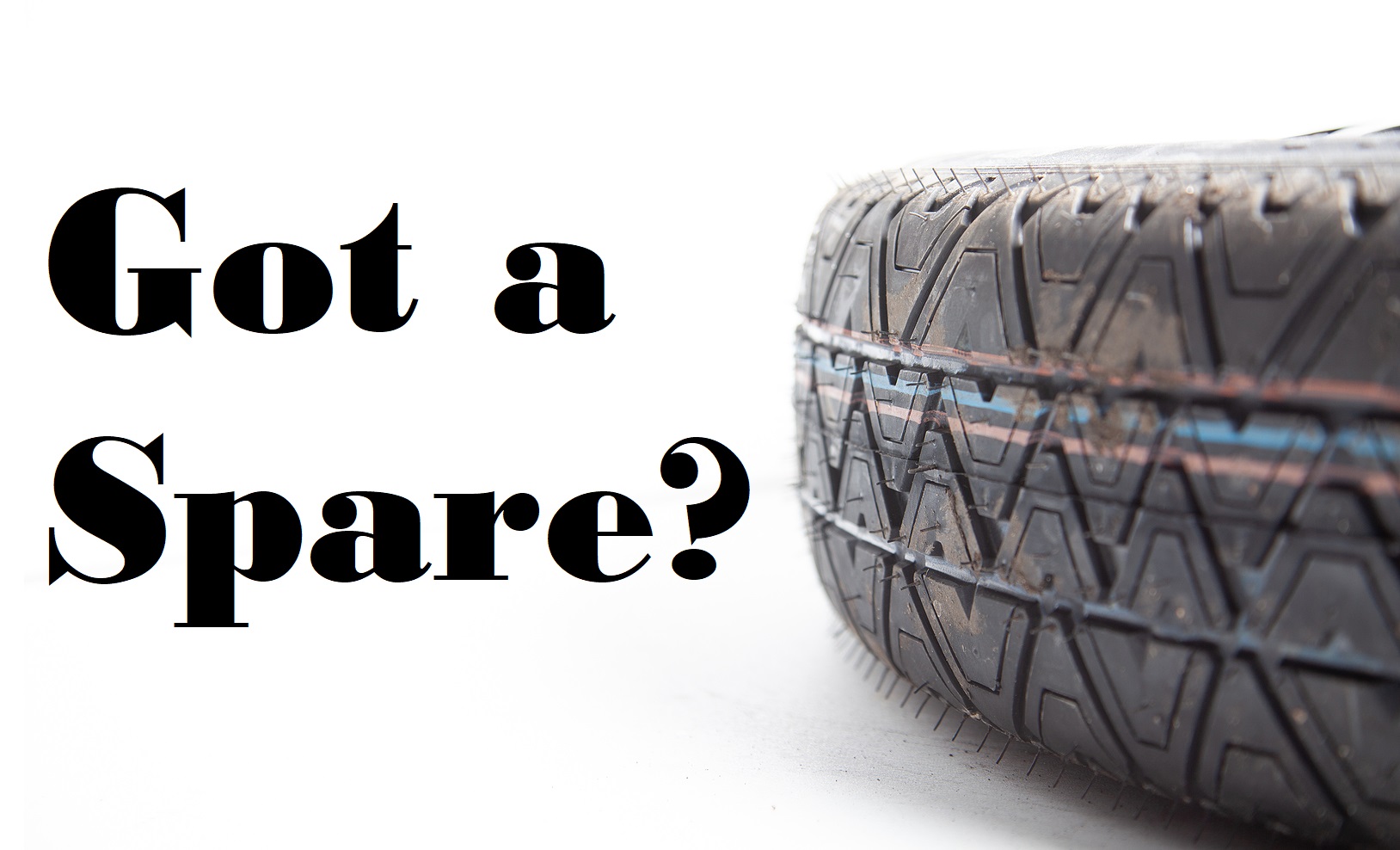
Do I Have to Have a Spare Tire in My Car?

It is a common misconception that the only vehicles that do not come with a spare tire are used cars. And while most people assume that new cars automatically come with a spare tire, vast numbers of modern models do not, as they are no longer standard manufacturing equipment. Generally, only light-duty trucks and large SUV’s come with a spare tire these days. So, many people wind up buying a new car, only to find that it’s not equipped with the fitted spare tire. This leaves them asking, “do I have to have one?”

Continue reading to learn what you should know about spare tires, including whether or not they are required by law.

Flat Tire Roadside Assistance Indianapolis IN
Flat Tire Roadside Assistance Indianapolis IN 317-247-8484

Spare Tire Laws

It is up to you to choose whether or not you would like to have a spare tire in your car. There is no law or state requirement that mandates all drivers have a spare. However, it is strongly encouraged by all car care organizations and authorities to always have a spare tire in your vehicle for those just in case types of situations.

Where to Get a Spare for Your Vehicle

You can purchase a spare tire for your particular make and model vehicle at any local auto parts store or tire shop. You can choose to purchase a brand-new tire, which will deliver optimal performance and efficiency, full tread, and perhaps even come with a warranty. You can also choose to purchase a used tire, which are available in good enough condition to be used in an emergency flat tire situation.

Why are Spares Less Common Now?

There are many reasons why automotive manufacturers are not including spare tires as a standard piece of manufacturing equipment any longer. The 4 top reasons that new cars don’t come with a spare tire include initiatives to: 1) improve gas mileage and fuel efficiency, 2) give more room inside the vehicle interior, 3) increase storage space (namely trunk space), and 4) reduce manufacturing costs.

Run Flats and Self-Sealing Tires

Run flats and self-sealing tires are common alternatives to having a spare in your vehicle. Run flats are a tire system that allows a flat tire to travel a short distance without causing further damage to the wheel or rim. Generally, run flats will allow you to drive up to 50 miles or so under the speed of 45 miles an hour. Self-sealing tires are designed to automatically repair any punctures or holes to the tire caused by running over something sharp, like a nail, using a special sealant inflator kits are another common alternative to having a spare tire, but they are not always dependable.

Are you a Hoosier who is stuck with a flat tire right now? Contact Zore’s Towing at 317-247-8484 for prompt and affordable roadside assistance service in Indianapolis, Indiana. We operate 24 hours a day, 7 days a week, and serve all of Central Indiana.

You Might Also Read:

How Long Can I Drive on a Spare Tire?
Common Types of Spare Tires
How to Patch a Flat Tire Using a Tire Plug Kit

Indianapolis Towing & Recovery 317-247-8484

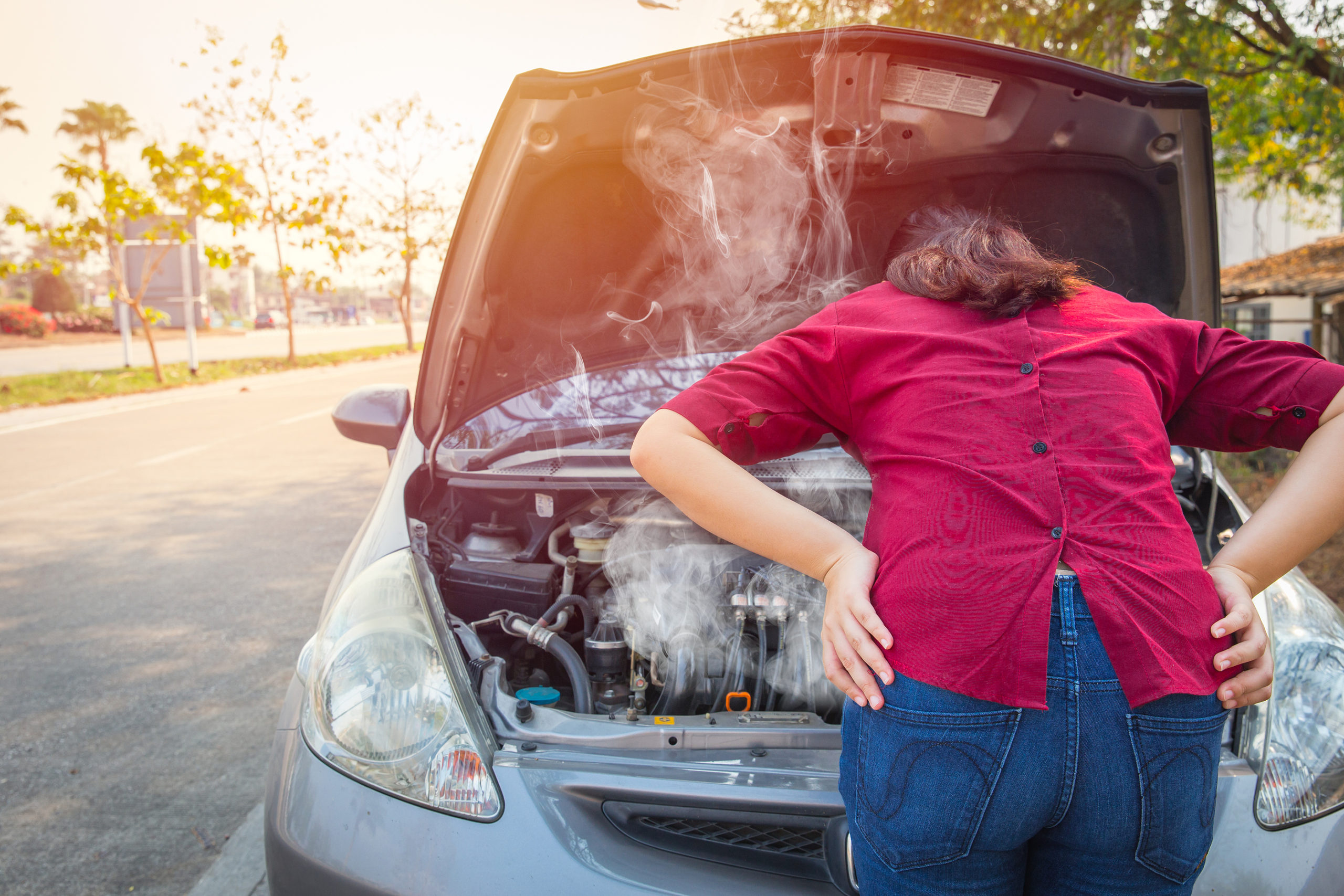
Take These Steps if Your Car or Truck is Overheating

Do Not Drive!
Pull Over Immediately.
Call a Tow Truck.

The most important thing to know about an overheating vehicle is that it should not be driven until the underlying mechanical issue is resolved, and the engine is repaired. Attempting to drive an overheated car can put you and others in danger of an accident, plus cause further, possibly irreversible, damage to the engine. This can lead to costly repairs that could easily be avoided.

Continue below to learn details on how to deal with an overheated car engine on the road.

24 Hour Roadside Assistance Tow Truck Indianapolis Indiana
24 Hour Roadside Assistance Tow Truck Indianapolis Indiana 317-247-8484

Why You Should Never Drive With an Overheated Engine

Never attempt to drive a vehicle that is overheating.  Doing so poses several dangers to you and your passengers, and can also cause severe engine damage. As a result, you might require an entire engine replacement. Replacing or purchasing a new engine can be very expensive, which is why people turn to rebuilt engines in order to save some cash.

DO THIS IF YOUR CAR OR TRUCK STARTS TO OVERHEAT:

Stop driving and safely pull over as soon as your car engine begins to overheat. If smoke is bellowing out from underneath your hood, your car is no longer safe to drive, even if you top off the coolant. Instead, you will need to contact a local Indianapolis IN towing company to have your vehicle towed to the nearest auto repair shop for inspection and service.

Or…..

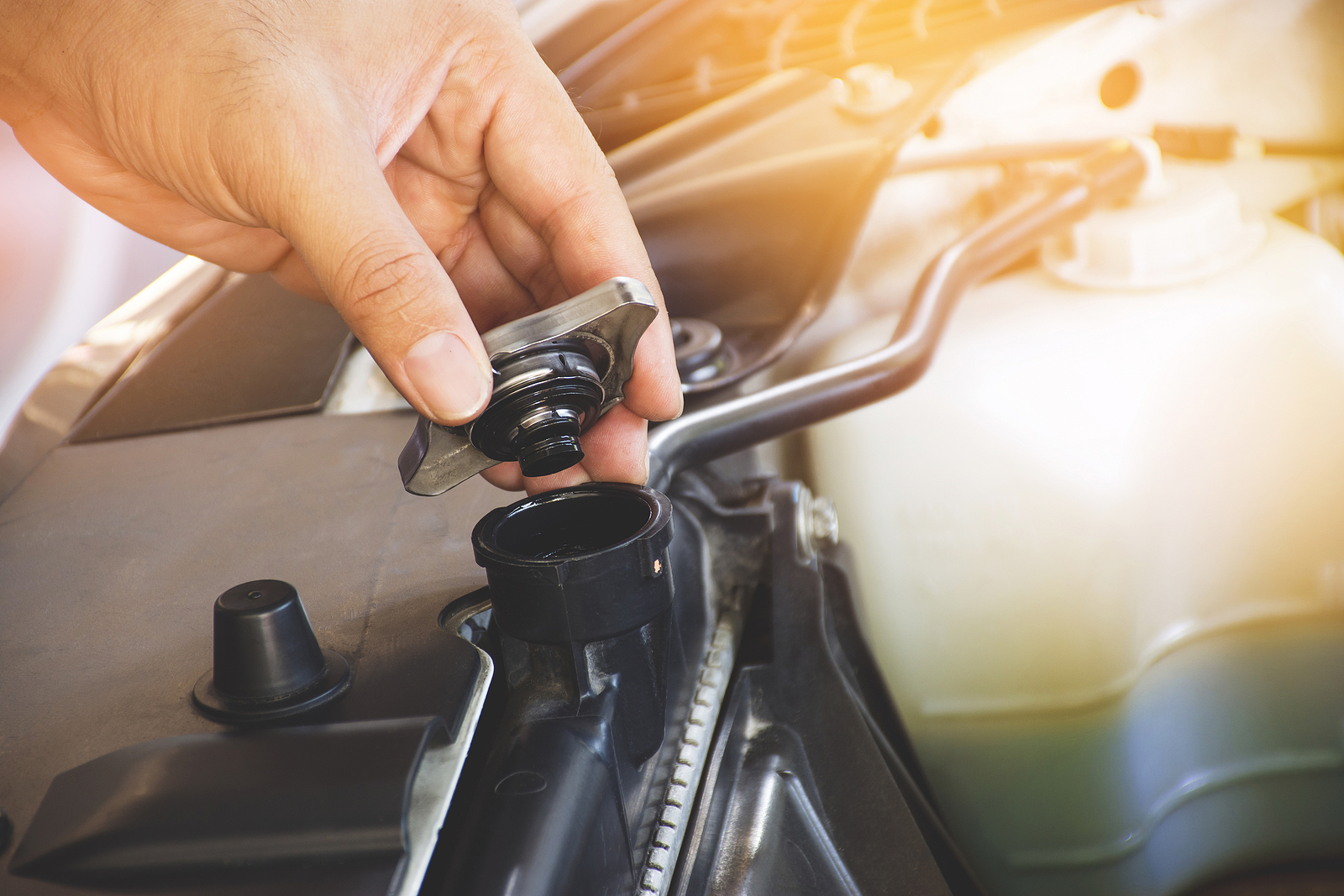
If your dashboard shows low levels of overheating, you may just need some more coolant. If you have some in your car, you can refill it on your own. First, let the engine cool completely. Stay in your car while you allow it to come to a safe, workable temperature. Once your engine has cooled, 10 minutes or so, safely exit your vehicle while watching out for oncoming traffic. Open your radiator fluid cap and pour in your antifreeze (coolant). Re-tighten the cap and be sure your hood is locked into place before starting up the ignition.

Letting the Engine Cool

In minor cases of overheating car engines, you may be able to let the engine cool completely and drive the car home yourself.  But if this is a far distance, it is safer for you, your car, and other drivers on the road, to have the car towed back by a towing company.

Have Your Vehicle Serviced ASAP

After contacting a local tow truck company, have them tow your vehicle to the nearest auto repair shop, or the mechanic of your choice.  Some auto repair shops offer pickup and towing services, but these are not always free. Be sure to ask first because you are probably better off calling for professional tow truck service.

Maintaining Proper Coolant Levels

The most common reason why cars overheat is lack of coolant fluid, or antifreeze, in the engine.  Fortunately, this is a simple issue that can be resolved with a quick refill. Do not attempt to check the car’s radiator fluid while the engine is warm. This can be very dangerous and can cause serious burns and other injuries. When the vehicle is cool, be sure the car is on level ground, so you are getting accurate reading levels.

Did your car break down on the side of the road and now you need some help? Contact Zore’s Towing for 24 hour roadside assistance and towing services in Indianapolis and its surrounding locations. Request a free estimate, anytime!

You Might Also Like:

Why is My Car Engine Overheating?
What Happens to Abandoned Vehicles?
How Long Can I Drive on a Spare Tire?

Indianapolis Towing & Recovery 317-247-8484

How to Calculate Your Towing Weights

When it comes to safe towing, whether hauling a trailer full of your friend’s furniture or towing your Jetski back to the dock for the summer, the most essential element to ensure is on point is your towing weight. Towing weight doesn’t just include the weight of the cargo you are pulling; it also includes how much weight your towing vehicle can pull. Specifically, you will need to always calculate three towing weights: Gross Vehicle Weight Rating (GVWR), Tongue Weight (TW), and Gross Combined Weight Rating (GCWR).

Continue below to learn what these weights and ratings mean, and how to do the math for your towing setup.

24 Hour Towing and Roadside Assistance 317-247-8484

Towing Weight Calculations

You weren’t the best at arithmetic in school? That won’t pose a problem. Calculating your towing weights is easy as long as you have a calculator nearby; and if you are like most, you have a smart phone with a calculator application already on it. Again, you will be calculating your tongue weight, gross vehicle weight rating, and the gross combined weight rating.

Gross Vehicle Weight Rating (GVWR)

The Gross Vehicle Weight Rating (GVWR) is how much weight your make and model towing vehicle can safely haul. This includes the capacity of the weight of the trailer and the weight of the cargo. An F-150 will have a higher gross vehicle weight rating compared to a Mini Cooper. You can find your vehicle’s recommended gross vehicle weight rating in the owners’ manual, or online on your dealership’s website.

Gross Combined Weight Rating (GCWR)

The Gross Combined Weight Rating (GCWR) is the total weight of everything involved in your intended towing job. This includes the gross vehicle weight rating (GVWR), as well as the weight of the trailer, cargo, passengers, and even fuel.

Tongue Weight (TW)

Tongue weight (TW) is the amount of force, or weight, being pushed down onto the hitch ball by the trailer coupler. You don’t ever want to put too much weight on this ball, or your car will lift off the ground in the front and your brakes will go into overdrive. This can all damage your car, as well as your towing gear.

How to Do the Math:

Add up everything you plan to haul to get your Gross Combined Weight Rating GCWR.
Take this number and compare it your Gross Vehicle Weight Rating (GVWR).
Your total should be less than your Gross Vehicle Weight Rating (GVWR).

Do you need professional towing service for long-distance relocations or roadside trailer emergency? Contact Zore’s Towing for economically-priced towing and recovery service in Indianapolis, Indiana. We serve all of Central Indiana.

You Should Also Read:

Towing Acronyms for Vehicle Manufacturer Specifications
A Brief Explanation of Tongue Weight (TW)
A Review of Gross Vehicle Weight Ratings

Indianapolis Towing & Recovery 317-247-8484

How to Do a Pre-Trip Check Before Pulling a Trailer

It does not matter large or small your trailer is, nor how much experience you might have pulling one; everyone should perform a solid towing safety inspection before hitting the road for a long-distance trip. Continue below to either learn or refresh your memory on how to do a pre-trip check before pulling a trailer long distance.

Indiana Towing and Vehicle Transportation Services 317-247-8484

Pre-Trip Trailer Towing Inspection

Everything needs to be inspected for optimal safety and performance when preparing to pull a trailer. Even for short-distance towing, inspecting your towing and vehicle setup is vital for both the safety of you and your passengers, as well as your cargo. All towing and trailer equipment needs to be checked and if necessary, serviced or replaced, including hitch and receiver, safety chains, electrical setups, hitch and turn signals, lights, and the overall trailer clearance.

In addition to checking all equipment, it is wise to review your state’s trailer towing requirements or regulations, and in all states that you plan to pass through as well. Some states require you to stay in the far right lanes, or drive at a certain speed, when towing a trailer. You do not want to be in violation of any towing rules, as this could slow you down from getting to your destination, plus make you pay a fine!

For Beginners

If you have never pulled at trailer before, it is vital that you practice. It takes a lot longer to come to a complete stop when towing a trailer, plus taking turns, backing up, parking, and maneuvering through traffic is all different than driving a regular car. Furthermore, you need to educate yourself on all proper trailer setup and maintenance practices in order to remain safe and within local and state regulations.

Pre-Trip Inspection Checklist:

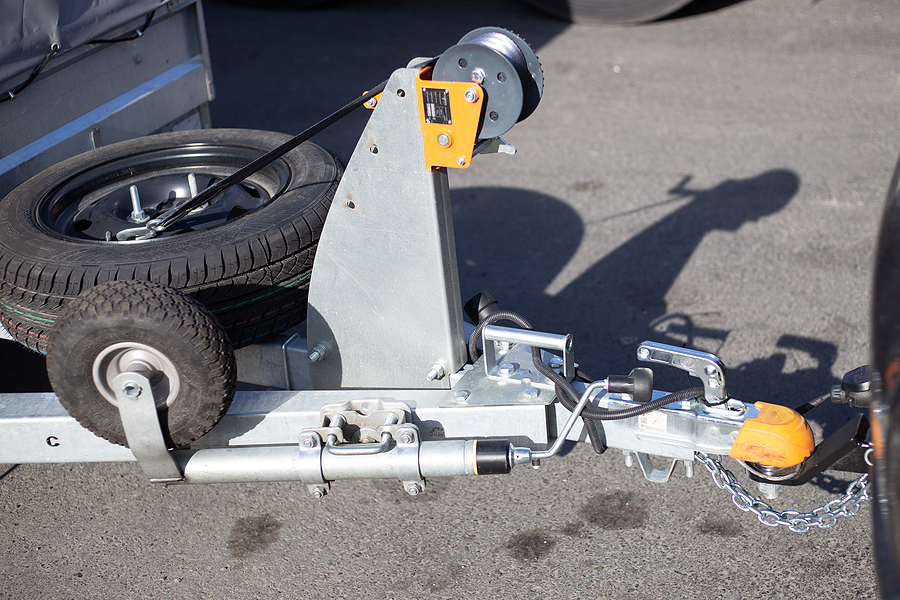
Check that the trailer is properly attached to the hitch, and perfectly secure. The trailer’s tongue should be connected to the hitch, and all locking mechanisms are secured.

You should not be able to lift the trailer off the hitch after it has been snapped and locked in place. Your safety chains should be criss-crossed between the towing vehicle and the trailer.

Check that all electrical wires are connected, and that the brake lights and turn signals are working in conjunction with one another. It helps to have a partner work the towing vehicle’s brakes and turn signals while you stand behind the trailer and watch for them to come on. No partner? Use the reflection of windows or windshields instead.

Do you need some help with towing some cargo long-distance? Contact Zore’s Towing for professional long-distance towing services in Indianapolis, Indiana. We serve all of Central Indiana, including Lebanon, Greenwood, and Avon areas.

You Might Also Like:

Long Distance Driving Tips for Summer
How to Prepare a Car for a Long Distance Tow
What You Need to Know About State Trailer Laws

Indianapolis Towing & Recovery 317-247-8484

How to Improve Your Gas Mileage and Fuel Efficiency

Gas consumption tends to always be on the front minds of Eco-conscious and budget-conscious drivers. After all, fuel is not cheap, and no one wants to be guilty of wasting precious gasoline, which basically translates directly into dollar bills. Fortunately, with a little common knowledge and a few tricks of the trade, you can easily preserve your fuel and be a more efficient driver.

Continue reading to learn how to improve your gas mileage and fuel efficiency by dinner tonight!

24 Hour Towing and Roadside Assistance
24 Hour Towing and Roadside Assistance 317-247-8484

Fuel Economy Hacks Any Driver Can Do

There are several ways to improve your gas mileage. You can do a few instantaneous tactics, like removing heavy items from the trunk and adding a fuel additive to your gas tank or engine. Then there are a few things you can do that will improve your fuel efficiency overtime; such as using the proper viscosity motor oil, always driving smoothly, slowing down when you drive, avoiding long idle times, avoid fast accelerations, drive the speed limit on interstates and highways, combining visits, and carpooling to work and school.

Then there is all the regular car maintenance you need to stay current on in order to promote fuel efficiency and obtain better gas mileage, including:

► Tire Rotation and Balancing
► Tire Pressure and Inflation
► Brake Pad Replacement
► Brake Pad Repair
► Brake Rotor Replacement
► Vehicle Alignment
► Air/Oil Filter Replacement
► Spark Plug Replacement (after 100,000 miles)
► Fluid Changes

How to Deal With an Emergency Car Breakdown in Indianapolis

Sometimes, our vehicles can be a little unpredictable. Accordingly, if you fail to take good care of your car, you might find yourself on the side of the road with engine or tire failure. If this ever happens to you, contact a 24 hour tow truck company for emergency roadside assistance services. You can also add roadside assistance packages to your current auto insurance policy.

Are you in need of a tow or tire service in Indianapolis, Indiana? Contact Zore’s Towing for 24 hour tow truck and roadside assistance services you can afford. We serve all of Central Indiana, including Lebanon, Greenwood, and Avon areas.

You Might Also Enjoy:

Why Do Some Vehicles Have Spare Tires and Others Don’t?
How to Save Money on Gasoline for Your Car
DIY Roadside Assistance Tools to Always Have in Your Car

Indianapolis Towing & Recovery 317-247-8484

Important Car Maintenance You Can Do Yourself

Not all car maintenance requires the professional attention and acumen of a licensed automotive mechanic. There are actually many services a car owner can do themselves to achieve optimal driving performance and vehicular longevity.

Continue reading to learn which routine automotive maintenance jobs you can do all on your own and how! 

Indianapolis 24 Hour Roadside Assistance
Indianapolis 24 Hour Roadside Assistance 317-247-8484

The Benefits of Do-It-Yourself Car Care

Handling routine maintenance on your own, rather than outsourcing professional auto service, can save a driver up to $150 or more each year. This may seem like a nominal figure, but it certainly adds up year after year. And who wouldn’t want an extra couple hundred dollars in their wallet for the weekend? Performing your own vehicular maintenance on the areas of your car that are DIY-Approved can save drivers time and money. It is vital to only perform car maintenance that does not require the tools and training of a professional mechanic.

Here is a DIY-APPROVED car maintenance checklist to keep your car safe and running smoothly:

Coolant

Without coolant, your car’s engine would be in pretty bad shape. In fact, it would fail to operate entirely after a short amount of time without coolant. Also called radiator fluid, coolant is imperative for the operation and performance of any vehicle. It prevents the inner workings of a car engine from overheating as a result of constant friction and heat production. If you have an overheating engine, the number one cause is lack of radiator fluid. Simply purchase a bottle or two at your local automotive store, locate the coolant cap beneath your hood, and pour the solution right in!

Headlights

Did you know you can change a burnt-out headlight all on your own? It’s true and not many car owners know it! Since this can get you a traffic ticket or worse, cause an accident, a burnt-out headlight is an immediate repair. And since you don’t need to make an appointment with an auto shop, you can get this problem repaired right away. All you need is a basic tool set and a new bulb!

Windshield Wiper Fluid

It may seem trivial, but windshield wiper fluid is one of the 7 essential car fluids every vehicle requires for functional operation and safety. And you can re-fill your windshield wiper fluid any time it runs low. Simply purchase a bottle of windshield fluid and pour it down the correct tube under your car’s hood. Do this as often as you need to, keeping in mind that you will probably need to do this more often in winter.

Do you have a roadside car emergency in Indianapolis, Indiana? Contact Zore’s Towing for 24 hour tow truck and roadside assistance services you can afford. We serve all of Central Indiana, including Lebanon, Greenwood, and Avon areas.

You Should Read:

Why is My Car Engine Overheating?
What You Need to Know About Changing Your Car’s Oil
How to Tell if Your Car Needs Alternator Replacement

Indianapolis Towing & Recovery 317-247-8484

3 Steps to Choose the Right Ball Mount for Your Tow Hitch

When it comes to properly setting up your vehicle and trailer arrangement, one of the most vital elements to get absolutely right is your ball mount. Choosing the correct ball mount for your trailer hitch is important for guaranteeing a safe towing connection, as well as staying within state and local regulations for towing a trailer.

24 Hour Tow Truck and Roadside Assistance
24 Hour Towing and Roadside Assistance for Indiana 317-247-8484

Why is a Proper Ball Mount So Vital?

Ensuring that you match the correct ball mount to your trailer hitch is important for many reasons. Not only does it mean that you have a balanced and level connection between the trailer and your towing vehicle, but it also means that your towing weight rating is equal to or higher than the weight of the load in your trailer. These two factors provide a safe and efficient tow.

How to Measure Your Ball Mount

To check that your ball mount is the proper height for your trailer, and therefore a suitable match, all you need to do is follow this 3-Step Rule:

1. Calculate Trailer Hitch Height

Your first step is to find out what your trailer hitch’s height is so that you can match your ball mount perfectly. Do this by measuring from the top of the hitch receiver tube all the way down to the ground.

2. Calculate Coupler Height

Your next step is to calculate your coupler height. Begin by ensuring your trailer is perfectly level. Then, measure the distance from the bottom of the coupler to the ground.

3. Calculate the Difference

The third step requires you to calculate the difference between the first and second values. Subtract the trailer coupler height from the hitch receiver height to get your result. This new value is how much drop you need in your ball mount.

Here is an Example:
Receiver Height = 24 inches
Trailer Coupler Height = 18 inches
Math = (24 – 18 = 6)
Drop Amount = 6 inches

≫ Higher hitch height? A drop with your ball mount is necessary.
Higher coupler height? A raise with your ball mount is necessary.

Do you need towing service in Indianapolis, Indiana? Contact Zore’s Towing at 317-247-8484 for 24 hour tow truck and roadside assistance services at competitive prices. We serve all of Central Indiana.

You Might Also Read:

3 Simple Steps to Using a Trailer Hitch Adapter
Do I Need a Hitch Ball When I Buy a New Ball Mount?
3 Factors to Consider When Buying a Trailer Hitch

Indianapolis Towing & Recovery 317-247-8484

Why You Can Never Ignore Vehicular Towing Capacity

Whether you are planning to hook up a camper to your truck, tow a personal watercraft to the lake, or dinghy tow another car across the state, the most important factor to review first is the tow capacity of the vehicle you plan on doing the towing. Continue below to learn more about car and truck towing capacities, including why they are so important and how to calculate yours.

Indiana Towing Services 317-247-8484

The Basic Rules of Towing Capacity

Towing capacity is the weight limit your towing vehicle can pull. These capacities vary from vehicle to vehicle, depending on make, model, year, features, and more. Towing capacity is formulated by comprehending five principal components of a towing vehicle. These include the transmission, brakes, axles, motor, and edge. Additionally, incorporating the towing vehicle’s weight, trailer weight, cargo weight, and the total combined weight of its occupants will provide a general understanding of how much weight your towing vehicle will have to pull.

From there, you must then check with the vehicle’s owners’ manual to see how much weight your make and model vehicle can tow, and compare that with the total combined weight you need to tow. If the total combined weight exceeds the recommended towing capacity, you cannot safely tow with that vehicle. You must either reduce the weight of the cargo and vessel, or get a towing vehicle with a higher towing capacity.

The Purpose of a Tow Capacity Rating

There is a reason why towing capacity exists. There are several consequences to ignoring a vehicle’s towing limit. This includes safety hazards, mechanical damages, and more. The most dangerous, and common, consequence to exceeding a vehicle’s towing capacity is losing the ability to brake. You never want this to happen to you, especially when accompanied by other passengers or carrying flammable cargoes.

When the towing limit is met or exceeded, they can easily achieve regular speeds on the road, but when it comes time to stop, problems arise. The vehicle is basically too heavy to come to a stop at the regular amount of time you expect. It takes much longer, especially at higher speeds, to come to a complete stop. In some cases, the load is so heavy, the vehicle cannot stop at all, or in time, to avoid a dangerous or fatal collision.

In less extreme cases, surpassing the towing limit can prohibit a vehicle from driving uphill, even at the slightest incline. Since the load is too heavy, the vehicle already has trouble getting up to speed, so when it comes time to drive up an incline, it could simply give out or burn rubber right in its place. Not only does this bring the towing task to a fast halt, but it can also cause major damage to the towing vehicle and tires.

Do you need tow truck assistance or long-distance towing services in Indianapolis, Indiana? Contact Zore’s Towing at 317-247-8484 to request free estimates for Central Indiana towing and recovery!

You Might Also Like:

3 Simple Steps to Using a Trailer Hitch Adapter
Suggested Cars and Trucks with High Towing Capacities
How to Prepare Your Car for a Spring Break Road Trip

Indianapolis Towing & Recovery 317-247-8484